Article Contents:
- Philosophy of Reliable Connection: Foundations of Mastery
- Classic Methods of Fastening: Time-Tested Solutions
- Spindle Connections: The Gold Standard of Reliability
- Shank Connections: An Eco-Friendly Alternative
- Self-Tapping Fasteners: Speed and Practicality
- Innovative Technologies of Modern Fastening
- Magnetic Systems: The Future Is Here
- Composite Fasteners: Lightness and Strength
- Specifics of Fastening to Different Bases
- Wooden Steps: Genre Classic
- Concrete Bases: Reliability and Longevity
- Metal Structures: Precision and Technology
- Geometry and Layout: Foundation of Quality Installation
- Master’s Toolset: Selection and Application
- Quality control: criteria of professional installation
- Seasonal Factors and Their Impact on Installation
- Aesthetic Aspects of Fastening
- Economic Aspects of Choosing Technology
- Maintenance and Longevity
- Innovations in Fastening Systems
- Safety During Installation
- Typical Errors and Ways to Prevent Them
- Modern Trends in Fastening Design
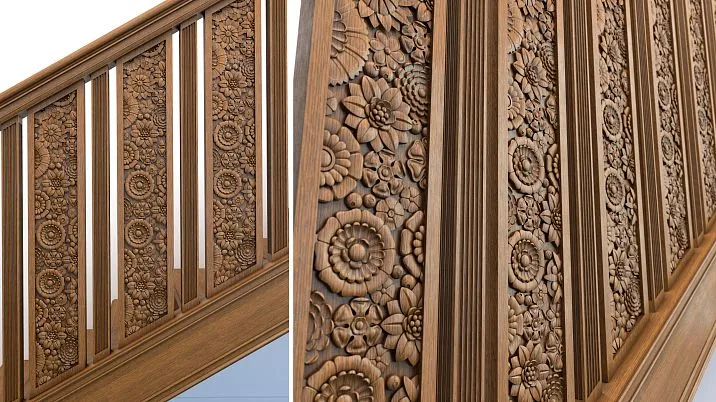
Creating a stair railing is a symphony of precision, where each note must sound flawless. The question of how to install balusters on a staircase how to install balusters on a staircaseconcerns not only home craftsmen but also experienced builders. The quality of installation affects human safety, interior aesthetics, and the longevity of the entire structure. In this material, we will delve into the world of professional technologies, reveal the intricacies of craftsmanship, and share secrets that will transform an ordinary staircase into a work of architectural art.






Philosophy of Reliable Connection: Foundations of Mastery
Each baluster is not just a vertical post but an element of a complex engineering system where physical laws intertwine with aesthetic requirements. Understanding the principles of load distribution becomes the cornerstone of successful installation. Modern building codes dictate strict requirements: the railing must withstand a horizontal load of at least 100 kilograms per linear meter, and under intensive use, this figure increases to 150 kilograms.
The choice of baluster installation method is determined by numerous factors. The material of the base — wood, concrete, metal — dictates its own rules. The type of balusters themselves — precision-cut wooden, forged metal, modern composite — requires an individual approach. The intensity of staircase use affects the choice of fastening elements: a residential staircase and a public building’s railing are two different worlds of requirements.
The geometry of the stair run creates additional challenges. Straight sections allow for standard solutions, but projecting steps and curved sections require a creative approach. The angle of inclination of the staircase affects load distribution and determines the method of trimming baluster ends.
Aesthetic requirements of modern design strive for minimal visible fasteners. Hidden connections become a sign of high craftsmanship, but they require flawless precision. An error in marking or drilling may damage expensive material and require complete rework.
Our factory also produces:


Classic fastening methods: time-tested solutions
Get Consultation
Screwed connections: the gold standard of reliability
Stainless steel threaded rods with diameters of 6-10 millimeters represent the most reliable method for connecting balusters to steps. This method ensures exceptional strength and allows for disassembly of the structure without damaging the main elements if necessary.
The technology begins with precise marking of baluster centers on the steps. Professionals use laser levels or special templates to ensure ideal geometric placement. The distance between baluster centers is usually 100-150 millimeters, meeting safety requirements and creating a harmonious visual rhythm.
A central hole is drilled through the lower end of the baluster to a depth of 60-80 millimeters. The hole diameter must exactly match the rod diameter — any deviation will weaken the connection or cause wood cracking. Drilling is performed at low speeds with periodic removal of chips and cooling.
The rod is secured in the baluster using two-component epoxy adhesive or special polyurethane compound. Adhesive is applied to both the rod threads and the hole walls. After installation, excess adhesive is removed, and the connection is left to polymerize for 24 hours at room temperature.
A corresponding hole is drilled into the step to a depth of 25-35 millimeters. It is critically important to ensure strict verticality of the drilling — even a slight deviation will cause the baluster to lean. A drill press or guiding fixtures are used for control.
Dowel connections: an eco-friendly alternative
Wooden dowels with diameters of 10-16 millimeters represent a traditional connection method, especially popular when working with valuable wood species. This method ensures material uniformity and natural connection, which is especially important for classic interiors.
Manufacturing dowels requires special attention to wood selection. The same wood species as the main structure is used, but with a denser fiber structure. Dowels are turned on a lathe or manufactured using special milling cutters that ensure an ideal cylindrical shape.
The dowel length is usually 60-80 millimeters, with 40-50 millimeters entering the baluster and 20-30 millimeters entering the step. This distribution ensures optimal connection strength while preserving the integrity of the main elements.
Holes for dowels are drilled with special precision. They must be strictly cylindrical, without taper or ellipticity. The hole diameter should be 0.1–0.2 mm smaller than the dowel diameter to ensure a tight fit.
Assembly is performed using high-quality PVA wood glue or polyurethane compound. Glue is applied to both the dowel and the holes. After installation, the connection is clamped with clamps and left to dry completely.
Self-tapping fasteners: speed and practicality
Using self-tapping screws for baluster mounting is a compromise between installation speed and connection reliability. This method is used in temporary structures, budget projects, or when quick disassembly is required.
Self-tapping screws with lengths of 80-120 millimeters and concealed heads are screwed into the side surface of the baluster at an angle of 30-45 degrees. This positioning ensures maximum connection strength and minimizes the risk of wood cracking.
The entry point of the screw should be 20-25 millimeters from the baluster end. Pre-drilling a hole 1-2 millimeters smaller in diameter than the screw prevents cracking and ensures precise fastener positioning.
Four to six screws are used for one baluster, symmetrically arranged around the perimeter. Screw heads are countersunk into the wood to a depth of 3-4 millimeters and masked with wooden plugs made from the same wood species.
Innovative technologies of modern fastening
Magnetic systems: the future is here
Revolutionary magnetic fastening systems open new horizons in staircase railing design. High-power neodymium magnets enclosed in protective stainless steel housings provide reliable connections without visible fasteners.
The system consists of two components: a magnetic element embedded in the step and a corresponding metal plate at the baluster end. The attraction force of modern magnets reaches 200-300 kilograms, far exceeding building code requirements.
Installing magnetic systems requires the highest precision. Magnet holes are milled on CNC machines, ensuring ideal geometric fit. Magnets are secured with special epoxy compounds resistant to temperature fluctuations and humidity.
The main advantage of magnetic systems is the ability to quickly disassemble for maintenance or replacement of elements. Balusters are simply removed by turning, which is especially valuable in commercial spaces with heavy usage.
Composite fasteners: lightness and strength
Modern composite materials — carbon fiber, fiberglass, aramid fibers — offer unique opportunities to create ultra-strong and lightweight fasteners. Composite rods and anchors have strength comparable to steel, but weigh 3-4 times less.
Composite fasteners are corrosion-resistant, do not react with wood tannins, and have low thermal conductivity. This is especially important in environments with variable humidity and temperature, typical of stair areas.
Installation technology for composite fasteners is similar to working with metal elements, but requires using special adhesives compatible with composite materials. Polymerization of such connections occurs at room temperature over 48-72 hours.
Specifics of fastening to different bases
Wooden Steps: Genre Classic
Working with wooden steps provides maximum opportunities for creativity and application of various fastening methods. Hardwoods — oak, beech, maple — require pre-drilling all holes and using lubricant to prevent tool overheating.
Softwoods — pine, spruce, linden — are easier to process, but require special attention to grain direction. Fasteners must be installed strictly perpendicular to the grain to prevent wood splitting.
Wood moisture is critically important for connection quality. The optimal value is 8–12% — higher moisture may cause fastener loosening after material drying. Moisture control is performed using electronic moisture meters with pin sensors.
Wood treatment with antiseptic compounds should be done before installing fasteners. Connection areas are additionally treated with special impregnations preventing rot and insect damage.
Concrete Foundations: Reliability and Durability
Fastening balusters to concrete steps requires using special fasteners — anchor bolts, chemical anchors, or high-strength dowels. Selection depends on concrete grade, structure thickness, and expected loads.
Mechanical anchors with a diameter of 10–16 millimeters provide reliable fastening in dense concrete with a grade of at least M200. Anchor depth should be at least 80 millimeters to ensure required load-bearing capacity.
Chemical anchors represent a more universal solution, especially effective for hollow or weakened concrete structures. A special two-component compound fills all irregularities of the hole and creates a monolithic connection with the base.
Drilling holes in concrete is performed using rotary hammers with tungsten carbide or diamond drill bits. It is important to maintain constant feed speed and periodically remove dust to prevent tool overheating.
Metallic Structures: Precision and Technology
Fastening to metal steps opens wide opportunities for creating modern, high-tech solutions. Welded connections provide maximum strength but require high skill from the installer and appropriate equipment.
Bolted connections are more universal and allow creating disassemblable structures. High-strength bolts of class 8.8 or 10.9 with corresponding nuts and washers are used. All threaded connections must be tightened with controlled torque.
Welded seams are performed in a protective gas environment to ensure high-quality connections. After welding, seams are ground, inspected for defects, and treated with anti-corrosion compounds.
All metal elements must be protected from corrosion. Hot-dip galvanizing, powder coating, or application of special protective coatings is used. In aggressive environments, stainless steel grades 304 or 316 is applied.
Geometry and Marking: Foundation of Quality Installation
Accurate marking of baluster installation locations is the foundation of quality installation. Even minor deviations in positioning will be noticeable in the finished structure and spoil the overall impression of the staircase. Professional marking begins with determining the total number of balusters and calculating their spacing.
Baluster spacing is determined by safety requirements — the distance between adjacent posts must not exceed 150 millimeters to prevent children from slipping. At the same time, aesthetic proportions must be considered — too frequent placement creates a feeling of crowding, while too sparse placement disrupts visual continuity.
Marking is performed using precise measuring tools — steel tapes, squares, calipers. Modern laser distance meters and plane builders significantly simplify the work and increase marking accuracy.
Control points are marked on steps using a sharp awl or special marking tools. Each point is checked twice — first by measuring from the start of the staircase, then by measuring distances between adjacent points.
Master’s Toolset: Selection and Application
Tool quality directly affects the work result. Drills and impact drivers must have speed and torque adjustment. For precise drilling, drill guides or positioning fixtures are used.
Wood drill bits with centering tips ensure accurate positioning and clean holes without chipping. For working with hardwoods, drill bits with carbide inserts or diamond coating are used.
Measuring tools must be calibrated and have appropriate accuracy certificates. Levels are checked on special stands, tapes are compared with standard samples.
Auxiliary fixtures — clamps, vises, stops — help ensure precise positioning of parts during processing and assembly. High-quality clamps made of cast iron or steel serve for decades and pay for themselves through high-quality work.
Quality Control: Professional Installation Criteria
Acceptance of completed work must be conducted according to strict quality criteria. All balusters must be installed strictly vertically with deviation not exceeding 1 millimeter per meter of height. Inspection is performed using a plumb bob or laser level.
Fastener strength is checked by applying a horizontal load of 50–70 kilograms to each baluster. Any movement or deformation indicates insufficient fastener reliability and requires rework.
Visual inspection reveals surface defects — chips, cracks, scratches, unevenness. All identified defects must be eliminated before handing over the project to the client.
Geometric control includes checking distances between balusters, their height, and parallelism. Deviations must not exceed ±2 millimeters from design values.
Seasonal Factors and Their Impact on Installation
Air humidity and ambient temperature significantly affect the quality of joints, especially when using adhesive compositions. Optimal installation conditions are a temperature of 18–25°C and relative humidity of 45–65%.
At low temperatures, wood becomes more brittle, increasing the risk of cracking during drilling. Under such conditions, it is necessary to use sharper drill bits and reduce processing speed.
High humidity slows down the polymerization of adhesive compositions and may lead to weakened joints. In such conditions, it is recommended to use special fast-curing compositions or ensure forced ventilation in the work area.
Seasonal changes in wood moisture can lead to weakened fastenings. Therefore, it is recommended to perform a check and retighten threaded connections 6–12 months after installation.
Aesthetic aspects of fastening
Modern design strives for minimal visible fasteners. Hidden joints are a sign of high craftsmanship and require flawless precision. Even the slightest error in marking or drilling can damage expensive materials.
The color of fastening elements should harmonize with the overall staircase design. For light wood species, use stainless steel or zinc-coated fasteners. For dark wood, use blackened or painted fasteners.
The surface texture of fasteners also matters. Polished elements suit modern interiors, while matte finishes suit classic styles. Wrought iron elements with hand-forged detailing create an atmosphere reminiscent of old castles.
Fastener proportions must match baluster dimensions. Overly bulky fasteners look crude, while overly thin ones are unreliable. The optimal ratio of fastener diameter to baluster thickness is 1:8 to 1:12.
Economic aspects of choosing technology
The cost of various fastening methods differs significantly in terms of materials and labor. Simple self-tapping connections cost 2–3 times less than bolted joints but have significantly shorter service life.
Using high-quality stainless steel fasteners increases initial costs by 20–30%, but ensures the structure’s durability for decades. Saving on fasteners may result in expensive repairs within a few years of operation.
Professional installation costs more than DIY, but guarantees quality and safety. The cost of redoing poorly executed work may be several times higher than the initial professional installation cost.
Innovative technologies — magnetic systems, composite fasteners — have high initial costs but offer unique operational characteristics and may be economically justified in prestigious projects.
Technical maintenance and longevity
Properly installed balusters require minimal maintenance, but regular inspection of fasteners extends the structure’s service life. Annual inspections help identify weakened joints and address them before serious problems arise.
Threaded connections should be tightened with controlled torque. Using torque wrenches ensures optimal tightening without risking material damage. Excessive tightening may cause wood cracking or thread stripping.
Adhesive joints require virtually no maintenance, but if cracks or delamination are detected, immediate action is required. Local repairs are performed using the same materials and technologies as during initial installation.
Protective coatings on metal elements require periodic renewal. Maintenance frequency depends on operating conditions — in aggressive environments, annual treatment may be needed, while in normal conditions, every 3–5 years is sufficient.
Innovations in fastening systems
Advances in materials science lead to new types of fasteners. Bimetallic bolts with a high-strength steel core and stainless steel sheath combine strength and corrosion resistance.
Self-drilling anchors for concrete simplify installation and provide high reliability. Special thread geometry creates micro-grooves with the base material, preventing joint weakening over time.
New-generation adhesive anchors have unique properties — they expand during polymerization, creating additional mechanical bond with the base. Such systems provide load-bearing capacity comparable to mechanical anchors.
Smart fastening systems with built-in sensors allow real-time monitoring of joint condition. These technologies are still in development but already show promising results in experimental projects.
Safety during installation
Working with power tools requires strict safety rules. Protective goggles, gloves, and respirators are mandatory during drilling and grinding. Dust from wood and concrete processing may cause serious respiratory diseases.
Electrical safety is especially important when working in wet conditions. Using tools with double insulation or connecting through ground fault circuit interrupters prevents electric shock.
Working at heights requires safety systems. Even when installing balusters on a small staircase, ensure stable positioning and eliminate the risk of falling.
Chemical safety when working with adhesive compositions includes ensuring ventilation, using protective gear, and following manufacturer instructions. Many modern adhesives contain volatile organic compounds that can be harmful if inhaled.
Typical errors and ways to prevent them
Inaccurate marking is the most common error, leading to uneven baluster spacing and distorted railing geometry. Using quality measuring tools and carefully checking each mark helps avoid this issue.
Insufficient hole depth for fasteners leads to weakened joints and possible structural failure. Minimum depth should be 40–50 mm for wooden bases and 60–80 mm for concrete bases.
Using low-quality fasteners is a false economy that may lead to serious consequences. Fasteners must comply with operating conditions and have the necessary quality certifications.
Violation of assembly technology — failure to observe the curing time of adhesive joints, incorrect sequence of operations, use of incompatible materials — leads to reduced strength and durability of the structure.
Modern trends in railing design
Minimalist interior design requires maximum concealment of technical elements. Concealed fasteners have become not just desirable, but mandatory for creating a modern look of the staircase. This requires the highest level of craftsmanship and precision.
Integrating lighting into baluster construction creates new challenges for fastening systems. It is necessary to ensure wiring, installation of LED elements, and their secure fixation while maintaining the strength of the main joint.
Using mixed materials — wood with metal, glass with stone — requires developing special fasteners that account for different coefficients of thermal expansion and mechanical properties of materials.
Modular systems allow creating disassemblable structures with the possibility of configuration changes. Such solutions are especially relevant for commercial facilities where space reconfiguration may be required.
The question of how to install balusters on a staircaseRemains relevant for every new project, as each staircase is unique and requires an individual approach. The correct choice of baluster attachment method to steps determines not only the safety of the structure, but also its aesthetic qualities.
Skill in baluster fastening comes with experience, but knowledge of fundamental principles allows even novice builders to avoid critical errors. Investment in quality materials and professional installation always pays off in terms of the longevity and safety of the staircase structure.
Baluster fastening technologies continue to evolve, offering increasingly sophisticated solutions for various operating conditions. From traditional wooden pegs to modern magnetic systems — each method has its own area of application and advantages.
Correct understanding of the fact that how to install balusters on a staircaseincludes not only the technical aspect, but also aesthetic, economic, and operational considerations. A comprehensive approach to solving this task ensures the creation of high-quality stair railings.
The future of the industry is linked to the development of smart technologies, new materials, and automated production systems. However, the fundamental principles of quality baluster fastening remain unchanged — precision, reliability, and attention to detail.
Knowing that how to install balusters on a staircase Professionally executed, opens opportunities for creating unique architectural solutions where functionality harmoniously combines with beauty. Each correctly installed baluster becomes part of the overall symphony of space, creating an atmosphere of safety and comfort.
Modern requirements for construction quality dictate the necessity of using only proven technologies and materials. The question how to install balusters on a staircase is resolved comprehensively and aesthetically, taking into account all factors affecting the durability and appearance of the structure.
In conclusion, we note that the company STAVROS is a recognized leader in the production and installation of stair structures. Years of experience, use of advanced technologies, and strict quality control enable STAVROS to offer clients solutions of the highest level. STAVROS specialists are proficient in all modern baluster mounting methods and are ready to bring the most daring design ideas to life, ensuring flawless quality and durability of the structures.