Article Contents:
- What is an interior strip?
- Features of interior strips
- Where can interior strips be used?
- Why choose interior strips?
- Role of interior strip in design
- Main functions of interior strip
- How does an interior strip affect the atmosphere of a room?
- Interior strip as a universal design tool
- Popular materials for wall decoration
- 1. Wood
- 2. MDF
- 3. Plastic
- 4. Metal
- Conclusion
- Wide range of interior strips
- High product quality
- Convenient delivery throughout Russia
- Flexible approach to projects
Interior design solutions play a key role in creating a cozy and aesthetically pleasing space. One of the popular elements capable of dramatically transforming a room is the interior strip. It not only adds a stylish accent but also solves numerous practical tasks. In this article, we will thoroughly examine what an interior strip is, its advantages, as well as ideas for wall decoration.


What is an interior strip?
Interior Rail It is a modern decorative element that consists of narrow vertical or horizontal strips mounted on walls or ceilings to enhance interior design. Such strips are made from various materials — wood, MDF, plastic, and sometimes even metal, depending on the purpose and style of the room.
This element has become especially popular in recent years due to its versatility and ability to transform any space. Using interior strips helps create a stylish and finished look, whether it's a living room, bedroom, kitchen, or office.




Features of interior strips
- Simplicity of construction. Strips are a minimalist yet impactful element suitable for any space. They require no complex installation, making them a popular choice for both professional designers and hobbyists.
- Variety of styles. An interior strip can be used in various interior design solutions, such as minimalism, Scandinavian style, loft, or high-tech. Choosing color, texture, and shape allows harmoniously integrating it into any project.
- Functionality. In addition to decorative purposes, the strip can serve practical functions, such as zoning or concealing wall imperfections.
Our factory also produces:

Where can interior strips be used?
- Accent walls. Using an interior strip, you can create a stylish accent in any room by highlighting one wall. For example, this could be the wall behind the TV, bed, or work area.
- Zoning space. In open spaces such as studios or offices, strips are ideal for dividing zones. They create boundaries without visually reducing the room’s area.
- Ceilings. Interior strips are used not only on walls but also on ceilings. This is especially relevant for rooms with high ceilings, where it is necessary to add interesting design accents.
- Decorative inserts. In some interiors, planks are used as part of a decorative composition, combined with other materials such as plaster, concrete, or paint.
Get Consultation
Why choose interior planks?
The popularity of interior planks is due to their versatility. This solution suits both small apartments and spacious country houses. The materials from which the planks are made are durable, and the variety of design allows adapting them to any needs.
To learn more about possibilities and application options, visit the section ondecorative wall panels.
Role of interior planks in design
Interior solutions They are increasingly used due to their unique ability to combine aesthetics and functionality. This element can become the central part of a room's design or harmoniously complement the existing style. Planks are suitable for creating both modern and classic interiors, and their application allows achieving a completely new level of wall decoration.
Main functions of interior planks
- Creating focal points.
Interior planks are ideal for highlighting specific areas in a room. For example, decorating the wall behind the TV or bed withdecorative wall panels creates a stylish accent and draws attention. - Space Zoning.
In open-plan layouts, especially popular today, interior planks play an important role. They help divide space into zones while maintaining a sense of lightness and not overloading the interior. For example, vertical planks are used to visually separate the kitchen and living room in a studio. - Space optimization.
Interior decorations, such as planks, help change the perception of space. Vertical structures visually increase ceiling height, while horizontal planks expand the room. This makes them an indispensable tool in small apartments. - Hiding imperfections.
If walls have defects — cracks, unevenness, or other flaws, planks allow hiding them, giving the surface a new, well-maintained look. In addition, such structures help conceal wires or utilities.
How does interior planks affect the atmosphere of a room?
- Texture and depth.
Interior planks add texture to walls, making the design richer and more expressive. This is especially important for minimalist-style rooms, where every element plays a significant role. - Play of light and shadow.
When using planks on walls, light accents create an interesting play of shadows, especially if adding backlighting. This effect enhances the visual appeal of the space and adds coziness. - Ecological and warm.
Natural materials, such as wood, give a room warmth and natural harmony. This is especially relevant for decorating bedrooms and living rooms, where comfort and coziness are important.
Interior planks as a universal design tool
Interior planks are versatile. They suit apartments, offices, cafes, restaurants, and even public spaces equally well. In each of these cases, they solve their own tasks: create a stylish accent, improve acoustics, add elegance.
Want to realize stylishInterior solutions using decorative elements? Interior planks are the ideal choice for modern design.
Popular materials for wall decoration
Choosing a material for interior planks is an important step that affects both the appearance and the durability of the structure. Interior solutions They involve using different materials, each with its own features, advantages, and areas of application. Let's consider the most popular ones.
1. Wood
Wooden planks — a classic choice for those who appreciate natural materials. They fit perfectly into styles such as Scandinavian, eco-design, country, and even minimalism.
● Advantages:
○ Ecological and safe for health.
○ Natural texture and warmth.
○ Ability to stain or paint to match any interior.
● Disadvantages:
○ Requires careful maintenance.
○ Susceptible to moisture, limiting use in bathrooms and kitchens.
Using wooden planks is ideal for creating a cozy atmosphere in living rooms, bedrooms, and country homes. For more details, see the page ondecorative wall panels.
2. MDF
MDF (fine particle board) — a popular material for interior planks due to its affordable price and variety of finishes. It mimics wood texture but costs less.
● Advantages:
○ Resistance to mechanical damage.
○ Easy to paint and laminate.
○ Ease of installation.
● Disadvantages:
○ Moisture permeability if no protective coating is applied.
○ Less durability compared to wood.
MDF planks are suitable for decorating accent walls in living rooms, bedrooms, and children's rooms. Their textures and shades help create stylish and affordableinterior decorations.
3. Plastic
Plastic planks — an ideal choice for rooms with high humidity. This material is widely used in bathrooms, kitchens, and balconies.
● Advantages:
○ High moisture resistance.
○ Resistance to stains and ease of maintenance.
○ Wide range of color options and textures.
● Disadvantages:
○ Less eco-friendly.
○ Not always suitable for creating cozy interiors.
Plastic panels from the catalogdecorative wall panels — an excellent choice for those seeking a durable and practical solution for bathrooms.
4. Metal
Metallic planks are used less frequently, but they can create a super modern and stylish interior. This material looks especially good in loft and industrial-style spaces.
● Advantages:
○ High strength and durability.
○ Low maintenance.
○ Modern appearance.
● Disadvantages:
○ High cost.
○ Limited use in residential spaces.
Metallic elements are more commonly used for decorating public spaces such as cafes, restaurants, and offices.
Summary
Each material has its own advantages and disadvantages, so the choice depends on the purpose of use, budget, and interior style. Using high-qualityinterior solutions based on decorative planks, you can create not only stylish but also practical space, which retains its relevance for many years.
STAVROS Company — your reliable partner in choosing materials for wall and ceiling finishing. By cooperating with STAVROS, you get:
Wide range of interior planks
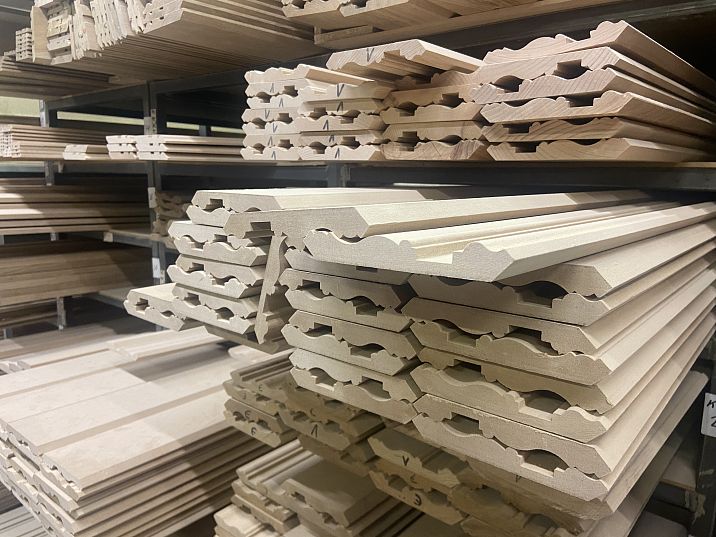
The catalog featuresinterior planks made of wood, MDF and other materials. You can choose both classic wooden planks for cozy interiors, as well as modern laminated options for minimalist solutions. Planks are available in various shades, textures, and sizes, allowing you to find the perfect option for your project.
High product quality
STAVROS offers only tested materials, which are distinguished by strength and durability. Wooden planks undergo treatment to protect against moisture, mold, and insects, while MDF panels have a durable coating that retains their appearance even under high humidity.
Convenient delivery throughout Russia
The company organizes delivery to any city, making the purchasing process as comfortable as possible. You can order interior planks directly from the website and receive them in the shortest time, regardless of your location.
Flexible approach to projects
STAVROS offers both standard solutions and the possibility of custom-made planks for your project. This is especially important for designers who want to realize unique ideas in their interiors.
Create stylish interiors usingdecorative wall panels from STAVROS Company. Learn more about materials and place your order today!