Article Contents:
- The soul of the Russian dwelling: philosophy of space
- Izba as a miniature universe
- Symbolism and energy
- Architectural dominants of traditional dwellings
- Constructive features as the basis of style
- Planning principles
- Material basis: wood as philosophy
- Wood species and their characteristics
- Wood processing and protection
- Color harmony of the izba: from earth tones to bright accents
- Natural palette as the basis
- Bright accents of folk art
- Decorative arts: carving as poetry of wood
- Types and techniques of carving
- Modern application of traditional motifs
- Planning solutions: organizing space in the Russian way
- Zoning without partitions
- Functional zones of the izba
- Furniture and household items: functional beauty
- Traditional izba furniture
- Household utensils and items
- Modern interpretation: interior in the style of Russian izba in the 21st century
- Adapting traditions to modernity
- Regional variations of style
- Integration of modern technology
- Practical tips for creating an interior
- Planning and budgeting
- Choosing contractors and materials
- Maintenance and Care
- Conclusion
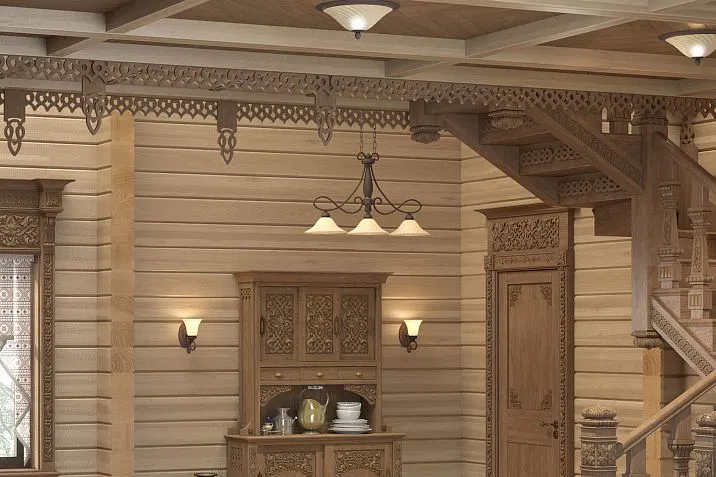
Forget about faceless European renovations and boring minimalist interiors! In the era of total globalization and loss of national identity interior in the style of a Russian izba becomes not just a fashion statement, but a powerful declaration of loyalty to roots, culture, and true values. This revolutionary step backward to origins turns out to be a giant leap forward — toward creating a space filled with soul, warmth, and the unique energy of centuries-old traditions.
Imagine this: you enter a house where every board breathes history, where carved patterns tell tales of ancestors, where the stove doesn't just warm the body but also warms the soul. Such magic can be offered by an interior inspired by Russian architectural traditions. But how to create such a miracle in modern conditions? How to adapt age-old traditions to the requirements of the 21st century? The answers lie in a deep understanding of the philosophy of the Russian izba and the skillful use of modern possibilities.
In a world of plastic and glass, where homes have turned into lifeless boxes, the style of the Russian izba offers an alternative — a living space that grows and breathes alongside its inhabitants. Here, there is no room for random details: every element carries semantic weight, every line has meaning, every color tells a story.

The soul of a Russian dwelling: the philosophy of space




The izba as a miniature universe
The Russian izba was never simply shelter, a refuge from bad weather. It was a whole universe, a carefully organized space where every corner had its purpose, its energy, its role in the family's life. Understanding this philosophy is the key to creating an authentic interior today.
The centrality of the stove determined the entire organization of the interior space. The stove was not just a source of heat — it was the heart of the house, the place where food was prepared, where the sick were treated, where the family gathered. The entire floor plan of the izba was arranged around the stove, and this principle can be successfully applied in modern interiors.
The 'Red Corner' — the place for icons and family relics — symbolized the spiritual center of the house. In modern interpretation, this can be a meditation zone, a library with books on Russian culture, a place for storing family photographs and cherished items.
The 'Babiy Kut' — the female half of the izba — was the place where dishes were stored, where women engaged in crafts, where food was prepared. Today, this zone can be transformed into a modern kitchen, while preserving the atmosphere of home warmth and coziness.
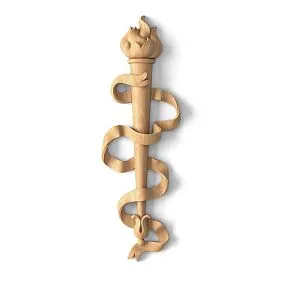
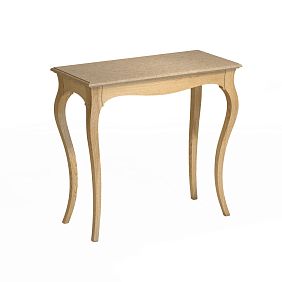
Our factory also produces:




Symbolism and Energy
Each element of a traditional izba carried deep symbolic meaning. House Carving On window sills and cornices, it was not merely decoration — these were protective symbols, talismans intended to protect the house and its inhabitants from evil forces.
Solar signs — images of the sun in various forms — symbolized life energy, warmth, fertility. In modern interiors, these motifs can be reflected in decorative panels, carved furniture elements, and textile ornaments.
Plant motifs — birch branches, oak leaves, floral garlands — embodied the connection with nature, the eternal renewal of life. Today, these patterns can be used in various decorative elements, creating a living, breathing atmosphere.
Geometric patterns — diamonds, crosses, spirals — had protective significance and simultaneously created visual rhythm, harmonizing the space. Modern interpretations of these motifs can become the basis for creating unique decorative compositions.
Get Consultation
Architectural dominants of traditional dwellings
Constructive features as the basis of style
Traditional Russian izbas were built according to principles that we today call ecological construction. Only natural materials were used, climatic characteristics were taken into account, and internal space was used as efficiently as possible.
Log construction created a special atmosphere due to visible wooden walls. In modern interiors, this effect can be recreated using wooden cladding, imitation of logs, and the use of massive wooden beams and supports.
Low ceilings in traditional izbas created a sense of protection, intimacy, and closeness. In modern conditions, even with high ceilings, a similar effect can be achieved using wooden beams, suspended structures, and multi-level lighting.
Small windows in the izba were dictated by the need to retain heat, but they created a special lighting atmosphere — soft, diffused, cozy. Modern technologies allow us to create a similar effect using special curtains, blinds, and decorative grilles.
Planning principles
The layout of a traditional izba was extremely rational and functional. Every square centimeter was used as efficiently as possible, yet the space did not seem cramped or cluttered.
Multi-functionality of zones — one of the main principles of traditional planning. A table could serve for eating, working, and crafting. Benches were simultaneously seats, guest sleeping areas, and storage for items. This principle is especially relevant in modern small-apartment layouts.
Vertical zoning was used in the izba due to the construction of the stove and loft areas. Different levels created additional functional zones without occupying floor space. Modern convertible furniture, shelves, and platforms can perform a similar function.
Flexibility of space was achieved through minimal stationary partitions. Zoning was done using furniture, curtains, and different levels of lighting. This principle can be successfully applied in modern open-space layouts.
Material basis: wood as philosophy
Tree species and their characteristics
Various types of wood were used in traditional peasant houses, each with its own purpose and symbolic meaning. Understanding these nuances will help create an authentic interior even today.
Pine was the main building material, valued for its strength, durability, and ability to create a healthy microclimate in the house. The resinous substances contained in pine have antiseptic properties and create a distinctive, recognizable aroma of wooden houses.
Oak was used for creating the most important structural elements — beams, thresholds, window frames. Its exceptional strength and beautiful texture made oak a symbol of reliability and prosperity. In modern interiors, oak elements can become spectacular accents.
Birch was used for making furniture and decorative elements. Its light-colored wood with a distinctive pattern created a contrast against dark coniferous walls. Birch elements added lightness and freshness to the interior.
Linden was indispensable for carving due to its softness and plasticity. Items such as utensils, toys, and decorative elements were carved from linden. In modern interiors, linden carved details can become unique ornaments.
Wood Processing and Protection
Our ancestors developed effective methods of wood processing, many of which remain relevant today. Understanding these traditions will help create not only beautiful but also durable interiors.
Natural drying of wood took several years but allowed preserving all the positive qualities of the material. Modern accelerated drying technologies should be combined with traditional approaches to achieve optimal results.
Protective stains were made from natural components — linseed oil, beeswax, resin. These compositions not only protected the wood but also emphasized its natural beauty. Modern eco-friendly compositions continue this tradition.
Mechanical processing was performed using simple but effective tools. Surfaces became slightly uneven, which created additional charm and emphasized the handmade character of the items.
Color Harmony of the Peasant House: from earthy tones to bright accents
Natural Palette as the Foundation
The color scheme of traditional peasant houses was based on natural shades of the surrounding environment. This palette created a harmonious, calming atmosphere conducive to rest and recovery.
Wood tones formed the basis of the color scheme. From the light golden hue of freshly cut pine to the dark brown of old oak — this entire range created a rich and varied, yet harmonious composition.
The white color of whitewash symbolized purity and renewal. Chimneys, ceilings, sometimes walls were whitewashed. In modern interiors, white accents help create contrast and add freshness to the natural wood palette.
Gray shades of unbleached flax, wool, clay created intermediate tones that softened contrasts and unified various interior elements into a single composition.
Bright accents of folk art
Against the calm natural palette, bright color accents stood out particularly vividly, introduced through decorative-applied art objects.
Red color — symbol of life, health, fertility — was present in embroidery, painted pottery, festive clothing. In modern interiors, red accents should be used sparingly but effectively.
Blue color — color of sky and water — often appeared in ceramic items, textiles, painted furniture. Blue details add freshness to the interior and create an interesting contrast with warm wood tones.
Green color — symbol of nature and growth — penetrated the interior through plant ornaments, living plants, painted elements. Green accents make the interior more lively and dynamic.
Golden tones — in the form of Khokhloma painting, gilded icon frames, honey color of linseed oil — added festivity and spiritual depth to the interior.
Decorative Art: Carving as Poetry of Wood
Types and Techniques of Carving
Carving in Russian peasant houses served not only decorative but also protective functions. Various carving techniques allowed creating rich and varied ornamental compositions.
Geometric carving — the most ancient and widespread type of decoration — was created using simple tools but allowed achieving remarkable effects. Triangles, rhombuses, zigzags, spirals formed complex rhythmic compositions.
Plant carving depicted stylized plants — leaves, flowers, berries, branches. This type of carving required higher skill but allowed creating more naturalistic and emotional images.
Zoomorphic carving included images of birds, animals, mythological creatures. Horses, birds, bears not only decorated the house but also served as protective symbols.
Through-carving created lace-like elements that looked particularly striking against the sky or on contrasting surfaces. This type of carving was often used for cornices and window sills.
Modern application of traditional motifs
Traditional carved motifs can find diverse applications in modern interiors. Russian Style Collection offers a wide selection of ready-made elements that will help create an authentic atmosphere.
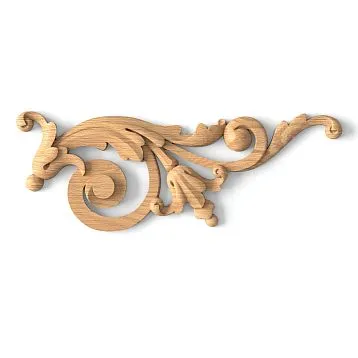
Decorative appliqués allow to transform ordinary furniture into unique pieces executed in the Russian style. Decorative appliqués Russian style can be applied to cabinet facades, chests, tables, creating a cohesive stylistic solution.
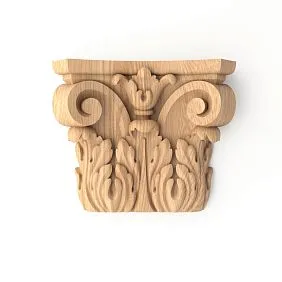
Architectural elements — brackets, capitals, cornices — help create the structural basis for interiors in the Russian style. Brackets Russian style can support shelves, serve as decorative elements, and create visual connections between different parts of the interior.
Decorative panels with traditional ornaments can be used to accent walls, zone space, and create focal points in the interior. Modern technologies allow creating panels of any size and complexity.
Layout solutions: organizing space in the Russian style
Zoning without partitions
Traditional izba demonstrated masterful use of space without creating rigid barriers. This principle is especially relevant in modern conditions, where open layouts are valued.
Furniture zoning was achieved using large items — trunks, benches, tables. In modern interiors, these roles can be performed by shelves, chests, sofas arranged in such a way as to create distinct functional zones.
Level-based zoning was achieved through raised platforms, hearth platforms, different furniture heights. Modern interiors can use platforms, antresols, multi-level ceilings to create additional spatial layers.
Light zoning in the izba was naturally created due to window placement and reflective surfaces. In contemporary interiors, various types of lighting can be used to create distinct zones with different moods.
Functional zones of the izba
Each zone of the traditional izba had a specific purpose and decor. Understanding this logic will help correctly organize modern space in the Russian style.
Entrance zone — the vestibule — served as a buffer between the outside world and living space. In a modern house or apartment, the hallway can perform a similar function but should be styled in accordance with the overall interior style.
Guest zone was located at the red corner and was intended for receiving visitors. Here, the best table was placed, the most beautiful tablecloths were hung, and family heirlooms were displayed.
Work zone included the women's half with the stove and the men's part with tools. In modern interiors, this can transform into a kitchen and home office, while preserving traditional aesthetics.
Rest zone — platforms, benches against the walls — was intended for sleeping and resting. Contemporary bedrooms can borrow the organization principles of these zones, creating a comfortable and authentic space for rest.
Furniture and household items: functional beauty
Traditional izba furniture
Furniture in the Russian izba was distinguished by extraordinary functionality and longevity. Each item served multiple purposes and was passed down from generation to generation.
The table was the central element of living space. Massive and sturdy, it served not only for eating, but also for work, celebrations, and family gatherings. In modern interiors, such a table can become a dominant element in the living room or kitchen.
Benches performed seating, sleeping, and storage functions. Their simple, clear lines and solid construction made them practically eternal. Modern interpretations of benches can be used in hallways, kitchens, and bedrooms.
Trunks served as primary storage furniture. Beautifully decorated, they were not only functional but also decorative elements of the interior. Contemporary trunks can become unique accents and solve storage problems in modern homes.
The ikonostas — an angular shelf for icons — symbolized the spiritual center of the house. In secular interiors, such a structure can be used to display family photographs, art objects, and personal treasures.
Furniture and household items
Every item in a traditional Russian izba was not only functional, but also beautiful. Tableware, tools, textiles — all were crafted with attention to form, proportion, and decoration.
Wooden tableware — ladles, bowls, spoons — was crafted by local artisans and distinguished itself by the unique beauty of each piece. In a modern interior, such tableware can be used as decorative elements or for special occasions.
Ceramic items — pots, jugs, bowls — were created in local pottery traditions and reflected regional characteristics. Contemporary ceramics in a traditional style can add authentic touches to a modern interior.
Textile items — napkins, tablecloths, quilts — were not only utilitarian, but also highly artistic creations. Hand-woven and embroidered textiles added color and texture to predominantly wooden interiors.
Modern interpretation: interior in the style of a Russian izba in the 21st century
Adapting traditions to modernity
Creating an authentic interior in the style of a Russian izba under contemporary conditions requires careful balancing between traditional principles and modern needs. It is important to preserve the spirit of tradition while adapting it to the realities of modern life.
Modern technologies can be seamlessly integrated into traditional interiors. Concealed wiring, climate control, and security systems should not disrupt the visual integrity of the style, but can significantly improve comfort and functionality of the space.
Contemporary materials can imitate traditional ones with remarkable accuracy. High-quality laminate, engineered wood, and composite materials allow creating an authentic appearance at reduced cost and improved performance.
Updated floor plans can account for modern lifestyle requirements while preserving traditional principles of space organization. Open floor plans, en-suite bathrooms, and walk-in closets can be organically integrated into the Russian style.
Regional variations of the style
Russian traditional architecture had significant regional differences, which can be used to create unique contemporary interiors.
The Northern Russian style was characterized by particular severity and monumentality. Massive wooden structures, minimal decoration, and emphasis on functional beauty defined interiors of northern regions.
Central Russian traditions represented a classic variant of the style with a balanced combination of function and decoration. Moderate use of carving, harmonious proportions, and comfortable layouts were characteristic of these regions.
Southern Russian interiors were distinguished by greater decorative richness and color saturation. Influence of neighboring cultures created more elaborate and festive interiors with rich ornamentation.
Integration of modern technology
One of the main challenges in creating an interior in the style of a Russian izba — seamless integration of modern technology and appliances without compromising stylistic integrity.
Kitchen appliances can be built into traditional-style cabinetry or concealed behind decorative panels. Capitals Russian style can be used to create architectural interest around built-in appliances.
Entertainment systems require creative solutions for integration into traditional interiors. Hidden speakers, projectors, and foldable screens can provide modern entertainment capabilities without visual disruption to the style.
Lighting systems should create a warm, comfortable atmosphere characteristic of traditional izbas. LED technology allows simulating candlelight and creating various lighting scenarios for different times of day and activities.
Practical tips for creating an interior
Planning and budgeting
Creating an authentic interior in the style of a Russian izba requires careful planning and realistic budgeting. It is important to consider both initial costs and long-term maintenance requirements.
Prioritizing elements will help distribute the budget most effectively. Key structural elements — flooring, wall treatment, major furniture — should receive primary attention, while accessories and decorative details can be added gradually.
Phased implementation allows creating the interior gradually, spreading costs over time and allowing for adjustments as the project develops. Start with basic structural elements and gradually add decorative details.
Investing in quality key pieces will be more cost-effective in the long term than purchasing cheap imitations. Authentic materials and skilled craftsmanship will serve for many years and maintain their beauty and functionality.
The success of the project largely depends on the quality of the craftsmen and materials. It is important to choose professionals who understand and respect traditional techniques and aesthetics.
Skilled craftsmen with experience in traditional techniques can create authentic details that make the difference between generic country style and genuine Russian interior. Research local artisans and carefully examine their portfolios.
Authentic materials sourced from reputable suppliers will ensure longevity and beauty of the final result. Natural wood, traditional finishes, quality hardware — all these elements contribute to the overall success of the project.
Quality control throughout the construction and installation process is essential for achieving the desired result. Regular inspections and clear communication with contractors will help avoid problems and ensure high standards.
Quality control throughout the construction process and installation is important for achieving the desired result. Regular inspections and clear communication with contractors will help avoid problems and ensure high standards.
Maintenance and Care
An interior in the style of a Russian izba requires specific maintenance approaches to preserve its beauty and functionality over time.
Regular cleaning with appropriate products and techniques will help maintain natural materials without causing damage. Understanding the specific needs of various materials — wood, metal, textile — is essential for proper care.
Preventive maintenance can prevent major problems and extend the life of the interior. Regular inspection for signs of wear, moisture damage, or pest activity allows for early intervention.
Seasonal adjustments can enhance comfort and protect the interior from environmental stresses. Proper ventilation, humidity control, and temperature management are important for preserving natural materials.
Conclusion
Creating an interior in the style of a Russian izba is not just a design project, but a cultural journey that connects us with the rich heritage of our ancestors. In a world increasingly homogenized design trends, such an interior represents a statement of authenticity, a celebration of national identity, and a commitment to values that transcend temporary fashions.
interior in the style of a Russian izba Today, it is a sophisticated synthesis of tradition and innovation, where centuries-old principles are adapted to contemporary lifestyles without losing their essential spirit. This is a space where natural materials create a healthy environment, where handcrafted details add uniqueness and character, where every element has purpose and meaning.
Such an interior is not only beautiful — it is therapeutic. In the fast-paced modern world, returning home to a space that connects us with nature and tradition provides psychological restoration and spiritual nourishment. This is an investment not only in beauty, but in the well-being of the entire family.
It is important to remember that an authentic interior in the style of a Russian izba requires not only financial investment, but also understanding, patience, and respect for tradition. This is a process that unfolds over time, where each added detail, each thoughtful decision contributes to the overall harmony and authenticity of the space.
Modern masters and manufacturers play a crucial role in preserving and adapting traditional techniques for contemporary use. The company STAVROS proudly continues the centuries-old tradition of Russian woodworking, creating high-quality decorative elements that help bring authenticity and beauty to modern interiors. With a deep understanding of traditional techniques and a commitment to quality, STAVROS provides essential elements for creating genuine interiors in the style of a Russian izba, which will delight and inspire generations to come.