Article Contents:
- Psychology of perception: why Russian style wins hearts
- Emotional Impact of National Motifs
- Socio-cultural aspects of style selection
- Conceptual foundations: philosophy of the Russian cafe
- From tavern to modern restaurant
- Regional characteristics as a source of inspiration
- Architectural and planning solutions: organizing space in the Russian way
- Principles of traditional zoning
- Modern adaptation of traditional forms
- Material basis of the style: from log to modern composites
- Wood — the king of Russian interior
- Stone and ceramics: strength of traditions
- Metallic accents: from utility to beauty
- Decorative symphony: carving as the language of Russian style
- Traditional motifs in modern interpretation
- Modern technologies of traditional craftsmanship
- Color harmony: from natural tones to bright accents
- Basic palette of Russian cafe
- Accent palette: colors of folk crafts
- Furniture solutions: function in beautiful shell
- Tables and seating areas
- Storage and display systems
- Lighting: Creating Atmosphere Through Light
- Natural Lighting
- Artificial Lighting
- Textile furnishings: softness and coziness
- Traditional fabrics in modern application
- Ornaments and symbolism
- Practical implementation: from concept to realization
- Design Stages
- Material and supplier selection
- Budgeting and optimization
- Modern trends: eco-friendly approach
- Ecology as a priority
- Technological Integration
- Regional adaptation: Russian style in different climatic zones
- Northern Regions
- Southern Regions
- Marketing potential: Russian style as a brand
- Target audiences
- Competitive advantages
- Conclusion
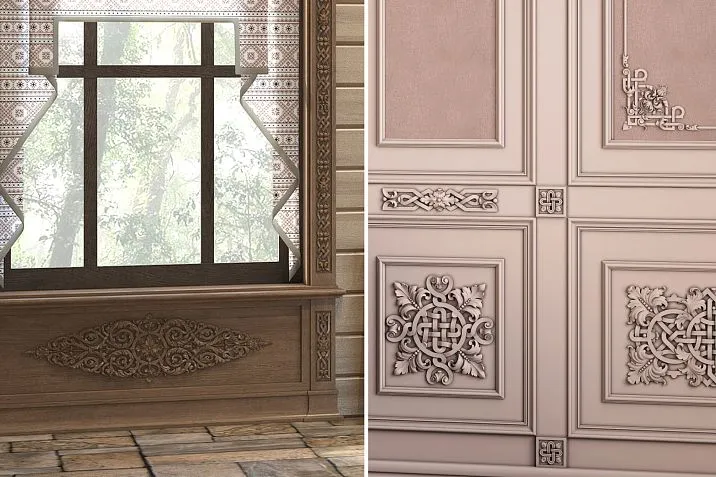
Do you feel this special warmth when stepping into a place where every detail breathes history and the warmth of folk traditions? Where carved patterns on wooden panels seem to whisper tales of ancestors, and soft lighting creates a cozy, home-like atmosphere even in the heart of a megacity? Interior of a cafe in Russian style It is not just a design solution, but a powerful tool for creating an emotional connection with guests, capable of transforming an ordinary public dining establishment into a place where one wishes to return again and again.
In the era of globalization, when restaurants around the world become similar to each other like twins, national character becomes a real competitive advantage. Russian style in cafe interiors is an opportunity to stand out among thousands of establishments, create a unique brand, and win the hearts of visitors through immersion in authentic culture.
But what makes this style so attractive? Perhaps it appeals to deep archetypes of home, family, and tradition — to what is especially valuable in our rapidly changing world. Every element of Russian interior design carries not only aesthetic but also symbolic weight, telling a story that resonates with the soul of every visitor.


Psychology of Perception: Why the Russian Style Captivates Hearts




Emotional impact of national motifs
What happens to a person when they are in a space designed in the Russian style? Ancient mechanisms of cultural memory are triggered, childhood images, home, family hearth are activated. This is not just beautiful — it is therapeutic.
Color psychology plays a key role here. Warm wooden tones reduce stress levels and create a sense of security. Red accents stimulate appetite and encourage conversation. Golden notes of Khokhloma painting literally "warm" the space, creating a festive atmosphere even on an ordinary weekday.
Tactile sensations are equally important. Touching natural wood, linen textiles, ceramic items awakens sensory memory, reminding one of connection with nature and traditions. This is especially valuable for city dwellers deprived of such contact in daily life.
The aroma of natural materials completes the picture. The resinous scent of pine, noble aroma of oak, freshness of linen create in the cafe an atmosphere that subconsciously associates with home, coziness, safety.
Our factory also produces:




Sociocultural Aspects of Style Selection
In modern society, the choice of interior style has become a form of cultural expression. A cafe in the Russian style transmits certain values: commitment to traditions, respect for history, understanding of beauty, striving for authenticity in a world of fakes.
Hospitality — one of the main components of the Russian mentality — finds direct reflection in space organization. Wide tables encouraging long conversations, cozy corners for family gatherings, spacious halls for celebrations — all this creates an atmosphere where every guest feels welcome.
Status without ostentation — another attractive feature of the style. High-quality natural materials, handcrafted items, unique carved elements demonstrate taste and wealth, but do so delicately, without vulgar showiness.
Get Consultation
Conceptual Foundations: Philosophy of the Russian Cafe
From Tavern to Modern Restaurant
Russian tradition of public catering has deep historical roots. Taverns, inns, roadside inns — all these establishments shared a special atmosphere of warmth and hospitality. A modern cafe in the Russian style inherits this tradition but adapts it to the requirements of the 21st century.
Functional zoning in a Russian cafe is based on principles of traditional Russian homes. The central zone — "kitchen" — is intended for communication and celebration. Cozy corners — "light rooms" — create an intimate atmosphere for small groups. Bar area may be styled as the "red corner" — a place for honored guests.
Temporal universality — an important characteristic of the Russian style. Such a cafe is equally attractive in the morning, when soft light highlights the texture of wood, and in the evening, when warm lighting creates a romantic atmosphere.
Regional characteristics as a source of inspiration
Russia is an immense country, and each region has its own unique traditions that can become the basis for creating an unparalleled interior.
North Russian motifs attract with their harsh beauty and minimalism. Simple forms, restrained color palette, emphasis on material quality and craftsmanship. This approach is ideal for elegant cafes targeting discerning clientele.
Central Russian traditions represent the golden mean. Here beauty and practicality, tradition and innovation harmoniously coexist. This is a universal option suitable for most concepts.
Southern Russian vibrancy with its festive nature and abundance of decoration is ideal for family cafes, establishments with children's menus, or venues for celebratory events.
Architectural and Planning Solutions: Organizing Space in the Russian Style
Principles of Traditional Zoning
Cafe layout in the Russian style should take into account the specifics of national architecture and adapt them to modern requirements of the restaurant business.
Centrality of composition — a foundational principle. In a traditional Russian home, the hearth was the center around which family life was organized. In a cafe, this role may be played by a fireplace, a Russian stove, a bar counter, or simply a large table in the center of the hall.
Organic transitions between zones are created not through rigid partitions, but through skillful use of furniture, lighting, and decorative elements. Russian Style Collection Offers numerous solutions for creating such transitions — from carved screens to decorative columns.
Multi-level space adds dynamism to the interior and allows efficient use of area. Podiums, mezzanines, multi-level ceilings — all these elements have deep roots in Russian architecture.
Modern Adaptation of Traditional Forms
Creating an authentic Russian interior in modern conditions requires a creative approach to interpreting traditional elements.
The cafe's entrance area should immediately set the tone for guests. Carved window frames, wrought iron elements, traditional lanterns create the first impression and establish the mood for the entire space.
Dining zones can vary in privacy level. Large tables for groups, cozy nooks for couples, bar areas for quick snacks — each zone should have its own character, yet be unified by a common stylistic approach.
Technical zone — kitchen, utility rooms — should also conform to the overall concept. An open kitchen with a Russian stove can become a true theatrical element, attracting guests' attention.
Material basis of style: from log to modern composites
Wood — the king of Russian interiors
In the interior of a Russian-style café, wood plays the leading role, but the choice of specific species depends on the concept of the establishment and the project budget.
Oak is a classic choice for prestigious establishments. Its noble texture, rich color palette ranging from light gold to dark brown, and exceptional durability make oak an ideal material for furniture and finishes. Oak elements will serve for decades, acquiring a noble patina over time.
Spruce and pine are more democratic options that can look very striking with proper processing. Coniferous species create a unique atmosphere due to their aroma and distinctive resinous texture.
Birch — a symbol of Russia — brings a sense of freshness and lightness to the interior. Its light wood with a marbled pattern combines beautifully with bright textile accents.
Linden was traditionally used for carving and turning. In a café, linden carved elements can become elegant accents without overwhelming the space.
Stone and ceramic: strength of traditions
Stone and ceramic elements create contrast with the warmth of wood and add solidity to the interior.
Natural stones of various types are used to create accent surfaces. Granite symbolizes strength and reliability, sandstone evokes a sense of antiquity, and limestone adds aristocracy.
Brick is a material with a rich history in Russian architecture. Brick walls can serve as accent elements or as a main background. Modern technologies allow them to imitate old masonry.
Tiles — a unique type of Russian ceramics — can become true works of art in the café interior. Tile panels can tell entire stories through their motifs.
Metallic accents: from utility to beauty
Metallic elements should emphasize the crafted and historical nature of the space.
Wrought iron is ideal for creating lamps, furniture, and decorative grilles. Hand-forging gives each piece uniqueness and vitality.
Copper and brass are used to create more refined accents. Samovars, trays, and decorative elements made from these metals add nobility to the interior.
Cast iron is suitable for creating massive, solid elements — stoves, fireplace accessories, and decorative details.
Decorative symphony: carving as the language of Russian style
Traditional motifs in modern execution
Wood carving — the hallmark of Russian style. In a modern café, carved elements should not only be beautiful but also functional.
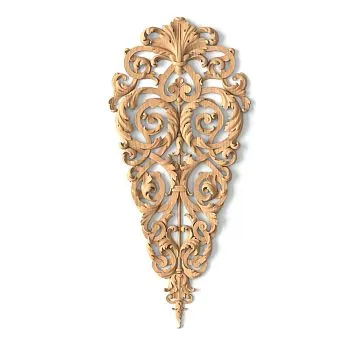
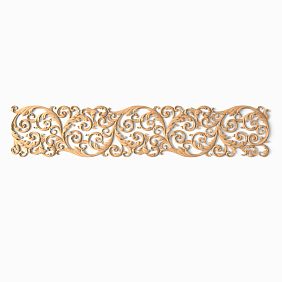
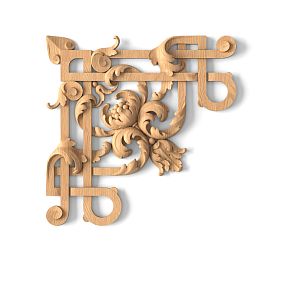
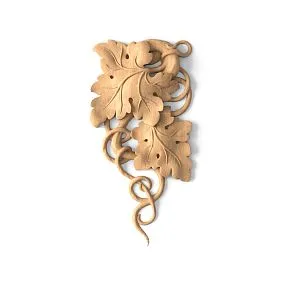
Plant motifs — the most popular type of decoration. Grapevine symbolizes abundance, oak leaves — strength and longevity, birch branches — purity and renewal. Decorative appliqués Russian style With such motifs, ordinary furniture becomes works of art.
Geometric patterns have ancient roots and deep symbolic meaning. Diamonds, crosses, spirals create rhythmic compositions that soothe the eye and create a harmonious atmosphere.
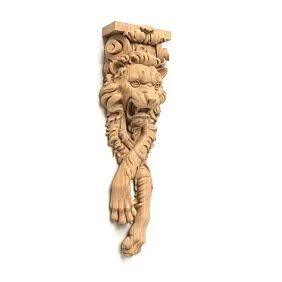
Narrative compositions — scenes from folk life, images of mythical characters — make the interior more lively and emotional. Such elements are especially suitable for family cafés.
Modern technologies of traditional craftsmanship
Today, creating carved elements has become more accessible thanks to modern technologies, but this does not mean a loss of quality or authenticity.
CNC milling allows creating the most complex ornaments with perfect precision. Modern machines can reproduce the finest details, unattainable by hand.
Combined technologies — machine processing followed by manual finishing — yield the best results. The machine ensures precision, while the master’s hand adds vitality to the piece.
Different materials allow adapting traditional forms to modern requirements. Polyurethane overlays Russian style Indistinguishable from wooden, but more practical in use.
Color harmony: from natural tones to bright accents
Basic color palette of a Russian café
The color scheme of the café interior in Russian style should create an atmosphere of warmth and hospitality, encouraging leisurely conversation and enjoyment of food.
The wood palette forms the basis of the color scheme. From light birch to dark chocolate oak — this natural palette creates a calm, harmonious background.
White and cream colors add freshness and visually expand the space. In Russian style, this is not sterile whiteness, but warm tones of linen, milk, and snow.
Gray tones create elegant transitions between contrasting colors and unify various interior elements into a cohesive composition.
Accent palette: folk craft colors
Vibrant color accents should be used delicately, creating emotional focal points without overwhelming the space.
Red in various shades — from crimson to burgundy — is traditionally associated with Russia. In cafes, red accents create a festive atmosphere and stimulate appetite.
Blue — from sky blue to deep indigo — brings a sense of spaciousness and freshness. Especially striking when combined with white and gold.
Green symbolizes a connection to nature. Emerald accents add vitality to interiors and create a sense of freshness.
Golden tones are used to create the most festive accents. Хохлома painting, gilded elements, copperware — all add luxury and festivity to the interior.
Furniture solutions: function in a beautiful shell
Tables and seating areas
Furniture in a Russian-style cafe should not only be beautiful, but also maximally functional, taking into account the specifics of restaurant business.
Dining tables — the foundation of restaurant interiors. In Russian style, preference is given to solid wooden tables. Round tables create a more intimate atmosphere, while rectangular ones are more practical for service.
Chairs and benches should combine comfort with aesthetic appeal. High backs with carved elements create a sense of grandeur, while soft upholstery in natural fabrics ensures comfort.
Benches — a traditional element of Russian furniture — can be used in cafes to create a casual atmosphere. They are especially suitable in establishments with a "trattoria" concept.
Storage and display systems
Furniture for storage in a Russian cafe serves a dual function — practical and decorative.
Buffets and stands are ideal for displaying beautiful tableware, samovars, and folk art items. They create a sense of home comfort and allow guests to learn about Russian culture.
Open shelves create a lighter atmosphere and allow for changing displays depending on the season or holidays.
Chests and lari can serve not only for storage, but also as additional seating or tables.
Lighting: creating atmosphere through light
Natural lighting
Proper use of natural light is especially important in Russian-style cafes, where it is essential to create a warm, cozy atmosphere.
Windows should be sufficiently large to provide good daylight. Wooden frames, stained glass, and decorative grilles can become expressive interior elements.
Window textiles should regulate the amount of light without disrupting the overall style. Linen curtains with embroidery, wooden blinds create the desired atmosphere.
Artificial lighting
The artificial lighting system should create different scenarios for different times of day and various events.
General lighting is created using chandeliers, pendant lights, and built-in systems. In Russian style, warm light imitating candles or lanterns is preferred.
Local lighting — table lamps, wall sconces, spotlights — creates cozy zones and highlights decorative elements.
Decorative lighting — candles, lanterns, fireplace — creates a special atmosphere and emphasizes the authenticity of the interior.
Textile decoration: softness and coziness
Traditional fabrics in modern application
Textiles play an important role in creating a cozy atmosphere in Russian cafes.
Linen — the foundation of Russian textiles — is ideal for restaurant use. Linen tablecloths, napkins, curtains are not only beautiful but also practical.
Cotton with traditional Russian patterns is used for upholstering furniture, decorative cushions, and blankets.
Wool creates a feeling of warmth and coziness. Wool blankets and carpets with traditional ornaments emphasize a homely atmosphere.
Ornaments and symbolism
Each pattern in Russian textile has its own meaning and creates a specific mood.
Plant motifs create a connection with nature. Floral designs are especially suitable for summer interiors and family cafés.
Geometric patterns have ancient roots and symbolic meaning. They create rhythmic compositions and soothe the eye.
Thematic motifs — images of animals, mythical characters — make the interior more lively and emotional.
Practical implementation: from concept to realization
Design stages
Creating a café in the Russian style requires careful planning and a professional approach.
Conceptual development includes defining the target audience, selecting a regional style direction, and creating an overall concept.
Technical design includes planning solutions, engineering systems, and interior design projects.
Detailed refinement of all elements — from large furniture to small decor — ensures stylistic unity.
Material selection and suppliers
The quality of materials and work directly affects the success of the project.
Natural materials must be of high quality and properly processed for restaurant use.
Decorative elements are better ordered from specialized manufacturers who understand the specifics of the style.
Quality control at all stages of production and installation ensures compliance with the project outcome.
Budgeting and optimization
Creating a quality interior requires significant investments, but there are ways to optimize costs.
Prioritizing elements allows directing main resources toward key elements that create the atmosphere.
Phased implementation allows spreading costs over time and adjusting the project during implementation.
Combining materials — using natural materials in key zones and their quality imitations in less important areas — allows significantly reducing the budget without compromising quality.
Modern trends: eco-friendly approach
Ecological priority
Modern trends in the restaurant business emphasize eco-friendliness, which perfectly complements the philosophy of Russian style.
Certified materials guarantee ecological safety and sustainable resource use.
Energy-efficient technologies reduce operating costs and demonstrate social responsibility.
Waste minimization is achieved through the use of durable materials and their recyclability.
Technological Integration
Modern technologies can be organically integrated into Russian interiors.
Climate control systems ensure guest comfort without compromising the visual integrity of the style.
Modern kitchen equipment can be concealed behind traditional facades.
Digital solutions — ordering, payment, entertainment systems — are integrated seamlessly for guests.
Regional adaptation: Russian style in different climatic zones
Northern regions
In northern regions Interior of a cafe in Russian style may emphasize creating a warm, cozy atmosphere.
Dark wood tones create a sense of warmth and security.
Additional lighting compensates for the lack of sunlight during winter months.
Textile elements — blankets, rugs, curtains — add extra coziness.
Southern regions
In southern regions, one can emphasize connection with nature and freshness.
Light tones create a sense of coolness and spaciousness.
Large windows and open terraces allow maximum use of good weather.
Plant motifs in decor highlight the connection with rich southern nature.
Marketing potential: Russian style as a brand
Target audiences
A cafe in Russian style can attract various groups of visitors.
Tourists seek authentic experiences and are willing to pay for a unique atmosphere.
Local residents value quality and traditions, especially in urban environments.
Families with children are attracted by a safe, welcoming atmosphere and the opportunity to introduce children to culture.
Business people use such establishments for informal meetings and corporate events.
Competitive advantages
Russian style creates numerous unique advantages.
Visual recognizability makes the establishment memorable and promotes word-of-mouth.
Guests' emotional attachment to the interior increases loyalty and visit frequency.
Event marketing opportunities — celebrating Russian holidays, themed events — create additional reasons for visits.
Conclusion
Creation interior of a cafe in Russian style — it is not merely a design task, but a cultural mission. In a world where globalization erases national characteristics, such establishments become islands of authenticity, places where one can reconnect with one’s roots or discover the richness of another culture.
The success of the project depends on many factors: deep understanding of traditions, quality of materials used, professionalism of the craftsmen, attention to detail. Every element — from carved appliqués to linen tablecloths — must contribute to creating a unified atmosphere that transforms an ordinary cafe into a place one wishes to return to.
It is important to understand that Russian style in cafe interiors is not a static decoration, but a living, evolving space. Over time, it fills with visitors’ stories, accumulates traditions, and becomes part of the cultural life of the city or district.
Modern technologies and materials do not contradict the philosophy of Russian style, but enrich it, making it more practical and durable. The key is to preserve the soul of the style — its warmth, hospitality, connection with nature and history.
Investments in quality interiors pay off not only financially, but also reputationally. Such cafes become landmark places, magnets for people who value beauty and authenticity. They contribute to preserving cultural heritage and passing it on to future generations.
For more than two decades, the company STAVROS has specialized in creating high-quality decorative elements that help realize the boldest design concepts in Russian style. Deep understanding of traditions, modern manufacturing technologies, strict quality control at every stage — all this enables the creation of items that will become ornaments of any interior and serve for many years, preserving and passing on the beauty of Russian traditions to future generations.