Article Contents:
- Ecological Awareness as the Foundation of New Design
- Circular Economy in Interior Spaces
- Biodegradable Materials in the Modern Context
- Technological Symbiosis: Intelligence Without Intrusiveness
- Adaptive Living Environment
- Invisible Integration of Advanced Technologies
- Emotional Architecture of Color
- Psychologically Oriented Palette
- Therapeutic Impact of Color Combinations
- Tactile Revolution: Textures as the Language of Sensation
- Multilayered Perception of Space
- Innovative Surfaces
- Architecture of Comfort: Space as Therapy
- Ergonomics on a New Level
- Zoning Through Sensory Differences
- Biophilic Integration: Nature as a Co-Designer
- Living Systems in Interior Design
- Natural Forms in Interior Architecture
- Multifunctional Architecture: Transformation as the Norm
- Adaptive Spaces
- Hidden Systems of Organization
- Lighting as an Emotional Modulator
- Dynamic Lighting Environment
- Biological Rhythm Lighting
- Acoustic Design: Sound as a Comfort Element
- Sound Environment Management
- Therapeutic Sound Environments
- Aromatic Design: Smell as an Instrument of Influence
- Personalized Aromatic Profiles
- Natural aromatherapy
- Personalization Through Art and Collecting
- Dynamic Exhibitions
- Interactive Art Elements
- Kitchen as a Gastronomic Laboratory
- High-Tech Culinary Space
- Ecological Consumption
- Bathroom as a Wellness Space
- Home Spa Complex
- Natural Materials in Humid Environments
- Children's Spaces: Design for Development
- Evolutionary interiors
- Safety Through Thoughtful Design
- Workspaces in the Age of Hybrid Work
- Home Office as an Extension of Personality
- Technological Integration for Professional Activities
- Conclusion: Design as a Philosophy of Life
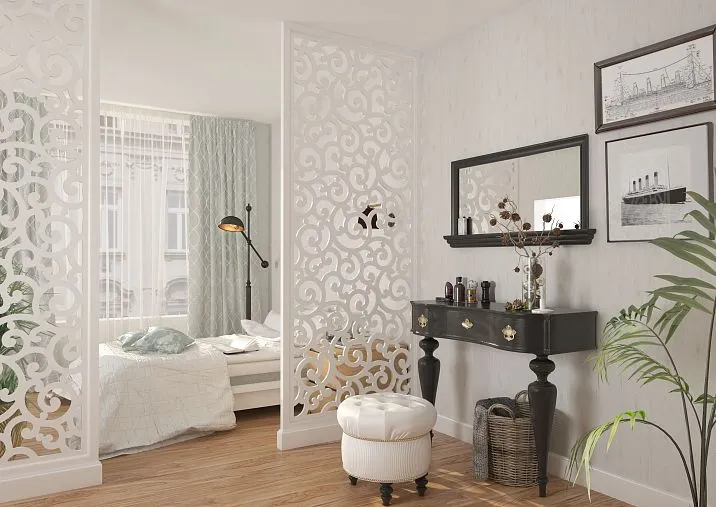
What happens when a home stops being merely a place of residence and transforms into a living organism, sensitively responding to the needs of its inhabitants? We stand at the threshold of a design revolution, where every interior element acquires new meaning and function. New trends in interior design 2025 Radically change our understanding of what modern living space should be.
Interior design is undergoing a period of deep transformation. If beauty was once the ultimate goal, today every detail must serve human well-being. This is not merely an aesthetic evolution — it is a response to the challenges of our time, when the home becomes not only a center of personal life, but also professional activity, creativity, and spiritual development.




Ecological Awareness as the Foundation of New Design




Circular Economy in Interior Spaces
Principles of sustainable development penetrate the deepest levels of design philosophy. Reclaimed wood from dismantled buildings finds a second life as exclusive furniture with a unique history. Every scratch, every trace of time becomes part of the artistic concept, creating an atmosphere of authentic uniqueness.
Metal elements made from recycled materials do not fall short in quality compared to primary materials, but have significantly lower carbon footprints. Aluminum structures, steel frames, copper details — all undergo multiple recycling processes, preserving their technical properties while acquiring new aesthetic qualities.
Local production is no longer just an economically advantageous solution, but also a way to support traditional crafts. Furniture from regional carpentry workshops, ceramics from local artists, textiles from traditional weavers — all of this creates a unique energy in the space and reduces transportation costs.
Our factory also produces:


Biodegradable Materials in the Modern Context
Innovative composites based on natural fibers replace synthetic analogs in furniture and finishing materials production. Linen fibers, treated with special compounds, gain strength comparable to synthetic materials, while retaining their biodegradability.
Mycelium has become the basis for creating leather substitutes and insulation materials. This technology allows growing materials of required shape and density, creating fully ecological alternatives to traditional solutions.
Get Consultation
Technological Symbiosis: Intelligence Without Intrusiveness
Adaptive Living Environment
Modern "smart home" systems evolve from simple automation to deep understanding of residents' needs. Artificial intelligence analyzes behavioral patterns, anticipates desires, and creates a personalized atmosphere without requiring active human involvement.
New-generation climate systems consider not only temperature preferences but also biological rhythms, activity levels, even the emotional state of occupants. Air quality sensors automatically activate purification and ionization systems, maintaining an optimal atmosphere for health and productivity.
Lighting becomes a tool for maintaining circadian rhythms. Systems simulate the natural progression of sunlight, automatically adjusting intensity and color temperature throughout the day. This is not merely convenience — it is care for the health of the nervous and endocrine systems.
Invisible Integration of Advanced Technologies
Projection systems turn any surface into an interactive screen. Walls become windows to virtual worlds, and ceilings become screens for meditative visualizations. In inactive mode, these surfaces appear as ordinary interior elements.
Wireless energy transfer eliminates the need for visible cables and outlets. Furniture with built-in charging surfaces, cordless lamps, appliances powered by induction — all of this creates a visually clean space without technical compromises.
Emotional Architecture of Color
Psychology-oriented palette
Color solutions for 2025 are based on in-depth research into the impact of shades on human psychological state. Mocha Mousse — Pantone’s Color of the Year — is a complex chocolate-brown tone that evokes a sense of stability and security.
This color possesses a unique ability to act as an emotional anchor in a rapidly changing world. It is associated with rich soil and high-quality natural materials, creating a subconscious sense of reliability and comfort.
New trends in interior design 2025 Includes the use of ochre — a warm yellow-brown shade that brings solar energy into the space. This color stimulates creative activity and evokes a sense of vitality.
Therapeutic effects of color combinations
Various shades of muted green — from soft sage to rich coniferous — are used as tools to reduce stress and anxiety. Scientific studies confirm that green tones activate the parasympathetic nervous system, promoting relaxation and recovery.
Tomato red with an orange undertone is applied selectively as a stimulant for activity and decisiveness. This color increases adrenaline levels and enhances concentration, making it suitable for workspaces and areas requiring high activity.
The coral shade, combining the energy of red and the warmth of orange, creates an atmosphere of friendliness and openness. It is ideal for social zones where maintaining a positive mood and openness to communication is essential.
Tactile revolution: textures as a language of sensations
Multi-layered perception of space
Modern interiors are built on the principle of tactile diversity, which stimulates the sensory system and creates a rich palette of sensations. Decorative plaster imitates natural surfaces — from tree bark to river pebbles — creating both visual and tactile connections with nature.
Three-dimensional panels made of natural materials create a complex interplay of light and shadow, which changes depending on the time of day and viewing angle. This creates spatial dynamism without requiring additional decorative elements.
Textile textures acquire architectural significance. Bouclé, with its characteristic looped structure, is not only pleasant to the touch but also creates visual depth. Velvet with its dense pile absorbs sound and evokes a sense of luxury, while shaggy fabric with its shimmering surface adds dynamism to static elements.
Innovative surfaces
Glass acquires complex textures that mimic natural phenomena. Ripples on water, frost patterns, misty haze — all these effects are created using special surface treatment technologies, transforming a utilitarian material into an artistic element.
Metallic surfaces with various patina finishes create a sense of time and history. Copper with a greenish patina, steel with rainbow streaks, brass with uneven darkening — all of these add character and individuality to the interior.
Architecture of comfort: space as therapy
Ergonomics on a new level
Modern furniture is designed taking into account anthropometric data and biomechanical features of the human body. Every curve of the chair’s backrest and every angle of the tabletop is calculated to minimize stress on the musculoskeletal system.
Adaptive furniture adjusts its parameters according to the user’s physical characteristics. Tables with adjustable height, chairs with customizable lumbar support, beds with individualized firmness zones — all of this ensures personalized comfort.
Zoning through sensory differences
Different zones of the home create unique sensory environments. The work zone is characterized by clear lines, cool tones, and stimulating lighting. The relaxation zone features soft forms, warm colors, and diffused light.
Transitions between zones are not only visual but also tactile. Changing floor coverings — from hard stone to soft carpet — is physically felt by the feet, signaling a change in functional zone at a subconscious level.
Biophilic integration: nature as a co-designer
Living systems in the interior
Vertical gardens are no longer decorative elements but functional systems for air purification and humidity regulation. Automated irrigation systems, integrated plant condition sensors, specialized lighting — all of this transforms a living wall into a complex biotechnical system.
Aquaponics — the symbiosis of aquaculture and horticulture — finds application in home interiors. Decorative aquariums become part of a system for growing fresh greens, creating a closed ecological cycle within the home.
Natural forms in interior architecture
Organic lines replace rigid geometry in spatial planning. Curves that replicate natural forms — river meanders, leaf veins, crystal shapes — create an intuitive and comfortable environment.
Fractal principles are used in creating decorative elements. Repeating patterns at different scales, characteristic of natural objects, create visual harmony and promote meditative perception of space.
Multifunctional Architecture: Transformation as the Norm
Adaptive Spaces
Modern interiors are designed as transformable systems capable of instantly changing their configuration depending on the needs of the moment. Sliding walls, rotating elements, lifting structures — all of this allows one space to perform multiple functions.
Furniture-transformers achieve a new level of complexity and elegance. Tables that become beds with one movement, cabinets concealing full workspaces, sofas with integrated storage and multimedia systems — all of this creates maximum functionality with minimal visual impact.
Hidden Organization Systems
New trends in interior design 2025 Include revolutionary approaches to storage organization. Built-in systems become invisible parts of the architecture, integrated into walls, ceilings, and floor structures.
Each item receives its specially designed place. Pull-out drawers with automatic lighting, rotating mechanisms for corner spaces, lift systems for tall cabinets — technologies make access to items maximally comfortable and fast.
Lighting as an Emotional Modulator
Dynamic Lighting Environment
Modern lighting systems create complex lighting scenarios, adapting to different activities and emotional states. Imitation of the northern lights for relaxation, flickering firelight for creating a cozy atmosphere, bright sunlight for stimulating activity — all of this becomes accessible with a single touch.
Architectural lighting reveals the beauty of materials and creates dramatic effects. LED strips integrated into architectural elements create the impression of floating structures and visually enlarge the space.
Biological Rhythm Lighting
Circadian lighting systems synchronize with the natural biological rhythms of humans. In the morning, light has high intensity and cool color temperature, stimulating cortisol production and activating the nervous system. In the evening, intensity decreases and color temperature becomes warm, promoting melatonin production and preparing for rest.
Personalized lighting modes take into account individual characteristics of circadian rhythms. A person’s chronotype — owl, lark, or intermediate type — determines the optimal lighting parameters for each specific user.
Acoustic Design: Sound as an Element of Comfort
Sound environment management
Acoustic comfort has become an equal element of design alongside visual characteristics. Sound-absorbing materials are integrated into decorative elements unnoticed — these can be special wallpapers, ceiling panels, or upholstery with acoustic properties.
Active noise-cancellation systems create quiet zones in noisy urban environments. Microphones capture external noise, while speakers generate anti-phase sound waves that neutralize unwanted sounds.
Therapeutic Sound Environments
Spatial sound creates immersive acoustic environments for various activities. Sounds of a tropical forest during meditation, ocean waves for relaxation, sounds of city life to maintain work focus — all of this is reproduced with maximum realism.
Aromatic Design: Smell as a Tool of Influence
Personalized aromatic profiles
Each zone of the home acquires its characteristic aroma, creating an additional level of zoning and emotional impact. Invigorating citrus notes in the bathroom, relaxing lavender in the bedroom, stimulating mint aromas in the workspace — all of this contributes to creating the desired mood and state.
Aromatization systems with programmable diffusers create complex compositions that change throughout the day. Morning aromas stimulate activity, daytime aromas support concentration, evening aromas promote relaxation.
Natural aromatherapy
Living aromatic plants become an indispensable part of the interior. Lavender bushes in the bedroom, mint plantations on the kitchen, rosemary compositions in work zones — all of this creates a natural aromatic atmosphere without using artificial air fresheners.
Personalization through Art and Collecting
Dynamic Exhibitions
Modern interiors include spaces for displaying personal collections and artworks. Special lighting systems, climate-controlled showcases, rotating stands transform collection displays into theatrical performances.
The ability to rotate exhibitions allows regularly updating the interior’s appearance without significant financial costs. Seasonal changes, thematic accent shifts, new compositions — all of this maintains continuous interest in one’s own space.
Interactive Art Elements
Digital art finds its place in modern interiors. Electronic paintings with changing images, interactive sculptures responding to human presence, projection installations — all of this creates a living, constantly evolving artistic environment.
Kitchen as a Gastronomic Laboratory
High-Tech Culinary Space
Modern kitchens become centers not only of family life but also of culinary creativity. Professional equipment integrates into home interiors, allowing the creation of restaurant-quality dishes in a domestic setting.
Induction surfaces with precise temperature control, steam convection ovens for healthy cooking, sous-vide systems for low-temperature processing — all these technologies expand culinary possibilities and turn cooking into an engaging experience.
Eco-conscious consumption
Water filtration systems, composters for organic waste, energy-efficient appliances — all of this reduces the ecological footprint of modern kitchens. Vertical gardens allow fresh herbs to be grown directly on the kitchen counter, ensuring maximum freshness of produce and minimal transportation costs.
Bathroom as a wellness space
Home spa complex
The bathroom transforms into a personal wellness center. Deep bathtubs with hydromassage systems, showers with various water treatment modes, infrared saunas — all this turns daily hygiene routines into therapeutic sessions.
Chromatherapy systems integrated into lighting create an additional therapeutic effect. Different colors of light affect the nervous system, stimulating or calming depending on needs.
Natural materials in humid environments
Modern technologies allow the use of materials previously considered unsuitable for humid environments. Teak wood with natural moisture resistance, travertine with special protective treatment, bamboo panels — all this creates a sense of harmony with nature.
Children's spaces: design for development
Evolutionary interiors
Children's rooms are designed as developmental environments capable of adapting to a child's growing needs. Transformable furniture, modular systems, adaptive work zones — all this allows the space to evolve alongside the young owner.
Interactive elements stimulate creative development. Magnetic walls for experiments, interior-scale construction sets, art zones — all this turns the child's room into a space for exploration and discovery.
Safety through thoughtful design
Modern child safety is achieved not through restrictions, but through thoughtful design. Rounded corners, non-slip surfaces, eco-friendly materials are seamlessly integrated into the design, creating a safe environment without compromising aesthetics.
Workspaces in the era of hybrid work
Home office as an extension of personality
Remote work has permanently changed the requirements for home workspaces. A modern home office is not just a functional zone, but a carefully designed environment for maximum productivity and creativity.
Ergonomic solutions ensure comfort during prolonged work. Adjustable-height desks, chairs supporting all spinal curves, monitors at optimal height — all this reduces physical strain and increases productivity.
Technological integration for professional activities
Video conferencing systems with professional lighting transform the home office into a television studio. Acoustic solutions ensure optimal sound quality for both recording and live communication with colleagues and clients.
Conclusion: Design as a philosophy of life
New trends in interior design 2025 are not merely a set of trendy solutions, but a holistic philosophy for creating living spaces. Each element of modern interior design contributes to improving quality of life, supporting health, and stimulating personal development.
We are witnessing a fundamental shift in understanding the role of design. Interior design no longer remains static decoration; it becomes an active participant in our lives — it adapts, evolves, supports, and inspires.
Ecological responsibility, technological integration, personalization, care for health — all these principles work synergistically, creating spaces that are not only beautiful but also beneficial for physical and emotional well-being.
The importance of a professional approach to creating modern interiors cannot be overstated. Understanding the psychology of perception, knowledge of material properties, ability to integrate complex technological systems, sense of proportion and style — all this requires deep knowledge and extensive experience.
Each project must be a unique reflection of personality, lifestyle, and the specific needs of a family. Trends provide directions and tools, but true mastery lies in creatively adapting them to individual characteristics.
The future of interior design is a harmonious blend of beauty, functionality, ecological responsibility, and deep care for people. It is spaces that not only impress visually but also actively contribute to the health, creativity, and happiness of their inhabitants.
For many years, STAVROS has remained at the forefront of design innovations, creating interiors that anticipate the future and set new standards of quality and functionality. Our team of professionals deeply understands current trends and possesses all necessary competencies to bring the most daring design concepts to life, creating spaces that become sources of inspiration and well-being for their owners.