












































































Article Contents:
- Significance of Angles in Wooden Finishing
- History of Application and Traditions of Wooden Finishing
- Modern Technologies for Producing Angles for Wooden Paneling
- Drying and Preparation of Wood
- Precision Cutting and Shaping
- Finishing and Protective Coating
- Quality and Certification
- Wood Type and Species
- Shape and Dimensions
- Processing Method and Finish
- Technical Specifications and Compatibility
- Base Preparation
- Accurate marking
- Fastening and Fixation
- Final finishing
- Harmony and Cohesion of Space
- Play of Light and Shadow
- Possibilities of Combining with Other Decorative Elements
- Adaptation to Different Interior Styles
- Regular Cleaning
- Updating protective coating
- Controlling microclimate
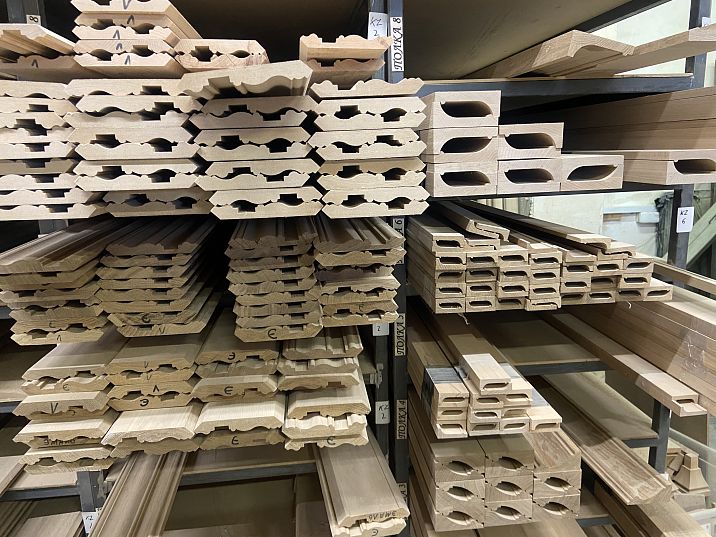
Wooden finishing has always been synonymous with coziness, warmth, and eternal natural beauty. In this process, even the most seemingly insignificant details — angles — are given special attention. It is precisely these angles that play a crucial role in creating a cohesive, harmonious, and functional interior. Well-executedangles for wooden paneling become the finishing touch that not only unifies the entire composition but also ensures the durability and aesthetic appeal of the finishing.
This article is devoted to a comprehensive examination of issues related to selecting, installing technology, and caring for angles for wooden paneling. We will discuss the specifics of application, historical traditions, modern wood processing technologies, and share practical tips for professionals and enthusiasts of quality interiors. Each aspect will be examined in detail, from both practical and aesthetic perspectives.
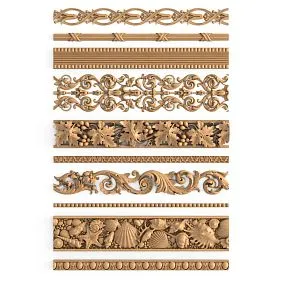


Significance of Angles in Wooden Finishing
When creating an interior from natural wood, every detail matters. Angles are the places where walls meet, where paneling boards connect, where even the slightest imperfections become noticeable. It is precisely here that gaps, unevenness, and defects often occur, which can spoil the overall appearance of the finishing. That is why using special angles for wooden paneling becomes a necessary step, allowing:
● Seal joints. Angles for wooden paneling tightly close the gaps between boards, preventing moisture, dust, and insects from entering. This is especially important in high-humidity rooms, where protecting wood is of primary importance.
● Provide mechanical protection. In areas where boards meet at an angle, they are most vulnerable to impacts and scratches. Angles serve as protective barriers, reducing the risk of mechanical damage and extending the lifespan of the finishing.
Finishing the interior's appearance. Well-executed corners give the interior a polished look, creating an impression of thoughtful and neat design. They become the element that unifies all decorative components into a cohesive composition.
Thus,angles for wooden paneling This is not just a technical solution, but an important design element capable of transforming space, making it visually cohesive and harmonious.




History of application and traditions of wooden finishing
The use of natural wood in construction and interior finishing has a multi-century history. Even in ancient times, craftsmen knew that properly executed joints and neat corners not only provide strength to structures but also aesthetic value. In traditional wooden architecture, great attention was paid to small details: carving, ornamentation, and decorative elements capable of highlighting the uniqueness of each house.
Over time, wood processing technologies have significantly improved, but the main principle has remained unchanged — to achieve the most natural and harmonious combination of functionality and beauty. Today, modern wooden panel corner pieces are manufactured using the latest technologies, allowing for perfect compatibility between traditional finishing methods and modern design solutions. As a result, every detail, from large panel boards to decorative corners, contributes to creating a unique interior where each element of the overall composition is valued.
Our factory also produces:


Modern production technologies for wooden panel corners
Manufacturing wooden panel corners is a complex and multi-stage process requiring the use of modern technologies and strict quality control. At every stage of production, special attention is paid to preserving the natural wood texture, ensuring material uniformity, and the longevity of the finished product.
Get Consultation
Drying and preparing wood
The first stage is careful wood drying. Low moisture content ensures the product will not deform over time. Modern production lines use innovative drying methods that allow achieving optimal indicators already at the initial processing stage. Prepared wood is cleaned of contaminants, sanded to perfect smoothness, and only then proceeds to further processing.
Precise cutting and shaping
Using modern laser and computerized machines allows manufacturing corners with maximum precision. This is especially important for decorative elements such as wooden panel corners, where every millimeter of inaccuracy may become noticeable during installation. Thanks to high-precision cutting, the products are perfectly flat, significantly simplifying their subsequent installation and ensuring a flawless appearance of the finished finish.
Finishing and protective coating
For increased durability and aesthetic qualities, finished products are coated with special finishes. There are several types of coatings:
● Lacquering. Lacquers create a glossy, even surface, protecting wood from moisture and mechanical damage. Lacquers can have matte or glossy finishes, allowing selection of the optimal variant for a specific interior.
● Oil finish. Oil enhances the natural wood texture, giving it a warm, natural appearance. This method of treatment allows preserving the material's "breathable" properties while creating a cozy atmosphere.
● Combined finish. In some cases, combined technologies are used, allowing achieving an optimal balance between aesthetics and protection. This approach guarantees that wooden panel corners will retain their original shape and appearance for many years.
Quality and certification
Modern manufacturers pay special attention to quality control at all production stages. Each product undergoes strict inspection, ensuring compliance with standards of durability, ecological safety, and aesthetic appeal. This allows customers to be confident that the decorative elements they purchase will please the eye and serve faithfully for many years.
Subtleties of choosing wooden panel corners
When choosing wooden panel corners, several key aspects should be considered to ensure the product fits perfectly into the overall interior design and provides maximum functionality.
Wood type and species
One of the most important criteria is selecting the wood species. For manufacturing corners, species such as pine, spruce, larch, or oak are commonly used. Each of these species has its own characteristics: some are distinguished by high strength, others by fine texture and light color. It is important that the corner material harmonizes with the main paneling, creating a unified, cohesive finish. The choice of species affects not only the appearance but also the product's resistance to mechanical damage and climatic influences.
Shape and dimensions
Wooden panel corners are produced in various shapes and sizes. The classic option is a straight profile, which ensures reliable joint coverage and creates a neat visual transition between panels. However, modern designers increasingly focus on products with decorative elements: carving, bevels, or elegant curves. Such options can become a striking accent in the interior, giving it individuality and expressiveness. The size of the product also plays an important role: too small corners will not reliably cover gaps, while overly large ones may overload the composition and disrupt the interior's balance.
Processing method and coating
The method of processing corners directly affects their appearance and durability. Lacquering provides gloss and protection, while oil finish highlights the natural wood texture. Combined technologies allow achieving maximum resistance to external influences while preserving the material's natural beauty. When choosing a coating method, consider the interior style and usage conditions: in residential spaces, prefer coatings providing high wear resistance, while in decorative applications, choose those that most emphasize the natural wood texture.
Technical specifications and compatibility
Wooden panel corners must be compatible with the main finish system's mounting system. This ensures no issues with fixation during installation, and the structure will withstand all mechanical and climatic loads. Pay attention to the type of fasteners recommended by the manufacturer, as well as the product's dimensions' compliance with industry standards.
Technology for installing wooden panel corners
Correct installation of corners is the key to not only aesthetic appeal but also the longevity of the entire finish. Whether you perform the work yourself or hire professionals, knowledge of the basic installation stages will help achieve an ideal result.
Base Preparation
Before beginning installation, it is essential to thoroughly prepare the surface: walls or ceilings must be flat, clean, and dry. Any irregularities should be eliminated using putty and sanding. This ensures reliable adhesion between the surface and decorative elements and prevents possible deformations in the future.
Accurate marking
Marking the installation positions of corners is done using a level, roulette, and pencil. This stage is critically important for achieving symmetry and visual harmony in the interior. Every line must be precisely marked, as even a small error can affect the final result. Accurate marking ensures even distribution of fasteners and prevents subsequent corrections.
Mounting and Fixing
For installing corners, special fasteners—screws, nails, or mounting adhesive—are used. The choice depends on the material of the main finish and the operating conditions. When using mechanical fasteners, it is important that they are as inconspicuous as possible after completion. Sometimes decorative plugs or putty are used to conceal fastener marks and preserve the design integrity. Mounting must be even and secure to avoid shifting or delamination of the structure.
Final finishing
After installation, corners undergo final processing: sanding, polishing, and application of protective coating. Final finishing not only improves the appearance of the item but also protects it from moisture, ultraviolet rays, and mechanical damage. Proper coating ensures that the decorative element retains its properties and aesthetic appearance for many years.
Aesthetic and Design Aspects of Using Corners for Wooden Paneling
In modern interior design, every detail matters, and corners for wooden paneling play one of the key roles in creating a finished and stylish space. They can not only conceal technical flaws and gaps but also become a striking decorative accent that highlights the interior’s individuality.
Harmony and Unity of Space
Corners unite separate finishing elements into a single composition, creating visual continuity. When wooden paneling boards are carefully connected using properly selected corners, the interior acquires a unified, monolithic appearance, where every detail contributes to overall harmony. This approach is especially important in large rooms, where lack of attention to details may lead to a sense of disconnection and chaos.
Play of light and shadow
Natural wood possesses a unique texture that, combined with properly executed corners, creates an interesting interplay of light and shadow. Reflection of light on the smooth surface of corners emphasizes the material’s relief, making the interior more volumetric and lively. This is especially relevant when using protective coatings, which enhance the natural wood gloss and add additional charm.
Possibilities of Combining with Other Decorative Elements
Corners for wooden paneling easily combine with door casings, moldings, and baseboards, allowing the creation of complex decorative compositions. This comprehensive approach enables the establishment of a unified architectural line, where each detail complements the other. As a result, the interior acquires not only functional completeness but also aesthetic expressiveness, highlighting a high level of design and attention to detail.
Adaptation to various interior styles
Regardless of whether the interior is styled in a classic design with rich carvings and ornaments or in a modern minimalist style with clean lines, corners for wooden paneling can be adapted to any concept. For classic interiors, items with refined decorative finishes are often chosen, while in modern solutions, preference is given to minimalist forms and strict lines. This universal approach makes corners for wooden paneling a popular choice among designers worldwide.
Care for Corners for Wooden Paneling
Like any element made of natural wood, corners require regular care to maintain their original appearance and functional characteristics. Following a few simple recommendations will help preserve the beauty and longevity of the item.
Regular cleaning
To remove dust and dirt, corners should be wiped with a soft cloth, avoiding aggressive cleaning agents that may damage the protective coating. Regular cleaning helps maintain the natural wood texture and prevents undesirable signs of wear.
Updating protective coating
Over time, the protective coating may lose its properties, especially under conditions of temperature and humidity fluctuations. It is recommended to periodically renew the varnish, oil, or paint to maintain the aesthetic and protective qualities of the corners. This approach not only extends the service life of the item but also maintains its appearance at a high level.
Controlling microclimate
Natural wood is sensitive to changes in humidity levels and temperature fluctuations. A stable microclimate in the room helps avoid wood shrinkage or cracking. Using air humidifiers and ensuring proper ventilation contribute to maintaining ideal conditions for the operation of wooden elements.
Practical Tips for Selection and Installation
To achieve an ideal result when usingangles for wooden paneling, follow these practical recommendations:
● Choose quality materials. Premium wood, subjected to strict quality control, is a guarantee of longevity and aesthetic appeal of the items.
● Follow the installation technology. Accurate marking, proper selection of fasteners, and careful surface preparation will help avoid unevenness and gaps, creating a harmonious and unified interior.
● Pay attention to style. Consider the overall interior concept when selecting the shape and finish of corners. Harmonious combination with the main paneling and other decorative elements will highlight the individuality of your space.
● Conduct regular maintenance. Adhering to cleaning rules and updating the protective coating will help preserve the appearance of the item for many years, ensuring its reliability and functionality.
Advantages of Using Corners for Wooden Paneling
Using special corners in wooden interior finishing brings many advantages, making this element indispensable in modern projects:
- Improved thermal and acoustic insulation. Closed gaps between boards prevent cold air and noise penetration, which is especially important during winter and in urban environments.
- Protection from external influences. Corners effectively protect joints from moisture, dust, and mechanical damage, contributing to increased durability of the finish.
- Aesthetic completeness of the interior. Well-executed corners give the room a finished look, making the interior neat and harmonious. They become an important design element that unites all decorative components into a single composition.
- Ease of installation and maintenance. Modern corners are easy to install and require minimal care, making them convenient to use even for DIY installation.
The impact of wooden panel corner pieces on the overall interior design
In modern interior design, attention is paid to every detail, and wooden panel corner pieces play a key role in creating the visual integrity of the space. They not only conceal technical flaws but also become an expressive decorative element that highlights the uniqueness and style of the room.
Correctly selected and properly installed corners can transform the space, making it brighter, more voluminous, and harmonious. The play of light and shadow on natural wood, enhanced by elegant corner lines, creates a unique atmosphere of coziness and elegance. It is precisely due to such elements that the interior acquires a character that distinguishes it from standard solutions and turns it into a true work of art.
Prospects and innovations in the production of wooden panel corner pieces
Modern technologies are constantly evolving, and the production of decorative elements from natural wood is continuously improving. Innovative processing methods allow creating corners that not only meet the strictest quality requirements but also possess unique decorative properties.
New laser cutting technologies, computer-aided design, and high-precision quality control methods allow achieving perfect compliance with modern standards. The use of eco-friendly protective coatings and the latest wood drying methods ensure that wooden panel corner pieces retain their natural beauty and functionality for decades.
Final Reflections
Wooden panel corner pieces are an essential part of quality wooden finishing, combining practicality, aesthetic completeness, and durability. They conceal gaps, protect against mechanical damage and moisture, and add completeness and unique charm to the interior. Choosing high-quality items manufactured using modern technologies is an investment in your home’s future, creating a space where every detail is thoughtfully considered.
Natural wood is a material that will never go out of style. Its natural texture, warm tones, and unique patterns can create an atmosphere of coziness and harmony unmatched by any synthetic materials.angles for wooden paneling — is the element that completes the composition, emphasizing the interior’s individuality and creating a sense of unity and order.
Thus, the proper use of wooden panel corner pieces is not merely a technical aspect of installation but an important element defining the character and aesthetics of the interior. They ensure durability, reliability, and beauty of the finish, transforming an ordinary space into a work of art where every detail contributes to harmony and coziness. Investing in quality items, paying attention to installation, and regular maintenance will allow your interior to retain its original beauty and functionality for decades.
Thus, the proper use of angles for wooden paneling is not merely a technical aspect of installation, but an important element that determines the character and aesthetics of the interior. They ensure durability, reliability, and beauty of the finish, transforming an ordinary space into a work of art, where every detail contributes to harmony and comfort. Investing in quality products, paying close attention to installation, and regular maintenance will allow your interior to retain its original beauty and functionality for decades.
Choose the best, trust professionals, and enjoy the result: a home finished with natural wood using exquisite decorative corner pieces will become a place you want to return to again and again — a place filled with warmth, natural harmony, and unique style.





