Article Contents:
- Anatomy of Perfection: What Makes a Handrail Ideal
- Ergonomics of Touch
- Materials science: choosing the foundation for longevity
- Technological Nuances of Manufacturing
- Precision Processing as the Basis of Quality
- Innovative Joining Methods
- Stylistic diversity: from classic to avant-garde
- Timeless Classic Solutions
- Modern Interpretations
- Technical aspects of installation
- Precision Marking as the Basis of Success
- New Generation Fastening Systems
- Protective coatings and final processing
- Modern Wood Protection Systems
- Innovative Surface Treatment Technologies
- Ergonomic Studies and Human Factors
- Anthropometric foundations of design
- Psychological Aspects of Perception
- Special requirements for different objects
- Public Buildings and Safety
- Private Homes and Individual Solutions
- Innovations and future development
- Smart technologies in stair constructions
- Eco-Trends
- Economic aspects of selection
- Cost of Ownership Analysis
- Cost Optimization Without Compromising Quality
- Quality Control and Standards
- Certification and Control Systems
- Warranty Obligations and Service
- Conclusion

Imagine a staircase without handrails. Bare vertical posts, lacking a finishing element, create a sense of incompleteness and discomfort. Exactly handrails under balusters transform a functional structure into an elegant architectural solution that not only ensures safety but also becomes a true interior decoration.
Every day, millions of people touch handrails without thinking about how crucial this element is for comfort and safety while moving. A properly selected handrail should fit perfectly in the hand, provide reliable support, and harmoniously blend with the overall staircase design. But how to find the one unique option among many that will become the ideal finishing touch for your staircase construction?


Anatomy of Perfection: What Makes a Handrail Ideal




Ergonomics of Touch
The human palm has a unique shape that determines the requirements for an ideal handrail. The optimal diameter of a round handrail is 50 millimeters – this size ensures comfortable grip for people of different ages and physical characteristics. This number is not random: it is based on anthropometric studies and long-term experience of staircase construction usage.
The cross-sectional shape plays a critical role in the perception of the handrail. A round cross-section is considered classic and most comfortable for gripping. Oval profiles add elegance but may be less comfortable for prolonged use. Rectangular sections with rounded corners combine a modern appearance with acceptable ergonomics.
The handrail surface must be perfectly smooth, without burrs, chips, or irregularities. Any defects not only spoil the appearance but can also cause injuries. Special attention is paid to joints and transitions – they must be executed with jewel-like precision.
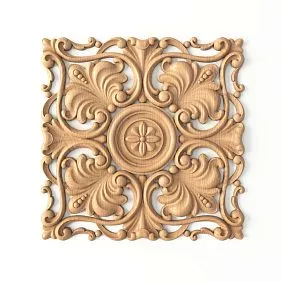
Our factory also produces:




Materials science: choosing the foundation for longevity
Wood remains the most popular material for making handrails due to its unique properties. Natural wood is pleasant to the touch, does not overheat or excessively cool, and possesses natural antibacterial properties. Various types of wood offer a wide palette of textures and shades.
Oak occupies the leading position among premium handrail materials. Its exceptional hardness and durability justify its high cost. Oak handrails can last for centuries, acquiring a noble patina over time. The expressive texture of oak creates a unique pattern that cannot be artificially reproduced.
Ash attracts designers with its light-colored wood featuring contrasting annual rings. This species combines high strength with relatively affordable pricing. Ash handrails are easily stained, allowing for unique color solutions tailored to specific interiors.
Get Consultation
Technological Nuances of Manufacturing
Precision Processing as the Basis of Quality
Modern handrail production requires high-precision equipment and flawless quality control. Each processing stage affects the final result, and even minor deviations can ruin the entire product. The process begins with careful selection of raw materials – the wood must be properly dried and free of defects.
Turning round handrails is performed on CNC machines, ensuring perfect geometry along the entire length of the product. The diameter tolerance must not exceed 0.5 millimeters; otherwise, the handrail will feel uneven upon touch.
Milling grooves for balusters requires special precision. The depth and width of the groove must precisely match the dimensions of the support elements, ensuring tight fit without gaps. Inaccuracies in this process lead to weakened structure and deteriorated appearance.
Innovative joining methods
Traditional mortise-and-tenon joints remain the gold standard for connecting wooden handrail elements. A properly executed tenon provides strength comparable to solid wood, while allowing the creation of complex configurations from individual elements.
Modern adhesives revolutionize joining technologies. Polyurethane adhesives create bonds stronger than the wood itself. They retain elasticity, compensating for material thermal deformations.
Hidden metal fasteners provide additional strength without compromising aesthetics. Special bolts and anchors, invisible from the outside, create a reliable connection between handrail elements and support posts.
Stylistic diversity: from classic to avant-garde
Timeless classic solutions
Classic handrail design implies strict proportions and restrained decoration. The foundation of a classic handrail is proper geometric forms, emphasizing the architectural logic of the entire structure. A round cross-section with a diameter of 50-60 millimeters is considered canonical for most interiors.
Moldings and profiled elements add elegance to classic handrails. Thin grooves, barely noticeable protrusions, smooth transitions in diameter create play of light and shadow, animating the surface. These details require the highest level of craftsmanship.
Color solutions in classic style lean toward natural wood tones. Noble tones of oak, warm hues of walnut, refined palette of cherry wood — all of this creates an atmosphere of respectability and taste.
Modern Interpretations
Minimalism in handrail design implies maximum simplification of forms while preserving functionality. Simple geometric profiles, absence of decorative elements, emphasis on material quality and precision finishing — these are the principles of modern approach.
Asymmetric profiles are becoming increasingly popular in avant-garde interiors. Handrails of complex shapes, resembling natural objects or abstract sculptures, transform stairs into art objects. Such solutions require the use of advanced processing technologies.
Combining materials opens new possibilities for designers. Combining wood with metal, glass, stone creates unique visual effects. Contrast of textures and colors highlights the individuality of each element.
Technical aspects of installation
Precision marking as the foundation of success
Quality installation handrails under balusters It begins with precise marking. Each fastening point must be calculated taking into account the geometry of the staircase, location of support posts, and safety requirements. Errors in marking cannot be corrected without complete rework.
Laser levels ensure ideal accuracy when creating base lines. Modern instruments allow projecting lines onto any surface with an error of less than a millimeter. This is critically important for long handrails, where minor deviations accumulate and become noticeable.
Templates and guides help ensure repeatability of operations during serial assembly. Special fixtures allow precise positioning of fastening elements and eliminate human error during critical operations.
New-generation fastening systems
Traditional screws and self-tapping screws are gradually being replaced by more advanced fastening systems. Special wood anchors provide secure fixation without risking material cracking. Their design takes into account the characteristics of wood fibers and load directions.
Hidden fasteners preserve handrail aesthetics, making connection points invisible. Magnetic systems allow creating disassemblable structures for maintenance and repair. Pneumatic fasteners ensure even load distribution.
Compensatory elements account for material thermal deformations. Elastic gaskets and movable joints allow handrails to expand and contract freely without developing internal stresses.
Protective coatings and final finishing
Modern wood protection systems
The longevity of wooden handrails largely depends on the quality of protective treatment. Modern coating systems provide comprehensive protection against moisture, ultraviolet radiation, mechanical damage, and biological factors. Multi-layer systems create a reliable barrier, preserving the beauty of wood for decades.
Deep-penetration primers strengthen surface layers of wood and provide better adhesion for finish coatings. Modern primers contain antiseptic additives that prevent mold and mildew growth.
Finish coatings serve both protective and decorative functions. Oil-based compositions highlight the natural wood texture, creating a warm matte surface. Lacquer systems provide maximum protection against wear, but may alter tactile sensations.
Innovative surface treatment technologies
Nanotechnology opens new possibilities for protecting wooden handrails. Nanoparticles in coatings create an invisible protective film that repels water and contaminants. Such coatings self-clean under the influence of rain and sunlight.
Photocatalytic coatings break down organic contaminants under light exposure. This is especially relevant for handrails in public areas, where surface hygiene is crucial.
Antibacterial additives in coatings prevent proliferation of pathogenic microorganisms. Silver and copper ions create a sterile surface, which is critically important in medical facilities and kindergartens.
Ergonomic studies and human factors
Anthropometric foundations of design
Handrail design is based on a deep understanding of human hand anatomy and biomechanics of movement. Palm size, grip strength, finger bending angle — all these parameters influence the optimal handrail shape. Studies show that a round handrail with a diameter of 45-55 millimeters provides the most comfortable grip for 95% of the adult population.
Handrail height is critically important for user comfort. The standard height of 900 millimeters suits people of average height, but may be uncomfortable for very tall or short users. In childcare facilities, additional handrails are installed at a height of 500-600 millimeters.
The handrail's incline angle must match the staircase's incline angle. Deviations from parallelism create discomfort and may cause loss of balance. Modern fastening systems allow precise adjustment of installation angle.
Psychological Aspects of Perception
Handrail color affects psychological perception of the staircase. Dark tones create a sense of reliability and stability, but may visually weigh down the structure. Light tones add lightness, but require more careful maintenance.
Surface texture also affects perception. Smooth surfaces are associated with modernity and advanced technology. Slightly rough textures create a sense of naturalness and warmth.
The contrast between handrails and surrounding elements is important for people with impaired vision. Sufficient color contrast helps better navigate stairs and reduces the risk of falls.
Special requirements for different objects
Public Buildings and Safety
Handrails in public buildings must meet strict safety and accessibility requirements. They must withstand significant loads, be vandal-resistant, and be easy to sanitize. Materials must be non-combustible or treated with fire retardants.
Hospitals and medical facilities have special requirements for the hygiene of handrails. Surfaces must be easily disinfectable, free of pores and gaps where bacteria can accumulate. Special antibacterial coatings have become standard for such facilities.
Childcare facilities require special attention to the safety of materials. Handrails must be made of eco-friendly materials, free of toxic substances, with rounded edges and no sharp corners.
Private Homes and Individual Solutions
In private homes Handrails for Balusters can be adapted to individual owners' needs. Factors such as family members' height, health conditions, and aesthetic preferences are considered. Non-standard solutions, which are not permitted in public buildings, are possible.
Elderly people require especially reliable handrails with increased diameter for better grip. Additional handrails on walls provide extra support when ascending or descending.
Families with young children can install removable handrails at child height. Such systems are easily dismantled as children grow, leaving no marks on the main structure.
Innovations and future development
Smart Technologies in Staircase Construction
Integrating electronic systems into handrails opens new possibilities for enhancing comfort and safety. Built-in motion sensors can automatically turn on lighting when a person approaches the stairs. This is especially relevant at night.
Heated handrail systems prevent icing on outdoor staircases during winter. Low-voltage heating elements, integrated into the structure, maintain a comfortable surface temperature.
Wireless charging for mobile devices, integrated into handrails, is becoming popular in modern interiors. Special zones on the handrail allow charging smartphones and tablets with simple touch.
Ecological trends
Sustainability is becoming a priority in the production of building materials. FSC certification guarantees that the wood comes from responsibly managed forests. Consumers increasingly choose products with eco-certifications.
Recycling wooden handrails at the end of their service life is becoming an important factor in selection. Materials that can be fully recycled gain an advantage over traditional alternatives.
Local production reduces the carbon footprint from transportation. Using local wood species supports regional economies and reduces environmental impact.
Economic aspects of selection
Analysis of ownership cost
The initial cost of handrails constitutes only part of the total expenses for their operation. High-quality handrails made of hardwood cost more but last significantly longer and require minimal maintenance. Inexpensive alternatives often require replacement within a few years.
Maintenance costs include periodic renewal of protective coatings, minor repairs, and replacement of worn elements. High-quality handrails with good protective coatings require minimal intervention for decades.
The impact on property value should also be considered when selecting handrails. High-quality stair constructions increase the attractiveness of a property to potential buyers and can significantly increase its market value.
Cost optimization without compromising quality
Standardizing dimensions and profiles allows reducing production costs. Using standard solutions is cheaper than custom manufacturing, but limits design possibilities.
Order volume significantly affects the price. Manufacturers offer substantial discounts for large volumes. This is relevant for developers and property management companies.
Choosing the optimal price-to-quality ratio requires professional consultation. Experienced specialists will help find a solution that meets functional and aesthetic requirements at a reasonable cost.
Quality Control and Standards
Certification and Control Systems
Handrail quality must meet strict safety and durability standards. Certification according to GOST and international standards confirms compliance with established requirements. Independent testing laboratories conduct comprehensive tests for strength, wear resistance, and ecological safety.
Incoming raw material inspection includes checking wood moisture, absence of defects, and compliance with grade specifications. Only materials passing strict selection are allowed for production. Automated sorting systems eliminate human factors in quality assessment.
Intermediate control at each production stage ensures compliance with technological requirements. Geometric parameters are checked using high-precision measuring instruments. Surface finish quality is assessed visually and tactilely.
Warranty Obligations and Service
Extended warranty obligations indicate the manufacturer's confidence in the quality of their product. Warranty for high-quality wooden handrails may be 5-10 years under proper usage conditions.
Service maintenance includes advice on care, supply of maintenance consumables, and warranty repairs. Quality service extends the lifespan of products and maintains their original appearance.
Training installers in proper installation techniques reduces defects and complaints. Certified installers guarantee compliance with all installation technology requirements.
Conclusion
Choosing the ideal handrail under balusters It is an art requiring a deep understanding of technical, aesthetic, and ergonomic aspects. Each element of the staircase structure must work in harmony with the others, creating a unified whole that serves not only functional purposes but also delights the eye with its beauty.
Modern wood production and processing technologies open up limitless possibilities for creating unique handrails that will become a true decoration of any interior. From classic forms to avant-garde solutions — everyone can find a variant that perfectly fits the design concept.
Investments in quality handrails pay off with long service life, safety of use, and aesthetic pleasure. Properly selected and professionally installed handrails serve for decades, requiring no serious maintenance or replacement.
Choosing handrails: important considerations for selecting handrails that will turn your staircase into a work of architectural art | STAVROS Company