Article Contents:
- 1. Historical roots and evolution of curved wooden legs
- 1.1 Origin of the tradition
- 1.2 Development during the Renaissance and classical era
- 1.3 Modern perspective: combination of traditions and innovations
- 2.1 Traditional handcrafting methods
- 2.2 Modern technologies and automation
- 2.3 Eco-friendly approach in production
- 3.1 Aesthetic expressiveness
- 3.2 Enhanced durability and longevity
- 3.3 Universality and adaptability
- 3.4 Ecological safety
- 4.1 In countertops and dining tables
- 4.2 In chairs and armchairs
- 4.3 In consoles, chests, and other furniture items
- 4.4 Examples of combining with other decorative elements
- 5.1 Finding a Reliable Supplier
- 5.2 Key Selection Criteria
- 5.3 Custom orders and professional consultations
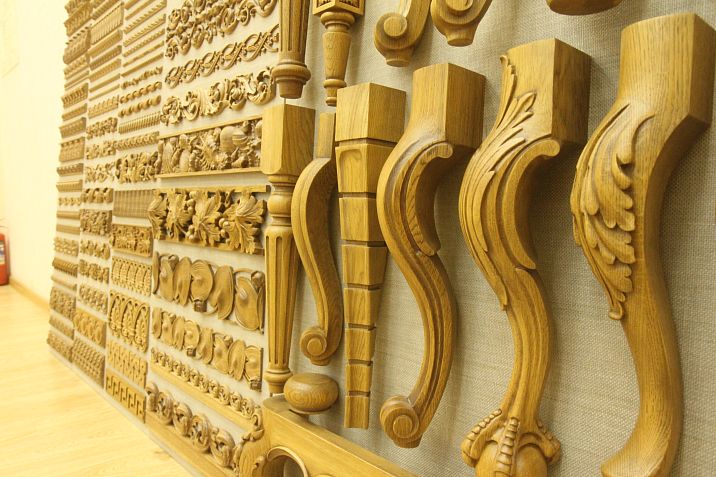
Curved wooden legs are not just functional supports for furniture, but a true embodiment of craft traditions, artistic skill, and modern woodworking technologies. These curved elements add refinement, elegance, and dynamism to natural wood products, becoming a striking accent in any interior. In this article, we will thoroughly examine the history of curved wooden legs, methods of their production, and, most importantly, their wide application in furniture—from classic to modern pieces.


1. Historical roots and evolution of curved wooden legs




1.1 Origin of the tradition
Curved wooden legs appeared even in ancient times, when masters of ancient Greek and Roman cultures began experimenting with wood forms. At that time, the pursuit of ideal symmetry, harmony, and beauty led to the emergence of the first examples of curved supports, which not only fulfilled a utilitarian function but also served as artistic elements of furniture decoration. These early examples laid the foundation for traditions that evolved and refined over time.
Our factory also produces:


1.2 Development during the Renaissance and classical era
With the arrival of the Renaissance, wood processing methods significantly improved. Masters learned to use steam bending to create smooth and elegant curves without compromising material strength. In the 18th–19th centuries, curved legs became an indispensable part of furniture in aristocratic homes, tables, chairs, and armchairs. These items stood out with rich decorative finishes, carving, moldings, and inlays, giving furniture a refined appearance and reflecting the high level of craftsmanship of artisans.
Get Consultation
1.3 Modern perspective: combination of traditions and innovations
In modern furniture design, curved wooden legs remain relevant due to the skillful combination of traditional craftsmanship techniques and the latest technological solutions. Today, masters use both time-tested handcrafting methods and modern technologies such as laser cutting and computer modeling to create legs with perfect curves and complex decorative elements. This synthesis allows achieving not only high aesthetic expressiveness but also reliability, durability, and functionality, which is especially important for modern furniture.
2. Technologies for manufacturing bent wooden legs
2.1 Traditional manual processing methods
The basis for manufacturing bent wooden legs is natural wood subjected to special processing to impart flexibility. One of the classic methods is steam bending, where the wood is placed in a steam chamber. Under the influence of steam, it becomes soft and easily bends, allowing the craftsman to carefully shape it to the desired form. Afterward, the item is fixed using adhesive compounds and special presses. Additionally, hand carving and decorative finishing are applied, giving the legs a unique ornamentation and individuality.
2.2 Modern technologies and automation
Modern production of bent legs includes the use of laser cutting and computer modeling, enabling high precision and repeatability of shapes. Automated quality control lines ensure consistent compliance of each part with specified standards. At the same time, traditional manual methods are preserved to impart individuality and artistic expression to the product. This combination of technologies allows creating bent wooden legs that are not only aesthetically appealing but also highly durable and long-lasting.
2.3 Eco-friendly production approach
Modern consumers are increasingly paying attention to the ecological nature of products. In manufacturing bent wooden legs, natural wood obtained in accordance with sustainable development principles is used. Environmentally friendly dyes, natural oils, and waxes are applied for wood treatment and protection, preserving its natural beauty and longevity. This approach not only ensures high product quality but also meets modern environmental protection requirements, making the purchase an ecologically safe and responsible choice.
3. Advantages of bent wooden legs
3.1 Aesthetic expressiveness
Bent wooden legs are a striking accent capable of transforming any piece of furniture. Smooth lines, elegant curves, and decorative finishing create a sense of movement and lightness, making tables, chairs, armchairs, and other furniture truly unique. Such legs can become a central element of interior design, drawing attention with their refinement and artistic expressiveness. Their aesthetic appeal is especially valued in classic and modern interiors, where they become a symbol of refined taste and sophistication.
3.2 Enhanced durability and longevity
One of the key advantages of bent wooden legs is their ability to evenly distribute load. Thanks to this, tables and chairs equipped with such legs exhibit enhanced stability and longevity. This is especially important for furniture used daily, where structural stability directly affects comfort and safety. Furniture legs designed with optimal geometry provide reliable support, preventing deformation and wear, making the products reliable and practical in use.
3.3 Universality and Adaptability
Bent wooden legs for furniture possess high versatility. They easily fit into interiors of any style—from classic to modernism, from minimalism to eclecticism. Due to their versatility, such legs can be used in a wide variety of furniture items—from tables and chairs to sofas and armchairs. Their adaptability allows creating unique design solutions that reflect the individuality of each interior. Regardless of the style you prefer, bent legs will always harmonize with other furniture elements, emphasizing its high quality and refinement.
3.4 Environmental safety
Production of bent wooden legs is carried out using natural and eco-friendly materials. The natural wood used in manufacturing is processed in accordance with strict ecological standards, ensuring the safety of the product for health and the environment. Such an eco-friendly approach is becoming increasingly important for modern consumers who strive to make choices in favor of sustainable and responsible solutions. By purchasing bent wooden legs, you not only invest in quality and longevity but also support eco-friendly production.
4. Application of bent wooden legs in furniture
4.1 In tabletops and dining tables
Bent wooden legs play an important role in decorating tables, giving them lightness and elegance. For example, a table with bent legs becomes not just a piece of furniture, but a central element of the dining area, attracting attention with its smooth lines and artistic expressiveness. Such tables can be used in both classic interiors and modern spaces, where they create a sense of lightness and dynamism. An example isTable Versailles, where bent legs emphasize the elegance of the design and add refinement to the furniture.
4.2 In chairs and armchairs
Bent legs for chairs and armchairs are an element capable of making any seat unique and comfortable. Their elegant curves provide not only aesthetic appeal but also enhanced structural stability. Such legs help evenly distribute load, making chairs comfortable even with prolonged use. They can be used in both classic and modern models, adding dynamism and expressiveness to furniture. Masterfully crafted legs for furniture become a striking accent capable of transforming the appearance of the item and creating a sense of lightness and refinement.
4.3 In consoles, chests, and other furniture items
Bent wooden legs find wide application not only in tables and chairs but also in other furniture items. Consoles, chests, side tables, and even beds can be equipped with such legs, which impart elegance and artistic expressiveness to the item. For example,Console Marseilles demonstrates how bent legs can become a central design element, emphasizing the elegance of the item and giving it a distinctive charm. Such solutions allow creating cohesive furniture ensembles, where each detail contributes to creating a harmonious and stylish interior.
4.4 Examples of combining with other decorative elements
Bent wooden legs easily combine with other decorative elements, such as wrought iron details, metal inserts, glass elements, and even modern textile solutions. Such combinations allow creating unique interior solutions where traditional motifs interweave with modern accents. Combining bent legs with various materials allows achieving an effective contrast and highlighting the individuality of each piece of furniture, creating a space filled with light, dynamism, and refinement.
5. Practical recommendations for selecting and purchasing bent wooden legs
5.1 Finding a Reliable Supplier
If you have decidedbuy bent legs for furnitureFirst, it is important to find a reliable supplier who guarantees high product quality. Reliable manufacturers use only premium natural wood and apply both traditional craftsmanship methods and modern processing technologies. Before purchasing, it is recommended to review customer feedback, examine the portfolio, and visit demonstration halls to personally verify the product quality.
5.2 Key Selection Criteria
When selecting bent wooden legs, pay attention to the following aspects:
● Material quality. Natural wood should be of high quality, free of knots and defects, to ensure the strength and durability of the item.
● Processing methods. Find out whether traditional methods such as steam bending and hand shaping are used, or modern technologies like laser cutting. This is important for evaluating the precision and artistic expression of the legs.
● Decorative finishing. Pay attention to the quality of decorative elements: hand-carved details, moldings, and other features should be executed carefully and with maximum precision.
● Dimensions and compatibility. Check whether the selected legs match the size and structural features of your furniture, whether tables, chairs, or other interior items.
5.3 Custom orders and professional consultations
To achieve the best result, it is recommended to consult professional interior designers who will help adapt bent legs to the specific requirements of your space. Many manufacturers offer the option to produce legs to custom orders, allowing you to create unique items fully matching your needs and interior style. Consulting a specialist will help you choose optimal options and avoid potential errors during installation or when combining with other furniture elements.
6. Conclusion
Bent wooden legs are a striking example of how even a small detail can dramatically transform furniture, giving it elegance, dynamism, and refinement. They combine centuries-old craftsmanship traditions with modern technologies, becoming an indispensable part of design valued for its uniqueness and high quality. Whether you need to update tables, chairs, consoles, or other furniture items, bent legs for furniture can turn every piece into a work of art.
If you dream of creating an interior filled with light, harmony, and timeless beauty, choose high-quality bent wooden legs. They not only adorn your furniture but also ensure its high functionality, stability, and durability. To explore the selection,Buy bent legs for furniture visit trusted suppliers who combine tradition and innovation in every item.
Study examples such asTable Versailles andConsole Versaillesto see how bent legs transform furniture, making it the focal point in any interior. Bent wooden legs are not just supports—they are style elements that give your furniture individuality, refinement, and elegance.
Let every detail of your interior, whether furniture legs, furniture supports, or furniture bases, become a manifestation of refined taste, craftsmanship, and care for the environment. Choose bent wooden legs, invest in quality, and enjoy every moment spent in your home, where every detail is created with love, attention to tradition, and a pursuit of perfection.