Article Contents:
- The revolution of polyurethane reliefs in modern decor
- Technological advantages of modern reliefs
- Variety of stylistic solutions
- Functional aspects of using reliefs
- Criteria for Professional Selection
- Installation and mounting technologies
- Innovative solutions in relief design
- Economic aspects of selection
- Trends in the relief market development
- Practical Recommendations for Selection and Purchase
- Care and Maintenance Features
- Integration of reliefs into various interior styles
- Psychological impact of reliefs
- Regional market characteristics
- The future of decorative reliefs
- Conclusion
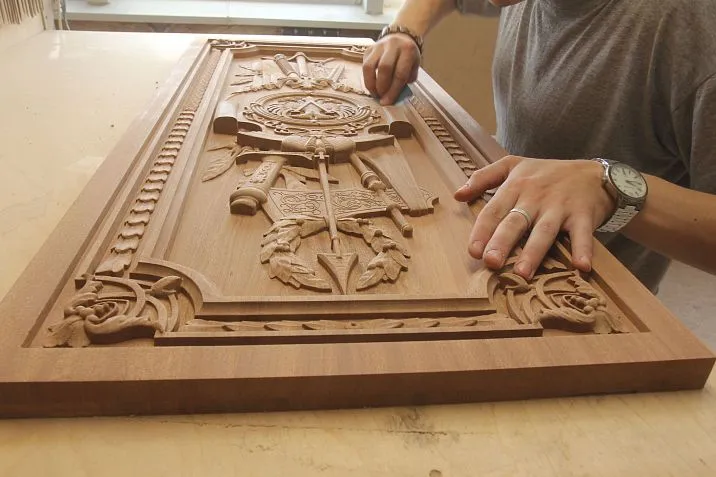
The rapid evolution of modern interior design has opened new horizons for applying classical decorative elements. Reliefs occupy a special place in this palette — exquisite sculptural works capable of radically transforming any space. If you plan to buy a wall relief, diving into the world of modern materials will be an exciting journey through the territory of boundless design solutions.
In the era of technological progress, reliefs have acquired a new life thanks to innovative materials and advanced manufacturing methods. Modern items combine the aesthetic perfection of classical samples with practicality and accessibility, making art accessible to every homeowner.



The revolution of polyurethane reliefs in modern decor
Traditional perceptions of reliefs as expensive plaster or stone items have fundamentally changed with the advent of polyurethane technologies. Polyurethane is a high-tech material possessing unique characteristics that make it an ideal choice for creating decorative elements.
Polyurethane reliefs are exceptionally lightweight — their weight is only one-tenth that of traditional plaster analogs. This quality opens up limitless possibilities for placing decorative elements even on gypsum board structures or insulated walls, where traditional heavy moldings would be inapplicable.
The material demonstrates outstanding resistance to mechanical impacts — a properly mounted polyurethane relief can withstand the weight of an adult person. Such strength combines with plasticity, allowing the creation of complex curved forms and detailed ornaments.
A key advantage of polyurethane is its fire safety. When exposed to high temperatures, the material melts but does not ignite, meeting modern fire safety requirements for residential spaces.




Technological advantages of modern reliefs
The casting process in molds ensures the highest surface quality of finished items. Modern technologies allow reproducing the finest ornament details with micron precision, creating items indistinguishable from those crafted by artisans of past eras.
Polyurethane reliefs have natural resistance to moisture, making them suitable for rooms with high humidity — bathrooms, kitchens, winter gardens. The material does not absorb foreign odors and does not attract dust, significantly simplifying maintenance of decorative elements.
The hygienic safety of polyurethane is confirmed by numerous studies. The material does not create a favorable environment for the growth of fungi, mold, or other microorganisms, which is especially important for rooms with limited ventilation.
The durability of polyurethane items exceeds 15 years of active use without loss of initial aesthetic and technical characteristics. This makes investments in quality reliefs economically justified in the long term.
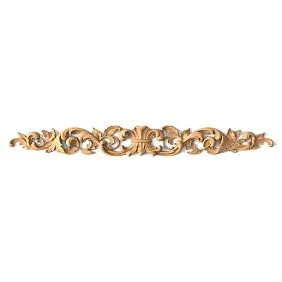
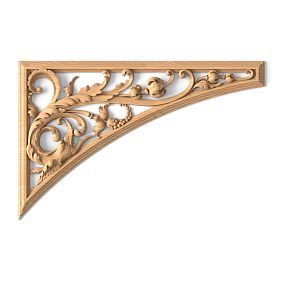
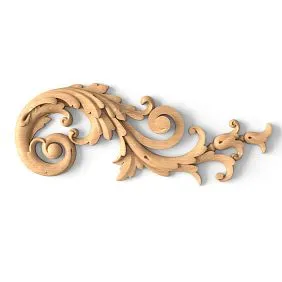
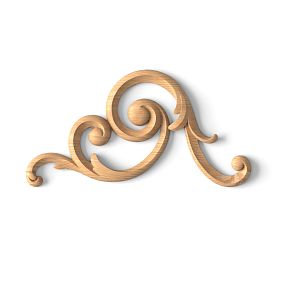
Our factory also produces:



Variety of stylistic solutions
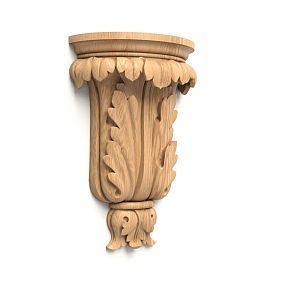
The modern market offers reliefs in a wide range of stylistic directions. Classical compositions with antique motifs coexist with avant-garde abstract forms, creating a rich palette of choices for any interior solution.
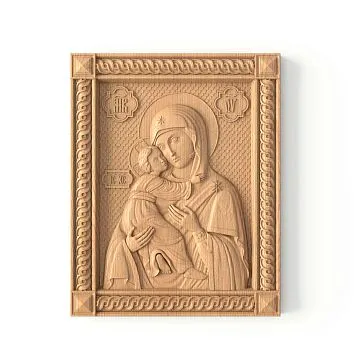
Historical styles remain popular among admirers of traditional aesthetics. Reliefs depicting mythological characters, heraldic symbols, botanical ornaments in Baroque or Rococo styles add grandeur and aristocracy to interiors. Items featuring lion mask motifs — symbols of strength and nobility — are especially popular.
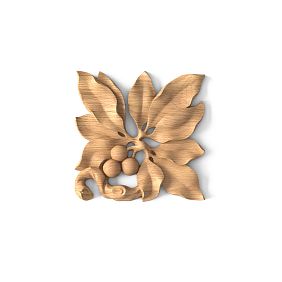
Natural motifs are represented by a wide range of botanical compositions. Roses, leaves, floral bouquets executed in relief technique bring a sense of freshness and harmony with nature into interiors. Such items look especially harmonious in country houses and apartments in Provence or country styles.
Modern abstract forms offer a new interpretation of classical relief art. Geometric compositions, stylized natural elements, conceptual installations allow creating unique interiors in the spirit of modern minimalism or high-tech.
Get Consultation
Functional aspects of using reliefs
Modern reliefs perform numerous functions far beyond simple decoration. Properly selected and placed elements can visually correct room proportions, create focal zones, and mask structural flaws.
Zoning of space — one of the key functions of large relief compositions. Placed at the boundaries of functional zones, they create visual separation without using partitions, preserving the sense of space and unity.
Accentuating architectural elements allows highlighting the expressiveness of columns, arches, niches, fireplace portals. Reliefs integrate organically into architectural composition, enhancing its artistic impact.
Masking engineering communications — a practical function, especially relevant in modern interiors. Thoughtfully placed reliefs can conceal ducts, cable runs, and air conditioning components, transforming technical shortcomings into artistic assets.
If you decided Buy relief for wallIt is important to consider all these functional aspects for the most effective use of the decorative potential of the item.
Criteria for professional selection
When selecting a relief, professional designers consider numerous factors that determine the successful integration of the decorative element into the interior composition.
Proportional harmony is the primary criterion for selection. The size of the relief must harmonize with the proportions of the room and surrounding objects. Too large elements in small rooms create a sense of confinement, while small ones in spacious halls become lost and fail to make the desired impression.
Stylistic compatibility requires a deep understanding of the characteristics of various design directions. The relief must fit organically into the overall interior concept, support and develop the established theme, without creating stylistic dissonance.
Color harmony plays a decisive role in the perception of the decorative element. Modern polyurethane reliefs can be painted in any color, opening up limitless possibilities for creating an ideal color balance.
The level of detail determines the artistic value of the item. The clarity of ornament outlines, depth of relief, surface quality — all these parameters influence the final result and the longevity of the decorative effect.
Installation technologies and methods
Modern installation methods for reliefs have significantly simplified due to advancements in adhesive technologies and the lightweight nature of polyurethane products. Proper installation ensures not only secure mounting but also the longevity of the decorative effect.
Surface preparation is a critically important stage. The wall must be cleaned of old coatings, leveled, and primed with special compounds. The quality of preparation directly affects the strength of the adhesive bond.
The choice of adhesive system depends on the type of substrate and operating conditions. For interior use, polyurethane adhesives are applied, providing an elastic bond. For spaces with high humidity, moisture-resistant compositions are used.
The application technology of adhesive requires strict adherence to the manufacturer's recommendations. Even distribution of the adhesive on the back of the relief ensures reliable bonding across the entire contact area.
Positioning and fixation are performed using marking tools and temporary fasteners. Correct initial positioning is critically important, as adjusting the position after the adhesive has set becomes impossible.
Innovative solutions in relief design
Modern technologies have opened new possibilities for creating unique decorative solutions. Combining various materials, applying special coatings, and integrating lighting elements transform traditional reliefs into high-tech art objects.
3D printing and computer modeling allow creating reliefs according to individual projects. Clients can obtain absolutely unique items that precisely match their tastes and interior requirements.
Integrating lighting transforms reliefs into dynamic decorative elements. Hidden backlighting emphasizes the image's volume, creating an eye-catching interplay of light and shadow that changes depending on the time of day and the residents' mood.
Combined materials expand artistic possibilities. Combining polyurethane with metallic elements, natural stone, and glass creates multi-layered compositions rich in textures and color transitions.
Economic aspects of selection
Investments in quality reliefs should be viewed in the long-term perspective. Initial costs are recouped through the longevity of the items, minimal maintenance requirements, and the ability to refresh the interior without major renovations.
The pricing structure of the market demonstrates a wide range of offerings — from budget series items to exclusive custom works. Polyurethane reliefs are significantly more affordable than traditional plaster or stone equivalents, offering comparable aesthetic qualities.
Cost savings on installation are achieved through the ease of installing polyurethane items. The absence of need for specialized tools and highly skilled specialists reduces the overall project cost.
Energy efficiency is demonstrated by the additional thermal insulation properties of polyurethane elements. Installed on exterior walls, reliefs create an additional thermal insulation layer, helping to reduce heating energy consumption.
Trends in the relief market development
The modern decorative relief market demonstrates steady growth and diversification of offerings. Manufacturers actively invest in developing new designs, improving technologies, and expanding product ranges.
Product personalization is becoming a key trend. Consumers increasingly seek items specifically designed for their interiors. Digital design and manufacturing technologies make such orders economically viable even for private buyers.
Ecological safety of materials is gaining increasing importance. Manufacturers of polyurethane reliefs actively work on developing eco-friendly compositions that meet the strictest international standards.
Integration with smart technologies opens new prospects. Reliefs with built-in sensors, lighting systems, and sound elements become part of the "smart home" concept.
Practical recommendations for selection and purchase
Successful purchase of a relief requires a systematic approach and consideration of multiple factors. Professional designers recommend starting with an analysis of the room's characteristics and clearly defining the functional tasks of the decorative element.
Pre-planning includes creating a detailed placement plan with exact dimensions and proportions. Using computer visualization programs allows seeing the result before actual purchase and installation.
Studying manufacturers helps select the most reliable supplier. Company reputation, quality of materials used, presence of warranty obligations — all these factors affect the durability and aesthetic characteristics of the purchased item.
Consulting with specialists is especially important when choosing complex compositions or non-standard solutions. Experienced designers will help avoid typical mistakes and maximize the decorative potential of reliefs.
Before buy reliefs for the wall, it is recommended to carefully study all available options and consult with professionals.
Care and Usage Characteristics
Proper care of polyurethane reliefs ensures their original appearance for many years. Ease of maintenance is one of the key advantages of modern decorative elements.
Regular cleaning involves removing dust with a soft brush or vacuum cleaner with a brush attachment. Cleaning frequency depends on usage conditions and is typically once a month for residential spaces.
Wet cleaning is allowed using mild cleaning solutions. It is important to avoid aggressive chemicals that may damage the material surface or compromise the adhesion of protective coatings.
Protection against mechanical damage does not require special measures due to the high strength of polyurethane. However, it is advisable to avoid impacts from sharp objects that may leave marks on the surface.
Periodic coating renewal may be required after 8-10 years of intensive use. Modern lacquer and paint materials allow for complete restoration of the original appearance of the item.
Integration of reliefs into various interior styles
The versatility of modern reliefs is demonstrated by their ability to harmoniously fit into the most diverse stylistic directions. Each style imposes specific requirements on the form, dimensions, and color solution of decorative elements.
The classical style is traditionally considered an ideal environment for reliefs. Strict proportions, noble materials, restrained color palette create perfect conditions for showcasing sculptural elements. Preference is given to reliefs with historical motifs, heraldic symbols, and portrait imagery.
Modern minimalism requires a special approach to selecting decorative elements. Simple forms, clear lines, minimal details — reliefs in this style should support the overall philosophy of simplicity and functionality. Popular are abstract compositions, geometric patterns, stylized natural motifs.
Eclectic interiors provide maximum freedom for creative experimentation. Combining elements from different eras and styles creates unique compositions, where reliefs can serve as a unifying element or a striking accent.
Psychological impact of reliefs
The influence of decorative elements on a person's psychological state is a scientifically proven fact. Reliefs, as three-dimensional artworks, exert particularly strong effects on spatial perception and the emotional state of people within them.
Creating an atmosphere is one of the primary functions of decorative elements. Reliefs depicting natural motifs promote relaxation and reduce stress. Geometric compositions stimulate mental activity and concentration.
Visual correction of space allows altering the perception of room dimensions and proportions. Vertically oriented reliefs visually increase ceiling height, while horizontal compositions expand narrow spaces.
Creating focal points helps organize the visual hierarchy of the interior. A properly placed relief becomes the center of composition, around which the rest of the decor is arranged.
Solution buy relief for the wall cheaply should not be based solely on price considerations — it is important to consider all aspects of the decorative element's impact on the overall atmosphere of the room.
Regional market specifics
The Russian market for decorative reliefs has specific features related to climatic conditions, cultural preferences, and economic factors.
Climate requirements in Russian conditions impose higher demands on material frost resistance and temperature stability. Polyurethane reliefs fully meet these requirements, maintaining their properties within a temperature range from -40 to +80 degrees Celsius.
Russian consumers' cultural preferences reflect the rich traditions of domestic art. Reliefs depicting Russian nature, folklore motifs, and historical scenes are particularly popular.
Logistical features of the country's vast territory require special attention to packaging and transportation of items. Modern polyurethane reliefs easily withstand long-distance transport without compromising quality.
The future of decorative reliefs
Technological advancements open new prospects for the evolution of relief art. Innovative materials, digital manufacturing technologies, integration with smart home systems — all of this shapes the appearance of decorative elements of the future.
Smart materials with changing properties will allow creating reliefs that adapt to environmental conditions. Thermochromic coatings will change color depending on temperature, photochromic coatings — depending on lighting.
Virtual and augmented reality will open new possibilities for preliminary visualization and interactive engagement with decorative elements. Buyers will be able to see how the relief will look in their interior even before purchase.
Ecological technologies will play an increasingly important role in the production of decorative elements. Biodegradable materials, waste recycling, minimizing carbon footprint — these principles will become industry standards.
Conclusion
The modern market of decorative reliefs offers unprecedented opportunities for creating unique interior solutions. Polyurethane technologies have made high art accessible to a broad range of consumers, without compromising the quality and aesthetic characteristics of the products.
Choosing a relief requires a comprehensive approach, taking into account the characteristics of the room, stylistic preferences, functional requirements, and budget constraints. Investments in quality decorative elements pay off through longevity, versatility of use, and the ability to refresh the interior without major renovation.
When you decide to buy wall reliefsRemember that this is an investment not only in the beauty of your home, but also in creating a unique atmosphere that reflects your personal taste and life philosophy.
Technological innovations continue to expand the possibilities of using reliefs in modern interiors. Integration with lighting systems, use of smart materials, personalization of design — all this makes decorative elements not just ornaments, but functional parts of living space.
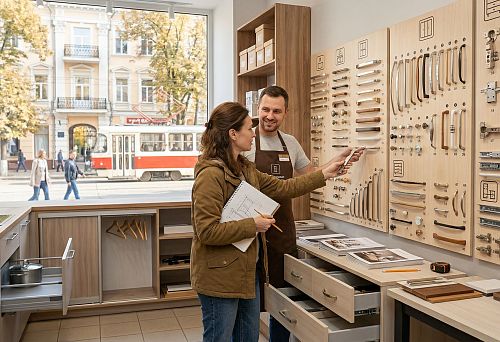
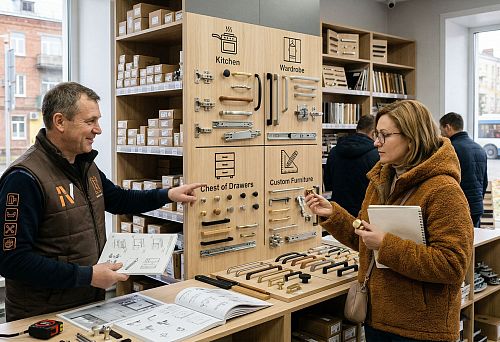
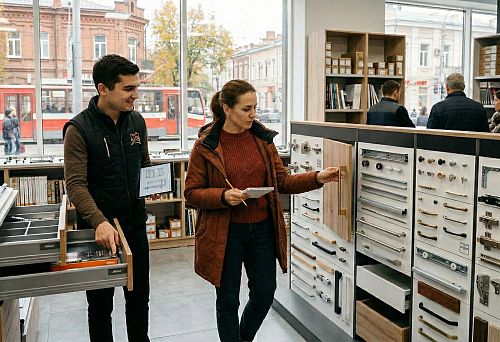
STAVROS Company, being a leader in creating exclusive interior solutions, offers a full range of services for selecting, manufacturing, and installing decorative reliefs. The company's specialists' rich experience, use of advanced technologies, and individual approach to each project ensure results exceeding even the most ambitious client expectations.