Article Contents:
- Living room evolution: from formal hall to multifunctional space
- Historical perspective: how perceptions of the living room have changed
- Modern trends in living room design
- Key elements of living room furniture ensemble
- Sofas and chairs: the center of attraction and comfort
- Tables: functionality and aesthetics in one piece
- Storage systems: cabinets, shelves, chests
- Stylistic directions and their influence on furniture choice
- Classic: timeless elegance
- Modern Minimalism: Functionality and Clean Lines
- Material Base: What Makes Italian Furniture Special
- Scandinavian Style: Bright Practicality
- Materials and their impact on furniture quality and durability
- Natural wood: nobility and eco-friendliness
- MDF and particleboard: practical alternatives
- Metal: strength and modern aesthetics
- Glass and stone: elegance and practicality
- Where to buy living room furniture: an overview of options
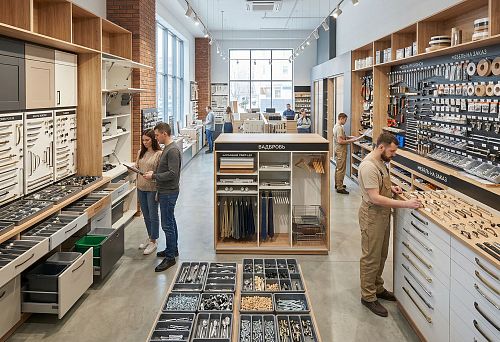
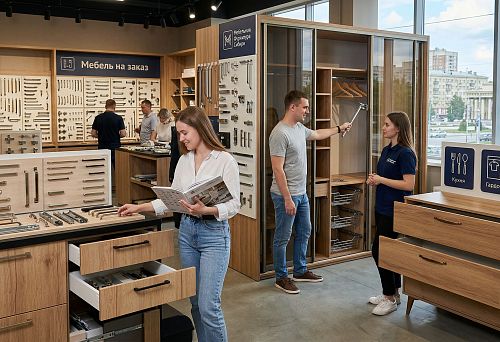
- Specialized Furniture Stores: Quality and Service
- Furniture hypermarkets: variety and accessibility
- Online Stores: Convenience and Wide Selection
- Custom furniture: individual approach
- Criteria for choosing quality living room furniture
- Functionality and ergonomics: comfort above all
- Manufacturing quality: details that matter
- Ecological safety: health of your family
- Matching interior: harmony of space
- Budget planning: price-to-quality ratio
- Budget allocation: where to save and where not to
- Seasonal sales and special offers
- Long-term investments: furniture as a financial investment
- Future trends: how the furniture industry will develop
- Smart furniture: integrating technology into interior design
- Ecological sustainability and development
- Personalization and customization
- Practical tips for choosing and arranging furniture in the living room
- Space Planning: Zoning and Ergonomics
- Color and Texture Combination: Creating a Harmonious Ensemble
- Lighting: Highlighting the Interior's Features
- Accessories and Textiles: Final Touches
- Features of Choosing Furniture for Different Types of Living Rooms
- Small Living Rooms: Maximum Functionality on Minimal Space
- Spacious Living Rooms: Creating Cozy Zones in Large Spaces
- Living Rooms in Studio Apartments: The Art of Function Integration
- Country Houses: The Living Room as the Center of Family Life
- Furniture Care: Extending the Lifespan of Your Investments
- Daily Care: Simple Rules for Preserving Beauty
- Protection against damage: prevention is better than cure
- Restoration and Refreshing: A Second Life for Favorite Items
- Conclusion: Creating Your Dream Living Room

In the world of home comfort, the living room holds a special place—it is the heart of the home, the space where the family gathers, guests are welcomed, and the warmest moments of life unfold. Choosing furniture for this room becomes not just a purchase, but a true art of creating a harmonious space that reflects your individuality. Let’s dive into the world of interior design solutions and explore, where to buy living room furniturewhich will transform your home into a true masterpiece of design thinking.


The Evolution of the Living Room: From Formal Hall to Multi-functional Space
The living room has undergone a long transformation. What was once a formal room for receiving guests is now a multi-functional space combining zones for relaxation, work, and entertainment. The modern pace of life dictates new rules for organizing space, and furniture must meet these requirements.




Historical Perspective: How Perceptions of the Living Room Have Changed
In the 19th century, the living room was a symbol of status, a place to display family wealth. Massive cabinets, ornate tables, bulky sofas with carved details—all spoke to the family’s position in society. The mid-20th century brought functionality and minimalism—modular systems, transformable furniture, simple lines. Today, we observe a synthesis of various styles, where comfort and individuality take center stage.
Our factory also produces:


Current Trends in Living Room Design
Current trends in living room design reflect global changes in lifestyle. Ecological, multifunctional, and technological elements form the three pillars of modern interiors. Natural materials coexist with innovative developments, classic forms are reinterpreted in the context of modernity, and technology makes spaces more convenient and adaptable.
Get Consultation
Key Elements of the Living Room Furniture Ensemble
Creating a harmonious space begins with understanding the key elements that shape the living room’s appearance. Each piece of furniture must not only perform its function but also fit into the overall interior concept.
Sofas and Chairs: The Center of Attraction and Comfort
Soft furniture is the heart of the living room, the place where heartfelt conversations, family evenings, and moments of relaxation occur. The modern market offers an incredible variety of models: from classic Chesterfields to modular systems that can be transformed depending on the situation.
When choosing a sofa, pay attention to:
- Frame and filling: this determines durability and comfort
- Fabric: natural fabrics breathe but are less practical; synthetic ones are more durable
- Transformation mechanism: if the sofa will be used for sleeping, this parameter becomes critically important
- Dimensions: the sofa should match the proportions of the room
Chairs complement the sofa group, creating additional seating areas and accent points in the interior. They can match the sofa's style or contrast with it, adding dynamism and playfulness to the space.
Tables: functionality and aesthetics in one piece
A coffee table is an indispensable element of the living room. It serves not only practical purposes but also acts as an important decorative element. Modern models impress with their variety:
- Transformable tables that can change height and tabletop size
- Multi-level constructions with additional shelves and drawers
- Models made from unusual materials: glass, stone, exotic wood species
- Tables with integrated technologies (wireless charging, lighting)
The dining table is also often part of the living room, especially in modern open-plan layouts. When choosing it, consider not only the style but also practical aspects: expandability, durability, ease of maintenance.
Storage systems: cabinets, shelves, chests of drawers
Storage organization is one of the key tasks when furnishing a living room. Modern solutions allow combining functionality with aesthetics:
Walls and modular systems have transformed from bulky Soviet-era constructions into elegant compositions that can be customized to your needs. They may include spaces for a TV, books, decor, as well as closed cabinets for storing less presentable items.
Open shelves have become a popular solution, allowing not only to store but also to display items reflecting the owners' personalities: books, souvenirs, collections, works of art.
Chests of drawers are experiencing a renaissance in modern design. They are compact, functional, and can become a striking accent in the interior thanks to unusual finishes or shapes.
Stylistic directions and their influence on furniture selection
Choosing a style is the first step toward creating a harmonious interior. Each direction has its distinctive features, expressed in furniture forms, materials, and color schemes.
Classic: timeless elegance
Classic style never goes out of fashion. It is characterized by symmetry, proportionality, use of natural materials, and restrained color palettes. Furniture in classic style often features:
- Curved lines and carved details
- Natural upholstery (leather, jacquard, velvet)
- Wooden elements with visible texture
- Decorative elements: capitals, pilasters, cornices
A classic living room creates an atmosphere of respectability and coziness, but requires space and careful selection of all elements.
Modern minimalism: functionality and purity of lines
Minimalism is not just the absence of decoration, but a philosophy where every item has its place and purpose. Furniture in minimalist style is characterized by:
- Simple geometric shapes
- Monochromatic color palette with accent accents
- Functionality without excess
- Use of innovative materials
A minimalist living room appears spacious, bright, and orderly, which is especially relevant for small rooms.
Eclecticism: the art of mixing styles
Eclecticism allows creating unique interiors by combining elements from different stylistic directions. The key to successful eclecticism is finding a unifying element: color, material, or form. In such a living room, you may find:
- Vintage sofa and modern coffee table
- Classic buffet and industrial lamp
- Ethnic accessories and minimalist shelves
Eclectic interior reflects the owner's personality, travels, hobbies, and life experience.
Scandinavian style: light practicality
Scandinavian design has gained popularity due to its practicality, light color palette, and use of natural materials. Furniture in the Scandinavian style is characterized by:
- Light tones (white, beige, light gray)
- Natural wood, often with minimal processing
- Simple forms with an emphasis on functionality
- Textile elements that create coziness
Scandinavian living room appears bright and spacious even in small areas, making this style especially popular in city apartments.
Materials and their impact on quality and durability of furniture
Material selection determines not only the appearance but also the performance characteristics of furniture. Each material has its advantages and care requirements.
Natural wood: elegance and eco-friendliness
Wood remains unmatched when it comes to prestige and eco-friendliness. Different species impart various characteristics to furniture:
- Oak - symbol of strength and durability, with expressive texture
- Walnut - dark noble wood with beautiful grain
- Beech - dense and hard wood, easily workable
- Spruce - affordable option, but softer and more prone to damage
Wooden furniture requires care: protection from direct sunlight, maintaining optimal humidity, periodic treatment with special compounds.
MDF and particleboard: practical alternatives
Wood-based particleboard and fiberboard have become a popular alternative to solid wood due to their affordable price and good performance characteristics:
- MDF is denser and more moisture-resistant than particleboard
- Modern technologies allow creating high-quality imitations of natural wood
- These materials are not prone to deformation when humidity changes
- They are easier to shape
When choosing furniture made of particleboard, pay attention to the formaldehyde emission class (E0 and E1 are the safest) and the quality of the edge banding, which protects the ends from moisture.
Metal: strength and modern aesthetics
Metallic elements add strength and a modern look to furniture. The most common types are:
- Aluminum - lightweight and corrosion-resistant
- Steel - strong and durable, often with protective coating
- Brass and copper give furniture a luxurious look but require maintenance
Metal frames are often used in sofas, chairs, and tables, giving them a sense of lightness and visual lightness.
Glass and stone: elegance and practicality
Glass and stone surfaces are becoming increasingly popular in living room furniture:
- Tempered glass has high strength and safety
- Natural and artificial stone are resistant to damage and easy to clean
- These materials create a sense of lightness and airiness
- They combine well with other materials, creating interesting contrasts
Stone and glass tabletops are especially practical for coffee and dining tables, as they are not afraid of hot items and are easy to clean from dirt.
where to buy living room furnitureOverview of possibilities
The modern market offers many options for purchasing furniture, each with its own advantages and features.
Specialized furniture stores: quality and service
Furniture stores offer the most comprehensive range of services:
- Opportunity to see and test furniture before purchase
- Consultations with designers and specialists
- Warranty service and technical support
- Delivery and assembly by professionals
Furniture stores usually feature furniture from the mid to high price range, with an emphasis on quality and design. Here you can find ready-made solutions as well as the option to order furniture according to individual specifications.
Furniture hypermarkets: variety and accessibility
Large furniture hypermarkets attract customers with a wide variety and affordable prices:
- The opportunity to purchase all necessary furniture in one place
- Regular promotions and special offers
- Availability of products across different price categories
- Option for self-pickup to save on delivery costs
Hypermarkets often feature ready-made interior solutions that help visualize how furniture will look in real space.
Online stores: convenience and wide selection
Online furniture retail is actively developing, offering several advantages:
- Ability to compare prices and features without leaving home
- Access to products from manufacturers in different regions and countries
- Detailed descriptions, photos, and customer reviews
- Convenient filters for searching by parameters
When purchasing furniture online, it is important to carefully study the specifications, materials, and dimensions, as well as delivery, assembly, and return conditions.
Custom furniture: personalized approach
Custom furniture manufacturing allows you to create a unique space that fully meets your needs:
- Taking into account the layout and dimensions of the room
- Choosing materials, finishes, and hardware
- Ability to implement non-standard ideas
- Optimal Space Utilization
Custom furniture is usually more expensive than standard solutions, but allows you to create a truly unique interior that reflects your individuality.
Criteria for choosing quality living room furniture
Regardless of the fact, where to buy living room furniture, it is important to be able to assess its quality and suitability for your needs.
Functionality and ergonomics: comfort above all
Furniture should not only be beautiful, but also convenient to use:
- Sofas and chairs should have optimal seat and back height
- Tables - convenient height and sufficient tabletop area
- Storage systems - easy access to contents
- All items must correspond to the anthropometric data of users
Ergonomics is especially important for furniture you use daily. Before purchasing, definitely 'try on' the furniture: sit on the sofa, assess the ease of opening cabinets, imagine how you will use each item.
Quality of manufacturing: details that matter
Quality furniture is distinguished by attention to detail:
- Even seams and joints
- Quality hardware (hinges, handles, guides)
- Strong connections between elements
- Neat finishing, including on the reverse side and inside
Pay attention to the manufacturer's reputation, presence of quality certificates, and warranty obligations. Quality furniture may cost more, but it will last significantly longer.
Ecological safety: health of your family
Modern furniture must meet ecological standards:
- Materials with low formaldehyde content (class E0, E1)
- Non-toxic lacquers and paints
- Natural materials or their high-quality substitutes
- Ecological safety certificates
It is especially important to pay attention to ecological safety if there are children, elderly people, or allergy sufferers in the home.
Compatibility with interior: harmony of space
Furniture should fit into the overall interior concept:
- Match the style of the room
- Harmonize with wall, floor, and ceiling finishes
- Coordinate with other furniture items
- Consider color palette and lighting
Before purchasing, make a furniture layout plan, taking into account the room's dimensions and walkways. You can use special apps for interior visualization or simply create paper templates to scale.
Budget planning: price-to-quality ratio
Purchasing furniture for the living room is a serious investment requiring financial planning.
Allocation of funds: where you can and cannot save
Reasonable budget allocation will help create a quality interior without unnecessary expenses:
- Invest in key items (sofa, main storage areas)
- Save on decorative elements that are easy to replace
- Choose neutral base items and bright accents
- Consider phased interior updates
Remember that some furniture items (e.g., a quality sofa) can last for decades, so their cost is spread over a long period.
Seasonal sales and special offers
Smart planning of purchases will allow you to save significantly:
- End of season - time for clearance of display samples
- Pre-holiday periods are often accompanied by special promotions
- Loyalty programs and cumulative discounts for regular customers
- Bundle offers when purchasing multiple items
Subscribing to newsletters from furniture stores will help you not miss advantageous offers.
Long-term investments: furniture as an investment
Quality furniture is not just an expense, but an investment in comfort and quality of life:
- Classic items never go out of style and remain relevant for years
- Furniture made of natural materials may acquire a unique charm over time
- The possibility of restoration and updating extends the service life
- Some vintage items only increase in value over time
When choosing furniture, think not only about current trends, but also about how it will fit into your interior in 5-10 years.
Future trends: how the furniture industry will develop
The furniture industry is actively developing, responding to new consumer demands and technological capabilities.
Smart furniture: integration of technology into the interior
Technology is increasingly penetrating the furniture industry:
- Sofas with built-in charging stations and audio systems
- Tables with touch surfaces and interactive features
- Storage systems with automated access
- Furniture integrated into the "smart home" system
Such furniture makes the space more functional and adaptable to the needs of modern people.
Ecological Sustainability
Care for the environment has become an important factor in furniture production:
- Use of renewable materials
- Furniture made from recycled components
- Waste-free production and eco-friendly technologies
- Possibility of secondary recycling after the end of service life
Eco-friendly furniture not only reduces negative impact on nature but also creates a healthier living environment.
Personalization and Customization
Individual approach has become a new standard in the furniture industry:
- Modular systems allowing for unique combinations
- Ability to choose materials, finishes, and hardware
- 3D printing technologies for creating unique elements
- Adaptive furniture that adjusts to the user
Personalization allows creating a space that best matches individual needs and preferences.
Practical tips for choosing and arranging furniture in the living room
Proper furniture arrangement allows maximum space efficiency and creates a comfortable atmosphere.
Space planning: zoning and ergonomics
Before buying furniture, it is important to plan the space organization:
- Define functional zones (rest, socializing, work, entertainment)
- Consider passages between furniture items (minimum 70-80 cm)
- Plan the placement relative to light sources
- Consider placement of outlets, radiators, doors, and windows
Create a scaled floor plan and place furniture on it — this will help avoid mistakes and disappointments.
Color and texture combination: creating a harmonious ensemble
Color and texture solutions play a key role in creating a harmonious space:
- Use the 60-30-10 rule for distributing primary, secondary, and accent colors
- Combine different textures to create visual interest
- Consider lighting: colors appear differently under artificial light
- Create a balance between bright and neutral elements
Do not be afraid to experiment, but remember that the living room is a space where you spend a lot of time, so the color palette should be comfortable for prolonged viewing.
Lighting: highlighting the interior's features
Proper lighting can completely transform the perception of furniture:
- Multi-level lighting (ceiling lights, wall sconces, floor lamps, table lamps)
- Directed light to highlight details and create accents
- Adjustable lighting to create different scenarios
- Decorative backlighting for furniture (especially for glass display cases and shelves)
Plan lighting simultaneously with furniture arrangement to create a harmonious lighting environment.
Accessories and textiles: final touches
Decorative elements complete the living room's look and make it truly cozy:
- Textiles (curtains, cushions, throws) add softness and warmth
- Rugs zone the space and add comfort
- Artworks and decorative objects reflect individuality
- Live plants enliven the interior and improve the microclimate
Accessories are easy to replace, so they allow updating the interior without changing the main furniture.
Features of choosing furniture for different types of living rooms
Each room has its own features that must be considered when choosing furniture.
Small living rooms: maximum functionality on minimal space
For small spaces, especially important:
- Multi-functional furniture (sofa-bed, transformable table)
- Compact sizes without compromising comfort
- Light tones and glossy surfaces for visual space expansion
- Vertical storage systems to save space
In a small living room, every centimeter counts, so choose furniture that maximally utilizes space.
Spacious living rooms: creating cozy zones in a large space
In large rooms, it's important to create a sense of coziness:
- Zoning using furniture (sofa groups, shelves)
- Large items to maintain proportions
- Using color and texture to create visual boundaries
- Combining different functional zones
In a spacious living room, you can experiment with arrangement, creating several focal points for different activities.
Living rooms in studio apartments: the art of combining functions
In studios, the living room often combines several functions:
- Transformable furniture that changes its purpose throughout the day
- Mobile elements that can be moved
- Storage systems that hide household items
- Visual space dividers (shelves, screens, textiles)
In studios, it is especially important to plan for different usage scenarios throughout the day and for different purposes.
Country homes: the living room as the center of family life
In country homes, the living room often becomes the center of attraction for the entire family:
- Durable furniture designed for intensive use
- Natural materials that harmonize with the natural surroundings
- Comfort zones for different types of relaxation (reading, watching TV, playing games)
- Emphasis on coziness and warmth (fireplace, soft textures, natural elements)
In a country home, the living room can be more relaxed and informal than in an urban apartment.
Care for furniture: extending the lifespan of your investments
Proper care significantly extends the lifespan of furniture and preserves its attractive appearance.
Daily care: simple rules for maintaining beauty
Regular care prevents the accumulation of damage:
- Removing dust with soft cloths that do not leave lint
- Using special cleaners for different surface types
- Immediate removal of stains and dirt
- Protection from direct sunlight and heat sources
Create a care schedule for different pieces of furniture and stick to it to achieve the best results.
Protection against damage: prevention is better than cure
It is easier to prevent damage than to deal with its consequences:
- Use of stands under hot items
- Applying protective pads to furniture legs
- Using rugs and runners in high-traffic areas
- Regular inspection and tightening of fasteners
Pay special attention to furniture that is used most intensively (sofas, chairs, coffee tables).
Restoration and renewal: a new life for beloved items
Even damaged furniture can often be restored:
- Reupholstering soft furniture with replacement stuffing
- Restoration of wooden surfaces (sanding, painting, varnishing)
- Replacing hardware to refresh the appearance
- Decorative techniques for concealing damage
Quality restoration can be more cost-effective than buying new furniture, especially when it comes to items made of natural materials.
Conclusion: Creating your dream living room
The living room is a space that reflects your individuality and lifestyle. Choosing furniture for this room is a creative process requiring attention to detail and understanding of your own needs.
Regardless of the fact, where to buy living room furnitureRemember that this is a long-term investment in comfort and quality of life. Choose items that will bring you joy not only today, but for many years to come.
Create a space that becomes not just a functional place for relaxation, but also a reflection of your individuality, taste, and life values. Let your living room become a place where warm memories are born and the most important moments of your life unfold.