Article Contents:
- Decorative elements as the basis of modern design
- Philosophy of modern decoration
- Psychology of perception of decorative elements
- Types of decorative materials and their application
- Natural materials: returning to roots
- Artificial materials: technologies of the future
- Criteria for choosing quality decor
- Technical characteristics: the basis of durability
- Aesthetic qualities: harmony and style
- Places to buy: from specialized boutiques to online stores
- Specialized boutiques: expertise and individual approach
- Online Stores: Convenience and Wide Selection
- Manufacturers: direct sales and individual solutions
- Wall decor: variety of solutions
- Wall-mounted decorative elements
- Moldings and trim
- Panel systems
- Furniture decor: personalizing the interior
- Wall-mounted elements for furniture
- Hardware as a decorative element
- Decorative profiles and edges
- Moldings and their role in modern design
- Classification of moldings by purpose
- Materials and production technologies
- Designer solutions with moldings
- Regional specifics of buying decor
- Moscow decor market
- Regional markets
- Trends and innovations in the world of decor
- Ecological trends
- Digital technologies
- Smart materials
- Installation and Maintenance of Decorative Elements
- Preparation for Installation
- Installation Technologies
- Maintenance and care
- Frequently Asked Questions
- Conclusion
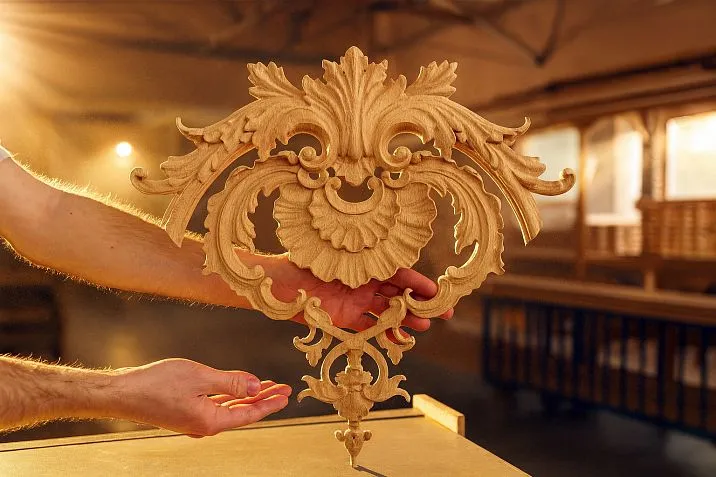
which will turn an ordinary space into a true dream home? Answering this question requires a deep understanding not only of aesthetic preferences but also of the technical characteristics, functionality, and durability of materials. where to buy decorDecorative elements are not just ornaments; they are a powerful tool for creating atmosphere, capable of radically changing the perception of space. Properly chosen decor can visually enlarge a room, raise ceilings, create focal zones, or, conversely, unify disparate interior elements into a harmonious composition. That is why selecting where to purchase and the actual decorative elements requires special attention and a professional approach.
Decorative elements are not just ornaments; they are a powerful tool for creating atmosphere, capable of radically changing the perception of space. The right choice of decor can visually enlarge a room, raise the ceiling, create focal zones, or, conversely, unify scattered interior elements into a harmonious composition. That is why selecting where to buy and the actual decorative elements requires special attention and a professional approach.




Decorative Elements as the Foundation of Modern Design
In the era of individualization and personalization of space, decorative elements acquire special significance. They allow the owner to express their personality, create a unique atmosphere, and emphasize stylistic preferences. Modern decor is not only beauty, but also functionality, eco-friendliness, and durability.




Philosophy of Modern Decoration
Modern understanding of decor fundamentally differs from perceptions of previous decades. If decorative elements were once considered exclusively as ornaments, today they perform multiple functions: zoning space, concealing utilities, improving acoustic properties of rooms, creating visual illusions.
Minimalism, which has become the dominant trend in recent years, does not exclude the use of decor, but merely changes the approach to its selection. Each element must carry meaningful content, be functional, and aesthetically perfect. This makes the question of where to buy decor of high quality, even more relevant.
Our factory also produces:


Psychology of Perception of Decorative Elements
Scientific research shows that the surrounding environment significantly affects a person's psycho-emotional state. Decorative elements play a key role in this process. Properly selected shapes, colors, and textures can reduce stress levels, improve concentration, and enhance creativity.
For example, nature-inspired motifs in decor activate brain areas responsible for recovery and relaxation. Geometric shapes promote concentration and logical thinking. Soft, flowing lines create a sense of comfort and safety.
Get Consultation
Types of Decorative Materials and Their Applications
Natural Materials: Returning to the Roots
Wood remains one of the most popular materials for creating decorative elements. Its natural texture, warmth, and eco-friendliness make wooden decor desirable in any interior. Modern processing technologies allow creating wooden elements of any complexity — from simple geometric forms to intricate carved compositions.
Stone decor is gaining popularity due to its durability and ability to create a sense of solidity and reliability. Marble, granite, travertine — each type of stone has its unique characteristics and areas of application.
Metal in decorative elements introduces notes of industrial style and modernity. Bronze, copper, steel, aluminum — each metal possesses its own aesthetic and technical properties.
Artificial Materials: Technologies of the Future
Polymer materials have revolutionized the decor industry. For example, polyurethane allows creating elements indistinguishable from traditional materials, yet surpassing them in technical characteristics. Lightness, strength, moisture resistance, ease of installation — the advantages of modern polymers are obvious.
Composite materials open up new possibilities for designers. Combining different components allows obtaining materials with desired properties: the strength of metal with the lightness of plastic, the beauty of wood with the durability of polymer.
Ceramics and ceramic tiles are experiencing a new phase of development. Modern technologies allow creating ceramic items with any texture and color, imitating natural materials or creating entirely new textures.
Criteria for Choosing Quality Decor
Technical Characteristics: Foundation of Durability
When selecting decorative elements, technical characteristics are often more important than appearance. Strength, resistance to external influences, ease of maintenance — these parameters determine how long the decor will retain its original appearance.
Moisture resistance is especially important for elements installed in bathrooms, kitchens, or other rooms with high humidity. Heat resistance is necessary for decor placed near heat sources.
Eco-friendliness is becoming an increasingly important criterion. Modern consumers increasingly choose materials that do not emit harmful substances and are safe for health.
Aesthetic Qualities: Harmony and Style
Decorative elements should harmonize with the overall interior style. This does not mean all elements must be in one style — a thoughtful combination of different styles can create a unique and memorable look.
Proportions play a key role in perceiving decor. An element ideal for a spacious living room may appear out of place in a small bedroom. Understanding scale and proportions is the foundation of successful decorating.
The color palette of decorative elements should support the overall color concept of the interior. This does not mean decor should blend into the background — contrasting accents can become the highlight of the interior.
Places to buy: from specialized boutiques to online stores
Specialized boutiques: expertise and personalized approach
Specialized decor boutiques offer not only products but also expert consultations. Here, professionals work who can help choose the optimal solution for a specific interior. The ability to see and touch the product, assess material quality and craftsmanship — undeniable advantages of offline shopping.
Many boutiques offer design planning services, allowing you to see how selected elements will look in a specific interior. Some provide custom decor manufacturing services based on individual sketches.
Online stores: convenience and wide selection
Online decor shopping is becoming increasingly popular due to the convenience of selection and ordering. The ability to compare offers from different manufacturers, read customer reviews, and study detailed product specifications — the advantages of online shopping are obvious.
Quality online stores provide detailed product descriptions, high-quality photos from various angles, technical drawings, and installation schematics. Many offer online consultations with designers.
Manufacturers: direct sales and customized solutions
Buying directly from the manufacturer often provides the best prices and the opportunity to order customized solutions. Many decorative element manufacturers have their own showrooms, where you can view the full product range.
Cooperation with the manufacturer is especially beneficial for large projects — wholesale discounts, design customization options, and reduced delivery times make such collaboration attractive for designers and construction companies.
Wall decor: variety of solutions
Walls occupy the largest area in any room, so their decoration has special importance. The question where to buy wall decor quality materials concerns everyone planning to update their interior.
Wall-mounted decorative elements
Wall-mounted decor allows you to create a three-dimensional composition on a flat wall surface. Rosettes, medallions, cartouches, floral ornaments — the choice of shapes and sizes is virtually unlimited. Modern wall-mounted elements are made from various materials: polyurethane, plaster, wood, metal.
The advantage of wall-mounted decor is the ability to create unique compositions by combining different elements. The same set of wall-mounted pieces can create completely different visual effects depending on how they are arranged.
Moldings and planks
Moldings are a universal tool for wall decoration. They can create frames, divide space into zones, and conceal seams between different materials. Modern moldings are produced in a wide range of profiles — from simple geometric shapes to complex classical profiles with rich detailing.
Wooden planks are experiencing a new wave of popularity. Where to buy wooden wall decor planks of high quality — a question relevant to fans of eco-style and Scandinavian minimalism. Planks allow you to create dynamic compositions, play with light and shadow, and establish rhythm in the interior.
Panel systems
Wall panels are a comprehensive solution for wall decoration. They can imitate various materials, create complex geometric patterns, integrate lighting or storage systems. 3D panels add depth and dynamism to the interior, creating a captivating interplay of light and shadow.
Cassette systems allow easy changes to wall design — elements can be rearranged, added, or replaced. This is especially relevant for commercial spaces, where flexibility in design is required.
Furniture decor: personalizing the interior
Furniture decor allows you to transform mass-produced furniture into unique interior pieces. The question where to buy furniture decor becomes relevant for those who aim to create a unique look for their home.
Furniture appliqués open boundless creative possibilities. Carved elements, geometric shapes, floral motifs — the choice is limited only by the designer's imagination. Appliqués can be functional (for example, to protect furniture corners) or purely decorative.
Modern appliqués are made from various materials. Wooden appliqués emphasize the naturalness and eco-friendliness of furniture. Polymer elements provide greater detail and resistance to external influences. Metallic appliqués add an industrial charm to furniture.
Modern overlays are made from various materials. Wooden overlays emphasize the naturalness and eco-friendliness of furniture. Polymer elements provide greater detail and resistance to external influences. Metallic overlays add an industrial charm to furniture.
Hardware as a decorative element
Modern furniture hardware is not only a functional element but also an important decorative detail. Handles, hinges, locks, legs — each element can become an accent, highlighting the style of the furniture.
Designer hardware allows for a radical change in the perception of furniture. Replacing simple handles with designer ones can turn an ordinary cabinet into a stylish interior piece. The choice of materials is vast: brass, bronze, stainless steel, wood, leather, stone.
Decorative profiles and edges
Furniture profiles and edges serve not only a protective function but also act as decorative elements. They can emphasize the geometry of furniture, create contrasting lines, imitate massiveness or, conversely, the lightness of the structure.
Modern technologies allow creating profiles of complex shapes, imitating the handiwork of a master woodcarver. Polymer profiles can accurately reproduce the texture of wood, stone, or metal.
Moldings and their role in modern design
Moldings deserve separate attention as one of the most universal decoration tools. The question where to buy moldings for decoration interests both professional designers and enthusiasts of self-interior design.
Classification of moldings by purpose
Ceiling moldings create a smooth transition between wall and ceiling, visually raising the ceiling, hiding imperfections at the junction. They can be simple in shape for modern interiors or richly decorated for classic styles.
Wall moldings are used to create decorative frames, zone walls, frame pictures or mirrors. They can create complex geometric compositions or serve as simple framing.
Floor moldings (baseboards) complete the wall composition, hide the gap between wall and floor, protect the wall from damage. Modern baseboards can integrate lighting systems or cable conduits.
Materials and production technologies
Traditional gypsum moldings remain popular due to the ability to create complex relief surfaces. Gypsum holds details well, allowing the creation of miniature art pieces.
Polyurethane moldings combine the beauty of traditional forms with the advantages of modern materials. They are lighter than gypsum, resistant to moisture, easier to install and maintain.
Wooden moldings bring naturalness and warmth into the interior. Modern wood processing technologies allow creating profiles of any complexity while preserving the natural beauty of the material.
Designer solutions with moldings
Modern designers use moldings not only in classic interiors but also in contemporary styles. Simple geometric profiles create clear lines in minimalist interiors. Color-contrasting moldings become graphic design elements.
Combining moldings of different profiles allows creating unique compositions. Playing with scale, rhythm, proportions — moldings provide designers with a rich toolkit for creativity.
Regional specifics of purchasing decor
Moscow decor market
Moscow, as the capital of Russia, offers the widest selection of decorative materials. Here you can find both domestic manufacturers and leading international brands. Decor where to buy in Moscow — this question has many answers thanks to the developed infrastructure of the capital.
Moscow design centers offer not only products but also a full range of services: from consultations to design and installation. Many centers have their own showrooms with ready-made interior solutions.
Competition on the Moscow market helps maintain high standards of quality and service. Customers can expect professional consultations, quality logistics, warranty and post-warranty service.
Regional markets
In the regions, the situation with choosing decorative materials is gradually improving. The development of e-commerce allows residents of smaller cities to access the same range of products as in the capital.
Regional manufacturers often offer more attractive prices due to lower overhead costs. Many of them specialize in certain types of products, achieving high quality in their niche.
Logistical features of regions affect the cost and delivery times. However, the development of transportation networks gradually eliminates these differences.
Trends and innovations in the world of decor
Ecological trends
Ecological sustainability has become one of the key trends in the decor industry. Consumers increasingly choose materials from renewable sources, with minimal carbon footprint, and safe for health.
Recycling materials opens up new opportunities for creating unique decorative elements. Recycled wood, metal, and plastic gain new life as stylish decor items.
Biomaterials — a new direction in decor production. Mycelium, algae, bacterial cellulose — these materials of the future are already being used today to create decorative elements.
Digital technologies
3D printing is revolutionizing decor production. The ability to create elements of any complexity, personalize products, and quickly prototype new solutions — the advantages of additive technologies are obvious.
Virtual reality is changing the approach to choosing decor. Customers can see how selected elements will look in their interior even before purchasing.
Artificial intelligence helps select optimal solutions by analyzing customer preferences, room characteristics, and current trends.
Smart Materials
Materials with changing properties open up new possibilities for decor. Thermochromic coatings change color depending on temperature. Photochromic materials react to lighting.
Interactive decorative elements respond to touch, movement, and sound. They can change color, shape, emit light or sound.
Self-healing materials can "repair" minor damage, significantly extending the service life of decorative elements.
Installation and care of decorative elements
Preparation for Installation
Quality installation begins with careful surface preparation. Walls must be flat, clean, and dry. All irregularities must be removed, and the surface treated with primer.
Planning the placement of decorative elements requires precise measurements and calculations. Using laser levels and other measuring tools ensures accurate installation.
Choosing the right fasteners is critically important for the longevity of the installation. Different materials require different types of fastening: adhesive, self-tapping screws, anchors, mechanical fasteners.
Installation technologies
Adhesive bonding is the most common method of attaching decorative elements. Modern adhesives provide strong bonding and rapid setting.
Mechanical fastening is used for heavy elements or when the possibility of disassembly is required. Hidden fasteners preserve the aesthetic of the decorative element.
Combined fastening combines adhesive and mechanical connections, ensuring maximum installation reliability.
Care and Maintenance
Regular cleaning extends the service life of decorative elements. Different materials require different care methods: dry cleaning for plaster, wet cleaning for polymers.
Preventive maintenance includes checking fasteners, renewing protective coatings, and addressing minor damages.
Restoration of decorative elements allows extending their service life. Modern restoration materials provide invisible repair of damaged areas.
Frequently asked questions
How to determine the required quantity of decorative elements for a room?
Calculating the amount of decor depends on the room's size, chosen style, and design concept. It is recommended to create a layout plan indicating all dimensions. For complex projects, it is better to consult professional designers.
Can decorative elements made of different materials be combined?
Yes, combining different materials can create interesting visual effects. It is important to maintain a consistent stylistic concept and consider material compatibility based on technical characteristics.
How to choose decor for a small room?
In small rooms, it is better to use decor in light tones with simple geometry. Avoid large elements and excessive detailing. Vertical elements visually raise the ceiling.
What decor is suitable for humid rooms?
For bathrooms and kitchens, choose moisture-resistant materials: polyurethane, ceramic, stainless steel. Avoid materials prone to deformation from moisture.
Can decor be installed by oneself?
Simple decorative elements can be installed by oneself if you have basic skills and tools. For complex projects, it is recommended to consult professionals.
How to care for wooden decor?
Wooden decor requires regular treatment with protective compounds, avoiding direct contact with water, and using special cleaning agents for wood.
How long does quality decor last?
Service life depends on the material and usage conditions. Polyurethane decor lasts 15-20 years, wooden decor up to 50 years with proper care, and metal decor practically indefinitely.
Can decorative elements be painted?
Most decorative elements can be painted. It is important to use compatible paint types and properly prepare the surface before painting.
Conclusion
Choosing quality decor is an investment in the beauty and comfort of your home for many years. The modern market offers limitless creative opportunities, allowing you to create unique interiors that reflect the owner's individuality.
The correct approach to selecting decorative elements includes analyzing technical characteristics, stylistic compatibility, material quality, and manufacturer reputation. Equally important is choosing a reliable supplier capable of providing not only quality products but also professional support at every stage — from selection to installation and subsequent maintenance.
STAVROS Company is a vivid example of how long-term experience, advanced technologies, and deep understanding of customer needs combine to create exceptional solutions in decorative materials. Full-cycle production, strict quality control at every stage, wide product range, and individual approach to each project — these are the core principles of STAVROS' operations.
Investing in quality decor today creates the foundation for a comfortable and beautiful life tomorrow. Let your home become a reflection of your dreams and a daily source of inspiration.