Article Contents:
- Psychology of perception: why wood captivates the soul
- Genetic memory and biophilia
- Uniqueness of each piece
- Variety of species: from classic to exotic
- Oak — king of furniture production
- Ash — elegant strength
- Walnut — aristocratic nobility
- Exotic species: exclusivity in every detail
- Technological aspects: from forest to home
- Modern wood preparation
- Joinery connections: art of reliability
- Final finishing: protection and beauty
- Stylistic solutions: each interior has its own character
- Classic elegance
- Scandinavian minimalism
- Modern eclecticism
- Functional planning: ergonomics and comfort
- Space zoning
- Storage systems
- Integration of technology
- Production features: craftsmanship and technologies
- Custom Design
- Quality Control
- Logistics and installation
- Ecological aspects: Responsibility to nature
- Certified wood
- Carbon footprint and climate
- Zero-waste technologies
- Economic considerations: investment in quality
- Long-term profitability
- Impact on property value
- Insurance and preservation
- Maintenance and Care: Preserving Beauty for Decades
- Daily care
- Protection against damage
- Periodic refreshment
- Modern trends and the future of wooden furniture
- Personalization and customization
- Integration of smart technologies
- Ecological innovations
- Interior psychology: impact on quality of life
- Biophilic design and health
- Emotional attachment
- Status and self-expression
- Regional characteristics: traditions of different countries
- European school of furniture craftsmanship
- Asian philosophy of wood
- Russian traditions
- Conclusion: the choice that defines your lifestyle
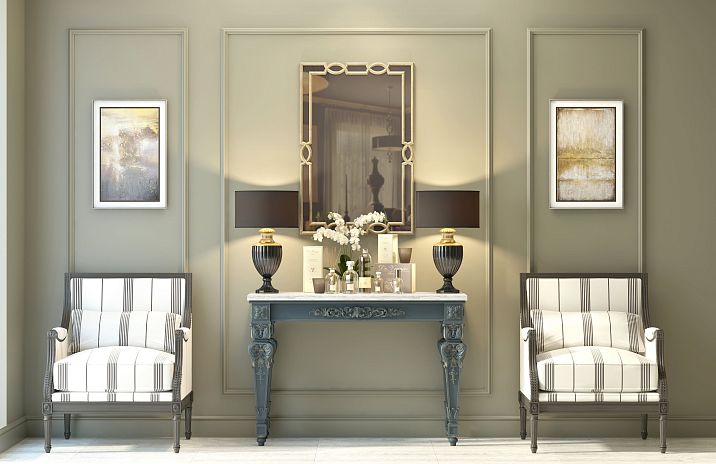
What makes a person stand still in awe at the sight of an ideal interior? Why do some pieces of furniture merely occupy space, while others create an atmosphere, filling the home with warmth and energy? The answer lies in the magic of natural wood. Solid Wood Furniture It is not just furniture — it is a living story captured in wood fibers, a manifestation of natural perfection in man-made forms.
In a world of plastic and synthetics, solid wood furniture remains the last bastion of authenticity. Each grain in the solid wood carries memories of decades of growth under the sun, and each pattern of growth rings tells a unique story. A modern person, surrounded by artificial materials, especially feels the need to return to the roots — to what nature itself created.


Psychology of Perception: Why Wood Captivates the Soul




Genetic Memory and Biophilia
For millennia, humans have lived surrounded by trees — building homes from them, crafting tools, creating household items. This connection is ingrained at a genetic level. Touching a wooden surface activates ancient instincts, creating a sense of safety and comfort.
Scientific studies confirm: the presence of natural wood in interiors reduces stress levels, improves concentration, and normalizes blood pressure. Wooden surfaces emit a special warmth — not only literally, but also metaphorically.
Our factory also produces:


Uniqueness of each piece
Nature does not create identical masterpieces. Each tree grows under unique conditions, which is reflected in the unique pattern of the wood. Two completely identical pieces of furniture made from solid wood are simply impossible to find — each set possesses its own character and individuality.
It is precisely this uniqueness that makes wooden furniture especially valuable. In an era of mass production and standardization, owning exclusive pieces becomes a manifestation of individuality and refined taste.
Get Consultation
Variety of Species: From Classic to Exotic
Oak — the King of Furniture Production
An oak set is a symbol of reliability, prestige, and timeless values. The density of oak wood reaches 700 kg/m³, ensuring exceptional strength and longevity of the items. High tannin content provides natural protection against moisture, insects, and fungal damage.
The color palette of oak is stunningly diverse — from light honey tones to deep chocolate shades. The characteristic coarse texture with clearly visible growth rings creates a majestic decorative effect. Oak furniture does not merely serve — it reigns in the interior.
Ash — Elegant Strength
Ash wood demonstrates an amazing combination of technical and aesthetic qualities. Light base tones with contrasting dark grains form a dynamic texture capable of revitalizing even the most austere interior.
Ash's exceptional impact resistance allows creating thin, elegant furniture elements without sacrificing functionality. This species readily accepts various staining techniques, expanding design possibilities.
Walnut — Aristocratic Elegance
Walnut wood is the choice of true connoisseurs of luxury. Its rich color palette, ranging from light brown to deep chocolate tones, combined with wavy grain patterns that create unique decorative motifs — all of this transforms a walnut set into a work of art.
The dimensional stability and exceptional workability of walnut allow craftsmen to create intricate carved elements, refined profiles, and delicate decorative details. Walnut furniture often becomes a family heirloom.
Exotic Species: Exclusivity in Every Detail
Mahogany, teak, wenge, zebrawood — these names sound like spells for admirers of unique interiors. Redwood impresses with its stability and rich reddish-brown color. Wenge surprises with its contrasting texture and exceptional hardness. Teak demonstrates the highest resistance to moisture.
Using exotic species transforms an ordinary set into a collectible item, an investment in beauty and prestige.
Technological Aspects: From Forest to Home
Modern Wood Preparation
The quality of the finished set is established even at the stage of log preparation and raw material processing. Kiln drying under controlled parameters is a high-tech process requiring precise adherence to temperature regimes and moisture levels.
The optimal final moisture content of wood is 8-10%. This eliminates subsequent deformations and ensures the geometric stability of finished products. The stabilization process includes not only moisture removal but also the release of internal stresses in the material.
Joinery connections: art of reliability
The strength and longevity of wooden furniture largely depend on the quality of connections between its elements. Traditional methods — mortise and tenon, dovetail, dowel joints — have been tested over centuries and ensure maximum reliability.
Modern CNC routers allow creating joints with precision down to tenths of a millimeter. However, final assembly is still performed by the hands of an experienced craftsman.
Final Finishing: Protection and Beauty
Choosing the final finish is critically important for the longevity and appearance of wooden furniture. Natural oils penetrate the wood structure, highlighting its natural beauty and preserving its ability to 'breathe'.
Lacquer systems create a durable protective film resistant to mechanical damage and moisture. Modern polyurethane formulations are virtually invisible, preserving the natural look of the wood while providing reliable protection.
Stylistic solutions: each interior has its own character
Classic elegance
Classic wooden furniture embodies timeless principles of harmony and beauty. Strict proportions based on the golden ratio, symmetrical compositions, noble decorative elements create an atmosphere of aristocratic dignity.
Carved cornices, turned legs, raised panels — every detail of classic furniture is thought out to the finest detail. Patination highlights the relief of carving, creating a sense of noble antiquity.
Scandinavian minimalism
Northern aesthetics brought revolutionary principles of simplicity and functionality into design. Scandinavian wooden furniture is characterized by minimalist design, light wood tones, and the absence of excessive decoration.
Clean lines, organic forms, maximum preservation of natural texture — the foundations of Scandinavian style. Such furniture creates a sense of spaciousness and connection with nature.
Modern Eclecticism
Current design trends allow bold experiments with forms and materials. Wooden furniture can be combined with metallic elements, glass inserts, integrated lighting.
Asymmetric compositions, non-standard proportions, play of contrasts — modern style opens up boundless opportunities for creativity.
Functional planning: ergonomics and comfort
Space Zoning
Properly designed furniture helps organize space, creating functional zones for various needs. Tall cabinets serve as natural partitions, low chests create horizontal lines.
Modular systems allow easily changing furniture configuration according to changing family needs. Today, a large library is needed — add bookcases. Tomorrow, a collection appears — install display cases.
Storage systems
Modern wooden furniture includes numerous thought-out storage systems. Drawers with soft-close mechanisms, swivel mechanisms in corner sections, built-in organizers — all this makes furniture use maximally comfortable.
Special attention is paid to hidden storage systems. Panels can be folded, pulled out, or rotated, opening access to internal space. Meanwhile, the furniture's appearance remains flawless.
Integration of technology
Natural wood combines beautifully with modern technologies. Built-in audio systems, concealed wiring, integrated lighting — all this can be seamlessly incorporated into wooden structures.
Smart home systems are organically integrated into wooden furniture. Touch control panels, wireless device charging, climate control — technologies serve comfort without compromising the aesthetics of natural materials.
Production features: craftsmanship and technology
Custom design
Each solid wood furniture is created taking into account the specifics of a particular interior and the client's needs. 3D modeling allows seeing the result even before production begins, enabling necessary adjustments.
Parametric design automatically recalculates the entire structure when individual elements are changed. This is especially important when creating furniture for non-standard spaces.
Quality control
Multi-stage quality control covers all production stages. Incoming raw material inspection, operational control at each processing stage, final inspection of finished products — all this guarantees impeccable quality.
Modern measuring instruments allow controlling parameters with the highest precision. Moisture meters, thickness gauges, profilometers — the arsenal of measuring tools is constantly improving.
Logistics and installation
Delivery and installation of wooden furniture require special care and professionalism. Each element is individually packaged, protective materials and cushioning pads are used.
Professional installers use special tools and fasteners. Precise installation, adjustment of gaps, final tuning — all this affects the longevity and appearance of the furniture.
Ecological aspects: responsibility toward nature
Certified Wood
Modern furniture production is inseparably linked to the principles of sustainable development. FSC certification guarantees that the wood comes from responsibly managed forests. This means preserving biodiversity, respecting the rights of local communities, and renewing forest resources.
Choosing certified materials is not only care for the environment but also a guarantee of raw material quality. Controlled harvesting conditions exclude the use of damaged or substandard wood.
Carbon Footprint and Climate
Wood is the only building material that actively absorbs carbon dioxide from the atmosphere as it grows. Wooden furniture continues to store this carbon throughout its lifespan, contributing to the fight against climate change.
Using local wood species minimizes transportation costs and associated greenhouse gas emissions. Developing regional production supports sustainable development of territories.
Zero-Waste Technologies
Modern wood processing strives to minimize waste. Sawdust is used to produce pellets, shavings are used to make composite materials, and offcuts are used for small items.
Circular economy principles imply maximum utilization of every piece of wood. Even after the end of its service life, wooden furniture can be recycled or safely disposed of.
Economic Considerations: Investment in Quality
Long-Term Profitability
A high-quality wooden set requires significant initial investment, but demonstrates excellent long-term profitability. With proper care, such furniture can last 30-50 years, and is often passed down from generation to generation.
If the cost of the set is divided by its years of use, it results in a reasonable annual cost. Moreover, high-quality wooden furniture tends to increase in value over time.
Impact on property value
Quality wooden furniture significantly enhances interior appeal and overall property value. Potential buyers are willing to pay a premium for thoughtful finishing and quality construction.
The price difference may be 10-20% compared to standard options. For commercial real estate, this figure is even higher — prestigious offices with wooden finishes allow setting premium rental rates.
Insurance and Preservation
Quality wooden furniture is eligible for insurance as valuable property. Many insurance companies offer special programs to protect antique and designer furniture.
Proper insurance protects against financial loss in case of damage or loss. Meanwhile, insurance premiums are usually significantly lower than potential damages.
Care and Maintenance: Preserving Beauty for Decades
Daily Care
Natural wood responds positively to proper care. Daily cleaning with a soft dry cloth removes dust and prevents its accumulation in wood pores. Microfiber is especially effective — it leaves no scratches or lint.
Wet cleaning is performed with special wood furniture cleaners or simply with slightly damp cloth, followed immediately by surface drying. Moisture entering joints and connections is unacceptable.
Protection against damage
Proper placement of the set in a room significantly extends its service life. Direct sunlight causes fading and drying of wood. Heating appliances create temperature fluctuations harmful to natural materials.
Using protective pads under hot items, cold drink glasses, and sharp objects protects surfaces from damage. Regular ventilation maintains optimal microclimate.
Periodic Renewal
Even the highest-quality finishes require renewal over time. Oil finishes are renewed every 2-3 years by simply applying a thin layer of oil. Lacquer finishes are more durable, but when worn, require professional restoration.
Wax is the ideal product for periodic care of wooden furniture. It protects the surface, enhances the natural beauty of wood, and creates a pleasant tactile effect.
Modern Trends and the Future of Wooden Furniture
Personalization and Customization
Modern consumers increasingly value uniqueness and the ability to adapt furniture to their needs. Mass customization systems allow creating individual solutions without significant cost increases.
The client can choose the wood species, finish type, dimensions, configuration, and additional options. 3D visualization allows seeing the result even before production begins.
Integration of smart technologies
The future of wooden furniture lies in harmonious combination of traditional materials and modern technologies. Built-in sensors can monitor humidity and temperature, lighting systems adapt to the time of day.
Wireless device charging built into countertops makes life more convenient. Voice control allows managing various set functions without interrupting work.
Ecological Innovations
The development of "green" technologies also affects the furniture industry. New eco-friendly coatings based on plant materials replace traditional varnishes. Biodegradable adhesives eliminate the use of formaldehyde.
The use of renewable energy in production, the implementation of closed-loop water systems, and waste recycling into useful products — all of this makes furniture production more eco-friendly.
Interior Psychology: Impact on Quality of Life
Biophilic Design and Health
The concept of biophilic design is based on humanity's innate need for contact with nature. The presence of natural wood in interior design satisfies this need, creating a sense of harmony and well-being.
Studies show: people living in environments with natural materials get sick less often, sleep better, and demonstrate higher productivity. Solid Wood Furniture contribute to creating a healthy living environment.
Emotional attachment
Wooden furniture creates a special emotional connection with owners. Unlike synthetic materials, wood ages beautifully, acquiring a noble patina. Every scratch, every mark becomes part of the family's history.
This emotional attachment explains why high-quality wooden furniture is often passed down through generations. It becomes not just household furniture, but a keeper of family traditions and memories.
Status and Self-Expression
In modern society, choosing furniture is a way of self-expression and demonstrating status. High-quality wooden furniture speaks of good taste, financial well-being, and understanding of true values.
The uniqueness of each solid wood item makes the owner the possessor of an exclusive piece. In an era of mass production, this is especially valuable.
Regional Characteristics: Traditions of Different Countries
European School of Furniture Craftsmanship
European woodworking traditions were formed over centuries. Italian masters are renowned for their refined design and flawless execution. The German school emphasizes functionality and technological excellence.
Scandinavian manufacturers made a revolutionary contribution to design, proclaiming principles of simplicity, functionality, and eco-friendliness. Their approach influenced global furniture design trends.
Asian Philosophy of Wood
Asian woodworking culture is based on a deep philosophical understanding of the material. Japanese masters achieve incredible perfection in wood processing, creating pieces that serve for centuries.
Chinese tradition combines practicality with symbolism. Each element of furniture carries a specific meaning, contributing to harmony and well-being in the home.
Russian Traditions
The Russian school of woodworking has a rich history and unique features. Abundance of forests ensured variety of materials and development of various processing techniques.
Russian masters traditionally excelled in working with pine and birch, creating practical and beautiful furniture. Modern Russian manufacturers successfully combine traditional methods with innovative technologies.
Conclusion: The Choice That Defines Lifestyle
- this is a choice that determines the atmosphere of the home for many years to come. It is an investment not only in beauty and functionality, but also in the health of the family, in creating a space where everyone feels safe and loved. Solid Wood Furniture — is a philosophical choice in favor of authenticity, quality, and connection with nature. In a world of rapidly changing trends and synthetic materials, wooden furniture remains a symbol of constancy and true values.
Each solid wood item is unique due to the natural wood grain pattern. Nature does not create copies — each set has its own character, unique beauty, and individual energy.
Modern production technologies allow for the full potential of natural materials to be realized. Precise processing, high-quality finishes, and thoughtful ergonomics transform traditional craftsmanship into high-tech manufacturing.
The ecological advantages of wooden furniture are becoming increasingly relevant in the context of climate change. Choosing natural wood supports sustainable forestry and contributes to preserving the planet.
The psychological impact of wooden surfaces on humans is scientifically proven. Natural materials create a healthy atmosphere, reduce stress, and improve quality of life. This is especially important in modern urban conditions.
The economic rationale for investing in quality wooden furniture is evident in long-term planning. High initial costs are offset by durability, repairability, and appreciation in value over time.
Wooden furniture set It's not just furniture—it's an investment in beauty, comfort, and family health. It's the choice of people who understand the difference between price and value, between fashion and style, between consumption and creation.
STAVROS Company embodies the best traditions of furniture art in every project. Decades of experience working with natural materials, deep understanding of wood as a living material, use of advanced technologies, and individual approach to each order—all of this makes STAVROS a reliable partner in creating the ideal interior.
STAVROS masters understand: working with natural wood is not just a manufacturing process, but a creative dialogue with a material crafted by nature itself. Each set is born from understanding the character of the wood, respecting its properties, and striving to reveal its hidden beauty.
Choosing STAVROS means choosing quality proven over time, ecological responsibility, individual approach, and limitless possibilities for creating the dream interior. It’s a partnership with masters who transform ordinary wood into works of art, creating furniture capable of serving generations and becoming part of family history.