Article Contents:
- Material Science Foundations of Quality
- Hierarchy of Wood Materials
- Modern Composite Solutions
- Constructive Secrets of Longevity
- Philosophy of Joints
- Hardware as an Indicator of Quality
- Ergonomic Principles of Selection
- Anatomy of the Work Area
- Sleep Zone: Quality of Sleep as the Foundation of Health
- Visual quality diagnostics
- Surfaces and finishes
- Geometry and Precision of Manufacturing
- Ecological aspects of selection
- Certification and Standards
- Safety Testing
- Stylistic Compatibility and Prospects
- Color solutions
- Forming and Proportions
- Technological Innovations in Modern Furniture
- Integrated Technologies
- Smart Storage Solutions
- Regional Characteristics and Climatic Factors
- Humidity Regimes
- Temperature Fluctuations
- Economic Aspects of Quality Selection
- Ownership cost
- Budget Optimization
- Service Aspects of Quality
- Warranty Obligations
- Professional Assembly
- Trends in the furniture industry
- Ecological Orientation
- Technological Solutions
- Psychological Aspects of Quality Selection
- Color Psychology
- Ergonomics and Well-being
- Conclusion
Choosing furniture is not just buying interior items. It is an investment in your own future, creating a space that will influence your mood, health, and quality of life for many years. In an era of mass production and aggressive marketing, the question becomes: how to choose quality furniturewhich will last for decades, rather than disappoint within a few months?
The modern buyer stands before a dilemma: the market offers an incredible variety of solutions, from budget options to premium collections. But a beautiful display does not guarantee quality, and a high price is not always justified. The ability to distinguish real quality from marketing tricks becomes a critically important skill.


Material Science Foundations of Quality
The foundation of any quality furniture is a thoughtful selection of materials. Each material possesses unique characteristics that determine its suitability for specific tasks. Understanding material properties is the first step toward an informed purchase.




Hierarchy of Wood Materials
Solid wood remains the benchmark of quality and durability. Oak, beech, ash, walnut — these species have for centuries served as the basis for creating furniture masterpieces. Natural wood possesses a unique ability to "breathe," regulating humidity in the room. It is environmentally safe, restorable, and develops a distinctive noble patina with age.
However, not all wood is equally good. Pine is an affordable but soft material prone to deformation and mechanical damage. Beech has a uniform structure and high strength, but requires moisture protection. Oak is the king among species, combining strength, beauty, and durability, but requires significant investment.
MDF (Medium Density Fiberboard) represents a compromise between quality and affordability. Made from fine wood fibers pressed under high pressure using natural binders, this material surpasses particleboard in strength and eco-friendliness. MDF holds its shape well, does not warp, and allows for creating complex decorative elements.
Laminated particleboard (Laminated Particleboard) is a mass solution for budget furniture. With quality laminate and proper manufacturing technology, it can last long, but it lags behind MDF in strength and eco-friendliness. The formaldehyde emission class is critically important — only E1 is considered safe for living spaces.
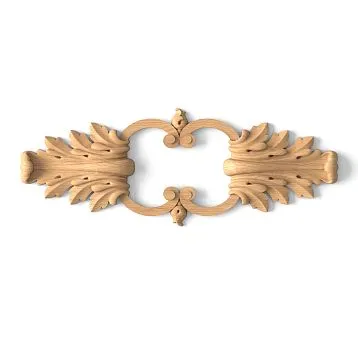
Our factory also produces:


Modern composite solutions
Progress does not stand still, and the modern furniture industry offers innovative materials combining the best qualities of traditional solutions with new possibilities.
Birch plywood is a material with outstanding strength characteristics. Its multi-layered structure ensures dimensional stability and resistance to deformation. Quality plywood can compete with solid wood in durability, surpassing it in stability.
Quartz aggregate countertops combine the beauty of natural stone with the practicality of artificial material. They do not absorb moisture, are resistant to acids and mechanical damage, and require no special care.
Get Consultation
Construction Secrets of Longevity
The quality of furniture is determined not only by materials but also by the methods of their joining. A well-designed construction can make even budget furniture long-lasting, while poor assembly will ruin even the most expensive materials.
Philosophy of Joints
Dowel joints are a classic in furniture manufacturing. A properly executed dowel-slot provides maximum strength and longevity. Such joints are used in premium furniture and require high skill from the craftsmen.
Cam locks are a modern solution for cabinet furniture. Quality cam locks provide reliable connections with the possibility of multiple disassembly and reassembly. It is important to pay attention to the material of manufacture — steel cam locks with coating last significantly longer than galvanized ones.
Excentric fasteners allow creating high-strength detachable joints. Often used in premium modern cabinet furniture. Require precise fitting and quality hardware.
Hardware as an Indicator of Quality
Hardware is the 'nervous system' of furniture. The quality of hardware determines the ease of use and longevity of the product. Saving on hardware is the first sign of low-quality furniture.
Hinges must ensure smooth opening and closing of doors without squeaking or play. Quality hinges are made of steel with anti-corrosion coating and are designed for hundreds of thousands of cycles of operation. Special attention should be paid to hinges with closers — they not only enhance user comfort but also extend the lifespan of the furniture.
Drawer guides are another critical element. Ball-bearing full-extension guides with smooth closing are a sign of quality furniture. They withstand heavy loads and ensure comfortable use.
Ergonomic Selection Principles
Beauty without functionality is a waste of money. Quality furniture should not only please the eye but also serve the person, creating a comfortable environment for living and working.
Anatomy of the Workstation
When choosing office furniture, ergonomic characteristics are of primary importance. The desk height should be 75 cm for average-height individuals, but it is better to choose models with height adjustment. The desk surface depth should be at least 60 cm to ensure comfortable monitor placement at a safe distance from the eyes.
Office chair — an investment in spinal health. A quality chair should have height adjustment, lumbar support, and armrests. The swivel mechanism should operate smoothly and lock in any position. The upholstery should be breathable to prevent overheating during prolonged work.
Sleep Zone: Quality of Sleep as the Foundation of Health
The bed is the central element of the bedroom, determining the quality of rest. The frame must be sufficiently strong to withstand loads without squeaking or sagging. The optimal height of the sleeping surface is 45-50 cm from the floor.
An orthopedic base with birch or beech slats provides proper mattress support and air circulation. The number of slats should be at least 15 for a single bed and 30 for a double bed.
The dimensions of the sleeping surface should ensure comfort for all users. The minimum width for one person is 90 cm, for a couple — 160 cm. The length should exceed the height of the tallest user by 15-20 cm.
Visual quality diagnosis
An experienced buyer can determine the quality of furniture at first glance. There are distinctive signs that allow distinguishing quality products from fakes.
Surfaces and finishes
The finish should be perfectly smooth, without bubbles, scratches, or chips. On Laminated Particleboard, laminate seams should not be visible. The edge should be glued evenly, without gaps or delamination.
Paint and varnish finishes on wooden furniture should be applied evenly, without streaks or color variations. Quality varnish forms a hard, mechanically resistant coating.
Decorative elements should be securely fastened, without play or visible defects. Poorly secured overlays and moldings are a sign of low-quality assembly.
Geometry and Precision of Manufacturing
Quality furniture has proper geometry. Corners must be strictly straight, gaps between doors and facades should be uniform around the entire perimeter. Doors should close tightly, without gaps or misalignment.
Symmetry is another important indicator. Handles, hinges, decorative elements must be positioned strictly symmetrically. Even minor deviations indicate a violation of manufacturing technology.
Ecological aspects of selection
In the modern world, ecological safety of furniture is becoming an increasingly important factor. Poor-quality materials and coatings may emit harmful substances negatively affecting health.
Certification and Standards
Formaldehyde emission class is a key indicator for furniture made of composite materials. Class E1 is considered safe for residential spaces, class E0 is the safest, suitable even for children's rooms.
FSC certification guarantees that the wood comes from sustainably managed forests. This is important not only for ecology but also for material quality — certified wood undergoes strict quality control.
Water-based varnishes and paints do not contain volatile organic compounds and are safe for health. Furniture with quality eco-friendly coatings does not have a sharp chemical odor.
Safety Testing
Before purchasing, check for unpleasant odors. Quality furniture smells like wood or has no odor at all. A sharp chemical smell indicates the use of poor-quality materials or violations in drying technology.
Pay attention to packaging — quality manufacturers use eco-friendly packaging materials and provide complete information about the product's composition.
Stylistic Compatibility and Future-Proofing
Quality furniture should not only look good today but remain relevant for many years. Fashion in the furniture industry is quite conservative, but some trends are worth considering.
Color Solutions
Natural wood tones always remain relevant. Oak, walnut, cherry — these colors have stood the test of time and easily match various interior styles.
White color is universal and visually expands space, but requires more careful maintenance. Quality white finishes do not yellow over time and are easy to clean.
Dark shades create an elegant atmosphere, but are suitable only for spacious rooms with good lighting.
Shape and Proportions
Classic proportions remain relevant regardless of fashion trends. Furniture with proper proportions looks harmonious in any interior.
Minimalist forms without excessive decoration remain modern for longer. Complex decorative elements quickly go out of style and complicate furniture maintenance.
Technological innovations in modern furniture
Modern quality furniture is increasingly equipped with technological solutions that enhance user comfort.
Built-in Technologies
LED lighting in cabinets and shelves is not only beautiful but also functional. Quality LED systems have a long service life and low energy consumption.
Wireless charging in countertops and nightstands is a convenient solution for modern lifestyle. It is important that such systems are integrated neatly, without compromising the product's aesthetics.
Soft-close systems are no longer a luxury but a standard for quality furniture. They extend the furniture's lifespan and enhance user comfort.
Smart Storage Solutions
Pull-out systems efficiently utilize the internal space of cabinets. Quality systems operate smoothly and withstand significant loads.
Modularity allows adapting furniture to changing needs. Quality modular systems have unified connection standards and can be supplemented with new elements.
Adaptation to Russian climate
When selecting quality furniture, regional climate conditions must be considered.
Humidity Regimes
In high-humidity regions, special attention should be paid to the moisture resistance of materials and coatings. Furniture should have additional water protection, especially in areas where contact with water is possible.
In dry regions, wooden furniture may crack due to moisture loss. It is necessary to monitor indoor humidity and use air humidifiers.
Temperature Fluctuations
Sharp temperature fluctuations are especially dangerous for furniture made of natural wood. Quality furniture should be made from well-dried wood and have a stable structure.
Central heating creates special operating conditions — low humidity and high temperature. Furniture should be adapted to such conditions.
Economic aspects of quality selection
Quality furniture requires significant investment, but with the right choice, it pays off through a long service life and preservation of consumer properties.
Ownership cost
The initial cost of quality furniture is higher, but the cost of ownership per year of operation is often lower than that of cheaper alternatives.
Maintenance costs for quality furniture are minimal — it does not require frequent repairs or replacement of components.
The residual value of quality furniture is significantly higher — it can be sold at a reasonable price if needed.
Budget optimization
Gradual purchase allows you to spread costs over time. Start with the most essential high-quality items, gradually enhancing the interior.
Invest in basic items — bed, desk, storage systems. Decorative elements can be purchased as opportunities arise.
Seasonal discounts and sales from quality manufacturers allow you to save significantly without compromising quality.
Service aspects of quality
Quality furniture implies not only a good product, but also accompanying services — delivery, assembly, warranty service.
Warranty obligations
Extended warranty is a sign of the manufacturer's confidence in the quality of their product. Quality furniture usually has a warranty of at least 3-5 years.
Hardware warranty is often provided separately and may last up to 10 years for premium brands.
Post-warranty service — the possibility of repair and replacement of components after the warranty period ends.
Professional assembly
Qualified assemblers ensure correct installation of furniture in accordance with all technical requirements. Incorrect assembly can negate all advantages of quality furniture.
Operating instructions should be detailed and clear. Quality manufacturers provide detailed care and maintenance manuals.
Trends in the furniture industry
Understanding industry trends will help make a forward-looking choice that remains relevant for many years.
Ecological orientation
Circular economy is becoming the standard — manufacturers are paying more attention to the possibility of recycling and reusing materials.
Biodegradable materials are gradually finding application in the furniture industry, especially in the temporary and children's furniture segments.
Local production reduces carbon footprint and supports regional economy, becoming increasingly popular among environmentally conscious consumers.
Technological Solutions
Internet of Things is integrated into furniture, creating smart systems for managing home environments.
Biometric security systems in furniture for storing valuables are becoming more accessible and reliable.
Adaptive furniture with the ability to change configuration depending on the situation is gaining increasing popularity.
Psychological aspects of quality selection
Quality furniture affects not only physical comfort, but also a person's psychological state.
Color psychology
Natural wood tones create a sense of warmth and coziness, promoting relaxation and reducing stress.
Light tones visually expand space and create a sense of cleanliness and order.
Dark colors give interiors a sense of solidity and elegance, but may create a feeling of heaviness in small rooms.
Ergonomics and Well-being
Correct working surface height prevents fatigue and back problems.
Quality lighting in work areas reduces eye strain and increases productivity.
Ergonomic soft furniture provides proper body support during rest.
Conclusion
Ability to choose quality furniture — is a comprehensive skill requiring knowledge in materials science, design, ergonomics, and construction. The foundation of proper selection lies in understanding that furniture is not merely interior decor, but tools for creating a comfortable and healthy living environment.
Quality furniture is distinguished not only by superior materials and flawless craftsmanship, but also by thoughtful functionality, durability, and adaptability to changing user needs. It is created with the understanding that it will serve for more than one year, so every detail—from the choice of wood to the last furniture screw—matters.
The modern market offers numerous solutions for any budget, but it is important to remember: cutting corners on quality ultimately costs more. Quality furniture is an investment in one’s own health, comfort, and quality of life. It does not require frequent replacement, is easy to maintain, and retains its properties for decades.
In a world where technology develops at rapid speeds and environmental requirements become stricter, choosing quality furniture takes on special significance. Manufacturers who understand these trends and are willing to invest in quality deserve special attention.
For many years, STAVROS has remained a benchmark for responsible production of furniture, combining traditional woodworking techniques with modern requirements for quality and environmental safety. Choosing STAVROS products means acquiring not just furniture, but a reliable partner in creating a comfortable and stylish interior for many years to come.