Article Contents:
- Philosophy of decorative finishing
- Emotional impact of architecture
- Material Foundation of Beauty
- Polyurethane Revolution
- Traditions and Innovations
- Typology of decorative elements
- Eaves as the crown of the building
- Moldings and their expressive power
- Window and Door Frames
- Columns and pilasters
- Cornices and Molding
- Stylistic directions
- Grandeur of Classicism
- Opulence of Baroque
- Elegance of Modernism
- Modern trends
- Technical aspects of application
- Interaction with building structures
- Climate impacts
- Questions of vapor permeability
- Installation process and its specifics
- Preparation stage
- Fastening technology
- Joint sealing
- Regional application specifics
- Northern Regions
- Southern Regions
- Coastal zones
- Seismically active zones
- Economic Aspects
- Comparative analysis of materials
- Impact on property value
- Regional differences in pricing
- Innovative technologies
- Computer-aided design
- High-precision manufacturing
- New materials and compositions
- Integration with modern technologies
- Lighting systems
- Security Systems
- Climate Systems
- Ecological Aspects
- Ecological Safety of Materials
- Impact on microclimate
- Questions of disposal
- Trends of development
- Personalization and uniqueness
- Intelligent Materials
- Ecological priorities
- Practical recommendations
- Style selection
- Material Quantity Calculation
- Selection of contractor
- Popular Questions and Answers

The human desire for beauty is ingrained in nature itself. When it comes to one’s own home, this desire manifests especially vividly.Facade decoration for exterior finishing of a houseBecomes a magical tool capable of transforming an ordinary building into a true architectural masterpiece. Each decorative element carries not only an aesthetic function but also a deep meaning reflecting the owner’s character and understanding of beauty.
In today’s world, where technology develops at an incredible pace, facade decoration art acquires new possibilities. What was once accessible only to the aristocracy and wealthiest families can now adorn the home of any person who values beauty and strives for perfection.Facade DecorationOpens boundless creative spaces, allowing every property owner to express their individuality and create a unique architectural image.
Russia, with its rich architectural traditions, has always been renowned for its ability to create magnificent structures. From ancient Novgorod churches to luxurious palaces in St. Petersburg, from Moscow teremok to Siberian mansions — everywhere we see a striving for decorative embellishment, a desire to endow every building with unique beauty and expressiveness.


Philosophy of decorative finishing
What drives a person when deciding to decorate their home? It is not merely a desire to stand out among neighbors or demonstrate material prosperity. Facade decoration is a means of expressing one’s soul, an opportunity to tell the world about one’s values, tastes, and dreams.Facade decoration for a houseBecomes the owner’s calling card, their creative manifesto.
Psychologists assert that our surrounding environment has a tremendous impact on our mood, well-being, and even success. A beautiful, harmoniously designed home creates positive energy, inspires new achievements, and fills life with joy. Every time returning home, the owner feels pride and satisfaction, seeing the result of their creative vision.
Architectural facade decorationCarries a deep cultural code. Through decorative elements, traditions of generations, national characteristics, and regional specifics are conveyed. A Russian terem with carved window frames tells one story, while a modern-style house with elegant molded ornaments tells a completely different one.




Emotional impact of architecture
Human perception of architecture occurs on many levels. We don't just see a building — we feel it. Strict classical forms evoke a sense of stability and reliability. Rich Baroque decoration creates a festive mood. Modern minimalist solutions calm and set a professional tone.
Facade decoration of a houseallows managing these emotional reactions. Thoughtfully selected elements can visually alter the building's proportions, making it appear taller or shorter, lighter or heavier, more open or, conversely, more intimate and cozy.
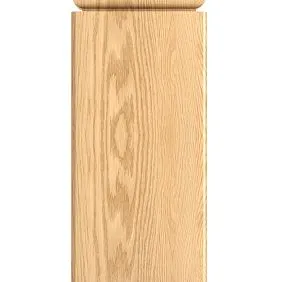
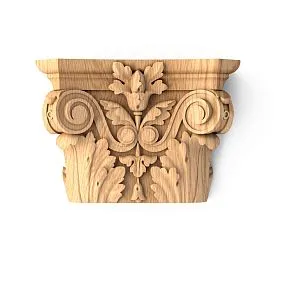
Our factory also produces:


Material basis of beauty
Choosing a material for manufacturing decorative elements is not only an aesthetic issue but also a practical one. Russia's climate, with its harsh winters, hot summers, abundant precipitation, and sharp temperature fluctuations, imposes strict requirements on facade materials.
Get Consultation
Polyurethane Revolution
Facade decoration made of polyurethanehas brought a true revolution to the world of architectural decoration. This unique material combines the best qualities of traditional materials while eliminating their drawbacks. Polyurethane does not fear frost, does not absorb moisture, does not fade in the sun, and does not deteriorate over time.
Imagine: decorative elements that look like exquisite stone carving, yet weigh dozens of times less than natural stone, are easy to install, and serve for decades without repair. This is not science fiction — it is the reality of modern polyurethane decoration production technologies.
The flexibility of polyurethane as a material opens up limitless possibilities for designers. It allows realizing the boldest architectural fantasies, creating elements of any complexity and configuration — from simple geometric forms to the most intricate floral ornaments — all within the reach of modern molding technologies.
Traditions and Innovations
Many skeptics claim that artificial materials cannot match natural ones in beauty and nobility. But this is a deep misconception. Modern technologies allow creatingFacade Molded Decorationof such quality that only a specialist can distinguish it from traditional stucco molding.
Moreover, polyurethane elements often surpass traditional ones in detail precision. Every minute detail of the ornament is reproduced with mathematical accuracy, which is practically impossible to achieve by hand using plaster or cement mortar.
Facade wood-grain decorationPolyurethane elements visually indistinguishable from natural wood, yet resistant to rot, insect damage, and requiring no constant maintenance. Such a solution is especially relevant for creating decoration in Russian folk style, where wooden elements play a key role.
Types of Decorative Elements
The richness of facade decoration forms is breathtaking. Over centuries of architectural art development, a complete system of decorative elements has emerged, each with its own purpose and symbolic meaning.
Eaves as the Crown of the Building
Eaves are rightly called the crown of the building. It completes the facade composition, creating a finished architectural image.facade decoration corniceIt may be simple and minimalist or richly decorated, but in any case, it plays a key role in forming the character of the building.
The history of eaves dates back to millennia. Even in ancient Greece, architects understood their importance in creating harmonious proportions. A classical eave consists of several elements: the cornice profile, frieze, and architrave. Each detail has its functional and symbolic significance.
The cornice profile protects the wall from rainwater runoff. Its shape and dimensions are calculated to effectively divert moisture away from the facade. But the beauty of a classical eave lies not only in its functionality but also in the perfection of its proportions, creating a sense of completion and harmony.
Moldings and Their Expressive Power
Facade Decoration Moldingsare universal elements capable of radically changing the perception of the facade. They serve to create frames, divide planes, and emphasize architectural features of the building. Properly placed moldings can visually alter the proportions of the building, making it appear more slender or, conversely, more grounded and substantial.
The art of placing moldings requires a deep understanding of compositional laws. Excessive use may create a sense of chaos and unease. Insufficient use makes the facade dull and lifeless. The architect’s mastery lies in finding the golden mean, creating rhythm and harmony.
Moldings can imitate various materials: stone, wood, metal. Modern technologies allow creating elements with any texture and color. Moldings with patina — artificial aging — especially look striking, giving the building a noble historical aura.
Window and Door Framing
Windows are rightly called the eyes of the house. Their treatment largely determines the expression of the entire facade.Facade decoration for windowscan transform simple rectangular openings into expressive architectural elements, creating a unique character for the building.
Traditionalwindow facade decorationincludes several mandatory elements. The window sill not only decorates the window but also protects the wall from water runoff. Side casings conceal the joints between the window frame and the wall, creating decorative framing. The upper element — the sash, overhang, or pediment — protects the window from direct precipitation and completes the composition.
facade decoration for exterior windowsmay vary from the simplest solutions to complex compositions with numerous decorative elements. In Russian style, carved lintels with plant motifs are popular. Classical style implies strict geometric forms and clear proportions. Modern style allows for asymmetrical solutions and natural motifs.
Columns and pilasters
A column is one of the oldest and most expressive architectural elements. It embodies the idea of support, stability, and reliability. Even when a column does not bear structural load and serves purely decorative purposes, it continues to symbolize strength and stability.
Classical architecture developed a strict system of orders — rules for constructing columns. The Doric order is characterized by strictness and masculinity. The Ionic order is more elegant and decorative. The Corinthian order impresses with its richness of plant motifs. Each order has its own symbolism and area of application.
In private home construction, pilasters — flat columns protruding from the wall — are more commonly used. They create a vertical rhythm on the facade, emphasize its height, and give the building a sense of grandeur.Production of facade decorationallows creating pilasters of any size and style, from classical to modern.
Rosettes and medallions
Outdoor decoration elementsOften include various rosettes and medallions. These elements serve to decorate smooth surfaces, create focal points, and introduce variety into the facade composition. Rosettes may feature geometric or plant motifs, depicting flowers, leaves, or fruits.
In classical architecture, rosettes are often arranged in a specific rhythm, creating a musical quality on the facade. They may be identical or vary in size and complexity, creating interesting compositional solutions. Modern technologies allow creating rosettes of any complexity, embodying the most daring design ideas.
Stylistic directions
Choosing the style of facade decoration is a key moment in creating the architectural image of a building. Each style has its own philosophy, distinctive features, and emotional tone.
The grandeur of classicism
Classical style in architecture is based on principles of ancient art. It is characterized by strict proportions, symmetry, and clarity of composition.Facade decoration elementsIn classical style, they are distinguished by noble restraint and perfection of forms.
The basis of classical decoration is the order system. Porticos with columns, triangular pediments, and entablatures — all these elements create a sense of monumentality and solemnity. A classical house seems to speak of the stability and respectability of its owners, of their commitment to traditional values.
The color palette of classical style is usually restrained. White, cream, various shades of gray and beige create a calm, noble palette. Gilding is used very sparingly, only to highlight the most important elements.
The opulence of baroque
Baroque is a style of contrasts and emotions. If classicism strives for harmony and calm, baroque seeks dynamism and theatricality.Outdoor home decorationIn baroque style, decorative elements abound, creating a rich play of light and shadow.
Characteristic features of baroque — curved lines, abundance of sculptural ornamentation, complex compositions of plant and sculptural motifs. Scrolls, cartouches, putti, garlands — all this creates a sense of festivity and abundance. A baroque facade never leaves one indifferent; it demands attention and admiration.
The color palette of baroque is more saturated than that of classicism. It uses contrasting combinations, gilding, and patination. Each element strives to attract attention and create maximum decorative effect.
The elegance of modernism
Modernism brought a fundamentally new approach to decoration in architecture. Instead of repeating ancient models, modern architects turned to nature, drawing inspiration from plant and animal forms.decor for exterior wallsIn modern style, it often imitates ocean waves, plant stems, and flower petals.
Asymmetry becomes an important compositional technique. Windows may vary in size, decorative elements are arranged not in a strict order but create picturesque compositions. The color palette of modernism often includes natural tones: green, brown, golden.
Modernism is especially popular in country house architecture.Outdoor decoration for a dachaIn this style, it creates a sense of closeness to nature and harmony with the surrounding landscape.
Modern trends
Modern architecture offers numerous stylistic solutions. Minimalism advocates simplicity of forms and rejection of excessive decoration. High-tech uses modern materials and emphasizes technological sophistication. Loft imitates industrial aesthetics.
But even in modern styles, decoration does not disappear completely. It becomes more concise, but no less expressive.Facade decoration materialsallow creating elements that harmoniously fit into the modern architectural environment.
Technical aspects of application
The beauty of facade decoration is inseparably linked to technical aspects of its application. Incorrect material selection or violation of installation technology can not only reduce the aesthetic effect but also harm the building.
Interaction with building structures
facade decoration manufacturingDecorative elements must be securely attached to load-bearing structures without creating additional loads exceeding calculated values.
Special attention must be paid to junctions where decoration meets insulation systems. Cold bridges can not only reduce building energy efficiency but also lead to condensation, freezing of moisture in structures, and their destruction.
Modern mounting systems allow reliable fixation of even large decorative elements. Special anchors, dowels, and adhesive compounds are used, each designed for specific types of substrates and loads.
Climate Influences
Russian climate imposes special requirements on facade materials. Temperature fluctuations from -40°C in winter to +35°C in summer, freeze-thaw cycles, ultraviolet radiation, wind loads — all these factors must be considered when selecting decorative elements.
Facade decoration made of polyurethane for exterior finishingPerforms excellently under Russian conditions. The material retains its properties over a wide temperature range, does not absorb moisture, is resistant to ultraviolet and mechanical impacts.
Proper surface preparation before installation is crucial. The substrate must be strong, dry, and free of dust and contaminants. If necessary, it is primed with special compounds that improve adhesion.
Moisture permeability issues
Modern requirements for building energy efficiency have led to widespread use of external insulation systems. It is critically important to follow the principle of decreasing material permeability from inside to outside. Violating this principle may lead to moisture accumulation within the wall structure and all resulting consequences.
Decorative elements must account for these requirements. When using materials with low permeability, special measures must be taken to ensure ventilation of the structure.
Installation process and its specifics
Quality installation is the guarantee of the longevity and beauty of facade decoration. This process requires not only technical knowledge but also artistic sense and understanding of compositional principles.
Preparation Stage
Any installation begins with careful preparation. The project is studied, the sequence of work is determined, necessary materials and tools are prepared. Special attention is paid to marking — the accuracy of marking directly determines the final result.
The surface of the substrate must be prepared according to the technology requirements. All contaminants, flaking areas of old coatings, and efflorescences are removed. If necessary, leveling is performed using plaster compounds.
Marking is performed using laser levels, plumb bobs, and measuring tools. Each element must be installed precisely according to the project. Even minor deviations may disrupt the overall facade composition.
Fastening Technology
buy facade decorAdhesive application is only half the job. The other half is installing it correctly. Modern adhesive compounds ensure reliable connection of decorative elements to the substrate. Additional mechanical fastening is provided for large and heavy components.
Adhesive is applied to the entire surface of the element in an even layer. It is important to avoid air bubbles, which may cause delamination. After installation, the element is pressed against the substrate and held in place until the adhesive sets.
Mechanical fastening is performed using dowels or anchors selected according to the type of substrate and weight of the element. Holes for fasteners are neatly filled with repair compounds.
Joint sealing
Quality sealing of joints is one of the most critical moments of installation. Joints must be filled with elastic sealants that compensate for thermal deformations and prevent moisture penetration.
The choice of sealant depends on the material of the decorative elements and operating conditions. For outdoor use, frost-resistant compounds with high elasticity and adhesion are used. The color of the sealant is matched to the main coating.
After the sealant has cured, excess material is carefully removed, and the surface is sanded to achieve a smooth transition. Joints may be additionally painted if necessary.
Regional application specifics
Russia’s vast territory is characterized by diverse climatic conditions, which influence the selection and application of facade decoration.
Northern regions
In the Far North, where temperatures may drop to -50°C and below, special requirements are imposed on the frost resistance of materials.Facade decoration for exterior finishingFor such conditions, materials that have passed frost resistance tests are required.
The number of decorative elements in northern regions is usually limited. Simple, functional forms are preferred. Complex profiled elements may cause snow and ice accumulation, creating additional loads on structures.
Special attention is paid to sealing joints. Even the smallest gaps may allow moisture to penetrate, which, upon freezing, will destroy decorative elements.
Southern regions
In southern regions, the main problem is protection against intense ultraviolet radiation. Solar radiation may cause fading and degradation of polymer materials.Facade decoration MoscowCities such as %s and other southern cities require the use of UV-stabilized materials.
High summer temperatures cause significant thermal deformations. Fastening systems must allow for thermal movement, preventing cracking of elements.
The humid climate of southern regions promotes the growth of microorganisms. Decorative elements must be resistant to biological degradation or treated with special protective compounds.
Coastal zones
Facade Decoration SPBCoastal cities should consider the specifics of the marine climate. High humidity, salt fogs, frequent temperature and humidity fluctuations create an aggressive environment for building materials.
Salts contained in sea air can cause corrosion of metal fasteners and salt efflorescence on the surface of decorative elements. Corrosion-resistant fastening systems and materials resistant to salt aggression must be used.
Seismically active zones
In regions with high seismic activity, the fastening of decorative elements must ensure not only static strength but also resistance to dynamic loads. Elastic fastening systems are used, capable of compensating for structural movements without damaging the decor.
Economic Aspects
The issue of cost is always important when selecting facade decoration. However, economic analysis must consider not only initial costs but also operational expenses over the entire service life.
Material comparison analysis
Facade decoration priceWhich may seem expensive, often proves to be a more cost-effective solution in the long term. High-quality polyurethane elements last 30-50 years without significant repair, whereas cheaper materials may require replacement within 10-15 years.
It is important to consider not only the cost of the elements themselves, but also the costs of installation, finishing, and maintenance. Lightweight polyurethane parts are faster and easier to install, reducing labor costs. They do not require additional structural reinforcement, which also saves money.
The cost of decoration made from different materials can vary significantly. Budget solutions made of polystyrene foam are accessible to a wide range of consumers. Polyurethane elements occupy a mid-range price segment. Natural materials — stone, wood, ceramic — usually have the highest cost.
Impact on property value
Well-executed facade decoration significantly enhances the attractiveness of a building and its market value. Experts estimate a value increase of 10 to 20% depending on the quality and style of the finish.
A decorated facade attracts more attention from potential buyers, shortening the time to sell real estate. A beautiful home is easier to rent and at a higher price. Thus, investments in facade decoration often pay off not only aesthetically but also financially.
Regional differences in pricing
The cost of facade decoration can vary significantly by region. In large cities, prices are usually higher due to higher service and logistics costs.catalog of facade decorationThis allows comparing prices and selecting the optimal solution.
Transportation costs can constitute a significant portion of the total cost, especially for large-sized elements. Therefore, it is more advantageous to work with manufacturers who have an extensive distribution network or their own logistics.
Innovative technologies
ModernProduction of facade decorationWe continuously introduce new technologies that allow creating higher quality, longer-lasting, and more beautiful products.
Computer Design
The use of computer-aided design (CAD) systems has revolutionized the process of creating decorative elements. Designers now have the ability to create complex shapes, accurately calculate their parameters, and visualize the final result even before production begins.
3D modeling allows the client to see how their home will look after installing the decoration. One can experiment with different options, select optimal sizes and proportions of elements, and choose color schemes.
Computer models are used not only for visualization but also for direct control of manufacturing equipment. This ensures perfect manufacturing accuracy and full compliance with the project.
High-precision manufacturing
Modern CNC machines allow manufacturing decorative elements with precision down to fractions of a millimeter. This is especially important for complex profiled parts, where even minor deviations can disrupt the overall composition.
Automation of production not only increases precision but also reduces the cost of products. Mass production allows offering consumers high-quality decoration at affordable prices.
Quality control at all stages of production ensures consistently high product quality. Each element is checked for compliance with technical requirements before being shipped to the customer.
New Materials and Composites
Continuous development of new materials for facade decoration is underway. Modern composites combine the best properties of various components: the lightness of polystyrene foam, the strength of polyurethane, and the decorative qualities of natural stone.
Nanotechnology allows creating materials with specified properties. Self-cleaning surfaces, color-changing surfaces depending on lighting, with antibacterial properties — all of this is no longer science fiction but reality.
Environmental requirements stimulate the development of materials based on renewable resources. Biopolymers and composites with natural fillers allow creating environmentally safe decoration without compromising quality or durability.
Integration with modern technologies
A modern home is a complex technical system, equipped with various equipment. Facade decoration must organically integrate with engineering systems without interfering with their operation.
Lighting Systems
Architectural lighting can dramatically change the perception of a building at night.Where to buy facade decorationIn which channels for lighting installation are provided, can be obtained from specialized manufacturers.
Hidden crown lighting creates an effect of floating elements in the air. Recessed spotlights embedded in decorative elements allow creating various lighting scenarios. Colored lighting opens additional creative possibilities.
LED technologies have made architectural lighting accessible and economical. LEDs emit almost no heat, have a long service life, and consume minimal electricity.
Security systems
Security cameras, motion sensors, and alarm sirens — all these elements must be organically integrated into the architectural composition. Decorative elements can serve as camouflage for technical devices, preserving the facade’s aesthetics.
Modern security systems are becoming increasingly compact, facilitating their integration with decorative elements. Wireless technologies eliminate the need for cable installation, simplifying mounting.
Climate Systems
Air conditioners, ventilation grilles, and drainage systems also require consideration when designing facade decoration. Outdoor air conditioner units can be concealed with decorative grilles. Ventilation ducts can be integrated into cornices.
Proper planning during the design stage allows avoiding conflicts between decorative and technical elements, creating a harmonious facade composition.
Ecological aspects
Questions of ecological safety are becoming increasingly relevant. Modern facade decoration should not only adorn the building but also be safe for humans and the environment.
Ecological safety of materials
High-quality polyurethane materials do not emit harmful substances during operation. However, it is important to choose products from reputable manufacturers with appropriate safety certifications.
Some budget materials may contain toxic components or emit harmful substances when heated. Therefore, saving on material quality may lead to serious health problems.
When selecting paints and coatings, it is also important to pay attention to their ecological characteristics. Water-dispersible compositions are generally safer than those containing organic solvents.
Impact on Microclimate
A properly designed facade decoration can improve the microclimate around the building. Cornices and overhangs create shaded zones, reducing wall overheating in summer. Textured surfaces promote better air circulation.
Some manufacturers develop decorative elements with special properties: ability to absorb pollutants from the air, neutralize odors, generate negative ions. Such technologies are still in development but already show promising results.
Waste disposal issues
When planning facade decoration, it is important to consider not only its installation but also its future disposal. Materials should be designed to allow recycling or safe disposal.
Modular construction of decorative elements allows replacing individual damaged parts without dismantling the entire system. This not only saves money but also reduces waste.
Trends in development
The world of facade decoration is constantly evolving. New materials, technologies, and design solutions are emerging. What trends will shape the industry's development in the coming years?
Personalization and uniqueness
Mass production is giving way to individualized solutions. Clients increasingly want unique decoration reflecting their personality and taste. Modern technologies allow producing exclusive elements in single units without significant cost increases.
3D printing opens new possibilities for creating complex shapes unattainable by traditional methods. It is possible to manufacture a decorative element according to an individual sketch, realizing any design idea.
Intelligent materials
The development of nanotechnology leads to the emergence of "smart" materials with programmable properties. Decorative elements may change color depending on the season, temperature, or lighting. Self-diagnostic capabilities will allow materials to "report" when repair or replacement is needed.
Self-healing coatings will be able to repair minor damage without human intervention. Photocatalytic surfaces will purify air from pollutants.
Environmental Priorities
Requirements for ecological safety will only become stricter. Manufacturers are forced to develop more eco-friendly materials and technologies. Interest is growing in using renewable raw materials and recycled materials.
The "green building" concept includes not only energy efficiency but also minimizing the environmental footprint at all stages of a building's life cycle.
Practical Recommendations
How to choose the optimal solution for a specific object? What should be considered when purchasing and installing facade decoration?
Style selection
The style of facade decoration should match the building's architecture and surrounding development. Baroque decoration would be inappropriate for a modern minimalist house, while strict classical forms may appear dull on a cabin in the forest.
It is important to consider not only personal preferences but also urban planning regulations. Historical zones may have restrictions on the use of certain materials and styles.
Consulting with an architect will help avoid mistakes and create a harmonious appearance. A professional will consider all nuances and propose the optimal solution.
Material quantity calculation
Accurate calculation of the required material quantity will help avoid unnecessary expenses and work delays. It is better to order material with a small surplus in case of damage during transportation or installation.
When calculating, it is important to consider not only main elements but also finishing details: corners, joints, transitions. Often, it is precisely these small details that determine the quality of the final result.
Contractor Selection
The quality of installation is no less important than the quality of the material. It is worth choosing contractors with experience in facade decoration, studying their work examples, and reading customer reviews.
It is good if the contractor has their own installation crews. This guarantees responsibility for the quality of work and adherence to deadlines.
Popular questions and answers
How long does modern facade decoration last?
Service life depends on the material and operating conditions. High-quality polyurethane elements last 30-50 years without major repairs. Foam polystyrene products usually require renewal every 15-20 years.
Is it possible to install decor in winter?
Most modern materials can be installed at negative temperatures, but using special frost-resistant adhesives. The optimal temperature for installation is from +5°C to +25°C.
Does facade decoration require special care?
Modern materials require almost no special care. It is enough to periodically wash the elements with water and a mild detergent. Every few years, the protective coating may need to be renewed.
Can decoration be repainted?
Most materials can be repainted using special facade paints. It is important to ensure the paint is compatible with the base material and to properly prepare the surface.
Does decoration affect the home's insulation?
When installed correctly, decoration does not worsen the wall's insulation properties. Some elements may even improve protection against atmospheric conditions.
What warranty is provided for facade decoration?
Manufacturers of quality decoration typically provide a 10-15 year warranty on the material and a 3-5 year warranty on installation work. It is important to keep documentation and follow usage conditions.
Can different materials be combined?
Combining materials is possible, but requires a professional approach. Different materials have different