Article Contents:
- Revolution of materials and technologies
- Price accessibility of quality decoration
- Criteria for correct selection of facade decoration
- Architectural compatibility and stylistic unity
- Technical characteristics and operational requirements
- Budget planning and economic efficiency
- Typology of decorative elements for buyers
- Horizontal elements and their functions
- Vertical elements and volumetric compositions
- Functional and protective elements
- Materials: comparative analysis for buyers
- Traditional materials in modern interpretation
- Polyurethane compositions: market leader
- Composite materials of new generation
- Manufacturers and suppliers: how to choose a reliable partner
- Criteria for evaluating a manufacturer
- Analysis of price offers
- Supplier service capabilities
- Online vs offline purchases: advantages and risks
- Advantages of online purchases
- Features of offline purchases
- Hybrid purchasing models
- Logistics and delivery: planning for receiving goods
- Delivery methods and their specifics
- Planning delivery timelines
- Packaging and product protection
- Installation and mounting: what buyers need to know
- Requirements for the base
- Methodology of measurement works
- Mounting systems
- Sealing and finishing
- Calculating material needs and budget planning
- Structure of project costs
- Structure of project costs
- Ways to optimize costs
- Quality control during purchasing
- Visual inspection of products
- Documentation verification
- Market Trends and Innovations
- Technological Innovations
- Ecological trends
- Design directions
- Legal aspects of purchasing
- Consumer rights
- Contractual Relationships
- Certification and standardization
- Frequently Asked Questions
- Conclusion

Dreaming of turning your home into an architectural masterpiece, but not knowing where to start? Planning Facade decoration for exterior house finishing purchasebut getting lost in the variety of offers? The modern market of decorative elements offers amazing opportunities to realize the boldest design ideas, but requires a knowledgeable approach to selection and purchase.
The times when beautiful facade decoration was a privilege of palaces and mansions are long gone. Today, every home owner can afford striking architectural styling thanks to revolutionary materials and production technologies. Polyurethane compositions, replacing heavy stone and fragile plaster, have ushered in a new era of accessible beauty.
But how not to get lost among thousands of offers? What criteria should determine the choice? Where can one surely find quality products at a fair price? How to avoid typical buyer mistakes and get exactly what you dreamed of? In this comprehensive guide, we answer all questions related to purchasing facade decoration, help you navigate market offerings, and make the right choice.


Modern facade decoration market: landscape of opportunities
The Russian market of architectural decoration is experiencing a period of rapid development. If just a decade ago the choice was limited to a few types of products from local manufacturers, today buyers have access to an extensive range of solutions for any style, budget, and architectural task.




Revolution in materials and technologies
The main revolution of recent years has been the shift from traditional materials to modern polymer compositions. Polyurethane Items Radically changed perceptions of the possibilities of facade decoration. Lightweight by five times less than stone with comparable strength, ability to reproduce the finest details, resistance to any climatic influences — these advantages have made polyurethane decoration the market leader.
Injection molding technology ensures reproduction of the finest relief details with museum-level accuracy. Modern production lines are capable of creating elements of any complexity — from the simplest moldings to the most intricate sculptural compositions. Computer-controlled processes guarantee consistent quality of each item.
Digital design has opened opportunities for creating individual solutions. The client can participate in the development process of unique decoration, see the result in 3D visualization even before production begins, and make adjustments at any stage of design.
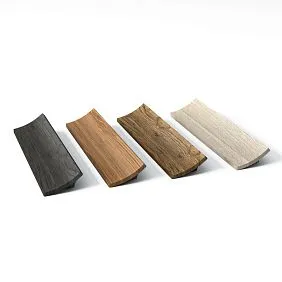
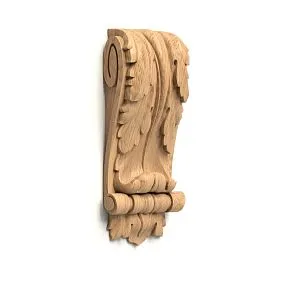
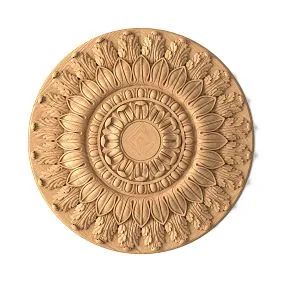
Our factory also produces:

Price accessibility of quality decoration
Price democratization has become one of the main market trends. If previously quality facade decoration was accessible only to wealthy clients, modern technologies have made it a mass product. The cost of polyurethane elements is 30-50% of the price of stone analogs with superior performance characteristics.
Competition among manufacturers stimulates continuous price reduction while improving quality. The emergence of regional manufacturers has reduced logistics costs, positively affecting the final product price for consumers.
The development of online trade has eliminated intermediaries from the supply chain, allowing customers to purchase products directly from manufacturers. This has ensured additional savings and increased pricing transparency.
Get Consultation
Criteria for selecting facade decoration correctly
Successful purchase begins with understanding your own needs and capabilities. Facade decoration for exterior house finishing purchase It is worth only after careful analysis of numerous factors affecting the final result.
Architectural compatibility and stylistic unity
The first and most important criterion — the chosen decoration must match the architectural style of the building and surrounding structures. A classical mansion requires elements in a historical style, a modern building — minimalist geometric forms, a country house — a more free interpretation of canons.
The scale of elements must correspond to the size of the building. Too large details overwhelm the architecture of small houses, while small details get lost on large facades. The golden rule — the size of decorative elements should be 1/20-1/15 of the facade height.
Color selection requires special attention to perception under different lighting conditions. Daylight and evening light, summer and winter sun affect color and contrast perception differently. It is recommended to test samples under real operating conditions.
The quantitative balance of elements determines the overall impression of the facade. Insufficient decoration makes the building unremarkable, excess overloads the composition. The optimal solution — accentuating key facade zones while keeping secondary areas understated.
The climatic conditions of the operating region determine material requirements. Northern regions require enhanced frost resistance, southern regions — enhanced UV protection, coastal areas — resistance to salt corrosion.
The load-bearing capacity of walls limits the mass of mounted decorative elements. Lightweight polyurethane elements can be installed on any structure, while heavy stone elements require preliminary load calculations and possible foundation reinforcement.
Accessibility for maintenance affects material selection and mounting methods. Elements installed at great heights or in hard-to-reach locations must have maximum durability and minimal maintenance requirements.
Compatibility with facade systems ensures the longevity of the entire structure.
must harmoniously integrate with insulation, cladding, and engineering utilities. Moldings, cornices, and pilasters Budget planning and economic efficiency
The overall project budget must include not only material costs but also delivery, installation, and additional work. Hidden expenses may account for up to 50% of the cost of the elements themselves, therefore requiring preliminary planning.
Price-to-quality ratio is a key selection factor. The cheapest items often turn out to be uneconomical due to short service life and high operating costs. Premium solutions may be excessive for simple tasks.
Long-term economic efficiency considers the entire lifecycle of the decorative system. Quality
recoup initial investments through longevity and minimal operating costs. Polyurethane appliqués Impact on property value — an important economic factor. Quality facade decoration increases the market value of a property by 15–25%, making investments in architectural design economically justified.
Decorative element typology for buyers
Understanding the classification and purpose of different elements will help form the correct order and avoid unnecessary expenses. Modern
includes dozens of product categories, each serving specific functions. Architectural decoration Horizontal elements and their functions
Various types of cornices form the horizontal structure of the facade. Finishing cornices complete the building, creating an expressive silhouette and protecting walls from atmospheric precipitation. Floor cornices divide the facade into tiers, emphasizing its proportions.
Pilasters and friezes create decorative horizontals that enrich the architectural composition. They can be smooth or ornamented, simple or complexly profiled, depending on stylistic requirements.
Base elements protect the lower part of the building from mechanical damage and moisture. They must be especially strong and moisture-resistant, as they operate under the most aggressive conditions.
Sill elements and sills protect openings from direct rain impact. In addition to their functional role, they perform an important compositional task, emphasizing the rhythm of window openings.
Vertical elements and volumetric compositions
Columns and pilasters create the vertical structure of the facade, giving it grandeur and scale. Full columns are used in porticos and colonnades, while pilasters are used to decorate flat walls.
Window and door casings frame openings, emphasizing their architectural significance. Simple, straight-line casings suit modern styles, while complexly profiled casings are suitable for classical styles.
Corner elements — rusts, coves, and counterforts — highlight the building’s constructive logic. They create an impression of strength and solidity, especially important for public and commercial buildings.
Decorative inserts — rosettes, medallions, cartouches — are used for placing symbolic information or creating accents in the composition. They must be carefully planned and proportioned.
Functional and protective elements
Drainage systems can be integrated into the facade’s decorative composition. Gutters, downspouts, and pipes, executed in a unified style with the rest of the decor, create a harmonious architectural image.
Ventilation elements — grilles, boxes, deflectors — also require stylistic unity. Modern manufacturers offer decorative ventilation elements indistinguishable from purely decorative ones.
Balcony railings, stair railings, and parapets combine decorative and protective functions. They must meet safety requirements while maintaining aesthetic appeal.
Canopies and awnings protect entrances from atmospheric precipitation, but can also become expressive accents of the facade.
Canopies and awnings protect entrances from atmospheric precipitation, but can also become expressive accents of the facade. Facade molding Often used for decorating load-bearing structures of canopies.
Materials: comparative analysis for the buyer
The choice of material determines not only the appearance, but also the durability, operating cost, and ease of installation of the decorative system. The modern market offers several main groups of materials, each with its own advantages and limitations.
Polyurethane compositions: market leader
Polyurethane has become the number one material due to its unique combination of properties. Density of 500-700 kg/m³ ensures light construction, compressive strength up to 80 MPa — reliability in operation. Frost resistance exceeding F300 cycles guarantees longevity in the Russian climate.
The technological versatility of polyurethane allows creating items of any complexity. Casting in molds ensures reproduction of the finest relief details, mechanical processing — precise dimensional fitting. The material easily accepts any facade paints.
The economic efficiency of polyurethane solutions is evident in the long term. Initial cost is 50-70% lower than stone analogs, operating expenses are minimal due to resistance to atmospheric effects.
Ecological safety is confirmed by international certificates. Fully polymerized material does not emit harmful substances, is resistant to biological damage, and is recyclable at the end of its life cycle.
New-generation composite materials
Fiberglass combines the lightness of polymers with the strength of reinforcing fibers. Specific strength exceeds steel's indicators at three times lower density. The material is ideal for large-scale elements — large cornices, panels, volumetric compositions.
Fibrocement represents the premium segment of the market. Reinforcement with dispersed fibers creates an isotropic material with high mechanical characteristics. Service life is measured in decades without the need for maintenance.
Polymer concrete combines the strength of mineral fillers with the technological versatility of polymer binders. The material allows producing thin-walled items of complex geometry with excellent surface quality.
Traditional materials in modern interpretation
Natural stone retains its position in the premium segment due to prestige and timeless beauty. Modern processing technologies allow creating complex profiles, but high cost and large mass limit its application.
Cement-based artificial stone offers a compromise between natural materials and polymer composites. Lower cost while retaining stone texture makes it attractive for certain applications.
Polymer-modified gypsum improves traditional material characteristics. Increased moisture resistance expands application scope, but usage remains limited to interior works and protected facade zones.
Manufacturers and suppliers: how to choose a reliable partner
Project success largely depends on the correct choice of supplier. The market offers products of varying quality and price categories, thus requiring careful analysis of proposals.
Criteria for evaluating the manufacturer
Production capacity and technological equipment determine the manufacturer's capabilities. Modern equipment — computer-controlled injection machines, climate chambers, measuring systems — guarantees stable product quality.
Quality management system certified according to ISO 9001 confirms the enterprise's ability to consistently produce products of specified quality. Presence of an in-house quality control laboratory ensures independent assessment of product characteristics.
Portfolio of completed projects demonstrates practical experience and manufacturer reputation. Participation in prestigious projects — monument restoration, landmark construction — indicates a high professional level.
Supply geography characterizes the scale of activity and logistics capabilities of the company. Wide geographic coverage indicates product recognition in various regions, a developed distribution network, and a reliable logistics system.
Analysis of price offers
Pricing structure should be transparent and understandable. Hidden additional charges for non-standard sizes, urgency, small batches may significantly increase the final order cost. Honest manufacturers indicate all price components in advance.
Discount and bonus systems encourage long-term cooperation. Progressive discounts for volume, benefits for regular customers, loyalty programs make purchases more cost-effective while maintaining product quality.
Payment and delivery terms affect the overall project cost. Options for installment payments, material prepayment, and credit for construction work expand the customer's financial possibilities. Including delivery in the cost simplifies budget planning.
Warranty obligations protect the buyer's interests. Standard 3-5 year warranty for polyurethane products, extended up to 10-15 years for premium products, provides confidence in the quality of the purchase.
Supplier service capabilities
Consultative support during the design phase helps make correct decisions. Qualified specialists must provide technical information, application recommendations, and material requirement calculations.
Custom design services open opportunities for creating unique solutions. 3D modeling, prototype manufacturing, and adaptation of standard items to specific requirements add value to the product.
Installation services or recommendations for verified contractors ensure quality installation of decorative elements. The manufacturer better understands the specifics of its product and can guarantee correct installation.
After-sales service includes warranty and post-warranty service, spare parts supply, and technical support during operation. A reliable supplier maintains relationships with customers throughout the product's entire life cycle.
Online vs Offline Purchases: Advantages and Risks
The development of e-commerce has changed the ways of acquiring construction materials. Facade decoration for exterior house finishing purchase Today, one can purchase both traditionally and through internet platforms.
Advantages of Online Purchases
The breadth of choice is the main advantage of online trade. Online catalogs contain thousands of positions from various manufacturers, which is impossible to present in a physical exhibition hall. Search systems and filters help quickly find the required items.
Price transparency allows easily comparing offers from different suppliers. Automated systems for calculating order cost eliminate errors and misunderstandings. Current prices are updated in real time.
The convenience of the purchasing process saves time and effort. An order can be placed at any time of day, without leaving home or office. Electronic document flow accelerates the procedures for ordering and payment.
Access to detailed technical information helps make informed decisions. Detailed descriptions, drawings, video reviews, and reviews from other buyers provide comprehensive information about the product.
Features of Offline Purchases
Physical inspection of samples allows assessing the actual quality of materials, surface texture, and dimensional accuracy. Tactile sensations often play a decisive role in selecting decorative elements.
Personal consultations with specialists ensure an individual approach to each project. An experienced consultant can suggest alternative solutions, point out possible problems, and provide practical advice.
The possibility of immediate delivery is important for urgent orders. Retail outlets' warehouses contain stocks of popular items available for immediate delivery.
Building long-term relationships with suppliers simplifies solving non-standard tasks. Personal contacts help obtain individual terms, priority service, and support in difficult situations.
Hybrid Purchase Models
Modern successful companies combine the advantages of both models. Online catalogs are supplemented with exhibition halls, internet orders are accompanied by personal consultations, and electronic payments are combined with traditional payment methods.
A multi-channel approach allows customers to choose the most convenient method of interaction at each stage of the purchase. Studying the assortment online, phone consultations, sample inspection in a showroom, and placing an order through the website — such flexibility increases customer satisfaction.
Logistics and delivery: planning product receipt
Features of facade decorative elements — variety of sizes, need to preserve surface quality, seasonality of construction work — require a special approach to organizing delivery.
Delivery Methods and Their Features
Road transport remains the primary method of transporting decorative elements. Specialized vehicles with soft suspension and cargo securing systems ensure the preservation of items during transport.
Rail transport is used to deliver large batches of goods to remote regions. Container transport protects cargo from atmospheric effects but requires additional packaging and increases delivery time.
Air transport is used in exceptional cases for urgent orders of small batches of goods. High cost limits the use of this method to particularly valuable or unique items.
Self-pickup from the manufacturer's or distributor's warehouse reduces transportation costs but requires suitable transport and loading capability. Many buyers choose this option to save money.
Packaging and protection of goods
Specialized packaging of decorative elements takes into account their geometric features and requirements for surface preservation. Polyurethane items are packaged in multi-layer protective materials preventing mechanical damage.
Individual packaging of complex elements ensures maximum protection. Molded inserts replicate the item's geometry, preventing movement and impacts during transport. Each element is marked for easy identification.
Group packaging of similar elements optimizes transport space usage. Special spacers between items prevent contact and mutual damage.
Climate protection is important for long-term transport and storage. Moisture-resistant materials protect against condensation, and temperature compensators prevent deformation due to temperature fluctuations.
Planning Delivery Timelines
The production cycle for standard items is 5-10 days, for custom orders — 2-4 weeks. Order planning must account for these timelines plus delivery time to ensure materials arrive at the site on time.
The seasonality of construction work affects production and transportation company loads. Spring-summer peak may increase manufacturing and delivery times by 1.5-2 times. Winter orders are processed faster and are cheaper.
Coordinating with construction work progress ensures optimal material and labor use. Phased delivery of elements as the site becomes ready for installation prevents overstocking the site.
The reserve time in the schedule accounts for possible delays due to reasons not dependent on the supplier. A reserve of 10-15% of the schedule compensates for force majeure circumstances without disrupting the construction timeline.
Installation and mounting: what the buyer needs to know
The quality of installation determines the durability and aesthetic qualities of the decorative system no less than the characteristics of the elements themselves. Understanding the basic principles of installation will help control the process and achieve the optimal result.
Requirements for the base
The strength of the base must ensure secure attachment of decorative elements for the entire service life. The minimum pull-out strength is 0.5 MPa for light elements and 1.0 MPa for heavy ones. Testing is performed using specialized instruments — adhesion meters.
Geometric parameters of the base affect the quality of element fitting. Deviations from the plane should not exceed 3 mm per meter of length to achieve a quality result. Significant irregularities require preliminary leveling.
The base's moisture content must be stabilized before mounting begins. Excessive moisture reduces the adhesion of adhesive compositions and may lead to element delamination. Moisture control is especially important for new structures.
Surface cleanliness is ensured by removing dust, dirt, peeling coatings, and efflorescence. Contaminants create a barrier between the base and adhesive, reducing connection strength. Degreasing is necessary in the presence of oily contaminants.
Mounting Systems
Adhesive bonding ensures even load distribution across the entire contact area. Specialized polyurethane adhesives create a strong and elastic bond, compensating for thermal deformations.
Mechanical fastening using anchors or self-tapping screws is used as the primary method for heavy elements or as supplementary for securing light elements. The number and placement of fastening points are calculated based on loads and base characteristics.
Combined fastening combines the advantages of both systems. Adhesive provides the primary connection, while mechanical fastening safeguards against extreme loads. This system guarantees maximum reliability.
Hidden fastening preserves facade aesthetics by concealing fastening elements. Special systems allow attaching elements from the inside through technological holes or grooves.
Sealing and finishing
Sealing joints prevents moisture penetration into the structure and ensures the aesthetic appearance of connections. Polyurethane sealants have high elasticity and adhesion to various materials.
Thermal expansion joints compensate for thermal deformations of long elements. Joint width is calculated based on climatic conditions, construction materials, and element length.
Painting elements can be performed before or after installation. Pre-painting ensures better
finish quality, but requires careful handling during transportation and installation. Painting after installation hides installation marks but requires more time and effort.
UV-filter protective coatings prevent fading and material degradation. Modern compositions ensure color stability for 10-15 years when applied according to technology.
Calculating Requirements and Planning Budget
Accurate calculation of required materials eliminates shortages or excesses of decorative elements. Facade decoration for exterior house finishing purchase This should follow detailed measurements of the object and preparation of specifications.
Measurement methodology
Accurate measurements are the foundation for correct material requirement calculations. Facades are measured floor by floor, taking into account all architectural features — bay windows, balconies, protrusions, niches. Floor heights are measured at multiple points to account for possible deviations.
Openings — windows, doors, stained glass — are measured individually, taking into account jambs and sills. The dimensions of the trim are calculated with necessary overlaps at corners and junctions.
Long elements — cornices, moldings, baseboards — are measured by actual length, taking into account all facade bends and turns. An additional technological allowance of 5-10% is added for trimming and possible damage.
Special elements — corners, caps, connectors — are counted individually according to design solutions. Fastening materials are calculated based on the normative consumption per unit area.
Project cost structure
Material costs include the cost of decorative elements, fasteners, adhesive compositions, sealants, primers, and paints. The share of materials in the total budget is 40-60%, depending on project complexity.
Transportation costs depend on the distance from the supplier's warehouse to the site, the volume and weight of the cargo, and delivery complexity. For standard orders, they amount to 5-15% of material costs.
Installation work — the most expensive component of the project, requiring skilled specialists. Installation cost polyurethane products amounts to 80-150% of material cost.
Additional work — base preparation, scaffolding, painting, cleaning — may account for 20-30% of total cost. Planning these expenses prevents budget overrun.
Ways to optimize costs
Standardizing elements reduces production costs and shortens manufacturing time. Using standard sizes and profiles instead of custom solutions provides significant savings.
Bulk orders provide additional discounts from suppliers. Purchasing all items from a single manufacturer simplifies logistics and guarantees stylistic unity.
Seasonal planning allows you to take advantage of winter discounts. Ordering materials during off-seasons can save 15-25% provided storage is possible.
Phased implementation distributes financial burden over time. Starting with key elements, you can gradually complete the composition as funds become available.
Quality Control When Purchasing
Quality inspection of purchased materials protects against defects and ensures the longevity of the decorative system. Each batch architectural decoration must meet the stated specifications.
Visual inspection of items
Geometric dimensions are checked using measuring tools — rulers, set squares, templates. Deviations must not exceed ±2 mm for length and ±1 mm for profile cross-section.
Surface quality is assessed visually and by touch. Cracks, chips, pits, foreign inclusions, uneven paint finish are not permitted. Relief details must be clearly defined without smudged areas.
Color match is checked under daylight by comparing with standard samples. Elements of the same batch must have identical color with no visible differences.
Packaging must ensure the preservation of items during transport. Damaged packaging may indicate defects in contents requiring additional inspection.
Documentation check
Quality certificates confirm compliance of products with stated specifications. Documents must be original with stamps and signatures of authorized persons.
Test reports contain results of checks for physical and mechanical properties, climate resistance, and fire safety. All indicators must meet regulatory requirements.
Product passports include technical specifications, application recommendations, warranty obligations. Lack of documentation is grounds for doubting product quality.
Element markings must include information about the manufacturer, date of manufacture, and product article. Clear marking facilitates quality control and warranty claims.
Market trends and innovations
The facade decoration market continuously evolves under the influence of new technologies, changing consumer preferences, and environmental requirements. Facade decoration for exterior house finishing purchase Today, this means choosing among numerous innovative solutions.
Technological Innovations
Digital design allows creating unique elements based on individual sketches. 3D printing of prototypes accelerates development of new products and reduces costs of small-batch production.
Nanotechnology in materials science opens new opportunities to improve polymer properties. Nanomodifiers increase strength, enhance weather resistance, and impart self-cleaning properties.
Automation of production increases quality and reduces the cost of products. Robotic lines ensure stable characteristics at high productivity.
Real-time quality control systems prevent defective items from reaching consumers. Each element is checked by automated systems against multiple parameters.
Ecological trends
Biodegradable materials for temporary structures reduce environmental impact. New polymers fully degrade under natural conditions within a specified time.
Renewable raw materials replace petrochemical components in polymer production. Vegetable oils, cellulose, starch become the basis for eco-friendly materials.
Closed production cycles minimize waste and emissions. Modern enterprises strive for zero environmental impact.
Building energy efficiency increases through integration of decorative and functional properties of elements. Facade molding may include thermal insulation, ventilation, and light-conducting functions.
Design Trends
Minimalism in architecture requires extremely restrained decorative solutions. Simple geometric forms, clean lines, monochromatic schemes define modern trends.
Bionic forms, inspired by natural objects, create organic architectural images. Modern Polyurethane appliqués can reproduce complex natural textures.
Facade interactivity is achieved through integration of digital technologies. LED strips, controllable coatings, climate-adaptive elements transform buildings into dynamic objects.
Customization solutions respond to customers' desire for uniqueness. Mass customization allows creating personalized variants of standard elements.
Legal Aspects of Purchase
The purchase of construction materials is regulated by numerous legal norms protecting buyer interests and ensuring product quality.
Consumer Rights
The right to a quality product is guaranteed by the Law on Protection of Consumer Rights. The product must meet stated characteristics, be safe for health and the environment.
Seller's warranty obligations include free elimination of defects, replacement of defective goods, and refund of money in cases provided by law.
The right to information ensures receiving complete and accurate information about the product — composition, properties, usage rules, warranty conditions.
The dispute resolution procedure precedes judicial proceedings. The seller is obligated to consider justified complaints within the established timeframe.
Contractual relationships
The purchase and sale agreement defines the rights and obligations of the parties, delivery, payment, and acceptance procedures. Written form of the agreement is mandatory for transactions exceeding 10,000 rubles.
The technical specification clarifies requirements for the product — dimensions, characteristics, surface quality, packaging. Clear specifications prevent disagreements during product acceptance.
Force majeure circumstances relieve parties from liability when performance of obligations is impossible due to reasons beyond their control.
Liability for breach of contract may include penalties, interest, and compensation for damages. The amount of liability is determined by the contract within the framework of applicable legislation.
Certification and Standardization
Mandatory certification confirms product safety for human life and health. A certificate of conformity is a mandatory document for most construction materials.
Voluntary certification under quality management systems demonstrates exceeding minimum requirements. Such certificates enhance product competitiveness.
Technical regulations establish mandatory requirements for products in terms of safety, ecology, and compatibility. Compliance with regulations is confirmed by declaration.
GOSTs and SNiPs contain technical requirements for materials and rules for their application. Knowledge of regulatory standards will help select quality products.
Frequently asked questions
How long does it take to manufacture a custom order of facade decoration?
Manufacturing times depend on the complexity of elements and production load. Standard items are completed in 5-10 days, custom orders take 2-4 weeks. During peak seasons, delivery times may increase by 1.5-2 times. It is recommended to place orders in advance, taking into account delivery time and preparation for installation.
Can polyurethane decoration be installed on insulated facades?
Yes, modern mounting systems allow installing decorative elements over insulation. Special anchors are used, passing through the insulation layer and securing into the load-bearing wall. It is important to correctly calculate anchor length and ensure sealing of passages through insulation.
What warranty is provided for polyurethane facade decoration?
Standard manufacturer warranty is 5-10 years for material and 2-3 years for installation work. Extended warranty up to 15-20 years is provided for premium products. Warranty covers material and manufacturing defects but does not cover damage from external mechanical impacts.
Is special permission required for installing facade decoration?
For private homes, special permits are usually not required if the decoration does not alter the building’s structural scheme. In historical zones and on cultural heritage sites, approval from monument protection authorities may be required. For multi-apartment buildings, decisions are made by the general meeting of property owners.
How to choose the color of decorative elements to match the existing facade?
It is recommended to order samples of different colors and evaluate them on the facade at different times of day under varying lighting conditions. Digital visualization will help see the overall result before purchase. A classic solution — decoration in 2-3 tones lighter or darker than the main facade color — creates an elegant contrast.
Can polyurethane elements be painted, and how often is this necessary?
Polyurethane holds any facade paints — acrylic, silicone, polyurethane. With quality paints with UV protection, repainting is required no more frequently than once every 10-15 years. It is recommended to use breathable compositions that do not hinder natural wall ventilation.
What to do if a decorative element is damaged during use?
Minor damages — scratches, chips — are easily repaired with local repair using special compounds. Major defects require replacement of the element. Due to standardization of sizes, replacement usually does not cause problems. It is recommended to keep several spare elements for emergency repairs.
Conclusion
The modern market offers amazing opportunities to create unique architectural images using high-quality facade decoration.Facade decoration for exterior house finishing purchaseToday means choosing among thousands of solutions for any style, budget, and architectural task.
The success of the project depends on proper planning, correct selection of materials and suppliers, and high-quality installation. Investments in facade decoration pay off through increased property value, reduced operating costs, and aesthetic pleasure from a beautiful home.
Technological innovations continue to expand the possibilities of architectural creativity. New materials, manufacturing processes, and digital technologies make high-quality decoration increasingly accessible and functional.
The future belongs to intelligent facade systems integrating decorative and engineering functions. Buildings of the future will not only be beautiful but also active participants in urban ecological systems.
STAVROS presents a new generation of facade decoration manufacturers combining traditional craftsmanship with advanced technologies. Decades of experience, in-house full-cycle production, and continuous investments in technology development enable STAVROS to offer clients world-class quality products at affordable prices. A comprehensive approach to solving architectural challenges, individual work with each project, and reliable warranty commitments make STAVROS the ideal partner for creating dream facades. Choosing STAVROS means choosing reliability, beauty, and innovation in the world of facade decoration.