Article Contents:
- Architectural psychology: how beams affect the perception of space
- Materials science: from traditions to innovations
- Stylistic directions: universality of application
- Functional capabilities: more than decoration
- Installation technology: professional approach
- Integration with smart home systems
- Ecological Aspects and Health
- Regional characteristics and climatic conditions
- Economic aspects and budget planning
- Trends and innovations
- Supplier selection and quality criteria
- Practical tips for operation
- Conclusion: The Art of Creating a Perfect Space

How many times, looking at the dull white ceiling of your apartment, have you dreamed of something greater? Of that very 'touch' that would turn ordinary housing into a cozy, characterful nest? False beam on the ceiling — this is exactly the solution that radically changes the perception of space, creating the atmosphere of a country house right in an urban apartment.
What makes this architectural element so popular among designers and homeowners? Why have ceiling false beams become a symbol of a modern, conscious approach to decorating housing? Let's explore this phenomenon, which literally overturned perceptions of the possibilities of decorating ceiling space.
Decorative beams are not just a fashion statement, but a practical solution to many interior design problems. They conceal flaws, zone space, create focal points, and solve communication issues. At the same time, modern technologies allow achieving the effect of massive wooden beams with minimal weight and affordable cost.

Architectural psychology: how beams affect the perception of space
The human brain is structured in such a way that horizontal lines on the ceiling create a sense of stability and security. This is genetic memory of times when the roof over one's head was truly supported by wooden beams. Modern interior psychologists assert: the presence of such elements in living space reduces stress levels and creates an atmosphere of home comfort.
Visual expansion of space is achieved through the play of light and shadow created by protruding elements. The ceiling stops being a flat white surface and gains volume, depth, character. Properly placed beams can visually 'raise' a low ceiling or, conversely, make a high room more cozy.
Rhythm and order are another important aspect of how beams affect human psychology. Evenly spaced elements create a sense of order and harmony, which is especially important in today's chaotic world. This works on a subconscious level, forming a positive attitude toward space.
Interestingly, the direction of beam placement significantly affects the perception of the room. Longitudinal beams visually elongate the room, transverse beams widen it. Diagonal placement creates dynamism and energy, suitable for active areas of the home.
The creation of space hierarchy occurs naturally. Areas under beams are perceived as more private and intimate, while open areas are seen as public. This technique is actively used by designers to zone studios and large rooms without erecting permanent partitions.




Materials science: from traditions to innovations
The modern market of decorative beams offers materials to suit any taste and budget. Understanding the features of each type will help make the right choice and avoid disappointments.
Natural wood remains the gold standard of prestige and quality. Pine attracts with its accessibility and distinctive resinous aroma, creating the atmosphere of a country house. Oak impresses with the nobility of its texture and exceptional durability. Larch combines beauty with practicality, especially in rooms with variable humidity.
Modern wood processing technologies allow creating unique effects. Brushing reveals the natural structure of annual rings, thermally treated wood gives exotic shades without using chemical dyes, and patination creates an effect of noble antiquity.
New-generation composite materials combine the beauty of natural wood with technological advantages. High-density MDF with veneer of premium species ensures dimensional stability and excellent appearance. Multi-layer construction eliminates cracking and deformation even under significant humidity fluctuations.
Laminated surfaces with photo printing have reached such a level of quality that they can only be distinguished from natural wood by tactile contact. Modern technologies allow reproducing not only color and texture, but also the surface relief of various wood species.
Polyurethane beams have revolutionized the market of decorative elements. Their main advantages are minimal weight, absolute moisture resistance, and ease of installation. Modern polyurethane compositions create surfaces indistinguishable from natural wood even under close inspection.
Hybrid materials, combining natural fibers with polymer binders, deserve special attention. Such composites have the natural appearance of wood but lack its main drawbacks — susceptibility to cracking, warping, and pest infestation.
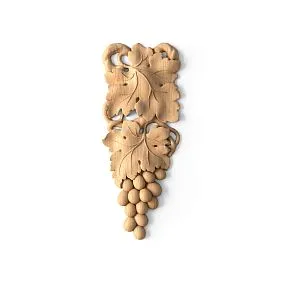
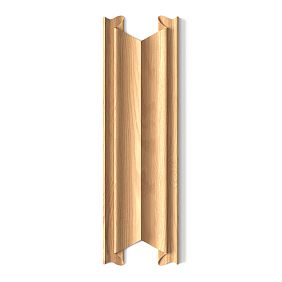
Our factory also produces:





Stylistic directions: universality of application
One of the main advantages of ceiling beams is their ability to seamlessly fit into any interior style. The secret lies in the correct choice of material, surface treatment, and placement method.
Scandinavian minimalism finds its perfect embodiment in light beams. Birch or pine elements with natural finish create a sense of purity and connection with nature. Geometric simplicity of forms emphasizes the functionality of space, while natural texture adds warmth to a cool color palette.
Combining beams with other elements of Scandinavian style creates a cohesive composition. Wooden moldings The same species and finish unify different planes of the room, creating a sense of thoughtful design.
Industrial loft uses beams as elements of brutalist aesthetics. Here, both rough wooden structures and their aged-effect imitations are appropriate. The contrast between the warmth of wood and the coldness of metallic elements creates the characteristic atmosphere of a repurposed industrial space.
Classic interiors require a special approach to selecting and finishing beams. Noble wood species, refined processing, possible carved elements — all must conform to the canons of the style. Wooden beams и Wooden skirting boards create a complete architectural composition within a unified stylistic solution.
Provence and country styles prefer beams with pronounced signs of aging. Artificial aging, deliberately rough processing, light bleached tones — all of this creates an atmosphere of a French village or American ranch. Minor irregularities and natural wood defects only emphasize the authenticity of the style.
Modern eclectic interiors allow experimenting with the color and texture of beams. Painted in bright colors or unusual shades, they become accent elements that attract attention and set the mood.
Get Consultation
Functional capabilities: more than decoration
Modern false beams on the ceiling are multifunctional elements solving numerous practical tasks.
Concealing utilities is one of the most in-demand functions. Hollow internal structures easily hide electrical wiring, communication cables, ventilation ducts. This is especially relevant during renovation, when laying hidden utilities is difficult or economically unjustified.
The removable construction of most decorative beams ensures access to hidden utilities for maintenance and repair. In this case, disassembly and installation take minimal time and require no special skills.
Zoning space without erecting partitions is especially effective in studio apartments and large rooms. Beams placed in a specific manner create psychological boundaries between functional zones — kitchen, living room, workspace.
Integrating lighting opens new possibilities for creating a multi-level lighting system. Built-in LED strips provide soft ambient lighting, spotlights offer focused light for work areas, pendant elements serve as decorative lighting.
Modern "smart home" systems allow integrating beam lighting into the overall automation concept. Lighting scenes can change depending on the time of day, presence of people, or occupants' moods.
Acoustic properties of hollow beams help improve audio system sound quality. Hidden within the structure, speakers create immersive sound without visible sound sources. This is especially effective in home theaters and music rooms.
Installation technology: professional approach
Quality installation of decorative beams requires understanding the structural features of both the products themselves and the base.
Preparation begins with a thorough inspection of the ceiling. It is necessary to determine the material of the floor, its load-bearing capacity, and the presence of hidden utilities. Concrete slabs withstand significant loads, while wooden floors require a more cautious approach.
Marking is a critically important stage determining the quality of the final result. Using laser levels ensures perfect line accuracy. Even minor deviations from specified parameters will be noticeable after completion of the work.
Mounting systems vary depending on the type of beams and the material of the base. For concrete floors, anchor systems are used, distributing the load over a large area. Wooden floors allow using self-tapping screws of appropriate length.
Hollow beams are mounted on previously installed guide beams. The dimensions of the beams must precisely match the internal dimensions of the beam to ensure a tight fit. The distance between mounting points should not exceed 50-70 cm to prevent sagging.
Connecting elements over large room lengths requires special attention. Joints must be as inconspicuous as possible. Using special connecting plates or internal braces allows creating structures of any length without visible seams.
Final finishing includes sealing mounting points and final surface polishing. High-quality mastics and putties, matched to color, make all installation traces invisible.
Integration with smart home systems
Modern technologies transform decorative beams into elements of a high-tech home environment.
Sensory systems integrated into beam structures allow automatic control of lighting and climate. Motion sensors activate lighting when people appear, temperature sensors regulate air conditioner operation, humidity sensors control ventilation.
Wireless charging devices hidden in the lower part of beams provide convenient mobile device usage. Simply bring a smartphone close to a designated area of the beam, and the charging process begins without wires or connectors.
Next-generation audio systems create an immersive experience without visible speakers. Directional sound technology allows creating sound zones with different content within the same room.
Security systems use beams as elements of hidden video surveillance. Miniature cameras integrated into the structure provide discreet monitoring of the space.
Ecological aspects and health
In an era of heightened attention to ecology, material selection for the home becomes not only an aesthetic but also a health issue for the family.
Natural wood from certified forests is the most eco-friendly choice. FSC certificates guarantee sustainable forestry and care for forest resource restoration. Such wood is not only safe for health but also contributes to improving the ecological situation.
Modern eco-friendly wood treatments eliminate the emission of harmful substances. Water-based coatings, natural oils, and waxes create a safe surface suitable even for children's rooms and spaces with high ecological requirements.
The antimicrobial properties of certain wood species help purify indoor air. Coniferous species release essential oils with antiseptic properties, while deciduous species regulate air humidity.
Composite materials require careful examination of their composition. High-quality products do not contain formaldehyde or other harmful substances. It is important to request certificates of compliance with ecological standards from the manufacturer.
Recyclability is an important aspect of environmental responsibility. Natural wood is fully biodegradable, and new-generation composite materials are also recyclable.
Regional characteristics and climatic conditions
The choice of material and beam construction should take into account the specific climate and regional building traditions.
In humid coastal climates, special attention must be paid to material selection. Preference should be given to moisture-resistant wood species or modern composite materials. Additional treatment with antiseptics and hydrophobic compounds extends the service life of the products.
In sharply continental climates with large temperature and humidity fluctuations, materials must exhibit high stability. Well-dried wood or composite materials with low thermal expansion coefficients are the optimal choice for such conditions.
Northern regions with long heating seasons require special attention to material behavior under low humidity conditions. Using humidifiers helps prevent cracking of wooden elements.
Seismically active areas impose restrictions on the weight of suspended structures. Lightweight polyurethane or composite beams are the preferred choice for such regions.
Economic aspects and budget planning
Proper budget planning helps achieve maximum effect at optimal costs.
Material costs vary widely. Polyurethane beams are the most affordable option, composite materials occupy the mid-price segment, and hardwoods of premium species fall into the premium category.
It is important to consider not only the initial cost but also operating expenses. High-quality materials require minimal maintenance and last for decades, making them economically advantageous in the long term.
Installation costs depend on the complexity of the structure and the qualifications of the installers. Simple mounting systems allow for DIY installation, while complex configurations require professional assistance.
Additional expenses include foundation preparation, fasteners, and finishing materials. When planning the budget, it is important to allocate a reserve for unforeseen costs.
Cost optimization is possible through a comprehensive approach. Simultaneous installation in multiple rooms allows for discounts on materials and labor. Using wooden trim a unified style creates a cohesive look while saving money.
Trends in development and innovation
The market for decorative elements is dynamically developing, offering new possibilities.
Personalization is becoming a key trend. The ability to order beams with custom designs, unique dimensions, and exclusive finishes makes each interior unique.
Modular systems simplify installation and allow easy configuration changes. Universal connecting elements enable the creation of structures of any complexity using standard modules.
Bio-composite materials combine the ecological properties of natural wood with the technological advantages of synthetic materials. Wood fibers bonded with biopolymers create a strong and stable material without the use of harmful substances.
Digital manufacturing technologies allow the creation of products with unique characteristics. Laser processing applies intricate patterns with jewel-like precision, while 3D printing creates elements impossible to produce using traditional methods.
Supplier selection and quality criteria
The correct choice of manufacturer and supplier largely determines the success of the project.
Manufacturer reputation is the first selection criterion. Companies with long-standing histories and positive customer reviews guarantee consistent product quality and reliable deliveries.
Product certification confirms compliance with established quality and safety standards. The presence of FSC certificates for wooden products guarantees the manufacturer's ecological responsibility.
Technical support includes consultations on material selection, assistance with quantity calculations, and installation recommendations. Qualified specialists help avoid errors and optimize costs.
Warranty obligations demonstrate the manufacturer's confidence in the quality of their products. Extended warranty periods help avoid additional expenses in case of material defects.
Logistical capabilities are important for timely delivery of materials. A well-developed network of warehouses and transportation ensures rapid delivery to any point in the country.
Practical tips for operation
Proper operation extends the service life of decorative beams and preserves their original appearance.
Regular maintenance involves removing dust and surface contaminants. A soft dry cloth or a special anti-static cloth effectively cleans the surface without risking damage to the finish.
Control of the microclimate is especially important for wooden beams. Maintaining optimal humidity of 45-65% and temperature of 18-24°C prevents deformation and cracking of the material.
Periodic renewal of coatings preserves protective properties and refreshes the appearance. The frequency depends on the type of coating and operating conditions — from 2-3 years for oil-based coatings to 10-15 years for modern polyurethane compositions.
Preventive inspections help identify problems at an early stage. Minor defects are easily remedied by touch-up or local restoration, while serious damage requires professional intervention.
Conclusion: the art of creating a perfect space
Choosing false beams on the ceiling — is an investment in creating a unique atmosphere at home, where every element contributes to forming a special mood and comfort. Modern technologies allow to realize any design ideas, from classic elegance to avant-garde experiments.
Correctly selected and properly installed ceiling beams become an indispensable part of the space's architecture. They create rhythm and structure, conceal flaws, highlight strengths, solve practical problems, and delight the eye with their beauty.
Integration of modern technologies transforms decorative elements into parts of a high-tech home environment management system. Smart lighting, climate control, audio systems — all of this is organically integrated into the beam structure, creating a comfortable and functional living environment.
Ecological responsibility of modern production guarantees safety for health and care for the environment. Choosing quality materials and reputable manufacturers, we invest not only in the beauty of our homes, but also in the future of our planet.
The aesthetic perfection of ceiling beams is complemented by their practical functionality. Wooden legs и Wall-mounted wooden shelves In a unified stylistic solution, they create a cohesive architectural concept, where each element complements and enhances the overall impression.
The future of interior decorative elements lies at the intersection of tradition and innovation. Centuries of experience of woodworkers is enriched by the possibilities of modern technologies, creating products that meet the most demanding requirements for quality, functionality, and aesthetics.
The company STAVROS embodies the best traditions of architectural element production, creating items that become the foundation of unique interiors. Every STAVROS product is the result of deep understanding of modern human needs and respect for the traditions of quality craftsmanship. STAVROS is the choice of professionals who understand that true beauty is born from the union of craftsmanship, quality materials, and love for one’s work.