Article Contents:
- Market analysis: where to find quality
- Manufacturer categories
- Supplier selection criteria
- Seasonality of purchases
- Technical specifications: what to know
- Wood moisture
- Geometric parameters
- Surface treatment quality
- Materials science for buyers
- Wood species classification
- Composite alternatives
- Material quality assessment
- Design solutions: style and functionality
- Integration into various styles
- Color solutions
- Dimensional parameters
- Calculating material needs and budget planning
- Determining material quantity
- Additional materials
- Economic optimization
- Logistics and delivery
- Transportation specifics
- Goods acceptance
- Warehouse logistics
- Installation: technical nuances
- Preparatory work
- Fastening technology
- Element joints
- Integration of additional systems
- Lighting systems
- Ventilation and climate control
- Multimedia systems
- Operation and maintenance
- Operation mode
- Regular maintenance
- Repair and restoration
- Innovations and trends
- Technological novelties
- Design trends
- Ecological innovations
- Regional specifics
- Climate characteristics
- Regional preferences
- Logistical specifics
- Conclusion: an investment in perfection

Buying ceiling decoration is always a responsible decision requiring a deep understanding of materials, technologies, and design possibilities. When it comes to buying a wooden false beam for the ceilingthe buyer is presented with a world of architectural possibilities, where each decision affects the atmosphere of the home for decades to come. These elements transform an ordinary ceiling into an expressive architectural surface capable of radically changing the perception of the entire space.
The modern market offers an astonishing variety of options — from budget solutions to exclusive handmade items. How to avoid getting lost in this diversity? How to choose exactly what will turn your home into a place where you want to be? How to invest money most effectively to get a result that will delight you for years?
In this comprehensive guide, we will cover all aspects of purchasing wooden ceiling beams — from material selection to installation specifics, from stylistic solutions to economic calculations. Five decades of experience in interior design allows us to provide specific recommendations that will help avoid mistakes and achieve an ideal result.


Market analysis: where to find quality




Manufacturer categories
The market for wooden ceiling beams is roughly divided into several segments, each with its own pricing and product quality characteristics.
The premium segment is represented by companies specializing in exclusive items made from valuable wood species. Here, each beam is a work of art created by skilled craftsmen. Prices are correspondingly high — from 8,000 to 25,000 rubles per linear meter, but the quality of execution and durability justify the investment.
The mid-range segment covers manufacturers offering quality products made from standard wood species using modern technologies. Prices vary from 3,000 to 8,000 rubles per meter. This is the optimal price-to-quality ratio for most projects.
The budget segment includes companies working with composite materials and imitations. Prices from 1,500 to 3,000 rubles per meter make such products accessible to a wide range of buyers, but it is important to carefully study the material characteristics.
Our factory also produces:


Supplier selection criteria
Supplier reliability is determined not only by prices but also by a complex of factors affecting the final result.
Production capacities must match the order scale. Large manufacturers ensure stable delivery times and uniform quality across the entire batch. Small workshops may offer an individual approach, but may encounter difficulties with large volumes.
Product certification guarantees compliance with established quality and safety standards. Always request GOST compliance certificates, and for imported products — European quality certificates.
Warranty obligations demonstrate the manufacturer's confidence in their product. Quality wooden beams should have a warranty of at least 3–5 years on the material and 1–2 years on the finish.
Service support includes consultations on selection, assistance in calculating material quantities, and installation recommendations. Professional manufacturers provide technical documentation and installation instructions.
Get Consultation
Seasonal Purchasing
Planning purchases taking into account seasonal factors can significantly reduce expenses.
The autumn-winter period is characterized by reduced demand for construction materials, allowing manufacturers to offer discounts of up to 20-30%. Storing materials in winter also has advantages — wood harvested during the dormant period has superior properties.
The spring-summer season is marked by increased demand and, consequently, higher prices. However, during this period, the assortment expands and new items appear. Production lead times may increase due to manufacturer workload.
Pre-holiday periods are often accompanied by special promotions and offers. Many manufacturers strive to meet annual sales targets, offering attractive terms.
Technical Specifications: What to Know
Wood Moisture
Material moisture is a key parameter determining the behavior of the product during operation. For furniture production, the optimal moisture level is 8-12%.
Kiln drying ensures uniform moisture removal from the entire volume of wood. The process is controlled by automatic systems maintaining optimal temperature and humidity. Properly dried wood does not warp or crack.
Air drying takes longer but provides a gentler effect on the wood structure. Such material often has better properties but costs more due to the extended process duration.
Moisture control is performed using specialized instruments. Serious manufacturers must indicate the actual moisture level in accompanying documentation.
Geometric Parameters
Dimensional accuracy is critically important for quality assembly and aesthetic results.
Length tolerances should not exceed ±2 mm for items up to 3 meters and ±3 mm for longer elements. Exceeding tolerances creates problems during element assembly.
Section deviations are controlled to ±0.5 mm accuracy. Uneven section profiles result in visible defects after installation and complicate installation of fasteners.
Straightness is checked along the entire length of the item. Curvatures exceeding 2 mm per meter length are unacceptable for quality products.
Surface Processing Quality
Finish processing determines the appearance and durability of the product.
Sanding should be performed in multiple stages with gradually decreasing abrasive grit. A properly sanded surface has uniform texture without scratches or defects.
Finishes are selected based on usage conditions. Lacquers provide maximum protection, oil-based finishes highlight the natural beauty of wood, and wax finishes create a soft matte sheen.
Quality control includes visual assessment, adhesion testing, and abrasion resistance testing.
Material Science for Buyers
Wood Species Classification
Choosing wood species determines not only the appearance but also the performance characteristics of beams.
Coniferous species are distinguished by availability and good technical characteristics. Spruce is the most popular material due to optimal price-to-quality ratio. Pine has a lighter tone and uniform structure. Larch surpasses other coniferous species in density and moisture resistance.
Hardwood species are valued for their texture beauty and high mechanical properties. Oak is the benchmark for strength and durability, its wood becomes more beautiful over time. Ash attracts with contrasting texture and high impact resistance. Beech is characterized by uniform structure and pleasant pinkish tone.
Exotic species offer unique aesthetic possibilities. Teak is valued for its natural moisture resistance, wenge for its deep chocolate color, and mahogany for its noble reddish-brown hue.
Composite Alternatives
Modern technologies offer materials combining the beauty of wood with improved characteristics.
MDF with veneer provides dimensional stability while maintaining the appearance of valuable species. The MDF core is not prone to warping, while the veneer creates authentic wood texture.
Laminated panels with photo printing have achieved a high level of realism. Modern technologies reproduce not only color and pattern but also surface relief of various wood species.
Wood-polymer composites combine the ecological properties of wood with the practicality of synthetic materials. They are not afraid of moisture, do not attract insects, and maintain dimensional stability.
Material Quality Assessment
Professional assessment of wood quality requires knowledge of characteristic features and defects.
Healthy knots up to 10 mm in diameter are permissible and even desirable — they emphasize the natural character of the material. Falling and rotten knots are unacceptable in quality products.
Cracks are classified by size and location. Small surface cracks up to 0.5 mm are permissible, while through cracks are a serious defect reducing strength.
Shape defects include curvature, spiral distortion, and bowing. Quality beams must have correct geometry throughout their length.
Biological damage — fungal stains, insect galleries, and rot — are unacceptable in furniture-grade wood.
Design Solutions: Style and Functionality
Integration into Various Styles
The correct choice of beam design determines their harmony with the overall interior style.
Classic interiors require beams from noble species with traditional processing. Profiled elements with bevels and decorative grooves emphasize the elegance of the style. Wooden moldings In classic execution, they complement the composition, creating a unified architectural ensemble.
Modern styles prefer minimalist forms and clean lines. Rectangular-section beams without decorative elements fit perfectly into minimalist interiors. The color palette tends toward neutral tones.
Ethnic directions use beams as elements of national character. Rustic processing preserving natural irregularities creates an authentic atmosphere of a country house.
Color Solutions
Choosing beam color significantly affects the perception of space.
Natural tones remain the most popular due to their versatility. Light tones visually increase ceiling height, while dark tones create a cozy atmosphere.
Tinted finishes allow adapting the wood color to the overall interior color scheme. Stains allow achieving any shade while preserving natural texture.
Contrasting solutions create dynamic interiors. Dark beams on light ceilings structure space, while light beams on dark ceilings add airiness.
Dimensional Parameters
Correct selection of dimensions ensures harmonious proportions.
Ceiling height is the primary factor in determining beam cross-section. For rooms 2.5-2.7 m, optimal beams are 60×60 or 80×60 mm. For ceilings 3 m and above, sections 100×80 and 120×100 mm can be used.
Room area also affects size selection. Small rooms require delicate solutions, while large spaces require more substantial elements.
Distance between beams is determined by their width. The classic rule is an interval 1.5-2 times the beam width.
Calculating Requirements and Planning Budget
Determining Material Quantity
Accurate calculation prevents material shortages and unnecessary over-purchasing.
Placement scheme is created based on the room plan, taking into account architectural features. It is necessary to consider the location of light fixtures, ventilation grilles, and other ceiling elements.
Beam length is calculated considering joints and cut-offs. When room length exceeds standard beam lengths (usually 2, 3, or 4 meters), connections must be planned.
Material reserve should be 5-10% of the calculated quantity to compensate for cut-offs and possible defects.
Additional Materials
Full estimate includes not only beams but also all necessary installation materials.
Fasteners are selected based on the base material. For concrete ceilings, anchor bolts are required; for wooden ceilings, screws of appropriate length are used.
Installation blocks serve as the base for mounting hollow beams. Their cross-section must exactly match the internal dimensions of the beam.
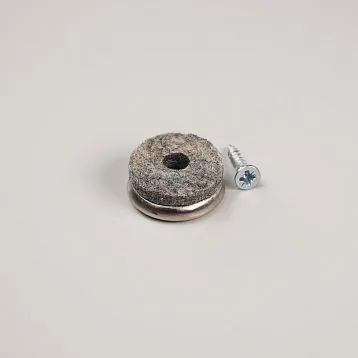
Gaskets and pads prevent squeaking and vibration of the structure. Rubber or felt pads are placed at contact points with the base.
Finish materials include putties for filling mounting points, lacquers or paints for touch-ups in case of damage during installation.
Economic Optimization
Proper planning allows significantly reducing overall expenses without compromising quality.
Bulk deliveries allow obtaining discounts when purchasing beams and related materials simultaneously. Wooden beams и Wooden skirting boards Create a complete composition in a unified stylistic solution and are cheaper when purchased together.
Seasonal discounts allow saving 15-25% when planning purchases between seasons. Winter months often feature attractive offers from manufacturers.
Direct deliveries from the manufacturer exclude intermediary markups. Many companies work with private clients for orders above a certain amount.
Logistics and delivery
Transportation Features
Wooden beams require careful handling during transportation.
Packaging must protect items from mechanical damage and moisture. Quality packaging includes protective film, cardboard spacers between elements, and rigid bracing for long items.
Transportation vehicles are selected based on the size and quantity of the cargo. Rail transport is more economical for large batches, while road transport is suitable for smaller orders.
Cargo insurance protects against financial losses due to damage or loss. Insurance cost is usually 0.5-1% of the cargo value.
Goods Acceptance
Correct acceptance prevents issues during installation.
External inspection is performed before signing acceptance documents. Check the integrity of packaging, absence of visible damage, and conformity to the declared quantity.
Detailed inspection includes measuring dimensions, assessing surface finish quality, and checking wood moisture. Detected defects are recorded in the acceptance act.
Storage until installation requires adherence to specific conditions. Items must be stored in a dry space, protected from direct sunlight, at a temperature of 15-25°C and humidity of 45-65%.
Warehouse Logistics
Organizing storage for large batches requires a professional approach.
Warehouse spaces must be equipped with microclimate control systems. Sudden temperature and humidity fluctuations may cause wood deformation.
Inventory systems prevent confusion with large volumes. Each batch is marked with wood species, dimensions, and arrival date.
Stock rotation ensures materials are used in the order of arrival. Long-term storage may cause wood color changes.
Installation: Technical Nuances
Preparation Work
Quality preparation is the foundation of successful installation.
Foundation assessment determines its load-bearing capacity and material. For concrete slabs, tensile strength is checked; for wooden structures, the condition of load-bearing elements is evaluated.
Marking is done using laser levels. Marking accuracy is critical — even minor deviations will be noticeable after completion.
Utility installations must be completed before beam installation. Electrical wiring, communication cables, and lighting elements are placed according to the project.
Fastening Technology
Fastening reliability determines the longevity of the structure.
Anchor connections for concrete foundations are designed for long-term loads. Anchor depth should be at least 60 mm for secure fastening.
Screw connections for wooden foundations require penetration into load-bearing frame elements. Screw length is selected based on sheathing thickness and penetration depth into the load-bearing element.
Distribution brackets reduce local loads and ensure even weight distribution. Adjustable elements allow compensating for foundation unevenness.
Element Joints
Quality joints ensure structural monolithism.
Connection couplings conceal joints and ensure joint strength. They are installed at fastening points for maximum reliability.
Compensatory gaps account for wood thermal deformation. A 2-3 mm gap per meter prevents deformation due to humidity changes.
Joint sealing prevents dust and moisture ingress. Special sealants, color-matched to the main material, are used.
Integration of Additional Systems
Lighting Systems
Modern technologies allow creating striking lighting effects using beams.
Built-in lights are placed in special grooves or holes. LED strips provide even ambient lighting, while spotlights create accent lighting.
Suspension elements are attached to beams using ropes or chains. These may be decorative lights creating additional lighting zones.
Control systems include dimmers for brightness adjustment, motion sensors for automatic switching, and controllers for creating lighting scenes.
Ventilation and Climate Control
Integrating climate systems into beams ensures a comfortable microclimate.
Supply ventilation through special grilles in beams ensures even fresh air distribution. Adjustable grilles allow directing airflow to specific zones.
Air conditioning with air delivery through beams creates comfortable conditions without visible technical elements. Special deflectors prevent drafts.
Air humidification is especially important during heating season to preserve wooden elements. Ultrasonic humidifiers are integrated into beam cavities.
Multimedia Systems
Modern technologies transform beams into elements of entertainment systems.
Audio systems create immersive sound without visible speakers. Directional radiators form sound zones for different content types.
Projection equipment is placed in hidden niches within beams. Retractable screens and projector lifting mechanisms ensure functionality of home theaters.
Smart home systems use beams as platforms for mounting sensors and controllers. This ensures seamless integration of advanced technologies into traditional interiors.
Operation and Maintenance
Operating Mode
Proper operation extends the service life of wooden beams.
The room's microclimate must be maintained within optimal limits. Temperature of 18-24°C and relative humidity of 45-65% ensure wood stability.
Ventilation prevents air stagnation and condensation formation. Especially important to ensure air circulation within beam cavities when utilities are installed inside.
Protection from direct sunlight prevents wood discoloration and drying. Curtains, blinds, or special protective films are used on windows.
Regular Maintenance
Systematic care preserves the original appearance of beams.
Dust cleaning is performed with soft cloths or special anti-static wipes. Movements should follow the direction of wood grain.
Condition monitoring includes regular inspections for cracks, geometric changes, and weakened fasteners. Minor defects are easier to fix in early stages.
Coating renewal is performed as needed. Frequency depends on coating type and usage intensity — 3-5 years for heavily used areas, 10-15 years for bedrooms and offices.
Repair and Restoration
Timely repair prevents serious damage.
Scratch repair is performed using special wax pencils or touch-up compounds. Color is matched as closely as possible to the base tone.
Crack filling requires using special wood putty. After drying, the repair area is sanded and coated with a finish.
Replacement of damaged elements may be required for severe damage. Modern connection technologies allow replacing individual sections without dismantling the entire structure.
Innovations and Trends
Technological Innovations
The development of technologies opens new possibilities for wooden beams.
Thermally modified wood has improved stability and biostability characteristics. Processing at high temperatures alters the cellulose structure without using chemical substances.
New-generation composite materials combine natural wood fibers with biopolymer binders. These materials are eco-friendly and possess outstanding performance characteristics.
Nanocoatings create protective layers several molecules thick. They possess self-cleaning, antibacterial, and photocatalytic properties.
Design Trends
Modern design trends influence product development.
Biophilic design emphasizes connection with nature. Beams with preserved natural texture and minimal processing create a sense of harmony with the natural environment.
Industrial aesthetics use contrasts of textures and materials. Combining wood with metal, glass, and concrete creates a modern interpretation of loft style.
Personalization is becoming a key trend. The ability to order unique items with custom sizes, colors, and textures makes each interior one-of-a-kind.
Ecological Innovations
Ecological awareness influences industry development.
Certified wood from sustainably managed forests guarantees forest resource regeneration. FSC and PEFC certificates confirm the manufacturer's ecological responsibility.
Water-based non-toxic coatings do not contain volatile organic compounds. They are safe for health and do not pollute the environment.
Renewable energy in production reduces the product's carbon footprint. Many manufacturers are switching to solar and wind energy.
Regional Specificity
Climate Characteristics
The Russian climate imposes special requirements on wooden structures.
Continental climate with sharp temperature fluctuations requires the use of stabilized wood. Special treatment reduces the linear expansion coefficient.
Air humidity changes dramatically throughout the year. Wooden elements must be adapted to fluctuations from 20% in winter to 80% in summer.
Heating season lasting up to 8 months creates extremely dry conditions. Using humidifiers is critically important for preserving wood.
Regional Preferences
Different regions have their own traditions of wood usage.
Northern regions prefer coniferous species — pine, spruce, larch. These materials are adapted to harsh climates and possess natural biostability.
Central Russia often chooses mixed solutions — coniferous species for main elements, deciduous for decorative details.
Southern areas can use more delicate deciduous species due to mild climate. Oak, beech, walnut show excellent results in warm regions.
Logistical Features
Delivery to different regions has its own specifics.
Transport accessibility affects delivery cost. Regions with developed transport infrastructure have pricing advantages.
Delivery to northern and remote regions is limited by seasonal constraints. Logistics planning must account for these factors.
Manufacturer regional warehouses ensure prompt delivery and reduce transportation costs. Presence of regional representatives is an important factor in supplier selection.
Conclusion: Investment in Perfection
Solution buying a wooden false beam for the ceiling — is an investment in long-term beauty and functionality of living space. Proper selection of material, manufacturer, and installation technology ensures a result that will delight for decades. Modern wooden beams are not just decorative elements, but comprehensive architectural solutions capable of transforming any room.
Quality items made of natural wood create a unique atmosphere of coziness and connection with nature. They regulate air humidity, improve room acoustics, and provide opportunities for concealed installation of utilities. Integration of modern technologies transforms traditional beams into elements of a high-tech home environment.
Economic efficiency of quality wooden beams is evident not only in their longevity, but also in their positive impact on property value. Unique design solutions increase the object's market appeal and accelerate its sale. Energy-saving effect of additional insulation reduces operating costs.
Careful planning of purchase considering seasonal factors, comprehensive approach to selecting complementary materials, professional installation — all these are components of a successful project. Wooden trim in a unified stylistic solution creates a complete architectural composition.
Ecological responsibility of modern production guarantees safety for health and minimal impact on the environment. Use of certified wood from sustainably managed forests, application of non-toxic coatings, possibility of full recycling — all this aligns with principles of sustainable development.
Industry development trends are oriented towards enhancing personalization, integrating "smart" technologies, and increasing ecological safety. Wooden legs и Wall-mounted wooden shelves complement interior solutions, creating a cohesive concept of using natural materials.
Regional climate and cultural tradition specifics continue to influence consumer preferences. Adapting to local conditions, using regional wood species, optimizing logistical solutions — all this makes each project economically efficient and technically perfect.
buying a wooden false beam for the ceiling today means accessing advanced wood processing technologies, design innovations, and ecologically responsible products. This is the choice of people who value quality, understand the importance of details, and are willing to invest in creating a perfect living space.
The future of wooden ceiling structures is linked to further development of biotechnology, nanotechnology, and digitalization of production. However, core values will remain unchanged — beauty of natural material, craftsmanship, functionality, and care for the environment.
STAVROS embodies the best traditions of the woodworking industry, creating items that become home decorations for decades. Every STAVROS item is the result of deep understanding of modern human needs, application of advanced technologies, and impeccable quality control. STAVROS knows that buying a wooden false beam for the ceiling — is not just purchasing a decorative element, but an investment in creating a unique space where every detail contributes to the overall result. Choosing STAVROS products, customers receive not only quality items, but also professional support at every stage — from material selection to completion of installation. STAVROS is a guarantee that your home will become a place where craftsmanship traditions meet modern technologies, creating an unparalleled atmosphere of coziness and perfection.