












































































Article Contents:
- Revolution in Furniture Components
- Specialized Hardware for Various Applications
- Advantages of Modern Furniture Hardware Logistics
- Technological Innovations in Hardware Production
- Materials Science Breakthroughs
- Intelligent Hardware of the Future
- Quality Characteristics of Modern Hardware
- Control and Certification Systems
- Ergonomic Design Aspects
- Economic Aspects of E-commerce for Hardware
- Pricing and Competitive Advantages
- Financial Tools and Payment Methods
- Specialized Segments and Niche Solutions
- Premium Hardware and Exclusive Collections
- Specialized Hardware for Non-standard Applications
- Global Trends and Regional Characteristics
- Influence of Cultural Traditions on Hardware Design
- Ecological Trends and Sustainable Development
- Future Technologies in Furniture Hardware
- Internet of Things and Smart Furniture
- New Materials and Manufacturing Technologies
- Education and Professional Development
- Training Platforms and Certification
- Technical Documentation and Support
- Market Analytics and Development Forecasts
- Growth Statistics and Trends
- Influence of Global Trends
- Conclusion
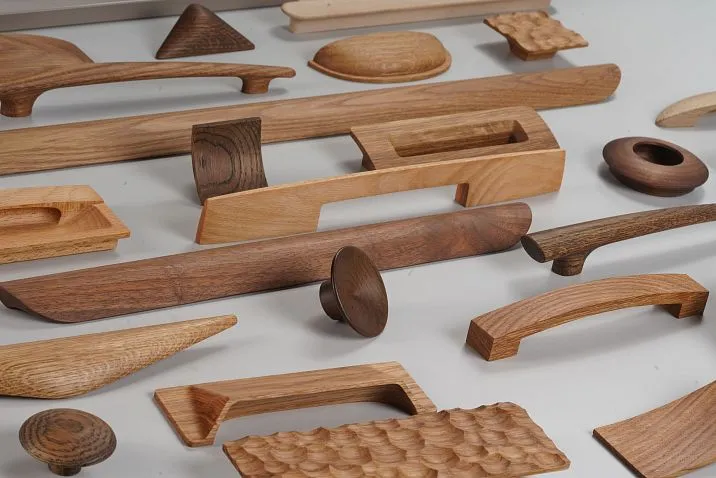
Imagine the moment when ordering the right part transforms from hours of searching in stores into just a few clicks on a screen. Online store for furniture hardware with delivery has become not just a convenient way to buy, but a whole philosophy of modern approach to creating quality furniture, where every detail matters.
In the context of rapid development of digital technologies and changing consumer habits, traditional methods of acquiring furniture hardware are undergoing radical transformation. Professional furniture makers, interior designers, and private craftsmen are discovering unprecedented opportunities to access high-quality components without geographical limitations.


Revolution in furniture hardware
Modern furniture hardware represents a symbiosis of engineering thought and artistic craftsmanship. Hinges with soft-close systems are no longer a luxury — they have become a standard of quality that defines the user's perception of furniture. Full-extension guides with load capacities up to 65 kilograms demonstrate how technological progress transforms everyday functionality.
The evolution of materials in hardware production is astonishing in its diversity. Aluminum alloys with anodized coatings, stainless steel with various surface treatments, zinc alloys with decorative coatings — each material opens unique design possibilities and functional characteristics.
Innovative opening systems revolutionize interaction with furniture. Push-to-open technologies allow creating minimalist facades without visible handles, while Tip-on systems enable easy opening of even heavy doors with a simple push.




Specialized hardware for various applications
Kitchen furniture imposes special requirements on components. High humidity, temperature fluctuations, intensity of use, and hygiene requirements form specific characteristics of the necessary hardware.
Lift mechanisms for upper cabinets with gas dampers of varying power ensure easy opening of heavy facades and secure locking in the open position. Carousel systems for corner modules transform hard-to-reach zones into efficient storage areas.
Guides for pull-out drawers have evolved from simple roller systems to complex telescopic mechanisms with integrated soft-close features. Modern models ensure smooth movement, quiet operation, and the ability to withstand significant loads.
Our factory also produces:


Advantages of modern furniture hardware logistics
The development of online trade in furniture hardware became possible due to revolutionary changes in the logistics sector. Automated warehouses with robotic assembly systems ensure precise order fulfillment and minimize processing time.
Integration with transportation companies creates a unified delivery ecosystem, where the buyer receives full transparency of the product's movement from the warehouse to the destination. Modern tracking systems allow monitoring each delivery stage in real time.
Express delivery of critical hardware components allows production processes to continue uninterrupted during unforeseen situations. The ability to obtain necessary components within several hours has fundamentally changed approaches to planning furniture production.
Consolidating orders from various suppliers into a single shipment optimizes logistics costs and simplifies the process of receiving goods. Modern online platforms coordinate deliveries from different manufacturers to form complete batches.
Get Consultation
Technological innovations in hardware production
Materials breakthroughs
Modern furniture hardware production is characterized by constant search for new materials and processing technologies. Powder coating ensures even coverage of complex geometric shapes and guarantees long-lasting decorative layers without streaks or unevenness.
Anodizing aluminum profiles creates a protective oxide layer that can be colored in any RAL palette. This process not only ensures corrosion resistance but also opens up wide possibilities for color customization of hardware.
Nitride coating of steel components increases surface hardness and wear resistance several times over. This technology is especially important for guide systems and moving mechanisms operating under high loads.
Composite materials based on fiberglass and carbon fiber are beginning to be actively used in specialized hardware. These materials provide high strength at minimal weight, which is especially important for mobile and transformable furniture.
Intelligent hardware of the future
The development of digital technologies opens new horizons for integrating smart solutions into furniture hardware. Load sensors are integrated into guide systems to monitor wear and warn of the need for maintenance.
Electronic locks with biometric identification provide the highest level of security for valuable items. Remote control systems allow controlling access to furniture via mobile apps from anywhere in the world.
Wireless charging technologies are integrated into furniture hardware, turning ordinary drawers and shelves into charging stations for mobile devices. LED lighting with motion sensors automatically activates when cabinets and drawers are opened.
Quality characteristics of modern hardware
Control and certification systems
Multi-level quality control systems include inspection at all stages — from raw material receipt to finished product shipment. Incoming material inspection is conducted using spectrometric analysis to confirm compliance with declared characteristics.
Modern measuring equipment ensures precision control of geometric parameters down to hundredths of a millimeter. Coordinate measuring machines verify compliance of complex parts with technical drawings and tolerances.
Durability tests are conducted on specialized stands simulating long-term use in an accelerated mode. Modern mechanisms are tested for 150,000–200,000 opening-closing cycles without loss of functionality.
Environmental certification confirms compliance with the strictest safety standards. Absence of harmful emissions, use of recycled materials, and full recyclability become mandatory requirements.
Ergonomic design aspects
Modern furniture hardware is designed taking into account ergonomic research and anthropometric data. The height of handle installation is calculated to ensure a natural hand position during various movements.
Handle grip sizes and profiles correspond to the biomechanical characteristics of the human hand. Modern ergonomic research enables creating elements that reduce fatigue during prolonged use.
Opening and closing forces are calibrated according to the physical capabilities of different user groups. Special solutions are developed for people with limited physical abilities.
Economic aspects of online furniture trade
Pricing and competitive advantages
Pricing structure in online furniture hardware trade is formed under the influence of multiple factors. Direct deliveries from manufacturers eliminate intermediary markups and ensure competitive pricing while maintaining high quality.
Dynamic pricing systems allow offering flexible tariffs depending on order volume, purchase frequency, and customer category. Machine learning algorithms analyze market conditions and automatically adjust prices.
Loyalty programs for regular customers include cumulative discounts, priority service, and early access to new collections. Professional discounts for furniture manufacturers create additional incentives for long-term cooperation.
Seasonal promotions and special offers are synchronized with peaks in construction activity. Pre-orders for new collections allow customers to obtain exclusive hardware at discounted prices.
Financial tools and payment methods
Modern payment systems ensure maximum security and convenience for financial transactions. Escrow services guarantee buyer protection for large orders, holding funds until product receipt is confirmed.
Installment and leasing programs make expensive hardware sets accessible for small furniture workshops. Partnership with financial institutions provides favorable credit terms.
Corporate cards and credit lines for regular customers simplify procurement procedures and provide flexibility in cash flow planning. Automatic deduction of funds for regular deliveries optimizes administrative processes.
Specialized segments and niche solutions
Premium hardware and exclusive collections
The premium furniture hardware segment is characterized by exceptional material quality and innovative technical solutions. Limited collections from leading designers create unique opportunities for implementing exclusive projects.
Hand-finished adjustment and individual mechanism tuning ensure perfect operation of each element. Use of precious metals, natural stones, and exotic wood species creates hardware that is a work of art.
Element customization includes logo engraving, individual sizes, and unique color solutions. Some manufacturers offer fully customized hardware based on customer sketches.
Authenticity certificates and lifetime warranties confirm the exclusive status of premium items. Special packaging and accompanying documentation emphasize the product’s elite nature.
Specialized hardware for non-standard applications
Marine and yacht hardware is made from special corrosion-resistant alloys capable of withstanding aggressive saltwater exposure. Salt fog tests confirm coating durability under extreme conditions.
Medical hardware complies with strict hygiene and safety requirements. Antibacterial coatings, sterilization capability, and absence of hard-to-clean surfaces ensure compliance with medical standards.
Aviation hardware undergoes special vibration and temperature resistance tests. Minimum weight with maximum strength is achieved using titanium alloys and composite materials.
Explosion-proof hardware for industrial facilities is manufactured according to international safety standards. Special certifications confirm suitability for potentially hazardous environments.
Global trends and regional specifics
Influence of cultural traditions on hardware design
Regional design preferences in furniture hardware reflect cultural traditions and national perceptions of beauty. Scandinavian minimalism stimulates demand for hardware with clean lines and functional aesthetics.
Asian markets show growing interest in technological solutions integrating electronic components. Traditional materials — bamboo, rattan, natural stones — are reinterpreted in a modern context.
Mediterranean style requires hardware with patinated surfaces and handcrafted finishes. The use of copper, bronze, and aged iron creates an authentic atmosphere for southern interiors.
Industrial design popularizes rough metallic surfaces, visible fasteners, and functional aesthetics. Black steel, unfinished surfaces, and industrial forms become elements of the style.
Growing attention to ecological issues makes wooden balusters even more attractive. Wood is a renewable resource, and its production does not harm the environment when managed sustainably.
Growing consumer environmental awareness transforms approaches to furniture hardware production. Circular economy stimulates the development of recycling and reuse programs for used components.
Using recycled materials in producing new hardware reduces environmental impact and promotes rational resource use. Modern technologies allow obtaining secondary materials that match the quality of primary ones.
Local production and regional distribution centers minimize transportation costs and carbon footprint. Packaging optimization and use of biodegradable materials reduce environmental impact.
Energy-efficient production processes and use of renewable energy sources become competitive advantages for progressive manufacturers. ISO 14001 certification confirms commitment to ecological principles.
Future technologies in furniture hardware
Internet of Things and smart furniture
Integration of Internet of Things technologies transforms ordinary furniture hardware into sources of valuable data on usage and condition of furniture. Sensors of activity record frequency of drawer and door openings, helping optimize interior layouts.
Predictive analytics analyzes usage patterns and proactively alerts about the need for maintenance. Machine learning identifies anomalies in mechanism operation before critical wear occurs.
Integration with smart home systems enables centralized control of all furniture in a room. Ability to program usage scenarios creates personalized comfort for each user.
Voice control and gesture interfaces open new ways of interacting with furniture. Artificial intelligence adapts to user habits and automatically adjusts mechanism settings.
New materials and manufacturing technologies
Nanotechnologies open unprecedented opportunities to create materials with specified properties. Self-cleaning coatings based on titanium dioxide nanoparticles break down organic contaminants under light exposure.
3D printing of metal parts allows creating complex geometric shapes inaccessible through traditional processing methods. Additive technologies ensure minimal production waste and enable creation of custom items.
Smart materials with shape memory can change their configuration under temperature or electric field influence. These technologies open possibilities for creating self-adjusting hardware.
Biomimetic solutions borrow principles from natural mechanisms. Structures inspired by insect wing or animal joint structures provide optimal strength-to-flexibility ratios.
Education and professional development
Training platforms and certification
Modern online platforms are becoming centers for disseminating professional knowledge in furniture hardware. Virtual academies offer comprehensive courses from basic principles to advanced installation and setup techniques.
Interactive simulators allow practicing installation of complex mechanisms in a virtual environment before working with real products. Augmented reality helps visualize assembly processes and identify potential errors.
Certification programs for installers and designers enhance professionals' skill levels. Documented qualification verification creates competitive advantages in the service market and ensures client trust.
International training standards ensure certificate recognition across different countries. This is especially important for specialists working with imported hardware from leading global manufacturers.
Technical documentation and support
Digitalization of technical documentation revolutionizes access to information about hardware. QR codes on packaging provide instant access to installation instructions, technical specifications, and video guides.
Interactive 3D instructions allow viewing the assembly process from any angle and at different scales. Step-by-step animation demonstrates correct operation sequence and prevents errors.
Real-time technical support via video connection allows obtaining qualified assistance directly at the workplace. Specialists can visually assess the situation and provide precise recommendations for problem resolution.
Knowledge bases with symptom-based search help quickly diagnose malfunctions and find appropriate solutions. User rating and review systems improve information quality.
Market analytics and development forecasts
Growth Statistics and Trends
Analytical data indicates stable growth in the furniture hardware market segment of e-commerce. Annual growth rates average 15-20%, significantly exceeding traditional retail performance.
Demand structure shows an increase in the share of premium hardware and technologically advanced solutions. Consumers are willing to pay more for quality, durability, and innovative features.
Order geographic distribution shows expansion into remote regions where quality hardware was previously unavailable. Development of logistics infrastructure makes e-commerce the only way to access a broad assortment.
Seasonal demand fluctuations are linked to cycles of construction activity and renovation. Peaks occur during spring and summer months, when the maximum number of people are engaged in home furnishing.
Influence of Global Trends
Digital transformation affects all aspects of furniture hardware trade — from design and production to sales and after-sales service. Artificial intelligence optimizes supply chains and personalizes offers for each customer.
Consumer preferences shifting toward eco-friendliness and sustainability stimulate innovations in materials and production processes. Companies invest in research of alternative materials and waste-free technologies.
Market globalization creates new opportunities for small manufacturers to enter international markets through digital platforms. E-commerce eliminates geographic barriers and ensures equal competitive opportunities.
Personalization is becoming a key trend — consumers demand customized solutions tailored to specific needs and usage conditions. Mass production gives way to flexible production systems.
In this dynamically evolving landscape Online store for furniture hardware with delivery represents not just a trading platform, but a comprehensive ecosystem uniting manufacturers, distributors, and end consumers into a single value-creation chain.
Conclusion
The modern era of digital technologies has radically transformed the furniture hardware market, turning e-commerce into the dominant channel for professional and private procurement. Development of logistics systems, adoption of innovative materials and production technologies create unprecedented opportunities to realize the most ambitious design projects.
Quality furniture hardware with reliable delivery is now accessible to consumers regardless of their geographic location. Professional consultations, detailed technical documentation, and comprehensive support turn the selection and purchase process into an effective tool for realizing creative ideas.
The future of the industry is linked to further integration of digital technologies, development of smart hardware, and increased environmental responsibility of all market participants. Personalization of solutions, predictive analytics, and process automation will define new standards of quality and service.
Company STAVROS continues to lead in this transformation, providing clients access to the best global solutions in furniture hardware through modern e-commerce platforms. Investments in technology, logistics, and customer service create a solid foundation for meeting growing market demands and supporting innovative projects in furniture design and production.





