Article Contents:
- 1. Color in Interior: The Foundation of Atmosphere
- Conclusion
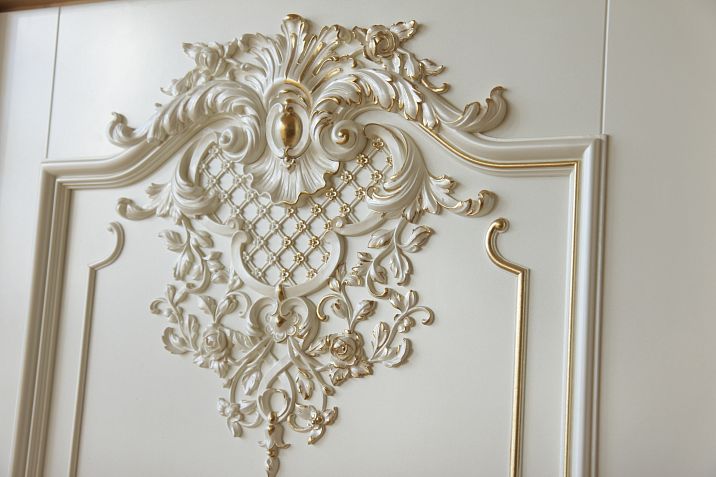
Interior design is not just about arranging furniture or choosing wall colors. It is the art of creating a space that will not only be aesthetically pleasing but also comfortable, convenient, and functional. Every element in the interior has significance and contributes to the overall atmosphere of the room. Thoughtfully selected decorative elements can transform any space, making it unique and filled with coziness.
In this article, we will examine the key elements of interior design that play a decisive role in creating harmony in any room. We will discuss important aspects such as color, furniture, textiles, lighting, and decorative elements, as well as how to properly combine them to achieve the ideal result.


1. Color in Interior: The Foundation of Atmosphere
Color is one of the most powerful tools in interior design. It can not only influence the perception of space but also set the emotional tone of the entire room. For example, warm tones (red, orange, yellow) create coziness, warmth, and a welcoming atmosphere, while cool colors (blue, green, purple) can add freshness and calmness. Neutral colors (white, gray, beige) make the space visually more spacious and versatile.
It is also important to consider that color affects the perception of room size. Light colors make rooms feel more airy and spacious, while dark shades add depth and create a sense of coziness.Polyurethane moldings and cornices in white or neutral tones can emphasize the chosen color palette, adding harmony and completeness to the room.
2. Furniture: Functionality and Style
Furniture is the main element of interior design that not only affects the perception of space but also serves a practical function. It is important to choose furniture that will be comfortable and match the style of your room. Furniture should be comfortable and harmoniously blend with other interior elements.
● Classical furniture often includes curved lines, decorative elements, and carved details. This style suitspolyurethane panels and moldings, which add elegance.
● Modern furniture is characterized by simple, functional forms, often in a minimalist style. Furniture with clean lines and no unnecessary embellishments creates a sense of lightness and spaciousness.
● Scandinavian style includes light wooden furniture and accents made of natural materials. In this style, you can use simpledecorative polyurethane elementsto add lightness and coziness.
3. Textiles: Creating Coziness and Comfort
Textiles are another important element of interior design that helps create an atmosphere of coziness and comfort. Pillows, curtains, rugs, and blankets can change not only the appearance of the room but also its feel. It is important to choose textiles that will harmonize with other interior elements and emphasize the style of the room.
● Fabric for furniture: Furniture upholstery can be either strict and monochromatic, or bright, with patterns or textures that contrast with other interior elements.
● Curtains and drapes: They not only serve a functional role, protecting from light, but also act as decorative accents. For classic interiors, heavy velvet fabrics are suitable, while for minimalist and modern interiors — light and airy materials such as linen and cotton.
● Rugs and blankets: These elements add softness and warmth to the interior, and also help zone the space, highlighting specific areas.
4. Lighting: An Important Decorative Element
Lighting is one of the most important decorative elements in interior design, influencing not only the functionality of the space but also its atmosphere. Proper lighting helps highlight key decorative elements, create accents, and improve the perception of the interior.
● General lighting: Chandeliers, ceiling fixtures, and recessed lights are the main source of light that illuminates the entire room. For modern interiors, simple, minimalist fixtures are ideal, while for classic interiors — more ornate chandeliers and fixtures with decorative elements.
● Accent lighting: These are lights that highlight important details, such as paintings, architectural elements, or decorative objects. Underlightingpolyurethane moldings and moldings creates interesting lighting effects and draws attention to selected decorative elements.
● Romantic lighting: Lamps with soft light create an atmosphere of coziness and relaxation, making them ideal for bedrooms and living rooms.
5. Decorative Elements: Accents for Completion
Decor is not only ornaments but also important elements that add individuality and completeness to the interior. This can be anything: fromdecorative panels and moldings to paintings, mirrors, and accessories. Properly chosen decor can become an accent in the interior, highlighting certain zones and giving the space uniqueness.
● Paintings and mirrors can change the perception of space, add depth and light, and also serve as a focal point.
● Decorative accessories — such as cushions, vases, figurines — make the space more cozy and lively. These small details can give the interior individuality and make it truly "yours".
● Polyurethane moldings and decorative elements for furniture are also important decorative accents that can transform the space.




Conclusion
Interior design elements are not just decorative details — they are key components that influence the perception of space and create an atmosphere in your home. Each element, from the choice of wall color and textiles to lighting and furniture, plays a unique role in forming the overall interior picture. These details not only set the tone for the entire room but also help create a functional space that will serve you for many years, delighting you with its appearance and comfort. After all, the interior is not just an environment — it is a place where you spend a significant part of your life, and its design must support comfort, coziness, and harmony that match your lifestyle.
When you properly approach the selection and combination of design elements, every space becomes more expressive and lively. It is important to understand that interior design is not only about appearance, but also about how these details interact with each other, creating a balance between style and function. For example, the right choice of polyurethane decor, such as moldings, cornices, or stucco, can significantly change the atmosphere in a room, adding elegance and completeness. Furniture, whether soft sofas or decorative tables, with appropriate textures and colors, can create an atmosphere of coziness and comfort, where it is easy to relax and enjoy time spent at home.
Color palette is another element that plays an important role in creating harmony in the interior. Do not forget that colors can influence the perception of space: light shades make it visually more spacious and airy, while dark shades create coziness and intimacy. However, it is important to remember that color should not only be visually appealing but also suit the style and functionality of each room.
Textiles and lighting are the elements that contribute to creating the atmosphere in the home. Fabrics used in furniture upholstery, window textiles, as well as decorative cushions and rugs, help create cozy accents and completeness. Lighting, however, plays an equally important role — it can highlight important decorative elements or set the overall mood in the room.Polyurethane Decorsuch as cornices and moldings, can not only decorate the room but also play a role in distributing light, making the space lighter and more harmonious.
When it comes to decor, it is important not only to consider the combination of colors and materials, but also the functionality of each element. All elements, from furniture topolyurethane detailsmust not only be beautiful but also comfortable, meet your needs, and create the most comfortable space. The extent to which each aspect of design is thoughtfully considered determines how comfortable the space will be for living and how harmoniously it will be perceived.
Decor also has great importance for expressing the individuality of the owners. Each element, whether a favorite painting, uniquepolyurethane panelsstyleful vase or properly chosen accessories, helps form the individual style of your home. These are precisely the details that make your home yours, unique, and irreplaceable. Such design elements help create a space where you will feel confident, cozy, and comfortable, finding not only visual pleasure but also functionality.
It is important to understand that the process of interior design is not simply adding new items to a space, but creating a harmonious and balanced atmosphere. Every home, apartment, or office has room for expressive and functional details that transform it into a comfortable space. Interior design elements play an important role in this process, creating a unique atmosphere where each element serves your comfort, your feelings, and your preferences. They must be thoughtfully designed, harmoniously combined with each other, and meet not only aesthetic but also practical requirements.
Make your home a place that will inspire and delight you every day, fill it with details that reflect your personality. Let every interior element, whetherPolyurethane moldings or a piece of furniture, serve not only a functional purpose but also add an atmosphere of coziness and harmony. Inspire yourself, create, and let your space be your reflection, where every detail plays its part in creating the ideal environment.