Article Contents:
- What Are Decorative Elements and Their Role in Interior Design?
- Role of Decorative Elements in Interior Design
- Types of Decorative Elements and Their Applications
- Decorative Elements in Different Styles
- How to Choose Decorative Elements for Different Rooms?
- Decorative Elements for Different Rooms: Coziness and Style for Every Corner of the House
- Decorative Elements for the Entryway: First Impression of the House
- Decorative Elements as the Foundation of a Stylish Interior


Each home is unique, and its decoration reflects the personality and taste of its owner. To make the space cozy and harmonious, it is important to properly use decorative elementsThese details do not merely decorate the interior; they set the style, make the home comfortable and filled with individuality.
Correctly selectedDecorative Elements in Interior Design can highlight the character of each room, whether it is a living room, bedroom, kitchen, or even the building facade. In this article, we will examine how to choose and useDecorative elementsto create a stylish and cozy home.


What Are Decorative Elements and Their Role in Interior Design?
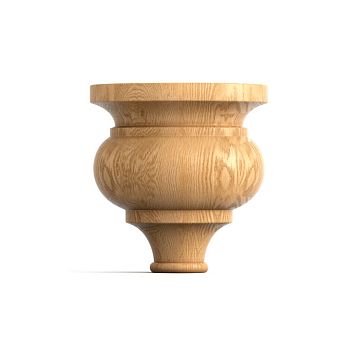
decorative elements are an indispensable part of any interior, helping to reveal its individuality, emphasize the style, and add coziness. These can be large architectural details, such as moldings or carved moldings, or small accessories: candles, vases, paintings, or textiles. The main purpose of these elements is to bring aesthetic appeal to the room, making it harmonious and complete.




Role of Decorative Elements in Interior Design
- Creating Accents and Zones.
Withdecorative elements can be arranged to create accents and highlight separate zones in the room. For example, carved moldings on the wall or decorative polyurethane inserts attract attention and make the space more interesting. This is especially relevant for large rooms, where decor helps visually divide zones for relaxation, work, or socializing. - Completing the Style.
Even the most quality renovation will look unfinished without details that unify all interior elements.Decorative Elements in Interior Designsuch as beautiful wooden ornaments, textiles, or mirrors, create a sense of wholeness. For example, using moldings emphasizes a classic style, while bright cushions and rugs suit modern or Scandinavian styles. - Creating Atmosphere.
Withvivid decorative elements can enliven a neutral interior. They add freshness, contrast, and make the space more lively. These can be bright cushions, colorful vases, or decorative panels. For a calm and cozy atmosphere,wooden decor elementswhich bring warmth and naturalness. - Functionality.
ManyDecorative elements perform not only an aesthetic but also a practical function. For example, stylish brackets can serve as bases for shelves, and decorative stands can protect table surfaces. - Highlighting Individuality.
Your home is your reflection. UsingWooden decor elements for the homeyou can express your individuality. Carved ornaments, moldings, handmade items, or personalized details will create a unique atmosphere that matches your style.
Our factory also produces:

Types of decorative elements and their application
● Architectural elements.
These include moldings, cornices, decorative beams, and other large details. SuchElements of Architectural Decoration not only decorate walls and ceilings but also conceal their flaws. For example, decorative cornices give the ceiling an elegant look, while moldings create visual interest.
● Accessories.
These are the most diverse elements that can be easily replaced or added.Beautiful decor elements, such as vases, figurines, candlesticks, photo frames, and textiles, add coziness and charm to the room.
● Functional decorations.
Somedecorative elements for furniture simultaneously decorate and serve a practical purpose. For example, carved appliqués or handles give cabinets and tables a new look while maintaining their usability.
● Appliqués and panels.
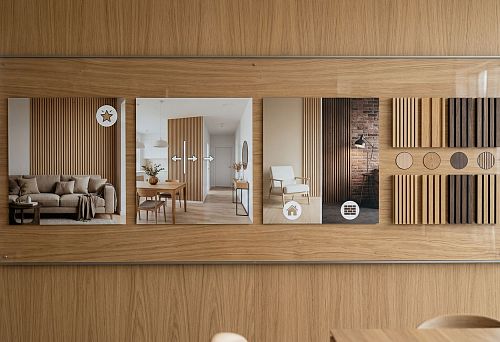
wall decor elements, such as polyurethane appliqués or wooden panels, allow you to quickly refresh the interior without the need for major renovation work.
Get Consultation
Decorative elements in various styles
Each interior style implies the use of specificdecorative elements in style, which highlight its features:
● In the classical style, popular areRelief Decoration Elements, carved wooden appliqués, and refined textile accessories.
● Modern interiors prefer minimalism: smooth lines, natural materials, andmodern decorative elements.
● Scandinavian style uses wood, textiles in neutral tones, and natural motifs.
● Baroque requires luxurious accents: gilding, moldings, and rich fabrics.
How to choose decorative elements for different rooms?
Selectiondecorative elements for each room is an engaging process that helps emphasize the uniqueness of the space and make it functional. Each room serves its own purpose, so it is important to consider the characteristics of each zone: from the living room to the kitchen. Let's consider how to properly chooseDecorative Elements in Interior Design for different rooms so that they harmoniously complement the overall style and functionality.
Decorative elements for the living room: comfort and style
The living room is the heart of the home, the place where family and guests gather. The right choiceof decorative elements for the home helps make it cozy and simultaneously stylish.
Ideas for decorating the living room:
- Wall decorations.
Walls can be adorned with decorative elements such as carved appliqués, moldings, or paintings in elegant frames. This will create an accent and visually enrich the space. - Furniture details.
Update furniture withdecor elements for furniture: carved appliqués, wooden panels, or decorative handles. Such accessories are easy to change and give the interior uniqueness. - Bright accents.
Addvivid decor elements, such as colorful cushions, blankets, or rugs. They will refresh the interior and make it more dynamic. - Textiles and accessories.
Decorative curtains, soft blankets, and cushions made of natural materials will create a cozy atmosphere. Complement them with vases, candle holders, or figurines for a harmonious look.
The living room is a space for experimentation. Combine modern decorative elements with classic ones, add natural materials, and play with textures.
Decorative elements for the bedroom: comfort and relaxation
The bedroom is a place for rest, where everything should contribute to relaxation. Here, it is important to avoid over-decorating, preferring minimalism and natural materials.
Tips for decorating the bedroom:
- Soft shades.
Use textiles andBeautiful decor elements in pastel tones: bedspreads, decorative cushions, and rugs. - Lighting.
Small table lamps or string lights with warm light will add coziness. They can be complemented with carved bases, which serve not only as functional but also decorative elements. - Wall decoration.
Choose wall decor elements that visually enlarge the space. These may include mirrors in wooden or metal frames, wall panels, or moldings. - Moldings and carvings.
Suitable for a classic interiorRelief Decoration Elements, which add elegance to the bedroom.
The main rule for the bedroom — decor should not distract or overload the space. Focus on natural materials and calm tones.
Decorative elements for the kitchen: functionality and beauty
The kitchen is not only a functional space, but also a place where you can show creativity in design. Here, it is important to consider that decorative elements must be resistant to stains and easy to maintain.
How to decorate the kitchen:
- Wall decor.
Decorate the wallswith kitchen decor: clocks, shelves with carved brackets, or wooden panels. This is not only beautiful but also practical. - Dining decor.
UseTable decoration elements: decorative stands, textile napkins, patterned plates or wooden trays. - Plants.
Fresh herbs or flowers in attractive pots will enliven the interior. Choose wooden or ceramic planters to harmonize with the overall style. - Furniture accessories.
Update facades withdecor elements for furniture: overlays, moldings, or carved corners. This is a simple way to give your kitchen set a new look.
Decor on the kitchen should be maximally functional. Choose practical and stylish solutions that will ease work and beautify the space.
Decor elements for different rooms: comfort and style for every corner of the house
Each room in the house has its own unique function, so selectiondecorative elements for different spaces requires an individual approach. From hallway decoration to details for the bathroom – each zone needs thoughtfully designed and harmonious decor. Let’s consider how to make your home cozy and stylish, using decor elements for interior.
Decor elements for the hallway: first impression of the house
The hallway is the first thing your guests see when entering the house. Here it is important to create comfort and set the mood for the entire interior.
Tips for decorating the hallway:
- Mirrors.
Choose large mirrors withcarved decorative elements or in elegant wooden frames. They visually enlarge the space and make it brighter. - Wall decorations.
Decorate the wallsdecor elements on the wall, such as moldings or panels. This will give the hallway a stylish and finished look. - Functional details.
Add decorative hooks or shelves for storing small items. Suchdecorative elements not only decorate, but also simplify space organization. - Textiles.
A soft rug or runner with bright accents will create coziness and add color.
Decor elements for the bathroom: style and practicality
The bathroom is a place where decor must be not only beautiful but also resistant to moisture and temperature changes.
How to decorate the bathroom:
- Mirrors and shelves.
Use modern decor elements, such as minimalist mirrors and shelves with wooden or metal elements. - Wall panels
Decorative elements For walls, for example, polyurethane or wooden panels, add a stylish look to the bathroom. - Accessories.
Choose stylish towel holders, soap dishes, and storage containers. Bright or neutral accents will help unify the entire interior into a cohesive composition. - Lighting.
Select soft, diffused lighting that creates a cozy atmosphere. Wall sconces with wooden or metal elements will complement the overall style.
Decor elements for a child's room: functionality and safety
A child's room is a place where comfort, safety, and the opportunity for creative development are important.
Ideas for decorating a child's room:
- Bright accents.
Addvivid decor elementssuch as cushions, rugs, or posters. This will enliven the room and make it interesting for the child. - Wall decoration.
Decorate walls with wooden panels, moldings, or appliqués. These decorative elements are not only beautiful but also durable. - Functional solutions.
Use shelves with decorative brackets to store toys and books. This will make the room more organized. - Textiles.
Choose natural fabrics for bedding, curtains, and rugs. They create comfort and are safe for a child's health.
Decor elements for a home office: comfort and productivity
A home office is a place where concentration and comfort are important. Here, decor should be minimalist but stylish.
How to decorate an office:
- Wall decorations.
Add decorative elements to the wall, such as paintings, shelves, or panels. This will add depth and structure to the space. - Lighting.
Choose desk lamps with decorative bases that serve not only as a light source but also as a stylish accent. - Furniture accessories.
Update the desk and chairs withdecor elements for furnituresuch as handles, appliqués, or carved inserts. - Space organization.
Decorative boxes and containers will help store documents and small items while remaining part of the overall style.
Decor elements as the foundation of a stylish interior
decorative elements play a key role in creating a harmonious and cozy space. They help emphasize the style of your home, add individuality, and make each room unique. Regardless of whether you are decorating a bedroom, living room, kitchen, or even a building facade, properly chosenWooden decor elements for the home are capable of transforming the space and creating an atmosphere that delights the eye every day.
Why is it important to pay attention to decor?
- Creating completeness.
Any renovation or interior redesign will seem incomplete without stylish accents decor elements for interior that unify furniture, finishes, and lighting into a single composition, creating a cohesive look. - Convenience and comfort.
ManyDecorative elements have a functional purpose. For example, carved appliqués on furniture not only decorate it but also protect it from damage, and shelves with decorative brackets make storage more convenient. - Individuality.
Withvivid decorative elements You can express your personality, highlight your interests and preferences. For example, using wooden elements or carved ornaments creates an atmosphere of warmth and coziness. - Creating Atmosphere.
Warm tones, natural materials, and textiles provide a sense of coziness, while metallic and glass elements add elegance and modernity. Choosing decor allows you to control the atmosphere of the room.
Where to buy the best decorative elements?
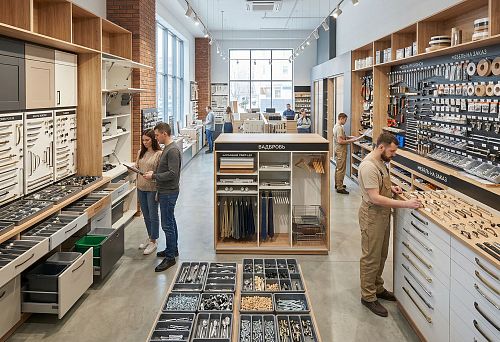
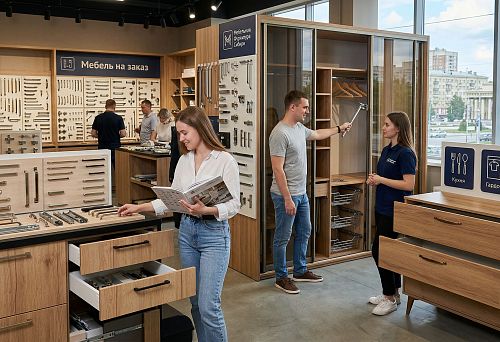
Purchasing qualitydecorative elements is important not only for aesthetics but also for their longevity. The company STAVROS offers a wide range of decorative elements suitable for any interior style.
Advantages of STAVROS:
● Wide assortment. Includes wooden, polyurethane, and other modern decorative elements.
● Individual approach. Possibility to order unique elements for furniture, walls, ceilings, and facades.
● High quality. Items are made from durable and eco-friendly materials.
● Convenient delivery. The company provides delivery throughout Russia, including remote regions.
Visit the official websiteSTAVROS, to choose suitabledecorative elements for an apartment or a house.
Recommendations for choosing decor
- Define the style.
Choose elements that match the overall interior style — from classic to minimalist. - Consider the color palette.
vivid decor elements will suit for creating accents, while neutral tones ensure harmony. - Do not forget about materials.
Wooden decor elements add warmth to the interior, polyurethane appliqués — elegance, and metallic details add modernity. - Focus on functionality.
Decor should not only please the eye but also be practical. For example, molded ceiling ornaments or decorative wall panels.
decorative elements — it's an investment in the coziness and comfort of your home. Use them to make the space stylish, harmonious, and inspiring. Start with simple details and gradually create an interior that will delight you and your guests every day!