Article Contents:
- Historical Context
- Wooden elements in Art Deco
- Geometry and Symmetry
- Luxury and decorativeness
- Innovations and Technologies
Art Deco is a style that embodies elegance, luxury, and functionality, emerging at the beginning of the 20th century and reaching its peak popularity in the 1920s-30s. It is characterized by the use of bold geometric forms, symmetry, and exotic materials. Wooden elements in Art Deco play a special role, adding warmth and naturalness to the strict lines and shiny surfaces of the style.
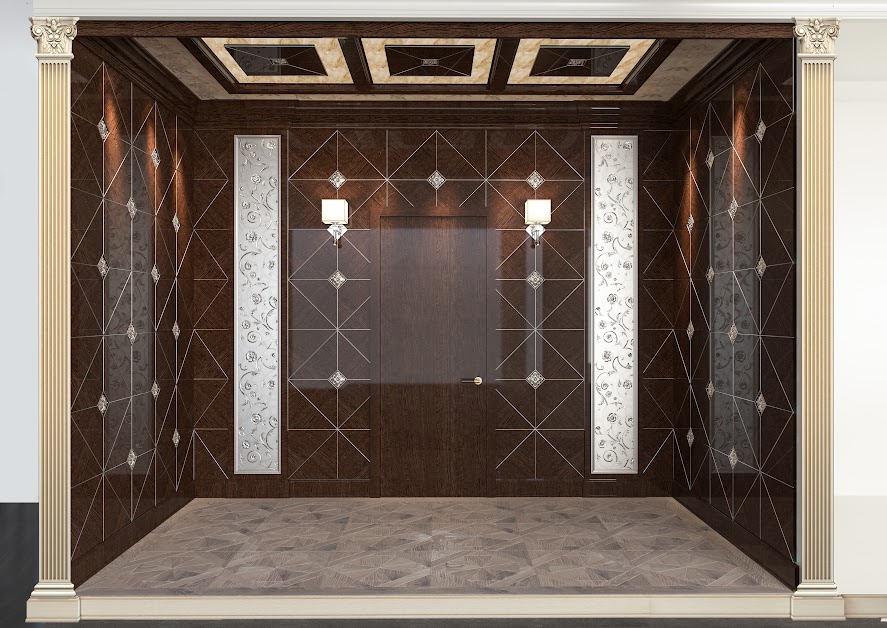
Characteristic features of this direction are:


Historical context
Art Deco originated in France and quickly spread around the world. This was a time of industrialization and technological progress, when society sought novelty and modernization. Wood as a material became a symbol of connection with nature in the era of machines and metal.




Wooden elements in Art Deco
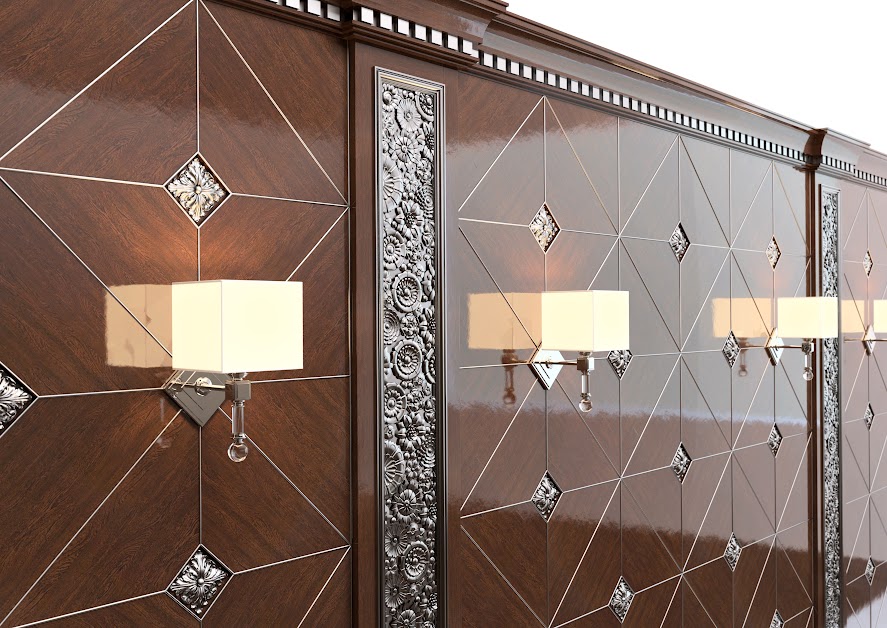
Wood in Art Deco was used to create furniture, interior finishes, and even in architecture. Especially valuable were exotic wood species such as rosewood, ebony, and macassar. Their unique textures and colors allowed creating items that were not only functional but also works of art.
Our factory also produces:


Geometry and symmetry
Geometric forms and symmetry are key elements of Art Deco. Wooden elements were often adorned with inlays of different wood species, creating complex and harmonious patterns. These patterns could be linear or consist of repeating forms such as circles, triangles, and zigzags.
Get Consultation
Luxury and decorativeness
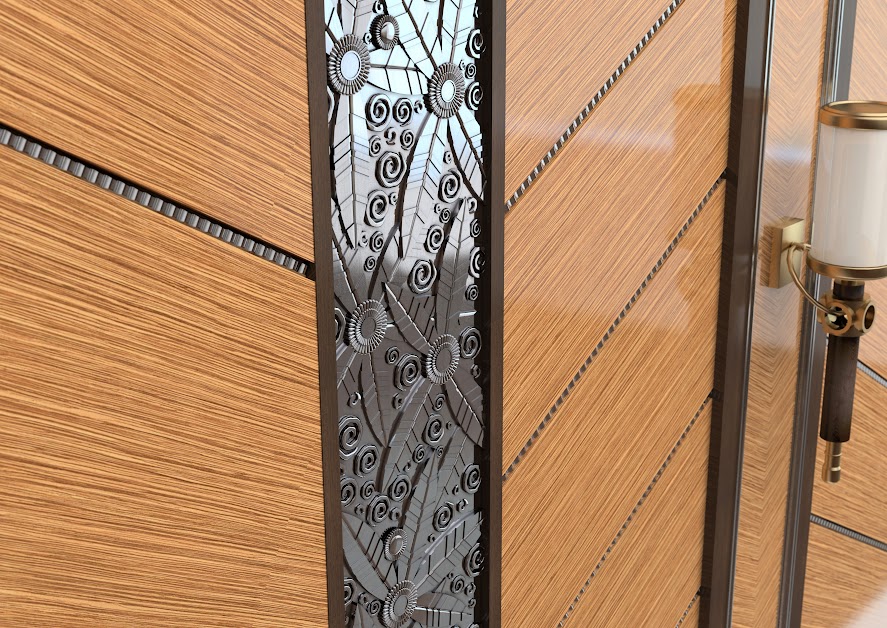
Wooden details in Art Deco were distinguished by high decorativeness and could be adorned with carving, lacquer, or even gilding. Furniture and decorative panels were often handcrafted, making each item unique.
Innovations and technologies
During the Art Deco era, new wood processing technologies were actively developed. They allowed designers to transform ordinary wood into artworks that still impress with their refinement and craftsmanship.
Technological progress in wood processing
With the arrival of Art Deco, a new era in wood processing began. Innovations such as veneering, laminating, and the use of new types of lacquers allowed designers to achieve unprecedented levels of decorativeness and refinement.