Article Contents:
- Variety of oak elements: from functionality to artistry
- Architectural elegance of moldings
- Grand cornices as the crown of interior design
- Baseboards: foundation of harmonious space
- Technological perfection: from raw material to masterpiece
- Premium Raw Material Selection and Preparation
- Precision Processing on Advanced Equipment
- Stylistic interpretations: universality of oak decor
- Classic luxury: palace tradition
- Scandinavian minimalism: philosophy of naturalness
- Modern eclecticism: bold experiments
- Innovative processing and finishing technologies
- Artistic brushing: revealing natural wood structure
- Thermo-treatment: revolution in wood properties
- Modern coatings: protection and aesthetics
- Application in various interior zones
- Grand rooms: living rooms and halls
- Private zones: bedrooms and offices
- Functional rooms: kitchens and entryways
- Installation and Setup: Professional Approach
- Preparation Work and Planning
- Mounting and jointing systems
- Final Processing on Site
- Care and longevity: secrets of preserving beauty
- Regular Maintenance
- Preventive maintenance and restoration
- Economic Aspects and Investment Appeal
- Pricing factors
- Long-Term Economic Efficiency
- Ecological Advantages and Sustainable Development
- Sustainability and certification
- Zero-waste production and disposal
- Trends and innovations
- Integration with smart technologies
- Personalization and customization
- Conclusion: STAVROS — traditions of craftsmanship in modern execution
Oak wood has remained synonymous with nobility, strength, and unparalleled beauty for centuries. Choosing oak elements for interior decoration, you invest in longevity, eco-friendliness, and timeless elegance. Each item becomes a work of art, where the natural perfection of the material harmoniously combines with the skill of modern technologies.
What makes oak elements so popular among lovers of quality decor? The answer lies in the unique characteristics of this noble species: density reaches 750 kg/m³, moisture absorption is only 12%, and tannin content provides natural protection against biological influences. These properties guarantee dimensional stability and preservation of the original appearance for decades.


Variety of oak elements: from functionality to artistry




Architectural elegance of moldings
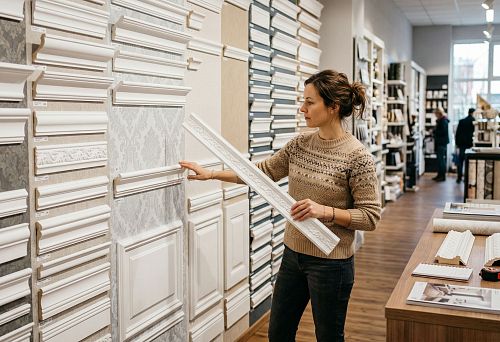
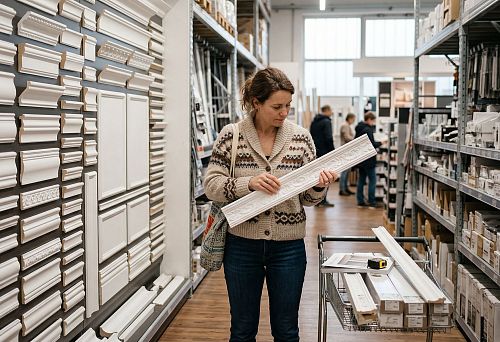
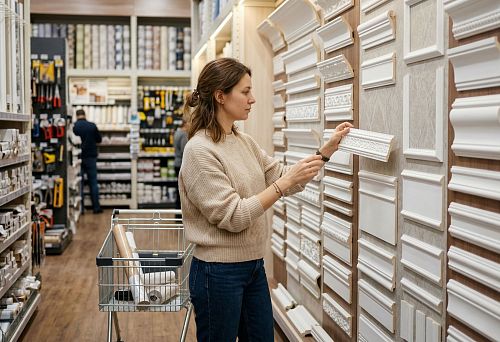
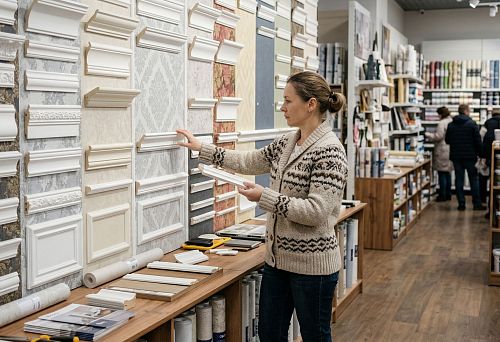
Wooden moldings Oak elements transform ordinary surfaces into works of architectural art. These elegant strips create visual transitions between different materials, conceal technological seams, and add depth and dimension to interiors.
The variety of profiles is breathtaking: from concise rectangular sections 20-40 mm wide to complex multi-level compositions up to 200 mm high. Each profile is developed with specific design tasks in mind — creating light shadows, visually zoning space, or forming decorative panels.
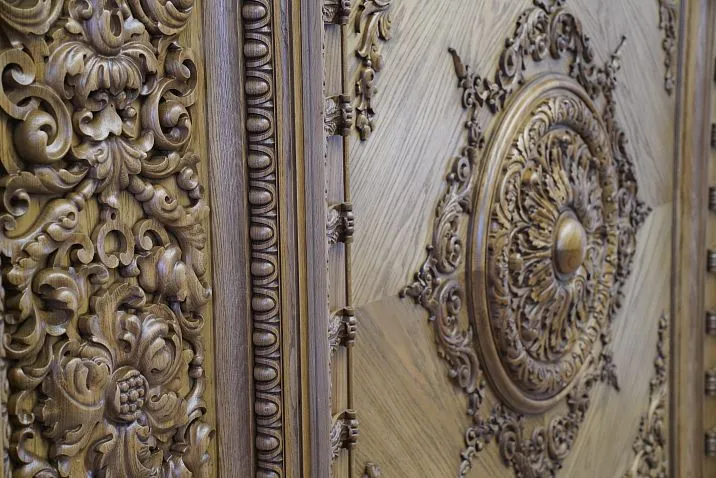
Carved moldings with botanical ornaments embody European decorative traditions. Grapevines, oak leaves, roses, and lilies are intricately carved, transforming each element into a miniature sculpture. Geometric patterns — diamonds, ovals, meanders — accentuate the structural beauty of oak grain.
Our factory also produces:


Grand moldings as the crown of interior design
Ceiling Molding Oak cornices complete the architectural composition of a room, creating a smooth transition between vertical and horizontal planes. Heavy cornices with multi-level profiles 120-300 mm high are suitable for high ceilings in classical interiors, visually enhancing the scale of the space.
Modern technologies allow integrating hidden lighting systems into cornices. LED strips placed in specially milled grooves create a floating ceiling effect and form scene lighting. The light beam can be directed upward to illuminate the ceiling or downward for general room lighting.
Wall cornices serve not only a decorative function but also act as a base for hanging drapes. The strength of oak allows it to withstand significant loads — up to 50 kg per linear meter. Special grooves and guides ensure smooth drapery sliding and even distribution.
Get Consultation
floor skirting boardsThe foundation of harmonious space
Baseboards unify all interior elements into a single composition, creating a visual foundation for the space. Wide baseboards 100-200 mm high emphasize the scale of the interior and lend it a sense of dignity. They are especially effective in rooms with high ceilings over 3.5 meters.
Narrow baseboards 60-80 mm are more delicate and suitable for compact modern layouts. Ornamental profiles with carved elements transform baseboards into independent decorative accents. Classic forms include the base, stem, and crown element, each of which can be adorned with individual ornamentation.
Technological perfection: from roughing to masterpiece
Selection and Preparation of Premium Raw Material
Creating elite oak elements begins with careful selection of timber. Trees must reach an age of at least 80-100 years to ensure the required density and structural stability. Roughing is performed during winter, when sap movement is minimal.
Kiln drying is a critically important process determining the longevity of products. Wood moisture is reduced from natural 50-60% to optimal 6-8% in special kilns at 45-55°C. The process takes 4-8 weeks depending on the thickness of roughing, but precisely this delicacy ensures the absence of internal stresses.
Precision processing on high-tech equipment
Modern CNC machines ensure micron-level precision when creating complex profiles. 5-axis milling centers allow processing items at any angle, creating volumetric compositions previously impossible in complexity.
Carved Decorative Elements Items are created by combining machine and handwork. Rough shaping is performed on machines, while final detailing is done by master carvers. This approach ensures perfect geometry while preserving the liveliness of handcrafted work.
Quality control includes multi-stage inspection at every production stage. Incoming raw material inspection, intermediate measurements during processing, final inspection of finished items — each element undergoes careful verification against technical requirements.
Stylistic interpretations: the universality of oak decoration
Classic luxury: palace tradition
In classical interiors, oak elements reveal their full potential. Carved moldings with complex botanical ornaments, heavy cornices with multi-level profiles, wide baseboards with elegant curves create an atmosphere of aristocratic homes.
Dark tones of staining — from walnut to wenge — highlight the nobility of the material and give interiors a monumental quality. Gold patination of individual elements creates an antique effect. Artificial aging techniques include brushing the surface, emphasizing texture with contrasting tones, and applying patina into carved recesses.
Scandinavian minimalism: philosophy of naturalness
Light shades of natural oak perfectly align with the philosophy of northern design. Simple geometric forms without excessive ornamentation highlight the natural beauty of wood. Oil finishes preserve the tactile sensation of natural material and allow it to 'breathe'.
Thin moldings 15-25 mm create delicate accents without disrupting overall harmony. Matte surfaces eliminate glare and create a comfortable atmosphere. Functionality is prioritized — each element must carry practical load.
Modern eclecticism: bold experiments
In modern interiors, oak elements successfully combine with metal, glass, concrete, and ceramic. The contrast between warm wood and cold industrial materials creates a dynamic atmosphere. Asymmetric moldings compositions form avant-garde wall panels.
Furniture decoration elements Integrate into modern furniture, adding individuality. Oak inserts in kitchen facades, furniture front overlays, decorative strips — all of this creates a unique appearance of interior items.
Innovative processing and finishing technologies
Artistic brushing: revealing natural structure
Mechanical processing with special brushes of varying stiffness removes soft spring wood fibers, revealing the structure of annual rings. The resulting tactile relief, 2-5 mm deep, is accentuated by contrasting toning in two or three stages.
First stage — application of base tone penetrating all wood pores. Second — partial removal of coating from raised areas, creating an aging effect. Third — application of accent color into recesses to emphasize relief.
Thermo-treatment: a revolution in wood properties
Processing oak wood at 180-220°C in an oxygen-free environment radically changes its properties. Moisture absorption drops to 6-8%, biostability increases, and the color becomes more saturated and uniform throughout the cross-section.
Thermowood acquires unique decorative qualities — from golden-brown to dark chocolate tones — without using dyes. Dimensional stability increases by 50-70%, which is critically important for long-span elements.
Modern finishes: protection and aesthetics
New-generation polyurethane varnishes create a wear-resistant film 100-150 microns thick, resistant to abrasion, scratches, and chemical exposure. Various gloss levels — from deep matte (5-10 units) to mirror gloss (90-95 units) — allow achieving the desired visual effect.
Oil-wax compositions combine protective properties with preservation of the natural wood texture. They penetrate into the wood structure up to 3 mm, creating protection from within. The finish is easily restored at local damage points without dismantling elements.
Application in various interior zones
Grand areas: living rooms and halls
In living rooms, oak elements create an atmosphere of solemnity and respectability. High baseboards visually enlarge the space, while elegant moldings form decorative wall panels. Ceiling cornices with hidden lighting create a floating ceiling effect.
Private zones: bedrooms and offices
In bedrooms, oak elements help create a calming atmosphere. Warm wood tones promote rest, and natural texture reduces stress. Delicate moldings can form a headboard, while wide baseboards unify the space.
In bedrooms, oak elements help create a calming atmosphere. Warm wood tones promote relaxation, and natural texture reduces stress. Delicate moldings can form a headboard, while wide baseboards unify the space.
Home offices require a special approach to design. Massive oak elements emphasize the owner’s seriousness and respectability. Bookshelves with carved cornices, molding panels, and high baseboards create an atmosphere reminiscent of an English club.
Functional areas: kitchens and entryways
In kitchens, oak elements must combine beauty with practicality. Special moisture-resistant finishes protect wood from steam and temperature fluctuations. Baseboards with technological grooves conceal utilities, while moldings adorn furniture facades.
Entryways are the first impression of a home. Oak elements here must be especially resistant to mechanical impacts. High baseboards protect walls from damage by shoes and bags, while wall panels made of moldings create an impressive appearance.
Installation and mounting: professional approach
Preparation and planning
Quality installation of oak elements begins with detailed room measurements. Laser scanning creates an accurate 3D model of the space, accounting for all architectural features. This allows pre-calculating material quantities and avoiding on-site adjustments.
Surface preparation includes wall leveling, dust removal, and priming with special compounds to improve adhesion. Marking is performed using a laser level to ensure perfect geometry.
Fastening and jointing systems
Modern fastening systems provide secure fixation without damaging the surface. Hidden fasteners preserve aesthetics, while adjustable elements allow compensating for uneven bases. Special stainless steel brackets are used for heavy cornices.
Jointing long elements requires special attention to compensatory gaps. Wood expands and contracts with humidity changes, so technological gaps of 2-3 mm are provided for every 2 meters of length. Gaps are masked with decorative overlays or filled with elastic sealants.
Final finishing on-site
After installation, all elements undergo final finishing. Joint areas are filled with wood-specific compounds, sanded, and tinted to match the base material. An additional protective layer may be applied if necessary.
Decorative carving may require local restoration after transportation. Master carvers restore damaged areas, achieving full conformity with the overall pattern.
Care and longevity: secrets of preserving beauty
Regular Maintenance
Daily care of oak elements reduces to dusting with a soft cloth or special microfiber cloths. Avoid abrasive materials and aggressive chemicals that could damage the finish.
Wet cleaning is performed with slightly damp cloth without excessive surface moisture. Special care products for oak items have been developed, restoring protective properties of the finish and highlighting the natural beauty of the wood.
Preventive maintenance and restoration
Minor scratches and scuffs are removed using wax pencils of the appropriate shade. More serious damage requires local sanding and application of a repair compound. The color is carefully matched to the main tone of the item.
Periodic re-coating extends the lifespan of elements for decades. Oil-based finishes are restored by partial application without disassembly. Lacquer finishes require full re-coating with prior surface preparation.
Economic Aspects and Investment Attractiveness
Pricing Factors
The cost of oak elements is determined by several key factors: profile complexity, wood quality, surface treatment type, and order volume. Simple rectangular moldings are 3-5 times cheaper than carved counterparts of similar size.
Select wood with particularly expressive texture costs 50-80% more than standard, but provides exceptional decorative value. Hand-carved elements increase cost 5-10 times compared to machine-cut, but create unique works of art.
Long-term economic efficiency
The service life of quality oak elements is 50-100 years with proper care. This makes them extremely cost-effective in terms of overall operating expenses. Restorability allows maintaining the original appearance for decades.
Oak decorative elements increase property value by 15-30%. This is especially relevant for luxury housing, where finish quality is one of the key pricing factors. Investments in quality decor pay off even on the first sale.
Ecological advantages and sustainable development
Renewability and Certification
Oak is a renewable natural resource provided responsible forestry practices are followed. FSC certification guarantees wood originates from sustainably managed forests with mandatory reforestation of harvested areas.
The carbon footprint of oak elements is significantly lower compared to synthetic analogs. Wood continues to sequester carbon throughout the product’s lifespan, helping reduce atmospheric CO2 concentration.
Zero-waste production and disposal
Modern technologies allow using up to 98% of processed wood volume. Main production waste is recycled into fuel briquettes, composite material wood flour, and organic fertilizers.
At the end of their service life, oak elements are fully recyclable. High-quality wood can be used to manufacture new items, while damaged elements are repurposed into biofuel.
Trends in development and innovation
Integration with smart technologies
Modern oak elements can integrate with "smart home" systems. Hidden sensors in cornices monitor room microclimate, automatically adjusting humidity for optimal wood preservation.
Built-in LED systems create scene lighting and highlight architectural features of elements. Wireless control allows adjusting light intensity and color temperature according to time of day and room function.
Personalization and Customization
Laser engraving technologies open new possibilities for personalizing elements. Family crests, commemorative dates, unique ornaments are engraved on oak surfaces with micron-level precision without damaging wood structure.
Digital modeling allows creating absolutely unique profiles tailored to specific architectural features of a room. Parametric design ensures perfect integration of elements with existing structures.
Conclusion: STAVROS — traditions of craftsmanship in modern execution
In an era of mass production and synthetic materials, oak decorative elements remain a bastion of authentic quality and enduring beauty. Choosing oak elements for your interior is an investment not only in space aesthetics, but also in a healthy ecological environment, longevity of solutions, and timeless relevance of classic forms.
Each element is the result of centuries of experience working with wood, modern technologies, and deep understanding of beauty laws. From simplest planks to complex carved compositions — all products share a pursuit of perfection and respect for natural material.
Oak elements become not just decoration, but an integral part of architectural concept. They create a home atmosphere, fill space with warmth of natural wood, and convey energy of living nature. This is an investment in quality of life and emotional comfort.
Ecological responsibility and commitment to sustainable development make oak elements a choice for the future. In the context of growing ecological awareness, natural materials become not a fashion trend, but a conscious necessity for creating a healthy living environment.
Technological innovations open new horizons for creativity, but fundamental values remain unchanged: material quality, craftsmanship, attention to detail. These principles form the philosophy behind creating premium oak elements.
For 23 years, STAVROS has perfected the art of working with oak wood, creating elements that become ornaments of the most prestigious interiors. Our rich experience in restoring palace complexes, modern production technologies, and relentless pursuit of perfection allow us to offer top-tier solutions.
STAVROS is not just a manufacturer of decorative elements — it is a team of masters, artists, and technologists united by a common goal: creating works worthy of the most demanding interiors. Every project for us is an opportunity to surpass achieved results and deliver the client something truly unique and beautiful. Entrusting STAVROS with creating elements for your interior means choosing a partner who shares your values of quality, beauty, and pursuit of perfection.