












































































Article Contents:
- History of carpentry: from antiquity to the present day
- Why is carpentry needed?
- Main elements of carpentry
- Modern ideas for using carpentry
- Care for carpentry
- Carpentry as a reflection of the soul of the house
- History and meaning of window casings
- Functions of house window casings
- Styles and types of carved window casings
- How to choose window casings?
- Modern ideas for using window casings
- Care for carved window casings
- What elements are included in carpentry?
- Why use carpentry?
- How to use carving elements?
- Modern trends in using carpentry
- How to choose elements of carpentry?
- Care for elements of carpentry
- What is cutout carving?
- Where is cutout carving used?
- Advantages of cutout carving
- Modern trends in cutout carving
- Care for cutout carving
- Meaning of carving on windows
- Traditional and modern styles of window casings
- How to choose carving for windows?
- Ideas for using carving on windows
- Care for carved window casings
- What are fragments of house carving?
- Where to use fragments of carving?
- Advantages of house carving fragments
- Modern trends in using fragments of carving
- Care for carving fragments
- Conclusion: House carving — an art that brings your home to life
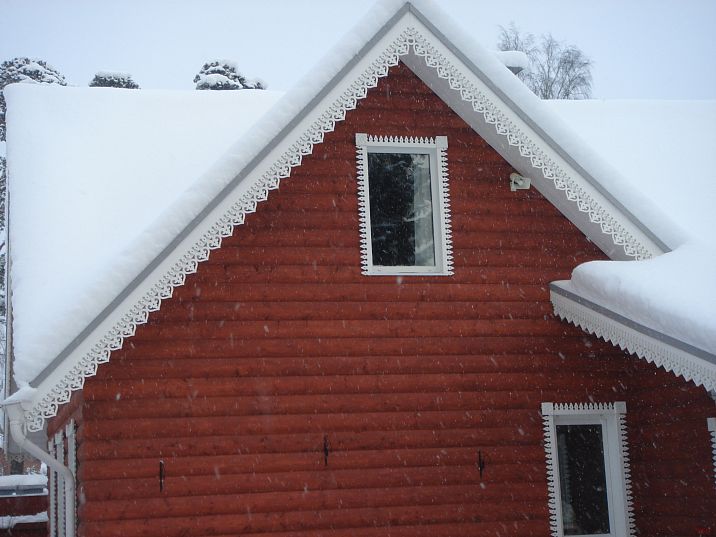
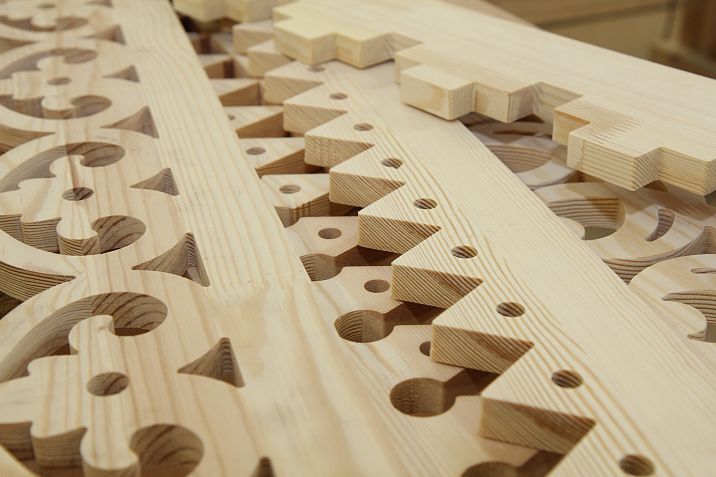
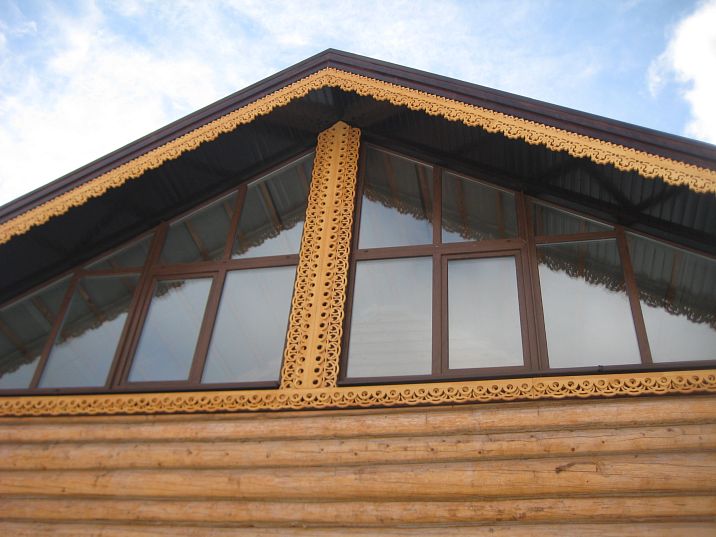
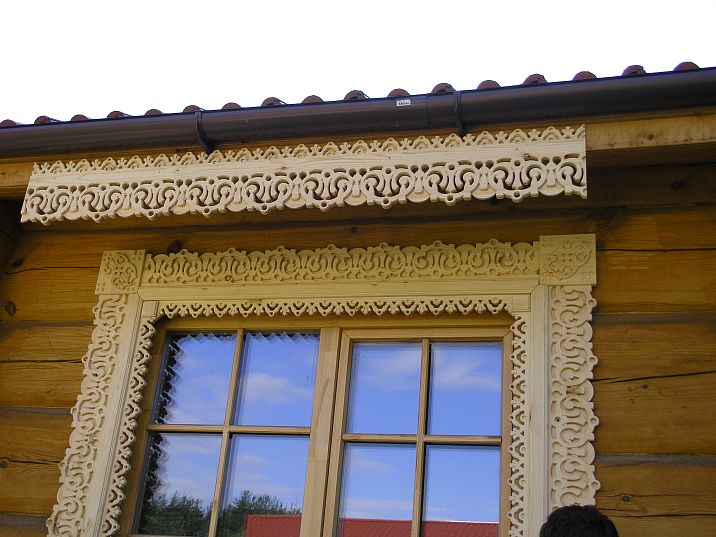
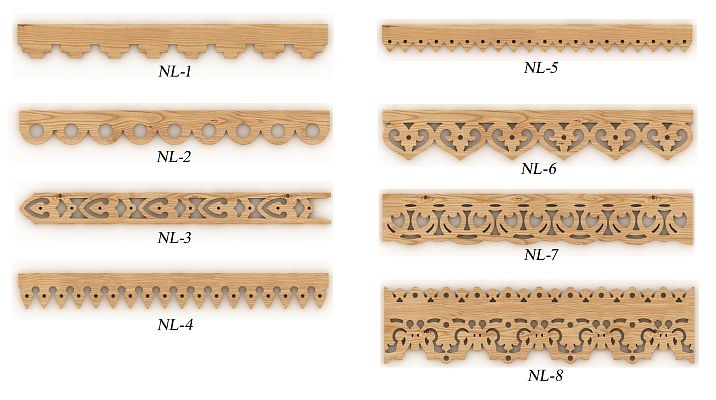
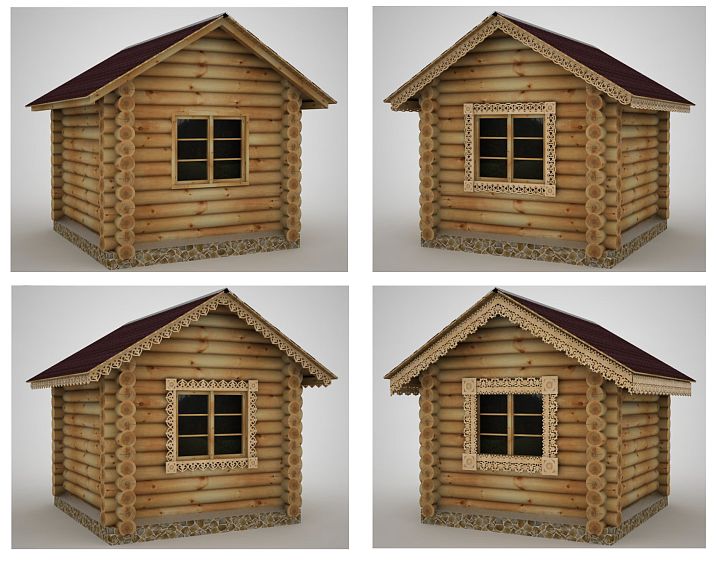
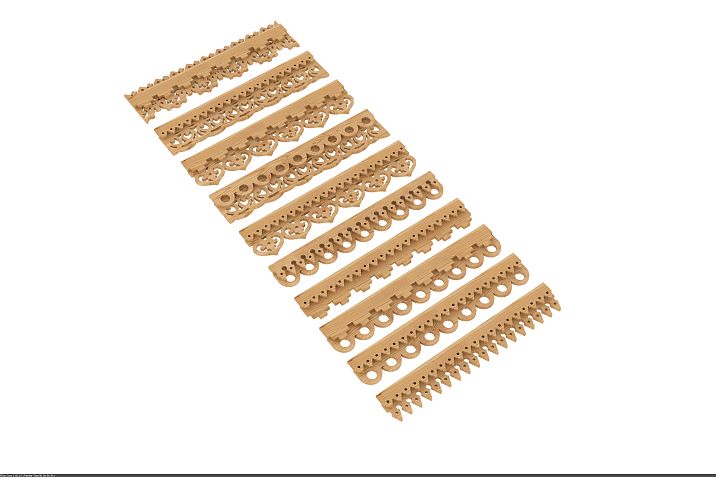
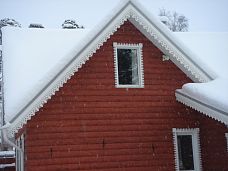
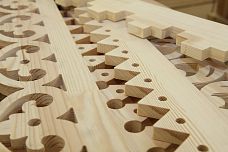
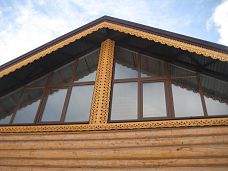
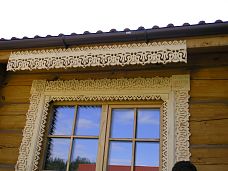
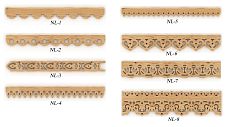
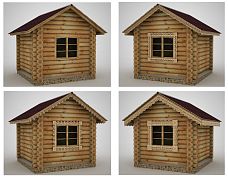
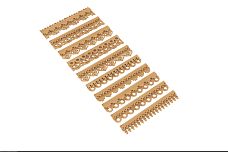
House Carving It is one of the most vivid symbols of traditional Russian architecture. It adorned house facades for centuries, turning every dwelling into a work of art. Wood carving not only made houses beautiful but also imbued them with symbolic meaning. Today, house carving is experiencing a new rebirth, becoming popular among both admirers of traditional architecture and lovers of modern design solutions.
History of house carving: from antiquity to the present day
Have you ever wondered when the first house carving appeared? Its history begins at the moment when people started decorating their homes using wood — the most accessible and warm material. Carved elements served not only as decoration but also performed practical functions, protecting the house from bad weather.
In ancient times, every pattern on wood had its own meaning. For example:
● The sun symbolized life and warmth.
● Plant ornaments meant fertility and abundance.
● Birds were symbols of freedom and happiness.
Russian house carving was especially popular in northern regions of Russia, where wooden architecture reached its peak. Casings, cornices, friezes, and other elements decorated every house, telling its story. Question: Is this tradition preserved today? Yes, but it takes on new forms and adapts to modern requirements.




Why is house carving needed?
Many consider carving to be merely decoration, but that is far from the truth. Let’s examine why it is truly necessary:
- Aesthetics.House Carving Makes the house facade expressive and unique. It attracts attention and creates a cozy atmosphere.
- Symbolism. Each carving element can tell its own story, act as a talisman or symbol of happiness.
- Practicality. Carved elements protect the house from rain, snow, and wind, extending the service life of wooden structures.
- Preservation of traditions. Using carving, we maintain a connection with history and pass on cultural heritage to future generations.
Think: how can your home tell its own story? Perhaps carved elements will become the accent that makes it unique?
Our factory also produces:


Main elements of house carving
Elements of house carving are diverse and serve different functions. Let's consider the most popular ones:
- Casings.House Carving Casings — these are the main elements of facade decoration. They frame windows, making them expressive and protected.
- Cornices and friezes. Decorate the upper parts of the facade, creating an effect of completion.
- Brackets. Used to support awnings, balconies and other structures, giving them a decorative appearance.
- Panels and corner caps. Complete the facade, adding texture and depth.
- Fragments of house carving. These are small details that can be used as individual elements or as part of a larger ornament.
Tip: choose elements that harmonize with the architectural style of your home. For example, traditional Russian houses suit carved casings with floral patterns, while modern facades look best with minimalist lines.
Get Consultation
Modern ideas for using house carving
Today, house carving is used not only to decorate traditional wooden houses, but also for modern architectural projects. Here are some ideas:
- Combination of materials. Carving combines beautifully with stone, glass, and metal, adding warmth and softness to cold surfaces.
- Modernization of forms. Use minimalist carved patterns to highlight contemporary facades.
- Color accents. Paint carved elements in bright or contrasting colors to make them stand out against the facade.
Have you ever thought about how to combine traditional heritage with modern trends? House carving is a universal tool that will help you create a unique look for your home.
Care for house carving
To ensure carved elements last long and retain their beauty, proper care is required:
● Regular cleaning. Use a soft brush or cloth to remove dust and dirt.
● Protection. Protect the wood with varnish or paint to prevent moisture and UV damage.
● Repair. If carving is damaged, it must be restored promptly to avoid further deterioration.
House carving as a reflection of the soul of the home
House Carving — it is more than just decoration. It brings life to the home, gives it character, and preserves traditions. Regardless of whether you prefer a classic or modern style, carving will help you create a unique look for your home.
If you want to decorate your home or get inspired by ideas, visitStavros. Here you will find everything you need to make your home truly unique.
House Carving Casings: Traditions, Style, and Uniqueness
House Carving Casings — this is one of the most recognizable and significant elements of Russian wooden architecture. Casings decorate windows, making the facade expressive, stylish, and harmonious. They not only serve a decorative function but also protect window frames from environmental influences. In this section, we will explore why casings are so important, what styles and variations exist, and how to choose the right carved elements for your home.
History and significance of casings
Have you ever wondered why windows are decorated with carving? In Russian wooden architecture traditions, windows were considered the 'eyes' of the house, through which it 'looks' at the world. Decorating windows with carved casings served not only a decorative but also a protective purpose. Each pattern carved into the wood carried symbolic meaning:
● Sun and stars. Represented life, warmth, and protection.
● Plant motifs. Symbolized abundance and harmony with nature.
● Geometric ornaments. Connected the house with the heavens and the earth.
As carpentry developed, carved window casings became true art. Each master created unique patterns that told about the character of the house and its owners. Question: how can this tradition be used today to highlight the individuality of your home?
Functions of house window casings
Carved window casings perform several tasks:
- Aesthetics. They decorate the facade, creating a finished and harmonious look.
- Protection. Wooden casings protect window frames from rain, snow, and wind, extending their service life.
- Symbolism. Casings continue traditions and add uniqueness to the house.
Did you know that casings can visually alter the proportions of windows? For example, wide carved frames make windows more expressive, while thin frames emphasize their height.
Styles and types of carved casings
Modern casings are divided into several styles and types that can be adapted to different architectural solutions:
- Traditional casings. Rich carving with plant and geometric motifs is ideal for houses in Russian style.
- Cut-out carving.House cut-out carving creates a light, airy effect. Such casings look refined and elegant.
- Minimalist casings. Simple lines and concise forms fit well into modern homes.
- Combined materials. Casings combining wood with metal or glass add individuality to the facade.
Tip: when choosing casings, consider not only the style of the house but also its color palette. Contrasting colors will highlight windows, while matching tones create a harmonious combination.
How to choose casings?
Choosing casings depends on several factors:
- Window size. For large windows, choose heavy and detailed casings; for small windows, opt for thin and minimalist ones.
- Material. It is best to use high-quality wood, such as oak, beech, or pine. These species are resistant to external influences and retain their shape for many years.
- House style. Select carved elements that emphasize the architectural style of the facade.
- Individual design. If you want your house to stand out, order casings with unique patterns.
VisitStavros, to find ready-made solutions or order a custom project for carved casings.
Modern ideas for using casings
Today, casings can be used not only for window decoration but also for other architectural elements:
● Door decoration. Use carving to create harmony between windows and the entrance area.
● Mirror framing. In interiors, carved casings can serve as frames for mirrors or paintings.
Space zoning. Small casings and carved elements can be used to decorate balconies or pergolas.
Have you ever thought about how casings can become the center of attention? Try combining traditional and modern elements to create a unique design.
Care for carved casings
To ensure casings retain their beauty and functionality for a long time, proper care is required:
● Regular cleaning. Remove dust and dirt using a soft brush or damp cloth.
● Treatment. Use varnish or paint to protect wood from moisture and UV rays.
● Repair. If casings are damaged, restore them promptly to avoid further deterioration.
House Carving Casings — this is not just a decorative element, but part of cultural heritage that helps make your home cozy, stylish, and unique. Decorated windows attract attention, create an atmosphere of hospitality, and highlight the individuality of the house. Want to transform the facade of your home? Find suitable carved casings on the siteStavros and create a home that will delight you and impress those around you!
House carving elements: richness of forms and functionality
Elements of house carving — these are details that make the facade expressive and memorable. Each element not only serves a decorative but also a practical function, helping to protect the house from weather conditions and enhance its appearance. In this section, we will thoroughly examine the main types of carved elements, their purpose, usage, and selection features.
What elements are included in house carving?
House carving includes many decorative elements, each performing its own function. Here are the main ones:
- Casings.House Carving Casings frames windows, protects them, and adds aesthetics to the facade.
- Cornices and friezes. Decorate the upper part of the facade, visually separating walls and roof. These elements can be simple or adorned with intricate carving.
- Brackets. Used to support protruding elements such as balconies or awnings, while also decorating the structure.
- Pediments. Carved elements located above windows and doors, emphasizing the entrance group and making it the central accent.
- Decorative panels. Installed on walls or corners of the house to give the facade volume and texture.
- Fragments of house carving. These are individual details such as floral patterns, geometric ornaments, or symbolic images that can be used to enhance the composition.
Tip: when decorating the facade, it is important to properly combine carving elements so that they create a harmonious image.
Why use house carving?
Carved elements perform several functions:
● Aesthetic. They make the house facade bright, expressive, and stylish.
● Practical. Carving protects wooden structures from precipitation and temperature fluctuations.
● Symbolic. Many ornaments have deep meanings connected to culture and traditions.
Have you ever thought about which carving element would become the main accent of your home? Perhaps it’s a carved pediment above the entrance door or elegant corner panels.
How to use carving elements?
Each element of house carving has its own place and method of application:
- Decorating windows and doors.House carving casings for windows The cornices and friezes create a finished facade appearance, highlighting key zones.
- Facade zoning. Cornices and friezes help visually separate floors or emphasize the roofline.
- Accent elements. Use decorative panels or individual carved fragments to add originality to walls.
- Corner detailing. Carved corner caps add structure to the facade and make it more complex.
Tip: Try combining different types of carved elements to create a multi-layered composition.
Modern trends in house carving
Today, house carving adapts to modern architectural styles. Here are several popular ideas:
● Simplicity of forms. Minimalist lines and carving are popular in modern facades.
● Material combination. Wood is often combined with metal, stone, or glass to create an interesting contrast.
● Individual projects. More homeowners are ordering unique carving elements that reflect their personal style.
Have you ever thought about how to combine tradition and modernity? House carving is a way to preserve cultural heritage while adding relevance to your home.
How to choose house carving elements?
The choice of elements depends on several factors:
- Architectural style. Ensure that the carved details harmonize with the overall look of the house.
- Material. Use wood species resistant to environmental exposure, such as oak, pine, or larch.
- Detailing. Large homes suit complex ornaments, while smaller structures benefit from simple and neat patterns.
- Color. Natural wood adds warmth, but painting in bright or contrasting colors can highlight the carving.
Tip: On the websiteStavros a wide selection of elements suitable for any project is presented.
Care for house carving elements
To ensure carving retains its beauty and longevity, proper care is essential:
● Cleaning. Remove dust and dirt with a soft brush or damp cloth.
● Treatment. Use protective coatings such as varnish or oil to prevent wood from moisture damage.
● Regular inspection. Pay attention to possible damage and address it promptly.
Elements of house carving — it’s the opportunity to turn your home into a unique work of art. They decorate the facade, add warmth and individuality, preserve traditions, and highlight your personality. Want to transform your home? Find inspiration on the websiteStavros and bring your ideas to life!
House carving: intricacies of the art and modern solutions
House cut-out carving — it is one of the most refined and complex types of wooden carving, creating airy and elegant patterns. Such elements appear light, as if floating in space, and add an elegant character to the house facade. In this section, we will examine the features of openwork carving, its history, applications, and advantages.
What is openwork carving?
Openwork carving differs from other types in that patterns are cut through, forming through-holes that create the design. This technique requires high precision and skill, as each detail must not only be beautiful but also maintain strength.
Interesting fact: openwork carving is often used to create plant and geometric ornaments associated with traditional symbols of Russian culture. For example:
● Plant patterns. Represent nature, fertility, and harmony.
● Geometric shapes. Symbolize order and stability.
● Animal and bird images. Bring into the home images of freedom and prosperity.
Have you ever thought about how openwork carving can change the perception of a facade? It not only makes the house more beautiful but also creates a play of light and shadow, adding dynamism to the exterior appearance.
Where is openwork carving used?
House cut-out carving can be applied to various decorative elements:
- Window casings. Openwork patterns make windows expressive and give the facade a sense of lightness.
- Friezes and cornices. These elements decorate the upper part of the facade, emphasizing the roof lines.
- Balconies and terraces. Carved railings and balustrades with openwork carving add elegance to the house.
- Decorative panels. Used on walls or corners of the house to create accent zones.
Tip: openwork carving looks especially good on the sunny side of the house, where the play of light and shadow highlights the complexity of the patterns.
Advantages of openwork carving
Why choose openwork carving? It has several undeniable advantages:
● Lightness. Openwork patterns create a sense of lightness that attracts attention.
● Individuality. Each element of openwork carving is unique, as it is handmade.
● Universality. Openwork details suit both traditional and modern houses.
● Durability. With proper processing and maintenance, such elements retain their beauty for many years.
Have you ever thought about how openwork carving can emphasize the style of your home? It’s an ideal choice for those who want to add a touch of elegance to the facade.
Modern trends in openwork carving
Today, openwork carving is adapted to modern architectural styles. Here are several ideas for using it in design:
● Minimalist patterns. Simple geometric shapes fit well into modern facades.
● Combined materials. Openwork carving in wood combined with metal or glass creates an eye-catching contrast.
● Lighting. Install lighting behind openwork carving elements to highlight their structure and add dynamism in the evening.
Tip: use openwork carving in combination with traditional elements to create a unique look for your home.
Care for openwork carving
Openwork carving requires careful maintenance, as openwork patterns are susceptible to environmental exposure. Here are some tips:
● Cleaning. Remove dust and dirt using a soft brush or water stream. Avoid using abrasive materials to prevent damaging the patterns.
● Protection. Cover the wood with special varnishes or oils that protect it from moisture, sunlight, and insects.
● Repair. If cracks or damage appear on the carving, they should be promptly repaired to maintain the integrity of the elements.
House cut-out carving This is the perfect choice for those who appreciate elegance and refinement in architecture. It adorns the house, creates a play of light and shadow, adds individuality, and preserves the traditions of wooden architecture. Want to decorate your home with carved ornamentation? VisitStavros and find elements that will highlight the uniqueness of your home.
Carved window trim: the charm of traditions and modern solutions
House carving casings for windows This is a unique decorative element that remains relevant for centuries. They make windows the 'eyes' of the house, emphasizing their expressiveness and adding harmony to the facade. Today, carved window trim is not only about preserving traditions but also a way to add individuality to your home.
The significance of carved window trim
Have you ever wondered why windows are traditionally adorned with carved trim? This element has deep cultural roots. In Russian wooden architecture, windows were considered symbols of openness and connection between the house and the outside world. Carved trim protected them from evil spirits and bad weather and gave the house a unique appearance.
Functions of carved window trim:
- Protection. Carved trim protects window frames from rain, snow, and wind.
- Aesthetics. They add elegance to the facade, making windows expressive and harmonious.
- Symbolism. Carved trim can reflect traditional motifs such as the sun, stars, or floral patterns.
Tip: choose carved elements that harmonize with the overall architecture of your home to highlight its uniqueness.
Traditional and modern styles of window trim
House carving casings for windows can be executed in various styles suitable for both traditional and modern homes:
- Classic trim. Rich carving with floral and geometric ornaments. Suitable for traditional wooden houses.
- Carved trim. Light, airy patterns that create a sense of delicacy. This style complements modern facades.
- Minimalist design. Simple lines and clean forms fit perfectly into modern architectural styles.
- Combined materials. Trim with metal or glass elements emphasizes the modern character of the facade.
Tip: if you want to highlight the architectural features of your home, choose contrasting colors for the carved elements. This will emphasize the windows and make the facade more expressive.
How to choose carving for windows?
Choosing casings depends on several factors:
- Window size. Large windows suit heavy trim with bold carving, while small windows look best with delicate and fine patterns.
- Material. Use wood resistant to external influences, such as oak, pine, or larch.
- Detailing. Ensure the patterns match the overall style of the house.
- Color. Natural wood creates coziness, but painted trim will help emphasize the windows.
VisitStavros, to choose ready-made trim or order a custom project for your home.
Ideas for using carved trim on windows
Carved trim can be used not only on the facade but also inside the house. Here are some ideas:
● Mirror framing. Carved trim can be used as a frame for mirrors to create an accent in the interior.
● Interior window decoration. If your home has interior windows, decorate them with carving.
● Harmonizing with doors. Use carving on windows and doors to create a unified facade style.
Have you ever thought about how such elements can unite interior and exterior? Try using the same motifs to decorate both interior and exterior windows.
Care for carved window casings
Carved elements require regular care to maintain their beauty and longevity:
- Cleaning. Remove dust and dirt with a soft brush or damp cloth.
- Treatment. Cover the wood with protective products to prevent damage from moisture and UV rays.
- Repair. Promptly restore carved elements when cracks or damage appear.
House carving casings for windows — these are not just decorative elements, but a way to give your home individuality, preserve traditions, and create a cozy atmosphere. They combine aesthetics and functionality, making your facade expressive and stylish. Want to decorate your home? Find suitable carved elements on the site %sStavros and create a home that will delight you for many years.
Carved facade fragments: accents that transform the facade
Fragments of house carving — these are small but expressive decorative elements that add uniqueness and elegance to the facade of a house. They can be used as standalone details or as part of a more complex composition. Carved fragments are ideal for those who want to highlight the individuality of their home or create a special accent in certain areas of the facade.
What are carved facade fragments?
Carved fragments are individual decorative elements, such as floral patterns, geometric shapes, images of birds or animals. These details are created using traditional wood carving techniques and can be either fully recessed or applied.
How do they differ from large carved elements, such as casings or cornices?
● Compactness. Fragments take up less space but still attract attention.
● Flexibility of use. They can be placed in various areas of the facade, including corners, windows, doors, and walls.
● Individuality. Each fragment can be unique, reflecting the style and character of the house.
Have you ever thought about how a single small carved element can transform the facade? Carved fragments make the house alive, adding details and textures.
Where to use carved fragments?
Fragments of house carving can be used in various areas of the house. Here are some ideas:
- Facade corners. Carved corner appliqués give the house structure and emphasize its architectural lines.
- Above windows and doors. Carved fragments placed above window openings or entrance doors create expressive accents.
- On balconies and terraces. Decorative elements on railings or posts add coziness and emphasize style.
- On walls. Carved panels or individual fragments can be used to create accent zones on the facade.
Tip: combine carved fragments with other decorative elements to create a harmonious and unique look for your home.
Advantages of carved facade fragments
Why should you pay attention to small carved elements? They have several undeniable advantages:
● Economy. Fragments require less material and installation time compared to large elements.
● Ease of installation. These details are easy to install yourself or with a professional’s help.
● Renewability. You can periodically change or add new fragments to refresh the home’s appearance.
● Accents. They allow you to highlight key areas of the facade without overloading the overall design.
Have you ever noticed how a small detail can change the perception of the entire composition? Carved fragments are the perfect way to add elegance to your home.
How to choose carving fragments?
The choice of fragments depends on the style of the house and your preferences:
- Material. It is best to use wood resistant to external influences, for example, oak, beech, or pine.
- Detailing. Complex patterns suit a traditional facade, while minimalist forms are ideal for a modern house.
- Placement. Plan in advance where the elements will be placed to ensure they harmonize with the rest of the carving.
- Color. Natural wood adds warmth, but bright colors will help highlight details.
VisitStavrosto find suitable carving fragments or order a custom design.
Modern trends in using carving fragments
Today, masters offer new solutions for using carved elements:
● Integration with lighting. Install lighting behind the carving fragments to highlight them at night.
● Combined materials. Carving enhanced with glass or metal creates striking contrasts.
● Dynamic compositions. Arrange fragments as patterns or thematic pictures to add artistic flair to the facade.
Care for carving fragments
To ensure carved elements retain their appearance for many years, proper care is essential:
- Regular cleaning. Remove dust and dirt with a soft brush or damp cloth.
- Treatment. Apply protective coatings to prevent moisture and UV damage.
- Restoration. Promptly renew coatings or replace elements if damage occurs.
Fragments of house carving — are small details that create a big effect. They add individuality to the house, emphasize its style, and introduce artistic touches to the facade. Want to transform your home? Choose suitable carved elements on the websiteStavros and bring your design ideas to life.
Conclusion: House carving — an art that brings your home to life
House Carving — is not just a decorative element, but a way to give your home individuality, express its soul, and preserve traditions. Every carved element, whether it’s window casings, fragments, or cornices, carries the warmth of wood, craftsmanship, and the rich history of Russian architecture. In today’s world, where technology replaces manual labor, house carving remains a living art passed down from generation to generation.
Why is house carving so important?
Wood carving transforms houses, making them vibrant, memorable, and cozy. It allows you to create a unique facade that tells the story of your home. Traditional motifs, intricate patterns, and symbolic ornaments not only decorate but also create an atmosphere, connecting the past with the present.
House carving turns a house into more than just a building — it becomes a place that draws attention and inspires admiration.
How does house carving change the appearance of a house?
● Turns the facade into a work of art. Carved elements make the house aesthetically complete, adding harmony and accents.
● Preserves traditions. Decorating the facade with carving is a way to preserve cultural heritage, passing it on in a modern interpretation.
● Creates an atmosphere of coziness and warmth. Carved elements give the house a 'human touch,' making it not just a structure, but a place where you want to live.
Think: what would you like to tell about your home? House carving can express your individuality, highlighting the character of the building.
Be inspired by house carving
Carpentry decoration remains relevant not only in traditional wooden houses but also in modern constructions. Today, it can be executed in various styles, from classical to minimalist, and adapted to any architectural solution. It is a universal art that continues to evolve and inspire.
Looking for an idea on how to decorate your home? Start with small details — choose door casings or carved fragments that highlight the uniqueness of your facade.
House Carving This is a decoration that brings your home to life. It combines aesthetics, functionality, and cultural traditions, adding warmth, style, and individuality to your facade. Want to transform your home? Consult artisans and select carved elements that accentuate the beauty of your building.
On the websiteStavros You will find a rich selection of carved items for facades that will help you bring your ideas to life. Create a home that will delight you and inspire those around you!


