Article Contents:
- Philosophy of home space: where does the choice begin?
- Dialogue with your own lifestyle
- Spatial Psychology
- Material science as the basis of wise choice
- The splendor of natural wood
- Innovative Composite Solutions
- Ergonomic science of comfort
- Anthropometric standards
- Work surfaces and storage
- Stylistic symphony: choosing an aesthetic philosophy
- Classic eternity
- Modern minimalism
- Ethnic Motifs
- Functional Architecture of the Modern Home
- Transformational magic
- Hidden storage possibilities
- Lighting as an element of furniture design
- Built-in lighting solutions
- Decorative lighting effects
- Technological integration into furniture
- Smart Furniture
- Security Systems
- Ecological aspects of selection
- Certification and Standards
- Innovative eco-materials
- Psychology of color in home interiors
- Warm palette of life
- Cool harmony
- Neutral base
- Regional and climatic features
- Humid climate
- Dry Climate
- Sharp temperature fluctuations
- Economic strategy for updating your home
- Investment priorities
- Cost Optimization
- Trends of the future in furniture design
- Sustainable development
- Technological Integration
- Personalization
- Conclusion

Furniture is not just decor items, it is the soul of your home, a reflection of your character and embodiment of dreams of comfort. In an era when our home has become the center of the universe — a place of work, rest, creativity, and family unity — the question of how to choose furniture for your hometakes on philosophical significance. This is not a mere purchase, but the creation of an ecosystem that will influence your mood, health, and life rhythms for many years.
In today's world, where space is expensive and time flows rapidly, every square meter must work with maximum efficiency. At the same time, the home remains the last bastion of privacy, a place where one can shed masks and become oneself. And it is precisely the right choice of furniture that creates that magical atmosphere which transforms a set of rooms into a true home.
Today's market offers such a dizzying variety of styles, materials, and technological solutions that even experienced designers sometimes get lost in the ocean of possibilities. From Italian classics to Japanese minimalism, from eco-friendly materials to smart technologies — the choice is truly boundless. But how to find exactly what resonates with your soul and lifestyle in this diversity?




Philosophy of home space: where choice begins
The home is an extension of our personality, a materialized dream of comfort and beauty. Therefore, the choice of furniture begins not with shopping trips, but with deep self-analysis and understanding of one's own needs, habits, and aspirations.




Dialogue with your own lifestyle
Before considering stylistic preferences or budget constraints, have an honest conversation with yourself. How do you live? Do you enjoy noisy parties or prefer quiet family dinners? Do you work from home or use your residence exclusively for rest? Do you have children, pets, hobbies requiring special space?
Families with young children need furniture with rounded corners, easily cleanable surfaces, and high resistance to damage. Creative professionals value functional work zones and organized tool storage. Entertainment lovers will prefer spacious living rooms with comfortable seating and guest areas.
Age-related characteristics also play a critical role. Young families often choose transformable furniture capable of adapting to changing needs. People of mature age prefer classic solutions that emphasize status and stability. Elderly individuals require ergonomic furniture that simplifies daily use.
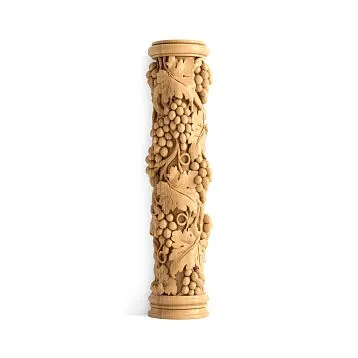
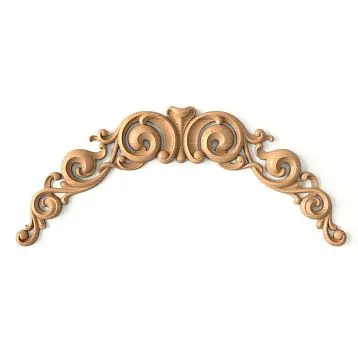
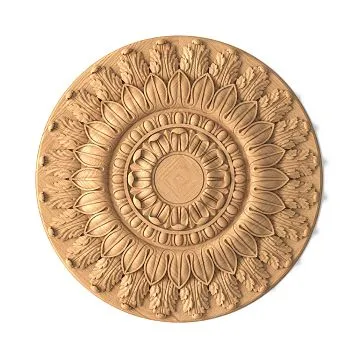
Our factory also produces:







Spatial Psychology
Each room in the house has its own energy and functional purpose. The living room — the heart of the home, a place for communication and relaxation — requires furniture that promotes relaxation and social interaction. The bedroom — an intimate space for recovery — where every element should contribute to quality sleep and morning awakening.
The kitchen in a modern home often becomes the center of family life, combining functions of food preparation, dining, and even a home office. The children's room should stimulate development, ensure safety, and easily transform as the child grows.
Color has a scientifically proven effect on human psychology. Warm tones — beige, cream, peach — create a sense of coziness and security. Cool tones — blue, mint, lavender — promote concentration and mental activity. Neutral colors — gray, white, natural wood — are versatile and allow easy mood changes in the room using accessories.
Get Consultation
Material science as the foundation of wise choice
The foundation of any quality furniture item lies in materials. Here, it is important to understand that expensive does not always mean better, and cheap does not mean bad. Modern technologies allow creating composite materials that surpass traditional natural materials in many parameters.
The splendor of natural wood
Solid wood remains the standard of nobility and durability. Oak — the king among species — combines incredible strength with noble texture. Furniture made of oak can serve for centuries, passing from generation to generation. Walnut captivates with its rich tones and silky surface, ideally suited for creating respectable interiors.
Birch is characterized by uniform structure and is easily processed, making it an ideal material for furniture with complex shapes. Ash attracts with its expressive texture and high strength, especially valuable for making chairs and tables.
Coniferous species — pine, spruce, larch — are more affordable but require quality processing and moisture protection. They are ideal for garden furniture or children's rooms, where ecological safety is important.
Innovative composite solutions
High-density MDF is a worthy alternative to solid wood. Made from fine wood fibers, it surpasses natural wood in dimensional stability and moisture resistance. Quality MDF with modern finishes — enamel, veneer, PVC film — creates endless possibilities for design solutions.
Multiplex (birch plywood) has unique strength characteristics. Its multi-layer structure prevents deformation and cracking, which is especially valuable for furniture subjected to heavy loads.
Modern plastics have radically changed perceptions of synthetic materials. They do not fade in sunlight, do not absorb odors, are easy to clean, and are recyclable. Furniture made of quality plastic can look no less noble than wooden furniture.
Ergonomic science of comfort
Beauty without comfort is a waste of money. Modern furniture should serve the human being, not the other way around. Ergonomics — the science of adapting objects to the human body — should become your guide when choosing each element of the interior.
Anthropometric standards
The height of a chair or sofa seat is critically important for proper seating. For most adults, the optimal height is 42-45 cm, allowing legs to stand freely on the floor at a 90-degree angle at the knees. For tall individuals (over 180 cm), a height of 46-48 cm is more comfortable.
The depth of the seat should provide support for the hips without creating pressure on the knee area. The correct depth is 50-55 cm for chairs and 55-65 cm for sofas and armchairs. There should be a 5-8 cm gap between the edge of the seat and the knee pit.
The backrest should support the natural S-curve of the spine. Especially important is lumbar support at the level of the 3rd to 5th lumbar vertebrae. The angle of inclination of the backrest affects the purpose of the furniture: for work, an angle of 100-110 degrees is optimal, for rest — 105-120 degrees.
Work surfaces and storage
The height of the table should correspond to the user's height. Standard 75 cm is suitable for people 170-175 cm tall. Incorrect height leads to spinal problems and rapid fatigue.
Storage systems should be accessible without excessive effort. Frequently used items are placed in the zone from 40 to 140 cm from the floor — this is the zone of maximum comfort for an average person.
The depth of cabinets is determined by their purpose. For clothing, the optimal depth is 55-60 cm, for dishes — 35-40 cm, for books — 25-30 cm. Greater depth complicates access to contents, while lesser depth does not allow placing necessary items.
Stylistic Symphony: Choosing an Aesthetic Philosophy
Interior style is not a fashion statement, but an expression of worldview and lifestyle. Each direction carries its own philosophy, and your choice should resonate with your inner beliefs.
Classic Eternity
The classical style is built on principles of harmony, proportion, and the use of noble materials. Furniture made of solid wood with carved, gilded, or patinated elements creates an atmosphere of respectability and stability. This style is chosen by those who value tradition and quality.
Neoclassicism adapts the best traditions to modern realities. Preserving the nobility of forms and materials, it frees itself from excessive pomp, creating a lighter and more airy atmosphere.
Empire is a style for those who are not afraid of luxury. Massive furniture with abundant decorative elements, expensive fabrics, and gilding create a palace-like atmosphere. However, this style requires spacious rooms and an appropriate budget.
Modern Minimalism
Minimalism is built on the principle 'less is more'. Simple forms, absence of decorative excesses, functionality — these are the main features of this direction. Furniture features clean geometric lines and neutral colors.
Scandinavian style combines minimalism with coziness. Light wood, white and gray tones, natural fabrics create an atmosphere of a northern fairy tale. This style is especially suitable for small rooms, visually expanding the space.
High-tech emphasizes modern technologies and materials. Glass, metal, plastic, built-in appliances — everything is subordinate to the idea of technological perfection. Transformable furniture, hidden storage systems, smart technologies — these are attributes of this style.
Ethnic motifs
Loft brings an industrial romanticism into the home. Brick walls, metal structures, rough textures combine with modern furniture. This style is chosen by creative individuals who value freedom of self-expression.
Provence is the romance of French countryside. Pastel tones, artificially aged surfaces, floral motifs create an atmosphere of a cozy country house. Furniture often has worn areas and traces of time, creating a special charm.
Eco-style reflects the desire to unite with nature. Natural materials, natural colors, live plants create a healthy atmosphere. Furniture made from recycled materials, bamboo, rattan emphasizes the ecological awareness of the owners.
Functional architecture of a modern home
Modern life requires furniture to be maximally functional. Each item should solve not one, but several tasks, especially in the case of limited space in city apartments.
Transformation Magic
Transformable furniture has revolutionized space usage. A sofa-bed allows the living room to become a guest bedroom. Modern transformation mechanisms work easily and silently, and orthopedic mattresses ensure comfortable sleep.
Foldable tables adapt to various usage scenarios. A compact coffee table can become a full-sized dining table for a large group. Such solutions are especially valuable in small studio apartments.
Modular systems provide unlimited opportunities for experimenting with layouts. Individual blocks can be rearranged, added, or removed, creating a new spatial configuration each time.
Hidden Storage Possibilities
Built-in storage systems turn dead zones into useful space. Niches under stairs, wall spaces between windows, high ceilings — all can be used for storing items.
Furniture with secrets — sofas with internal compartments, beds with lifting mechanisms, coffee tables with internal compartments — help maintain order without compromising aesthetics.
Vertical solutions maximize the height of rooms. Floor-to-ceiling wardrobes, multi-tiered shelves, hanging systems create additional storage space.
Lighting as an Element of Furniture Design
Modern furniture increasingly integrates with lighting systems, creating comprehensive solutions for comfortable living.
Built-in Lighting Solutions
LED lighting in furniture is not only beautiful but also functional. Internally lit display cases create striking accents, while lighting in cabinets makes it easier to find needed items. Modern LEDs consume minimal energy and last for decades.
Sensory systems automatically turn on lights when doors are opened or when approaching furniture. This is not only convenient but also economical — lights turn on only when needed.
Adjustable systems allow you to set brightness and color temperature depending on the time of day and mood. Warm light in the evening promotes relaxation, while cool light in the morning aids awakening.
Decorative Lighting Effects
Edge lighting creates the effect of furniture floating in the air. Especially striking are beds, sofas, and bar counters illuminated from below.
Accent lighting highlights individual items or zones. Lighting under paintings, sculptures, and collections turns the home into a private gallery.
Technological integration in furniture
The development of technology fundamentally changes our perception of the possibilities of modern furniture. Smart solutions make the home more comfortable, safe, and energy-efficient.
Smart furniture
Intelligent systems in furniture can analyze user behavior and automatically adapt to their needs. Chairs with massage functions that respond to stress levels, tables that automatically adjust height, beds with climate control — technologies of the future are becoming reality.
Wireless charging in tabletops and cabinets eliminates the hassle of cables. Simply place a compatible device on the designated area — and charging begins automatically.
Built-in audio systems turn furniture into entertainment centers. High-quality sound without visible speakers creates a concert hall atmosphere at home.
Security systems
Biometric locks in furniture provide maximum protection for valuables. A fingerprint or iris scanner ensures that only authorized users can access the item.
Monitoring systems track the condition of furniture and alert users when maintenance is needed. Sensors for humidity, temperature, and mechanical load help extend the lifespan of items.
Ecological aspects of selection
In the era of ecological awareness, choosing furniture becomes an act of responsibility toward future generations. Eco-friendly furniture is not only care for the planet, but also for the health of one's own family.
Certification and Standards
Formaldehyde emission is a key indicator of ecological safety for furniture made from composite materials. Class E1 is considered safe for living spaces, while E0 is the safest for children's rooms.
FSC certification guarantees that the wood comes from responsibly managed forests. Buying such furniture supports sustainable forestry.
Water-based coatings contain no volatile organic compounds and are completely safe for health. Furniture with such coatings has no unpleasant odor and does not emit harmful substances.
Innovative eco-materials
Recycled materials receive new life in modern furniture. Plastic from ocean waste, wood from old buildings, metal from cars create unique items with interesting histories.
Biodegradable materials — furniture made from mushroom mycelium, algae, fast-growing bamboo — represent the future of eco-design.
Local production reduces carbon footprint and supports regional economy. Choosing furniture from local manufacturers invests in the development of your home region.
Psychology of color in home interiors
The color of furniture has a profound effect on our psychological state, mood, and even physical well-being. Understanding color psychology helps create a harmonious atmosphere in the home.
Warm palette of life
Red tones stimulate activity and appetite, but may cause aggression when overused. Red furniture is suitable for dining rooms or living rooms, but not for bedrooms.
Orange tones create a sense of joy and optimism. They are especially suitable for children's rooms and kitchens, where positive energy is important.
Yellow color stimulates mental activity and creativity. Yellow accents in work areas increase concentration and productivity.
Cold harmony
Blue tones calm the nervous system and promote concentration. Blue furniture is ideal for home offices and rooms of hyperactive children.
Green color is associated with nature and has a relaxing effect. Green tones are suitable for bedrooms and relaxation zones.
Purple tones stimulate creativity and intuition. They create an atmosphere of luxury and mystery, but require careful dosing.
Neutral base
White color visually expands space and creates a sense of cleanliness. White furniture is versatile, but requires careful maintenance.
Gray tones create an elegant and modern atmosphere. They are ideal for minimalist interiors and serve as a neutral backdrop for bold accents.
Black color adds drama and elegance, but may visually reduce space. Black furniture is striking in spacious rooms with good lighting.
Regional and climatic characteristics
When choosing furniture, it is important to consider the climatic conditions of the region where you live. Different materials react differently to temperature, humidity, and other environmental factors.
Humid climate
In areas with high humidity, special attention should be paid to the moisture resistance of materials. Furniture should have additional protection against mold and fungi. Metal parts require anti-corrosion coating.
Ventilation systems in furniture help maintain an optimal microclimate. Perforated back panels of cabinets and ventilation openings in bases prevent air stagnation.
Dry climate
In dry regions, wooden furniture may crack and deform. It is necessary to monitor indoor humidity and use air humidifiers.
Protective coatings for wood should prevent moisture loss. Oil-based stains are preferable to lacquer coatings, which may crack.
Sudden temperature fluctuations
Seasonal temperature changes affect the dimensions of wooden elements. Quality furniture is made from well-dried wood and includes compensatory gaps.
Placing furniture away from heating appliances and air conditioners extends its service life and prevents deformation.
Economic strategy for home renovation
Proper budget planning allows creating a beautiful and functional interior without excessive spending. It is important to understand where savings are possible and where they are inappropriate.
Investment priorities
Basic furniture — bed, sofa, dining table, storage systems — should be of maximum quality. These items are used daily and affect the comfort of life.
Decorative elements can be purchased gradually and changed as tastes evolve. Pillows, blankets, lamps, paintings create atmosphere without significant financial investment.
Built-in appliance installation requires precise dimensions and professional installation. Here, savings may result in additional costs for redoing the work.
Cost Optimization
Phased renovation allows spreading expenses over time. Start with one room, create an ideal atmosphere there, and then move on to the next.
Combining price segments is a sensible strategy. Expensive furniture can be paired with more affordable accessories to create a harmonious look.
Seasonal sales allow purchasing quality furniture at significant discounts. Plan purchases in advance and monitor manufacturer promotions.
Future trends in furniture design
The furniture industry is constantly evolving, offering new solutions for comfort and beauty. Understanding these trends will help make a forward-looking choice.
Sustainable development
Circular design implies creating furniture designed for complete recycling after its service life. Such items are easily disassembled into components that can be reused.
Carbon-neutral production is becoming an industry standard. Manufacturers offset CO2 emissions and strive for ecological neutrality.
Local materials reduce transportation costs and support regional economies. Furniture made from local wood, stone, and other materials creates a unique regional character.
Technological Integration
The Internet of Things transforms furniture into smart home elements. Cabinets will learn to track contents, tables will adapt to users' biological rhythms, chairs will analyze health status.
Augmented reality will change the furniture selection process. Virtual try-ons will allow you to see how a specific model will look in your interior before purchasing.
3D printing will make it possible to produce furniture according to individual sketches. Unique shapes previously inaccessible through traditional technologies will become reality.
Personalization
Mass customization will allow obtaining unique furniture at serial pricing. Modular systems with wide personalization options will meet even the most demanding requirements.
Adaptive furniture will adjust to changing user needs. A child's bed that grows with the child, a work desk that adapts to different tasks.
Conclusion
Choosing furniture for home It is creating your own philosophy of comfort, materializing the dream of an ideal living space. In this process, it is important to find a balance between aesthetics and functionality, between personal preferences and objective ergonomic requirements, between current possibilities and long-term plans.
The modern furniture industry provides unprecedented opportunities for self-expression. Innovative materials, smart technologies, eco-friendly solutions allow creating a home that is not only beautiful but also responsible toward future generations.
Remember that furniture is not just decorative items, but silent companions of your life. They become witnesses to family joys and sorrows, create the backdrop for important life events, and influence your mood and well-being every day.
Investing in quality furniture means investing in your own well-being and the comfort of your loved ones. The right choice pays off through years of trouble-free use, aesthetic pleasure, and pride in your created interior.
In a world of rapid changes, home remains an island of stability, a place where one can take refuge from external storms and find inner balance. And it is precisely quality, thoughtfully designed furniture that creates that special atmosphere, transforming a dwelling into a true home.
STAVROS Company understands the full importance of this choice and, for many years, has created furniture that becomes an indispensable part of happy family stories. Every STAVROS product is the result of deep understanding of modern human needs, embodiment of traditional furniture craftsmanship, and use of the most advanced technologies. Choosing STAVROS means choosing a reliable partner in creating your dream home.