Article Contents:
- Origins of Greatness: Where Russian Architectural Tradition Begins
- Ancient Russian Izba: Wisdom of Ancestors in Every Roof
- Urban Architecture: Synthesis of Traditions and Innovations
- Golden Age of Estates: Russian Style as Interpreted by the Nobility
- Anatomy of Style: What Makes a House Truly Russian
- Architectural Composition: Harmony of Volumes and Proportions
- Materials and Construction: Faithfulness to Traditions
- Decorative Finishing: The Soul of the Russian House
- Planning solutions: organizing space in the Russian way
- Heart of the House: The Kupel as the Heart of the Dwelling
- Auxiliary Rooms: Each Task Has Its Place
- Second Floor and Mezzanine: Additional Space
- Interior Solutions: Creating the Atmosphere of a Russian House
- Color Palette: Colors of Russian Nature
- Furniture: Functionality and Beauty
- Textiles: Softness and Warmth
- Modern Technologies in a Traditional House
- Engineering Systems: Invisible Comfort
- Insulation and Energy Efficiency
- Smart Home in Russian Style
- Landscape Surroundings: House in Harmony with Nature
- Plot Layout: Functional Zoning
- Small Architectural Forms: Complementing the Main Ensemble
- Landscape Design: Russian Garden
- Regional Characteristics: Diversity of Russian Style
- North Russian Traditions: Monumentality and Substantiality
- Central Russian Style: Harmony and Moderation
- Southern Russian Characteristics: Adaptation to Climate
- Economic Aspects: Investments in Beauty and Comfort
- Construction Cost: What Makes Up the Price
- Operating expenses: efficiency in use
- Market value: home as an investment
- Future of style: traditions in the modern world
- New materials and technologies
- Ecological priorities
- Cultural mission
- Conclusion: home as the embodiment of a dream
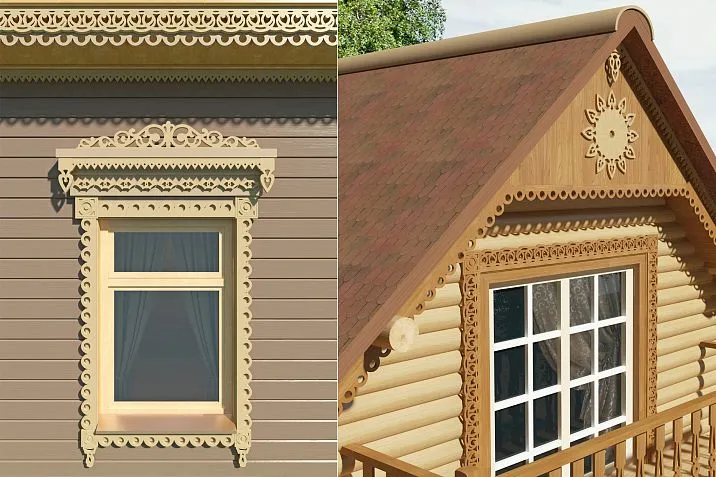
Imagine: a frosty morning, the first rays of sunlight piercing through carved shutters, and beyond the window, a snow-covered plain. You are in a real Russian house, where every detail is imbued with history, and each element carries the soul of the people. Isn't this exactly what every weary soul dreams of, tired of the faceless boxes of modern construction?
Russian-style home This is not merely an architectural solution, but a philosophy of life, a return to roots, finding one's own identity in a world of globalization. It is a home that tells its story through its walls, warms the soul with its warmth, and passes down the wisdom of generations through every carved detail.
In an era when standardized construction swallows our cities, when homes become increasingly alike, Russian architectural style emerges as a refreshing breath of fresh air. It reminds us that a home is not merely a place to sleep, but a family nest, a fortress, a sanctuary.


Origins of greatness: where Russian architectural tradition begins
To understand the essence of a home in Russian style, one must dive into the depths of history, tracing the remarkable path Russian architectural thought has taken—from ancient wooden houses to luxurious estates of the 19th century. Each era brought its own adjustments, enriched the palette of expressive means, but the core remained unchanged: the desire to create not merely a dwelling, but a home with soul.




Ancient Russian izba: the wisdom of ancestors in every roof
The humble peasant izba marked the beginning—simple, functional, yet astonishingly harmonious. Our ancestors built their homes not following fashionable trends, but guided by common sense and intuitive understanding of beauty. Each log had its place not by chance, and every structural element carried functional load.
The izba was built 'by the sun'—the main facade always faced south to maximize natural lighting and warmth. The gable roof with wide eaves protected the walls from rain and snow. The high cellar protected wooden structures from dampness and provided additional insulation.
But the main ornamentation of the izba was carving—the very window casings, friezes, and panels that transformed a simple structure into a work of art. decor in Russian style It was not mere showy luxury—it was necessary protection against evil spirits, a way to attract goodness and prosperity into the home.
Our factory also produces:


Urban architecture: synthesis of traditions and innovations
As cities developed, Russian architecture became more complex, absorbing Byzantine and Western European influences, yet retaining its uniqueness. Urban homes of the 17th–18th centuries amazed with their rich decorative interiors. It was precisely during this period that elements emerged which we now consider classic for Russian style.
Stone palaces of the nobility were adorned with carved white stone window casings, facades painted in bright colors, roofs crowned with ornate finishes. Yet, the spatial layout remained inherited from wooden architecture: antechambers, light rooms, and hearth rooms.
Church architecture holds a special place in the development of Russian architectural style. Churches with their onion domes, tented roofs, and rich ornamentation exerted a tremendous influence on the formation of the national architectural language. Many elements of church architecture—kokoshniks, arched belts, portals—transferred into secular construction.
Get Consultation
Golden age of estates: Russian style interpreted by the nobility
The 18th–19th centuries became the golden age of Russian estate culture. It was precisely during this time that the image of the Russian home took shape, continuing to inspire architects and developers to this day. Estate homes represented a remarkable synthesis of European architectural fashion and national traditions.
Neoclassicism brought to Russian architecture the harmony of proportions, order systems, and regular layouts. Yet Russian architects managed to adapt these principles to national conditions and traditions. The so-called mezzanines, belvederes, and terraces emerged, becoming the hallmark of Russian estates.
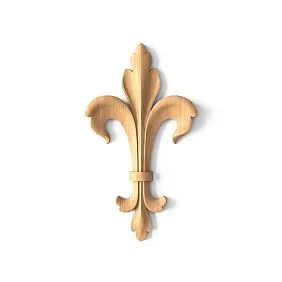
played a special role in decorating estate homes Carved Decorative ElementsWealthy owners did not stint on decorating their homes—ordering exquisite window casings, cornices, and balusters from the best craftsmen of their time.
Anatomy of style: what makes a home truly Russian
Creating a truly Russian-style home is no easy task. It is not enough to simply adorn the facade with carved window casings or place a samovar in the living room. Russian style is a comprehensive approach to organizing living space, where every detail contributes to forming a unified whole.
Architectural composition: harmony of volumes and proportions
The foundation of any traditional Russian home is a properly conceived architectural composition. Russian architects always distinguished themselves by a sense of proportion, skillfully creating a harmonious relationship between individual parts of the building.
A classic Russian home is typically a two-story building with a mezzanine or a one-and-a-half-story izba with a high cellar. The central part of the house is often emphasized by a recessed bay or simply large windows. Side wings may be lower, creating a stepped composition.
The roof is one of the most expressive elements of a house in the Russian style. Gable, four-slope, or hip roof — the choice depends on regional traditions and building size. Wide overhangs are mandatory to protect walls from precipitation. Roofs are often adorned with dormer windows, which not only illuminate the attic space but also give the house a special charm.
Materials and construction: fidelity to traditions
Traditionally, Russian houses were built of wood — a material that is accessible, technologically efficient, and eco-friendly. Even today, when builders have access to numerous modern materials, wood remains the optimal choice for a house in the Russian style.
Various technologies are used for walls: log construction, profiled beams, frame-panel construction with wooden cladding. Each has its own advantages and applications, but all allow creating an authentic image of a Russian house.
Foundation — strip or pile, depending on soil type and climatic conditions. It is important to ensure reliable waterproofing between the foundation and wooden wall structures.
Roofing material can vary: from traditional wooden shingles to modern metal roofing or asphalt shingles. The key is that the material harmonizes with the overall appearance of the house and provides reliable protection from precipitation.
Decorative furnishings: the soul of the Russian house
It is precisely the decorative elements that transform an ordinary building into a house in the Russian style. Russian wooden architecture was renowned for the richness and variety of its decorative furnishings. Each element had not only aesthetic but also symbolic significance.
Wooden Inlays This is not merely decoration — it is a way to express the artistic preferences of the owners, emphasize the family’s status, and demonstrate the craftsmanship of the artisans. Cornices, eaves, friezes, and panels — each element was executed with particular care and love.
Modern technologies allow reproducing complex ornaments with high precision. CNC machines ensure perfect carving quality, while using high-quality wood and modern protective coatings guarantee the longevity of decorative elements.
Spatial planning solutions: organizing space in the Russian way
The interior layout of a house in the Russian style has its own characteristics, shaped by climatic conditions, domestic habits, and aesthetic preferences of our ancestors. Understanding these principles will help create not only an attractive but also functional home.
The heart of the house: the horncell as the heart of the dwelling
A traditional Russian house always had a clearly defined compositional center — the main room, called the horncell. This was the largest and brightest room in the house, where the entire family gathered, guests were received, and family celebrations were held.
In a modern house, the role of the horncell is performed by the living room, but its organizational principles remain the same. It should be a spacious room with large windows, preferably facing south. Ceiling height — no less than 3 meters — creates a sense of spaciousness and grandeur.
A mandatory element of the horncell — fireplace or stove. In a traditional house, the stove was not only a source of heat but also the center of family life. A modern fireplace serves more of a decorative function, but its presence creates the necessary atmosphere of coziness and home warmth.
Auxiliary rooms: each task has its own place
The Russian izba was distinguished by rational spatial organization. Each room had its designated purpose, and this functionality was perfected over centuries of practical use.
The entry hall — a spacious foyer that served as a buffer zone between the street and living areas. Here, outer garments were removed, work tools were stored, and sometimes small animals were kept. In a modern house, the entry hall transforms into a hallway or foyer, but the principle remains the same — it must be a sufficiently spacious room with good ventilation.
The kitchen in a traditional Russian house was relatively small — cooking was primarily done in the stove, which was located in the horncell. A modern kitchen may be more spacious, but it is important to maintain its connection with the living room-horncell. Today’s popular solution 'kitchen-living room' fully corresponds to Russian traditions.
Bedrooms in a Russian house were small and cozy. The main requirement — good thermal insulation and the ability to fully darken the room. Large windows in the bedroom are not necessary — one or two windows of medium size are sufficient.
Second floor and mezzanine: additional space
Many Russian houses had a second floor or mezzanine — a small addition above the main volume of the building. These rooms were used as additional bedrooms, offices, libraries, or simply as summer rooms.
The mezzanine — a particularly characteristic element of Russian estate architecture. It is a small room under the roof, often with panoramic windows, from which a beautiful view of the surroundings could be enjoyed. In a modern house, the mezzanine can become an excellent office, workshop, or relaxation room.
When designing the second floor, it is important to consider the structural features of a wooden house. Beam floors require proper load calculations, and a sloped roof limits the height of rooms beneath it.
Interior design solutions: creating the atmosphere of a Russian house
The interior of a house in the Russian style should harmoniously combine traditional elements with modern comfort requirements. This is an art — to create an interior that is both authentic and functional.
Color palette: colors of Russian nature
The traditional color palette of Russian interiors was shaped by the natural environment. It was based on natural wood tones — from light birch to dark oak. These warm tones created an atmosphere of coziness and tranquility.
Bright accents were present, but in moderation. Red — the symbol of life and joy — was used for textiles and ceramics. Blue and turquoise — colors of sky and water — adorned tableware and decorative elements. Green — the color of grass and foliage — appeared in ornaments and paintings.
In modern Russian interiors, these principles remain relevant. The main tone is set by natural wood in walls, ceilings, and furniture. Bright colors are used sparingly — in textiles, ceramics, wooden home decorations.
Furniture: functionality and beauty
Furniture in the Russian home was simple, functional, yet beautiful. Tables, benches, and chests were made of solid wood and served for decades. Each item was not only utilitarian but also a decorative element of the interior.
Modern furniture for the home in the Russian style should combine traditional forms with contemporary functionality. A solid wooden dining table, comfortable chairs in the living room, spacious wardrobes in the bedroom — all should be crafted from quality wood while preserving traditional proportions.
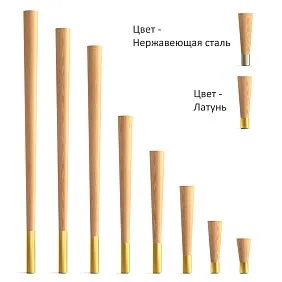
Special attention should be paid to decorative elements of furniture. Capitals in Russian StyleCarved inlays, ornate legs — all these details transform simple furniture into works of art.
Textiles: softness and warmth
Textiles play an important role in creating the atmosphere of a Russian home. Traditionally, natural materials — linen, cotton, wool — were used. Fabrics were adorned with embroidery, lace, and appliqué.
In modern interiors, these traditions can be interpreted very freely. The key is to use high-quality natural fabrics in muted tones. Curtains made of linen or cotton, wool blankets, cushions with traditional embroidery — all of this will help create the desired atmosphere.
Rugs and runners are also important for Russian interiors. Traditionally, handwoven floor coverings were used, but in modern homes, they can be replaced by high-quality rugs made of natural wool.
Modern technologies in a traditional home
Building a home in the Russian style in the 21st century implies using the most modern technologies while preserving the traditional exterior appearance. This allows obtaining a home that looks like an old estate, yet meets all modern requirements for comfort, safety, and energy efficiency.
Engineering systems: invisible comfort
A modern Russian home must be equipped with all necessary engineering systems. Heating, water supply, sewage, electricity — all of this must work flawlessly, yet not disrupt the traditional appearance of the home.
The heating system may include both traditional elements (fireplaces, tiled stoves) and modern equipment (gas boilers, underfloor heating, radiators). It is important to properly conceal modern elements so they do not disrupt the interior’s stylistic unity.
Electrical wiring in a wooden house requires special attention to safety issues. All cables must be run through metal pipes or conduits, and outlets and switches must comply with fire safety requirements.
Insulation and energy efficiency
Traditional Russian homes were quite warm due to thick log walls and thoughtful construction. Modern technologies allow significantly improving the thermal performance of a home while preserving its traditional appearance.
Effective insulation of walls, roof, and foundation can significantly reduce heating costs. At the same time, it is important to ensure proper vapor barrier to avoid moisture accumulation in the structures.
Energy-efficient windows with multi-chambered glass units can look like traditional wooden frames, yet provide excellent thermal performance.
Smart home in Russian style
Modern "smart home" systems can be organically integrated into a home in the Russian style. Automatic control of lighting, heating, and security makes the home more comfortable and economical.
It is important to choose equipment that does not disrupt the interior’s style. Switches and outlets should have a traditional design, sensors and cameras — should be as inconspicuous as possible.
Landscape surroundings: home in harmony with nature
A home in the Russian style is unthinkable without appropriate landscape surroundings. A Russian estate was always considered as a unified complex including the main house, utility buildings, garden, and park.
Plot layout: functional zoning
The area around a Russian home must be properly planned. The entrance zone with access roads and entryway, utility zone with garage and technical buildings, recreation zone with gazebo and barbecue — each zone should have its purpose and be connected to others.
The orientation of the house relative to cardinal directions and prevailing winds is important. The main facade should be oriented toward the south or southwest to maximize solar heat and light.
Small architectural forms: complementing the main ensemble
Pergolas, gazebos, bridges, railings — all these elements should be executed in a unified style with the main house. Using the same materials and decorative elements will help create a cohesive ensemble.
Special attention should be paid to the entrance group — gates, gates, fences. These elements are the first to greet guests and should create the right impression of the house.
Landscape design: Russian garden
The garden around the house in the Russian style should correspond to regional traditions. Using local plants is not only economically justified but also creates a harmonious connection with the surrounding landscape.
Fruit trees, berry shrubs, flower beds with traditional Russian flowers — all of this will help create the atmosphere of a real Russian estate.
Regional characteristics: diversity of Russian style
Russia is a vast country with diverse climatic conditions and cultural traditions. A house in the Russian style may look different depending on the region, but it retains common features that make it recognizably Russian.
North Russian traditions: monumentality and solidity
Houses of the Russian North were distinguished by particular monumentality and richness of decorative furnishings. The harsh climate required reliable protection from cold and wind, which was reflected in architectural solutions.
Northern houses were built from large logs, had high cellars, massive roofs. Decorative furnishings amazed with richness and variety — carved window casings, cornices, and panels turned the house into a fairy-tale palace.
Central Russian style: harmony and moderation
Houses in central Russia were distinguished by greater moderation in size and decoration, but at the same time by remarkable harmony of proportions. Here, the classic image of a Russian house — two-story, with a mezzanine, richly but not excessively decorated — took shape.
Climate conditions allowed for more diverse architectural solutions, which contributed to the development of regional schools of architecture.
Southern Russian characteristics: adaptation to climate
In southern Russia, houses in the Russian style had their own features related to the warmer climate. Wide terraces and verandas, high ceilings, large windows — all of this helped create a comfortable microclimate in the hot southern climate.
At the same time, the main stylistic features of the Russian house were preserved — use of wood, traditional decorative elements, planning principles.
Economic aspects: investment in beauty and comfort
Building a house in the Russian style is a serious investment that requires careful planning and a professional approach. However, with proper organization, such a house can become not only a comfortable residence but also a profitable capital investment.
Construction cost: what makes up the price
The cost of building a Russian house depends on many factors: size and complexity of the project, selected materials, degree of decorative finish, region of construction.
The most expensive elements — quality log cabin or glued timber, complex roof, Carved Decorative ElementsHowever, saving on these elements may significantly reduce the artistic value and longevity of the house.
Operating expenses: efficiency in use
A correctly built house in the Russian style is characterized by efficiency in operation. Wooden walls provide good thermal insulation, reducing heating costs. Natural materials do not require frequent renewal with proper maintenance.
It is important to plan regular maintenance of wooden structures — treatment with protective compounds, painting, minor repairs. This will help keep the house in excellent condition for many years.
Market value: house as an investment
Houses in the Russian style enjoy steady demand in the real estate market. Their uniqueness, ecological nature, and connection to national traditions attract buyers willing to pay a premium for individuality.
Houses with quality finishes and rich decorative furnishings are especially valued. Such objects can be considered works of art, significantly enhancing their investment appeal.
Future of the style: traditions in the modern world
A house in the Russian style is not a fashion statement, but a conscious choice of people striving to maintain a connection with national roots. In the context of globalization, such houses become islands of national culture, places where one can feel part of a great tradition.
New materials and technologies
The development of construction technologies opens new opportunities for creating houses in the Russian style. Modern insulation, waterproofing materials, and engineering systems allow building homes that surpass historical analogs in comfort and energy efficiency.
It is important to preserve the traditional appearance and use natural materials where possible. wooden ornament remains unmatched in beauty and expressiveness.
Ecological Priorities
Growing attention to ecological issues makes the Russian wooden house especially relevant. Wood is a renewable resource that does not harm the environment when used properly.
Modern wood processing technologies allow us to fully utilize its positive properties and minimize its drawbacks. A properly constructed wooden house can serve for centuries, becoming a family heirloom.
Cultural Mission
A house in the Russian style fulfills an important cultural mission — preserving and passing on to future generations the traditions of national architecture. Each such house is a lesson in history embodied in stone and wood.
It is important that modern interpretations of the Russian style are based on a deep understanding of traditions, not superficial copying of external forms. Only in this way can we create homes that become worthy continuations of the great Russian architectural tradition.
Conclusion: The House as a Manifestation of a Dream
Building a house in the Russian style means bringing to life the dream of a real home, where every detail is imbued with history and meaning. This is a house that not only protects from the weather, but also warms the soul, giving a sense of stability and generational continuity.
In such a house, one wants to live, create a family, host guests, celebrate holidays. It becomes a center of attraction for all relatives and loved ones, a place one always wants to return to.
Creating such a house requires a professional approach, deep understanding of traditions and modern technologies. It is important to find a partner who shares your values and is capable of turning your dream into reality.
STAVROS Company has been specializing in creating houses and interiors in the Russian style for many years. Our masters combine deep knowledge of traditions with mastery of modern technologies, creating homes that will become a source of pride for their owners and a decoration of Russian soil. Choosing STAVROS means choosing quality, reliability, and adherence to traditions — values that make a house truly Russian.