Article Contents:
- Historical aspect and significance of wood in furniture design
- Ancient traditions and symbolism of natural wood
- Evolution of style: from classic to modern
- Wood selection and its properties
- Modern Wood Processing Methods
- Handcrafted work as a sign of quality
- Aesthetic appeal and style
- Functionality and practicality
- Ecological safety and durability
- Integration of long legs into modern interiors
- Style blending: classic, modern, loft
- Individual projects and exclusive solutions
- Criteria for selecting quality wooden legs
- Recommendations for installation and integration into furniture
- Care for wooden legs
- Economic benefits of using natural wood
- Ecological responsibility and sustainable development
- Classic style
- Modern minimalism
- Loft and Industrial Style
- Exclusive Designer Projects
- Technological innovations in wood processing
- Innovative designs and experiments with form
- The future of natural wood in design
- Conclusion
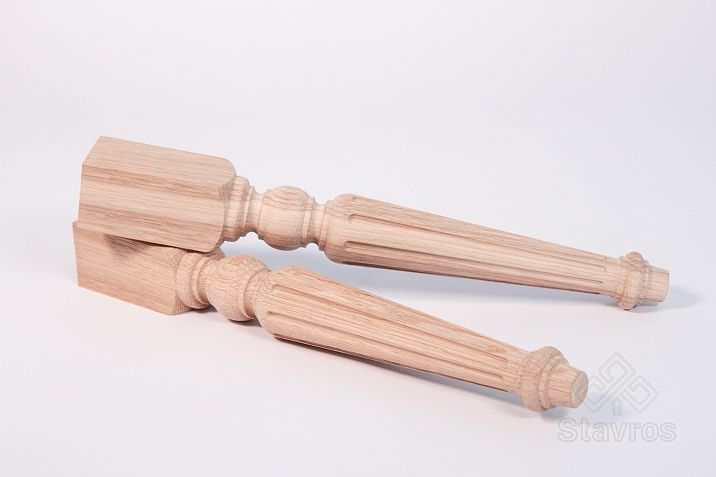
Wood has been a symbol of natural beauty, warmth, and durability throughout the centuries. In modern interior and furniture design, natural elements impart a unique character to a space, highlighting individuality and high craftsmanship. One such unique element islong wooden legsThese legs not only perform a functional role, providing reliable support for furniture, but also become an expressive design solution capable of transforming any interior.
This article examines the historical roots of wood usage, technological innovations in production, advantages and aesthetic possibilities of long wooden legs, as well as practical recommendations for selection, installation, and care. The reader will be offered a detailed immersion into the world of natural wood, its characteristics, and modern trends enabling the creation of a harmonious and cozy space.


Historical aspect and significance of wood in furniture design




Ancient traditions and symbolism of natural wood
The use of wood in daily life traces back to deep antiquity. Already in ancient times, craftsmen produced furniture and various interior items, relying on the rich properties of this unique material. Wood symbolized warmth, stability, and the connection between humans and nature. Every item made from natural wood carried a piece of living nature, which was especially important in conditions when materials were handmade and passed down from generation to generation.
Over time, wood processing traditions evolved, technologies and methods improved, allowing the creation of items that were not only strong but also aesthetically perfect. Legs of furniture occupied a special place — from plain supports to refined structural elements capable of highlighting the owner’s status and taste. Long wooden legs become a logical continuation of these traditions, combining ancient craftsmanship wisdom with modern design solutions.
Our factory also produces:


Evolution of style: from classic to modern
In classic furniture, legs often featured carved ornaments, complex patterns, and were crafted with great care. This approach emphasized the status and refinement of the item, as well as demonstrated the skill of craftsmen. With the development of industrialization and mass production, simpler and more minimalist forms emerged, yet connoisseurs of high quality never forgot about traditions. Today, a trend toward returning to natural materials is once again observable in the market, where every detail, includinglong wooden legs, becomes a symbol of authenticity and timeless classicism, capable of transforming any interior.
Wood production and processing technologies
Get Consultation
Wood Selection and Its Properties
The quality of finished products directly depends on the selected wood species. For manufacturing long legs, various species are used – oak, beech, ash, walnut, and many others. Each species possesses its own unique physical and aesthetic characteristics: density, texture, shades, and strength.
Material selection is a crucial stage that affects not only the appearance of the legs but also their durability. Natural wood, properly dried and prepared, demonstrates high resistance to mechanical loads and environmental influences.
Modern Wood Processing Methods
Modern production of wooden legs combines advanced technologies with traditional craftsmanship methods. First, the wood undergoes a drying process, minimizing shrinkage and deformation during use. Subsequently, workshop processing includes turning, planing, and sanding, ensuring the ideal geometry and smooth surface of the product.
Laser cutting and computer modeling allow creating complex decorative elements and ornaments without losing the natural texture of the material. After mechanical processing, the surface is coated with protective finishes – natural oils, waxes, or lacquer – which not only highlight the beauty of the wood but also protect it from moisture, ultraviolet rays, and mechanical damage.
Handcrafted Work as a Quality Mark
Despite a high level of automation, manual labor remains an indispensable part of producing high-quality wooden legs. Experienced craftsmen impart individuality to each detail, controlling every stage of processing. It is precisely this delicate balance between machine production and handcraftsmanship that enables the creation of items possessing not only technical characteristics but also a unique soul – an irreplaceable, living texture that cannot be imitated by synthetic materials.
Advantages of Long Wooden Legs in Interior Design
Aesthetic Appeal and Style
long wooden legs They can dramatically transform the appearance of furniture and the interior as a whole. They add lightness, visual height, and elegance, creating an effect of 'airiness' even in heavy, bulky structures. Long legs visually elevate furniture, creating a sense of space and refinement.
The aesthetics of natural wood attract attention with their warmth and organic quality. Each leg, crafted using natural wood, carries a unique wood grain pattern, natural shades, and rich texture, allowing it to harmoniously fit into both classic and modern interiors. Such legs can become a main design accent, highlighting the individuality and taste of the owner.
Functionality and practicality
In addition to their aesthetic value, long wooden legs offer high functionality. They provide reliable support for furniture, evenly distributing weight and contributing to the longevity of the structure. A sturdy base made of natural wood ensures stability even under intensive use, whether it be tables, chairs, or chests.
Moreover, long legs contribute to creating space under furniture, making it easy to clean dust, place decorative elements, or simply create a visual sense of lightness. This feature is especially valuable in small rooms, where every square centimeter of space matters.
Ecological Safety and Durability
Modern trends in ecology and sustainable development make choosing natural materials a priority. Natural wood is an eco-friendly material, free from harmful chemicals, ensuring safety for residents' health and the environment. With proper care, wooden legs can serve for decades, preserving their aesthetic and functional properties.
Due to the natural resistance of wood to wear, moisture, and temperature fluctuations, products made from natural materials become durable and economically advantageous. Investing in quality wooden legs is justified not only by their attractive appearance but also by their significantly long service life.
Design Solutions and Modern Trends
Integration of Long Legs into Modern Interior Design
In modern interior design, there is a trend toward minimalism, where every detail matters.long wooden legs They become an important element that allows creating visual lightness and airiness. They are used not only in traditional furniture but also in modern design projects, where every line and detail matters.
Designers recommend using long legs to create furniture with a 'floating' effect, where items appear to float in space. This approach adds dynamism and modernity to the interior, creating a sense of spaciousness and freedom. Using wooden legs is especially relevant when combined with transparent materials such as glass or acrylic, enhancing the effect of lightness and elegance.
Style Mixing: Classic, Modern, Loft
Natural wood is a universal material capable of harmoniously fitting into any interior style. In classic interiors, long wooden legs emphasize traditional lines and elegance of furniture, creating an atmosphere of comfort and nobility. In modern and minimalist solutions, they serve as an accent, adding warmth and naturalness, while in loft-style interiors, they contrast with industrial materials, creating a harmonious blend of rough textures and elegant lines.
Designers recommend experimenting with leg shapes and finishes, using natural tones enhanced by matte or glossy coatings. This approach allows creating unique compositions where each furniture detail becomes part of a cohesive artistic concept.
Individual Projects and Exclusive Solutions
An increasing number of clients prefer an individual approach when selecting furniture and interiors. Manufacturers specializing in wooden products offer unique solutions that allow adapting the structure to specific client preferences.long wooden legsCustom-made items may include unique decorative elements, carved ornaments, or non-standard geometric shapes, making each piece a one-of-a-kind work of art.
Individual projects allow not only to highlight the taste and status of the owner but also to create furniture perfectly suited to the functional requirements of a specific space. This is especially relevant for exclusive interiors, where every detail plays a key role in the overall composition.
Practical Recommendations for Selection and Installation
Criteria for Choosing Quality Wooden Legs
When selecting wooden legs, the following aspects should be considered:
● Wood species. The choice of material affects the appearance, strength, and durability of the item. Popular species include oak, beech, and walnut, which are known for their high load resistance and natural beauty.
● Precision of processing. The item must be made with perfect geometry, free of burrs and defects. A smooth surface and precise joints are essential for quality craftsmanship.
● Finishing method. Using natural oils, waxes, or eco-friendly varnishes helps highlight the natural wood texture and protect it from external influences.
● Design solution. It is important that the legs harmonize with the overall interior concept and furniture. Style, shape, and finish should align with the designer's vision.
Installation and Integration into Furniture Recommendations
Correct installation of legs is key to the longevity and stability of furniture. Specialists recommend:
● Thorough preparation of the base. The surface on which the legs will be installed must be flat and strong. This is especially important for furniture that will be heavily used.
● Use of high-quality fasteners. A secure connection between the legs and the furniture structure ensures no play or deformation.
● Adherence to technical standards. It is important to follow the manufacturer's installation recommendations to ensure longevity and safe use.
● Regular maintenance. Even properly installed items require periodic inspection and servicing. Natural wood needs timely treatment with protective compounds to maintain its original appearance and functionality.
Care for Wooden Legs
To ensure wooden legs retain their beauty and longevity, the following care rules must be followed:
● Regular cleaning. Using soft cloths and natural cleaning agents helps avoid scratches and damage.
● Periodic treatment with protective compounds. Natural oils or wax-based compounds help preserve the wood's luster and protect it from moisture and sunlight.
● Preventive inspection. Regular attention to minor damages and timely repair helps prevent serious defects.
Economic and Ecological Aspects
Economic Benefits of Using Natural Wood
Investments in high-quality natural wood items are justified by their long service life and resistance to wear. Although the cost of such items may be higher compared to alternative materials, the durability and aesthetic value of natural wood allow savings on repairs and furniture replacement in the future.long wooden legs become a worthwhile investment that retains its appeal for decades.
Environmental responsibility and sustainable development
The modern market requires not only high-quality products but also environmentally safe materials. Natural wood is a renewable resource that, when properly used, does not harm the environment. Manufacturers pay special attention to sustainable forestry and eco-friendly processing methods, making natural wood products especially attractive to environmentally conscious consumers.
Ecological awareness is becoming an important criterion when selecting materials for interior design. Using long wooden legs not only decorates the space but also contributes to creating a healthy and safe atmosphere in the home.
Examples of Using Long Wooden Legs in Various Interiors
Classic style
In a classic interior, every detail has special significance. Long wooden legs, crafted with intricate carving or delicate ornamental decoration, emphasize the elegance and refinement of furniture. Such items harmonize well with solid wooden tables, chests, and chairs, creating an atmosphere of warmth, stability, and historical continuity. Craftsmanship traditions embodied in each detail tell a multi-century story of skill, which is especially valued in classic design.
Modern minimalism
In modern interiors, where a minimalist approach predominates, long wooden legs are used to create focal points. Simple, yet elegant forms, devoid of unnecessary decorative elements, help achieve clean lines and a sense of lightness. Furniture with high legs visually expands the space, while the natural wood texture adds warmth and organic feel to the interior. This contrast between strict lines and the natural beauty of wood gives the room a modern yet cozy atmosphere.
Loft and industrial style
In loft and industrial design interiors, where materials with rough textures — metal, concrete, and glass — are often used, natural wood becomes an important element that softens the overall rigidity of the space. Long wooden legs in such settings serve as a kind of bridge between industrial elements and natural aesthetics. They add warmth to the interior and soften the coldness of industrial materials, creating a harmonious blend of styles.
Exclusive Designer Projects
Modern designers actively experiment with the shape and functionality of wooden legs, creating unique solutions tailored to individual orders. In exclusive projects, furniture with long legs can be crafted according to an original sketch, where every detail is meticulously planned. Such items become not just functional elements, but works of art reflecting the owner's personality and the interior's status.
Prospects for Development and Innovative Approaches
Technological Innovations in Wood Processing
With the development of digital technologies and automated production systems, there are increasingly more opportunities to create innovative solutions in wood processing. Modern methods allow significantly increased precision in manufacturing, while the use of laser cutting and computer modeling opens new horizons in product design. This enables artisans to realize the most daring design concepts while preserving the natural beauty of wood.
New technologies not only improve product quality but also contribute to optimizing production processes, reducing costs and minimizing waste. The use of eco-friendly materials and processing methods has become standard, aligning with modern requirements for sustainable development and environmental safety.
Innovative designs and experiments with form
Current interior design trends involve a constant search for new forms and solutions. Designers strive to create furniture that is not only functional but also evokes an emotional response.long wooden legs In this context, they play an important role, allowing experimentation with proportions, textures, and finishes. Innovative solutions combining traditional craftsmanship with modern technologies enable the creation of items capable of surprising even the most demanding design enthusiasts.
The future of natural wood in design
The prospects for using natural wood in design remain extremely positive. Considering growing environmental awareness and the desire to create healthy living spaces, natural materials are becoming a priority. Long wooden legs, as furniture elements, continue to evolve, opening new opportunities for creativity and functionality. They are capable of meeting the highest requirements both aesthetically and in terms of durability, remaining an enduring symbol of natural style.
Conclusion
Long wooden legs are not merely a functional element but a true work of art, combining centuries-old craftsmanship traditions with modern technological achievements. They are an important accent in interior design, capable of highlighting the individuality and taste of the owner, as well as creating an atmosphere of coziness and harmony.
Every detail, from selecting the wood species to the final finish, plays a decisive role in creating high-quality items. Natural wood, with its unique texture, natural tones, and high strength, becomes the ideal material for realizing the most daring design ideas.long wooden legs They not only highlight the aesthetic appeal of furniture but also ensure its durability, longevity, and functionality.
When selecting and installing such legs, it is important to follow professionals' recommendations, paying attention to material quality, processing accuracy, and compliance with modern environmental safety standards. Proper care of wooden elements will preserve their original beauty for many years, while regular maintenance ensures structural reliability even under intensive use.
In the context of modern design, where every detail matters, natural wood continues to occupy leading positions. Long wooden legs have become an indispensable part of interior design, symbolizing elegance and commitment to timeless values. They are capable of transforming any space, adding lightness, refinement, and the warmth of nature.
Thus, investing in high-quality items made of natural wood, such aslong wooden legsthe buyer makes a conscious choice in favor of durability, aesthetics, and environmental safety. These interior elements do not merely decorate the space—they create a unique atmosphere in which every detail contributes to overall harmony and comfort.
Natural wood is a material proven by time, and its use in modern interiors only confirms that true quality never goes out of fashion. Long wooden legs serve as a vivid example that the combination of traditional craftsmanship and modern technologies can create items possessing not only high functionality but also a unique artistic style.
Let every interior detail, whether a massive table, an elegant cabinet, or a stylish console, be adorned with items crafted with soul and attention to detail. This approach allows creating a space where aesthetics, practicality, and respect for nature harmoniously coexist. And it is precisely in this that lies the true art of interior design—the ability to perceive beauty in every element and strive for perfection in every detail.
Thus,long wooden legs They represent a unique combination of aesthetics, functionality, and environmental responsibility. They are not only supports for furniture but also important design elements capable of transforming any space. In a world where every stroke and line matters, natural wood remains a symbol of genuine quality that withstands the test of time and fashion trends.
Choosing quality wooden legs is an investment in durability, style, and eco-friendliness of the interior. Such a choice allows not only to enjoy the beauty of natural material but also to create unique, individual solutions reflecting the character and taste of their owners. Let every item crafted using natural wood become a source of inspiration and a symbol of true harmony between man and nature.
Let natural wood and the traditions of craftsmanship continue to inspire designers, architects, and connoisseurs of quality furniture, and let every interior detail tell a story of authentic craftsmanship, environmental responsibility, and the enduring beauty inherent in natural materials.