Article Contents:
- Historical Traditions and the Significance of Natural Wood
- Ancient Craft Traditions
- Symbolism and Aesthetics of Natural Materials
- Material Selection: Wood Species
- Production Stages
- Combining Modern Technologies and Traditional Methods
- Aesthetic Expressiveness
- Strength and durability
- Ecological safety
- Decorative Finishing Elements
- Furniture Design
- Architectural Solutions and Exterior Elements
- Decor in Interiors in Various Styles
- Proper Care and Regular Maintenance
- Installation Tips and Integration into Interiors
- Conclusion
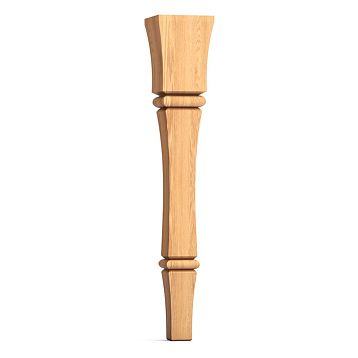
Natural wood has served as a symbol of warmth, strength, and natural beauty since ancient times. A special place in this diversity is occupied by an item that can be called a true work of craftsmanship –long wooden stickThis item combines centuries-old woodworking traditions with modern technological achievements, allowing its use in various fields: from decorative interior finishes to creating functional elements of furniture and architectural structures.
This article thoroughly examines the historical roots of natural wood usage, production and processing stages, advantages and features of using a long wooden stick in modern design, as well as practical recommendations for caring for such items.






Historical Traditions and the Significance of Natural Wood
Our factory also produces:



Ancient Craft Traditions
Even in ancient times, craftsmen, using accessible natural resources, created wooden household items, refined furniture, and decorative elements. Natural wood was perceived as a living material possessing a soul, capable of conveying the warmth and energy of nature. In this context, items such as a long wooden stick had a dual meaning: on one hand, they served practical purposes, and on the other, they became works of art reflecting the craftsmanship of artisans.
Over the centuries, wood processing technologies have improved, and many traditional methods, such as planing, carving, and sanding, have been passed down from generation to generation. These techniques allowed the creation of items capable of enduring the test of time, as well as maintaining their aesthetic appeal even after many years of use.
Get Consultation
Symbolism and Aesthetics of Natural Materials
Natural wood is always associated with life force, warmth, and natural beauty. Each long wooden stick possesses a unique texture, characteristic wood grain pattern, and shades that cannot be reproduced by synthetic materials. That is why wooden items are valued not only for their functional qualities but also for their aesthetic expressiveness.
In interior design, a wooden stick can serve as a decorative element creating a special atmosphere of coziness and natural harmony. Its use allows highlighting the uniqueness of the space, adding elegance, and creating a unique blend of tradition and modernity.
Manufacturing and Processing Technologies
Material Selection: Wood Species
The quality of the final product directly depends on the choice of wood species. Various types of wood are used to make a long wooden stick, such as oak, beech, ash, and walnut. Each has its own advantages:
● Oak – known for its high strength and resistance to wear, as well as rich tones that give the item a dignified and elegant appearance.
● Beech – distinguished by its light color, uniform texture, and ease of processing, making it a popular choice for modern minimalist interiors.
Walnut is valued for its deep, warm tone and refined texture, making it suitable for premium projects.
The choice of a specific wood species depends on the requirements of the item, desired aesthetics, and usage conditions.
Production Stages
The process of creating a long wooden stick includes several key stages, each of which affects the quality and durability of the final product:
- Preparation of blanks. First, the wood is dried to reduce moisture content and minimize the risk of shrinkage in the future. Proper drying is the key to the stability and strength of the item.
- Cutting and planing. The blanks are cut to the required dimensions and then planed to achieve a perfectly smooth and even surface.
- Sanding. Sanding removes minor defects, ensuring uniform texture and preparing the surface for protective coatings.
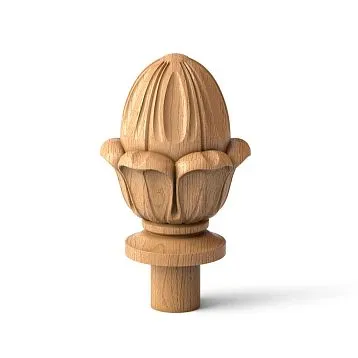
- Decorative finishing. Depending on the designer's intent, the item may undergo additional processing: carving, engraving, or forming decorative patterns, which gives it a unique character.
- Final finishing. The final stage includes applying protective coatings — natural oils, waxes, or varnishes — which highlight the natural beauty of the wood and protect it from external influences.
Combining modern technologies with traditional methods
Modern production lines actively use computer modeling, laser cutting, and automated machines to ensure precision and repeatability of items. However, despite this, manual labor remains an essential part of the process. It is the craftsmanship of artisans that allows for unique decorative solutions and individuality of each item, making it not just a standard element, but a true work of art.
Creating a long wooden stickwhich combines strength, durability, and aesthetic expressiveness.
Advantages of a long wooden stick
Aesthetic expressiveness
One of the main advantages of natural wood is its unique ability to create visual comfort. A long wooden stick features a natural luster, rich texture, and unique interplay of light and shadow, allowing it to become a central element in any design composition. It can be used as a standalone decorative element or as part of complex architectural finishes.
Such a stick adds warmth and naturalness to interiors, creating a sense of connection with nature. Its use is especially relevant in interiors where natural materials and handcrafted work by artisans are valued.
Strength and durability
Natural wood is a material tested by time. With proper processing and care, wooden items can retain their functional and aesthetic qualities for many years. A long wooden stick, manufactured according to all technological standards, exhibits high resistance to mechanical stress, moisture, and temperature fluctuations.
Such durability makes it an economically sound investment: investing in high-quality natural wood is justified by the absence of frequent replacements or repairs.
Ecological Safety
Modern society is increasingly paying attention to the ecological properties of materials used in construction and interior design. Natural wood is a renewable resource, contains no toxic substances, and is fully recyclable. Choosing products made of natural wood, the consumer obtains not only an aesthetically pleasing product, but also contributes to environmental protection.
The eco-friendliness of natural wood is especially valued in residential and public spaces, where care for human health and well-being is important.
Application of a long wooden stick in interior design and decoration
Decorative finishing elements
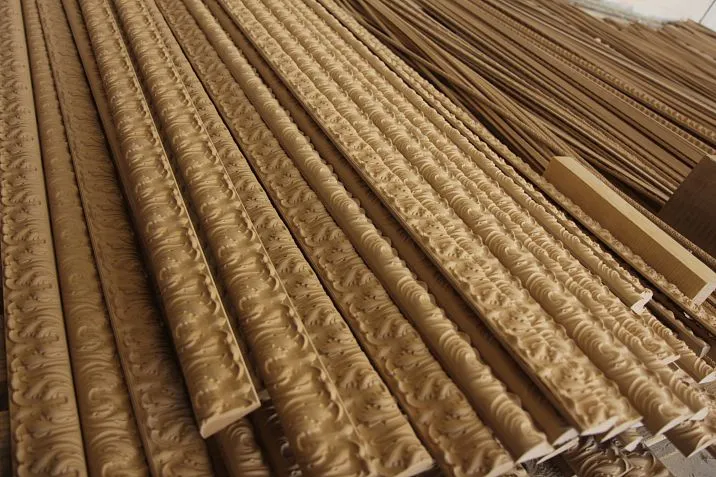
A long wooden stick is widely used as a decorative element in interiors. It can serve as a basis for creating moldings, cornices, baseboards, and decorative panels. Such items not only unify all parts of the interior into a single composition, but also emphasize its architectural features.
Decorative moldings made of natural wood can add elegance and refinement to a space. They create a sense of completion, highlighting the individuality of each room and reflecting a refined taste and respect for traditional craftsmanship.
Furniture design
Natural wood is used in furniture manufacturing to create frame elements, decorative inserts, and accent details. A long wooden stick can become an essential part of tables, cabinets, chests, and other furniture, giving it a natural and elegant appearance.
Furniture with natural wood elements is not only highly functional but also aesthetically appealing. It creates an atmosphere of coziness and warmth, where modern trends and traditional craftsmanship are combined. Combining wood with other materials, such as metal or glass, allows for original design solutions that highlight the individuality of the interior.
Architectural solutions and exterior elements
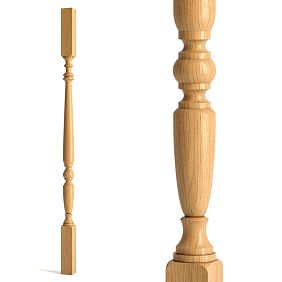
Long wooden elements are actively used in architecture. They can be applied to create decorative panels, railings, balustrades, and other elements that emphasize the connection between the building and nature. Natural wood, thanks to its natural tones and texture, allows creating an effect of organic integration of the architectural object with the surrounding landscape.
Using a long wooden stick in building exteriors gives facades a unique charm, highlighting their individuality and high-quality finish. Such solutions are especially relevant in projects where ecological aspects and the desire to create a harmonious space are important.
Decor in interiors in various styles
Natural wood is universal and can seamlessly fit into any interior style:
● Classic. In classic interiors, a long wooden stick is used to create elegant moldings and cornices with carved ornaments, emphasizing traditional craftsmanship and the refined nature of the space.
● Modern minimalism. In modern interiors, where simplicity of forms and purity of lines are valued, natural wood becomes a striking accent, adding warmth and naturalness even to the most strict compositions.
● Loft and industrial style. In loft-style interiors, wooden elements soften the harsh lines of concrete and metal, introducing natural texture and a sense of coziness into the space.
Practical recommendations for caring for wooden items
Proper care and regular maintenance
To preserve the aesthetic and functional qualities of a long wooden stick, it is necessary to follow several basic care rules:
● Regular cleaning. Using soft cloths and specialized care products for natural wood will help maintain the smoothness and gloss of the surface.
● Periodic treatment with protective compositions. Applying natural oils, waxes, or lacquer coatings protects the wood from moisture, sunlight, and mechanical damage.
● Avoiding sharp temperature fluctuations. Stable climatic conditions help preserve the shape and color of the wood.
● Preventive inspection. Regular attention to the condition of wooden elements allows timely detection of minor damage and prevents it from developing into serious defects.
Advice on installation and integration into interior
Proper installation of wooden items is the key to their longevity and aesthetic appeal. It is recommended:
● Ensure a flat and clean base for installation.
● Use high-quality fasteners that will prevent gaps and deformations.
● Follow the manufacturer's recommendations for installation and maintenance to ensure the item retains its original appearance for a long time.
Conclusion
long wooden stick — is a universal element combining traditional craftsmanship with modern technologies. It embodies the natural beauty, strength, and ecological purity of wood, making it indispensable in modern interior and architectural design.
Wooden items continue to remain relevant due to their durability, aesthetic expressiveness, and ability to create an atmosphere of comfort and harmony. Investing in quality wooden elements is a choice in favor of sustainability, economic benefit, and, above all, the health and well-being of the surrounding environment.
Modern designers and architects actively use long wooden sticks to create exclusive projects where every detail matters. Thanks to the versatility of natural wood, one can create both classic and ultra-modern interiors, where every line, every ornament, and every texture contributes to creating a unique composition.
Thus, natural wood remains a symbol of genuine quality, respect for nature, and deep cultural traditions. Choosing wooden items, such as a long wooden stick, ensures that each interior element will delight the eye, serve for many years, and become part of a heritage passed down from generation to generation.
May natural wood continue to inspire craftsmen, designers, and all who value true beauty and harmony, and may every detail of your interior, crafted with care and attention to tradition, embody an ideal in which modernity and timeless values are united as one whole.