Article Contents:
- Introduction: The Eternal Relevance of Classic Design
- History of Classic Furniture Design
- Roots of traditions
- Development and Evolution
- 1. Harmony and Symmetry
- 2. Rich Decorative Finishing
- 3. Natural Materials
- 4. Strict Lines and Smooth Curves
- Blending Traditions and Innovations
- Ecology and sustainability
- Personalization and Individuality
- Mixing Styles
- Elegant Living Room
- Traditional Dining Room
- Study or Library
- Choosing the Right Furniture
- Composition and Color Scheme
- Accessories and Decorative Elements
- Lighting
- Digital Modeling
- Laser Cutting and CNC Machines
- Eco-friendly Materials and Technologies
- Consultations and Concept Selection
- Individual approach
- Technological Solutions
- Elegant Living Room
- Traditional Dining Room
- Study or Library
- Space Planning
- Choosing quality materials
- Detailed Work on Decorative Elements
- Lighting and Textiles
- Consult Professionals
- Preserving Traditions Amid Dynamic Changes
- Ecological sustainability and development
- Personalization and Individuality

Classic furniture design is not merely a style—it is a true lifestyle embodying harmony, nobility, and timeless elegance. Furniture crafted in the classic style creates an atmosphere of comfort, stability, and luxury, transporting us to an era when every detail mattered, and quality and craftsmanship were valued above all else. If you wish to learn more about how to bring true artistry to life classic furniture designThis article will be your detailed guide.


Introduction: The Eternal Relevance of Classic Design
Classic furniture design remains an unchanging favorite among lovers of true aesthetics. It has managed to preserve its appeal over many centuries, constantly adapting to changing trends without losing its essence. The foundation of classic design lies in strict proportions, intricate carving, rich decorative finishes, and natural materials. These elements help create an interior where every detail contributes to a unified, harmonious space.
In today's world, where home is not just a place to live but a reflection of one's personality, classic design becomes a bridge between the past and the present. That is whyclassic furniture design remains a relevant choice for those who aspire to timeless elegance and refinement.




History of Classic Furniture Design
Our factory also produces:



Roots of traditions
The classic style has deep historical roots, tracing back to the Renaissance, when ancient Roman and Greek aesthetics were revived. Masters of that era sought to reproduce the harmonious proportions and ideals of beauty established by ancient artworks. Furniture from this period was characterized by strict forms, symmetry, and rich ornamentation, which emphasized the status and taste of the owners.
Get Consultation
Development and Evolution
Over time, the classic style underwent changes, adapting to new trends and requirements. The Baroque era brought opulence, luxury, and intricate ornamentation, while Rococo introduced lightness, playfulness, and delicate scrolls. Despite these variations, the core principles remained: symmetry, proportionality, and the use of natural materials. Today, modernclassic furniture design combines traditional elements with modern technologies, enabling the creation of furniture that possesses not only aesthetic appeal but also high functionality.
Key Features of Classic Furniture Design
1. Harmony and Symmetry
Classic design always strives for ideal balance. Symmetry is one of the key principles that helps create a sense of order and harmony in the interior. Every piece of furniture, from carved legs to decorative frames, is carefully designed and executed according to strict proportions. Such symmetry not only pleases the eye but also creates an atmosphere of stability and predictability, which is especially important in home comfort.
2. Rich Decorative Finishing
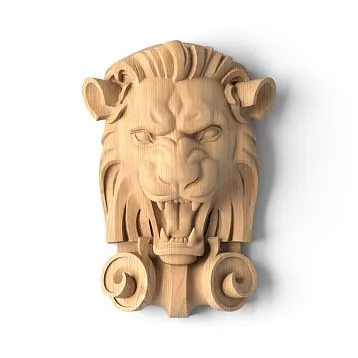
One of the distinctive features of classic furniture is decorative finishing. This may include carved elements, inlays, gilding, and complex ornamental patterns. These details add refinement and elegance to the furniture, making it resemble a work of art. Carefully crafted decorative elements highlight the uniqueness of the piece and become its signature feature.
3. Natural Materials
Natural wood, marble, leather, velvet, and luxurious fabrics — all of these are the foundation of classic furniture design. Using natural materials guarantees not only high quality and durability of the items but also imparts a sense of warmth and coziness to the interior. Natural tones and textures create a noble and timeless space.
4. Strict Lines and Smooth Curves
Classic furniture is distinguished by the combination of strict lines with smooth curves. This creates a harmonious contrast where every line and shape occupies its proper place. Such a combination lends elegance and refinement to the furniture, making it visually expressive and sophisticated.
Modern Trends in Classic Furniture Design
Blending of traditions and innovations
Modernclassic furniture design is not merely a repetition of old patterns, but a reinterpretation using the latest technologies and materials. Today, designers actively incorporate modern wood processing methods, use computer modeling, and automated production lines, enabling the creation of furniture with perfect proportions and flawless finishes.
Ecological and Sustainable
One of the key trends in modern design is environmental responsibility. Contemporary manufacturers pay great attention to using eco-friendly materials and sustainable production technologies. Natural wood processed without aggressive chemicals and natural paints — all of this has become a priority for those who value not only aesthetics but also care for the environment.
Personalization and Individuality
Modern interiors strive to reflect the individuality of the owner. In classic furniture design today, it is possible to realize the boldest ideas, adapting traditional elements to modern requirements. Custom orders, customization of items, and the option to choose exclusive decorative solutions allow creating furniture that will become a unique accent in your home.
Style Mixing
Classic design is often combined with elements of other styles, creating interesting and unexpected combinations. For example, one can combine classic furniture with modern minimalist elements or add industrial accents to create an eclectic interior. Such a blending of styles allows creating a space where traditions and innovations work in harmony, highlighting the uniqueness of each element.
Examples of Successful Projects in Classic Style
Elegant Living Room
Traditional Dining Room
Dining Room in Classic Style
Dining Room in Classic Style – this is the embodiment of family traditions and cultural heritage. A long dining table surrounded by carved chairs, complemented by a gilded chandelier, creates an atmosphere of solemnity and coziness. Every detail, from cutlery to textiles, is thoughtfully considered, making the interior harmonious and complete.
Office or Library
Classic furniture design is perfect for creating an office or library, where an atmosphere of intellectual elegance reigns. Massive bookcases, writing desks with carved elements, leather chairs, and lamps with crystal shades – all of this creates an ideal space for work and creativity. Such an interior inspires, promotes concentration, and evokes a sense of stability and order.
Practical Tips for Decorating in Classic Style
Choosing the Right Furniture
When choosing classic furniture, it is important to consider the quality of materials, craftsmanship, and harmonious integration with the overall interior. Prefer items made of natural wood, with thoughtful decorative finishes and sturdy construction. Modern technologies allow creating furniture that looks like a work of art, yet remains highly functional and durable.
Composition and Color Scheme
Classic style is characterized by a rich yet balanced color palette. Primary tones include warm hues of natural wood, gold, burgundy, dark green, and deep blue. However, it is important to maintain harmony and avoid overloading the interior with unnecessary details. Combining classic colors with modern accents will create a stylish and elegant space.
Accessories and Decorative Elements
Decorative elements play a key role in creating a classic interior. Choose refined accessories – paintings in carved frames, mirrors, candelabras, decorative cushions, and rugs. Each detail should emphasize the elegance and nobility of the interior, creating a sense of compositional completeness.
Lighting
Lighting is another important element in classic design. Chandeliers with crystals, gilded wall sconces, and table lamps – all of these are not only functional but also add a special atmosphere to the interior. Good lighting helps highlight the textures and shapes of furniture, creating a play of light and shadow that enhances the aesthetic impact of the space.
Modern Technologies in Classic Furniture Design
Digital Modeling
Modern technologies allow creating furniture that perfectly adheres to classic canons, yet boasts high precision and quality of execution. Digital modeling helps visualize the final result even before production begins, significantly reducing the risk of errors and enabling structural optimization.
Laser Cutting and CNC Machines
Laser cutting and computerized modeling (CNC) technologies open new possibilities for wood processing. They enable creating complex patterns that could only be handcrafted before. This approach combines tradition with innovation, ensuring the highest quality of products and precise adherence to proportions.
Eco-Friendly Materials and Technologies
With growing awareness of the importance of eco-friendliness, many manufacturers are switching to natural and recycled materials. This not only preserves the natural beauty and longevity of products but also makes them safe for health. Classic design executed with eco-friendly materials becomes a symbol of sustainable development and care for the environment.
Role of Professional Designers in Creating a Classic Interior
Consultations and Concept Selection
A professional designer can not only select furniture but also develop a cohesive interior concept where classic elements seamlessly blend with modern ones. Consultations with experienced specialists will help consider all nuances – from material selection to accent placement and lighting.
Individual approach
Every interior is unique, and classic style allows adapting solutions to individual client preferences. A professional designer can develop a project where every detail, whether furniture or accessories, reflects the owner’s personal taste and character, creating an unparalleled atmosphere.
Technological Solutions
Thanks to modern technologies, designers can realize the boldest ideas, combining traditional methods with new innovations. This allows creating furniture that looks classic but possesses high functionality and technological sophistication, which is especially relevant in today’s fast-paced lifestyle.
Examples of Successful Projects in Classic Style
Elegant Living Room
A living room in classic style is the embodiment of luxury and refinement. Massive wooden cabinets, tables with intricate carvings, crystal chandeliers, and mirrors in carved frames create an atmosphere of nobility and stability. Each piece of furniture is carefully selected and integrated into the overall concept, creating a harmonious space where classic meets modern technology.
Dining Room in Classic Style
A dining room in classic style is a place where the family gathers to enjoy shared meals and warm conversations. Here, functionality and comfort are important, but so is aesthetics: a long dining table surrounded by carved chairs, a chandelier reflecting the nobility of the era, and rich textile elements creating coziness and a sense of solemnity.
Office or Library
Classic design is perfect for creating an office or library where an atmosphere of intelligence and comfort reigns. Large bookcases, writing desks with decorative elements, leather chairs, and ambient lighting help create a space conducive to concentration and creative work. Such an interior becomes a true oasis of knowledge and tranquility.
Practical tips for creating a classic interior
Space Planning
Before starting the project, it is important to carefully plan the space. Define functional zones, prioritize the use of furniture and accessories. A well-thought-out layout will allow you to create a harmonious interior where every element contributes to the overall result.
Choosing quality materials
Quality of materials is the foundation of any classic interior. Prefer natural wood, quality fabric, natural stone, and other eco-friendly materials. It is precisely this that will give the interior not only elegance but also longevity.
Detailed treatment of decorative elements
Classic style requires special attention to details. Carvings, inlays, gilding, and other decorative elements must be executed with maximum care. Do not be afraid to experiment with patterns and ornaments — each detail can become an accent and highlight the uniqueness of your interior.
Lighting and textiles
Lighting is an important element in creating a classic interior. Chandeliers, wall sconces, table lamps, and backlighting help create an atmosphere of warmth and comfort. Textiles, whether curtains, rugs, or cushions, should complement the furniture and emphasize the overall concept of the space.
Consultation with professionals
If you are unsure of your abilities or wish to create a unique project, consult professional designers. Consulting specialists will help consider all nuances, select optimal materials, and create a project that will delight you for years.
Modern challenges and prospects of classic design
Preserving traditions in the context of dynamic changes
The world of interior design is constantly changing, and classic style is not static. However, it remains relevant today precisely due to its ability to adapt and integrate new technologies. Modern manufacturers develop products that combine traditional elements with innovative technologies, allowing to preserve classic aesthetics amid contemporary challenges.
Ecological Sustainability
The issue of eco-friendliness is becoming increasingly relevant. Using natural materials, environmentally friendly production technologies, and sustainable processing methods allows creating classic furniture that is not only beautiful but also safe for health and the environment. This direction harmoniously combines with the eternal values of classic style.
Personalization and Individuality
Modern technologies allow creating furniture that is maximally adapted to individual customer requirements. Personalization of products — from material selection to decorative elements — has become an important factor, enabling the creation of a unique space that reflects the personal style and character of the owner.
Conclusion: Classicism — an eternal source of inspiration
classic furniture design It is not merely the aesthetics of the past, but a living, breathing organism capable of adapting to the challenges of modernity. Classicism remains relevant due to its eternal charm, harmony, and ability to create cozy, noble spaces. Every element of classic furniture — from carved tables to decorative chests — tells its own story, uniting traditions and innovations into a symphony of beauty.
If you aim to create an interior where every detail contributes to the overall benefit, reflecting your taste and pursuit of perfection, classic style will be a reliable foundation for realizing your ideas. Learn more aboutclassic furniture stylesInspired by successful project examples and do not hesitate to experiment with traditional forms in a new interpretation.
May your home be filled with warmth, harmony, and elegance, and every piece of furniture become a manifestation of your taste, experience, and pursuit of beauty. Classicism is an eternal art that remains relevant in all times, offering confidence, stability, and unique beauty. Make thoughtful choices, consult professionals, and create a space that will delight you and your loved ones every day.
Thus, classic furniture design represents an ideal combination of timeless traditions, elegance, and modern technologies. It remains a symbol of stability and refinement, capable of creating an atmosphere of harmony and nobility in any interior. Choose classic solutions adapted to modern realities, and let your space reflect your individuality, taste, and pursuit of perfection.