












































































Article Contents:
- Neuro-Design: When the Interior Reads Your Thoughts
- Symphony of the Subconscious Perception
- Biorythmic Architecture of Lighting
- Ecological Alchemy: Transforming Waste into Luxury
- Philosophy of Circular Design
- Living Materials of the Future
- Tactile Revolution: Touch as Art
- Sensory Mapping of the Interior
- Psychology of Material Combinations
- Architecture of Emotions: How Walls Speak to the Soul
- Geometry of Feelings
- Ceilings as the Fifth Wall
- Color Therapy of Space: Healing Through Palette
- Scientific Chromaturgy
- Dynamic Chromatography
- Technological Magic: Invisible Helpers
- Artificial Intelligence as Designer
- Holographic Interiors
- Next-Generation Culinary Laboratory
- Molecular Gastronomy at Home
- Vertical Farms in the Interior
- Bedroom as a Regeneration Capsule
- Scientific Approach to Rest
- Immersive Relaxation
- Bathroom as a Wellness Temple
- High-Tech Hydrotherapy
- Materials of the Future
- Children's Spaces: Design for Young Geniuses
- Developing Environment of Scientific Approach
- Security through innovation
- Workspaces of the future
- Neuroergonomics of productivity
- Biohacking through design
- Multisensory spaces
- Synesthesia in interior design
- Emotional cartography
- Personalization as the highest art
- DNA of interior design
- Evolutionary interiors
- Social spaces of a new kind
- Co-working at home
- Intergenerational design
- Conclusion: Design as a bridge to the future
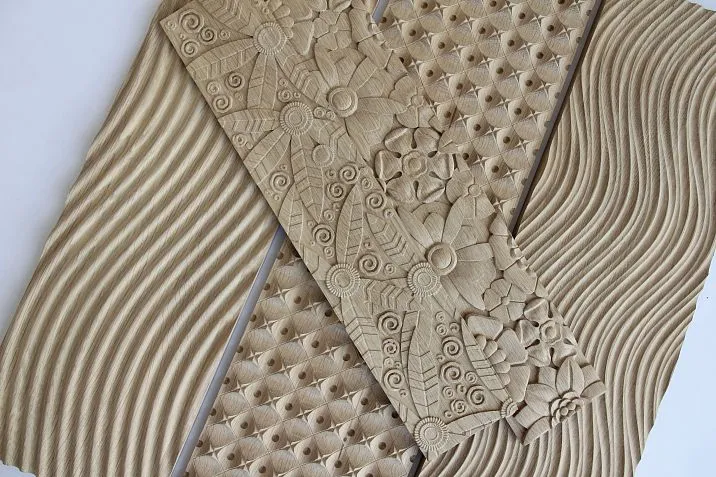
Do you know that your home speaks to you in a secret language of forms, colors, and textures? Every morning, stepping through the threshold, we enter a world of unspoken emotions and hidden meanings that shape our mood for the entire day. Latest interior design trends 2025 They reveal to us this wonderful code, transforming an ordinary dwelling into a space of deep experiences and mindful beauty.
We live in an era of design renaissance, when interior becomes not merely a backdrop for life, but an active participant. Every object, every shade, every line functions as a neuron in a complex emotional impact system. Forget superficial decorations — modern design penetrates the very essence of human nature, creating spaces that heal, inspire, and transform.







Neuro-design: when interior reads your thoughts




Symphony of subconscious perception
Imagine a home that knows you better than you know yourself. It senses your mood by your gait, recognizes fatigue by your breathing, and instantly adapts the atmosphere to your needs. This is not science fiction — it is the reality of neuro-design, which uses the latest discoveries in neurobiology to create the most comfortable spaces.
Color schemes are now developed with consideration for their impact on different areas of the brain. Warm ochre tones activate zones responsible for creativity and social activity. Cool blue-green tones stimulate areas of concentration and analytical thinking. Deep chocolate nuances affect the limbic system, creating a sense of safety and comfort.
Fractal patterns, based on mathematical principles of natural forms, soothe the nervous system on a subconscious level. Repeating patterns of leaves, waves, crystalline structures are incorporated into textiles, wallpapers, and architectural elements, creating a harmonious visual environment.
Our factory also produces:





Biorhythmic lighting architecture
Lighting design transforms into a subtle tool for managing physiological processes. Morning lighting mimics the spectral composition of dawn sunlight, stimulating the production of serotonin and cortisol for natural awakening. Daylight supports high concentration with cool white tones, while evening lighting prepares the body for sleep with warm amber glow.
Personalization reaches incredible precision: the system analyzes individual chronotypes of each family member and creates personalized lighting scenarios. 'Owls' receive more intense morning lighting, while 'larks' get gentle evening transitions.
Get Consultation
Ecological alchemy: transforming waste into luxury
Philosophy of circular design
Sustainable development stops being a fashionable trend and becomes an ethical foundation of modern design. Recycled materials undergo a remarkable metamorphosis: old wood from dismantled buildings becomes exclusive furniture with a unique patina of time, ocean plastic — into luxurious carpeting, and recycled aluminum — into elegant lamps.
Local production has become a mark of quality and exclusivity. Furniture from regional artisans, ceramics from local clay, textiles from national fibers — all this creates a unique energy of place and supports traditional crafts.
Living materials of the future
Innovative biomaterials unlock incredible possibilities. Mycelium is grown in desired shapes to create eco-friendly insulation and decorative panels. Bacterial cellulose forms strong yet breathable surfaces. Algae become the basis for dyes and pigments.
These materials are not just eco-friendly — they are alive. They continue to evolve within the interior, changing their properties depending on environmental conditions, creating truly organic spaces.
Tactile Revolution: Touch as Art
Sensory Mapping of the Interior
Latest interior design trends 2025 include a revolution in tactile perception. Every surface becomes a carrier of a specific sensory message. The rough texture of unprocessed wood awakens primal instincts and a connection to nature. The smoothness of polished marble creates a sense of coolness and elegance. The softness of velvet offers a feeling of protection and comfort.
Modern technologies allow creating surfaces with programmable tactile properties. Smart materials change temperature, texture, even humidity depending on the time of day or user settings.
Psychology of Material Combinations
Combining different textures creates complex emotional experiences. The contrast between rough and smooth activates the nervous system, stimulating creative processes. The harmony of similar-textured materials calms and relaxes. Unexpected tactile accents — cool metal among warm wood, prickly sisal next to silky shantung — create memorable sensory impressions.
Architecture of Emotions: How Walls Speak to the Soul
Geometry of Feelings
The shape of space directly affects emotional state. High ceilings evoke a sense of freedom and grandeur, low ceilings create a feeling of coziness and security. Sharp angles stimulate activity and concentration, rounded forms relax and soothe.
Arches Experience a New Birth, but in a Modern Interpretation. Parabolic, elliptical, and asymmetrical arches create dynamic spatial transitions. Each arch is not just an opening, but a portal between different emotional states.
Ceilings as the Fifth Wall
Ceiling structures become full participants in design dramaturgy. Multi-level systems create complex plays of light and shadow. Suspended elements form airy sculptures. Built-in lighting transforms the ceiling into a source of soft, diffused light.
Cassette ceilings return in modern interpretation, creating rhythmic geometric patterns. Tensioned systems with photo printing transform the ceiling into a window to the sky, cosmos, or underwater world.
Color Therapy of Space: Healing Through Palette
Scientific Chromatology
Mocha Mousse — Color of the Year 2025 — is a complex symphony of brown, beige, and gray nuances. This shade possesses a unique ability to stabilize the nervous system, reduce stress levels, and improve attention concentration. In interior design, it creates a sense of reliability and constancy in an unstable world.
Muted green tones — from sage to olive — activate the parasympathetic nervous system, promoting recovery and regeneration. These colors are especially effective in bedrooms and relaxation zones.
Coral accents stimulate dopamine production — the neurotransmitter of pleasure and motivation. Small coral details in the interior uplift mood and encourage active behavior.
Dynamic Chromatography
Smart paints with thermochromic and photochromic properties change color depending on temperature and lighting. Walls can become warmer in color during cold weather and cooler in hot weather, creating visual comfort.
Electrochromic surfaces allow instant color palette changes with a single touch on a smartphone. This opens incredible possibilities for personalizing space according to mood and momentary needs.
Technological Magic: Invisible Helpers
Artificial Intelligence as Designer
AI systems analyze residents' behavioral patterns and automatically optimize space. Furniture can rearrange itself when you're not home, creating more convenient pathways for cleaning. Lighting adapts to your circadian rhythms, and temperature is regulated according to your activity and clothing.
Predictive algorithms anticipate your needs. The system knows you love reading before bed and automatically turns on the lamp by the armchair as soon as you sit down with a book. It remembers you prepare breakfast for the whole family on Sundays and pre-activates additional kitchen lighting.
Holographic Interiors
Holographic projections transform any wall into a window to parallel worlds. You can have breakfast with a view of Tuscany, work in a Japanese garden, or sleep under the Northern Lights. The technology is so realistic that the brain perceives projections as reality, gaining all the psychological benefits of being in beautiful natural locations.
The kitchen of the next generation
Molecular Gastronomy at Home
Modern kitchens are transforming into scientific laboratories, where food preparation becomes an art. Cryogenic systems allow instant freezing and thawing of products, creating incredible textural contrasts. Ultrasonic baths extract maximum flavor from ingredients without thermal processing.
Precision induction surfaces maintain temperature with accuracy to the degree, which is critical for su-vid and confit technologies. Multi-level combi-ovens allow cooking multiple dishes simultaneously at different temperature settings.
Vertical farms in the interior
Hydroponic systems are integrated into kitchen islands, allowing year-round cultivation of fresh greens. Full-spectrum LED lighting provides ideal growing conditions for plants. Automated irrigation and nutrient systems turn home gardening into a pleasure, not an obligation.
Smart greenhouses become part of the interior, creating green accents and providing the family with fresh vegetables and herbs. This is not only eco-friendly, but also creates a unique atmosphere of living space.
Bedroom as a regeneration capsule
Scientific approach to rest
Latest interior design trends 2025 Transform bedrooms into high-tech systems for body recovery. Smart mattresses with zone-adjustable firmness adapt to the sleeper’s position, providing optimal spinal support. Built-in sensors track sleep phases and can wake the user at the most suitable moment.
Air purification systems create an ideal atmosphere for sleep, removing allergens, dust, and even viruses. Ionizers generate negative ions, improving air quality and promoting deeper sleep.
Immersive relaxation
Ceiling screens create immersive environments for relaxation. Falling asleep under a starry sky, meditating in a virtual forest, waking up on a seaside — all of this becomes possible thanks to high-tech projection systems.
Aromatherapy diffusers are programmed for different sleep phases, releasing corresponding scents: lavender for falling asleep, eucalyptus for deep sleep, citrus for waking up.
Bathroom as a wellness temple
High-tech hydrotherapy
Bathrooms become personal SPA centers with a wide range of therapeutic procedures. Chromatherapy baths change water color depending on the selected program: red for energy, blue for relaxation, green for balance.
Showers with multiple nozzles create various water effects — from gentle tropical rain to intense massage. Steam generators with essential oils turn every shower into an aromatherapy session.
Materials of the future
Antibacterial coatings based on silver nanoparticles prevent bacterial and fungal growth without using chemicals. Self-cleaning surfaces with photocatalytic properties break down contaminants under light exposure.
Thermoregulating materials maintain comfortable surface temperatures, preventing condensation and providing additional comfort.
Children's spaces: design for young geniuses
Educational environment based on scientific approach
Children's rooms are designed as developmental ecosystems, where each element contributes to intellectual and emotional growth. Interactive walls respond to touch, transforming into educational tools. A child can learn geography by touching a world map, or math by solving problems on tactile surfaces.
Modular furniture allows children to independently organize space, developing spatial thinking and creative abilities. Transformable elements grow with the child, adapting to their physical parameters and changing needs.
Safety through innovation
Smart materials with shape memory effect instantly return to their original state after deformation, preventing injuries. Antimicrobial coatings protect against infections, and air quality sensors monitor environmental safety.
Biometric systems track the child’s physical condition and can warn of the onset of illness even before symptoms appear.
Workspaces of the future
Neuroergonomics of productivity
Home offices become scientifically grounded spaces for maximum productivity. Desks with biometric feedback adjust height based on user posture and fatigue. Chairs with AI control adapt to individual posture characteristics.
Light panels mimic natural lighting, changing throughout the day to maintain optimal concentration levels. Acoustic systems create white noise or nature sounds to mask distracting factors.
Biohacking through design
Air filters with ionization improve cognitive functions. Aromatherapy diffusers release scents that stimulate concentration: rosemary for memory, mint for mental clarity, lemon for energy.
Vibration platforms for feet stimulate circulation during sedentary work, while built-in desk massagers relieve tension in the hands.
Multisensory spaces
Synesthesia in Interior Design
Spaces begin to affect all senses simultaneously, creating a synesthetic experience. Sounds influence color perception, scents alter the sensation of temperature, and tactile surfaces affect hearing.
Immersive installations transform homes into works of art. Walls can react to music, changing colors and patterns in sync with the melody. Floors with sensory elements create soundscapes while walking.
Emotional Cartography
Different zones of the home are tuned to specific emotional states. The entry zone energizes and invigorates, the living room encourages communication and joy, the work zone stimulates concentration, and the bedroom relaxes and soothes.
Transitions between zones are not only visual but also involve changes in scents, sounds, even air temperature and humidity.
Personalization as the Highest Art
DNA of Interior Design
Modern technologies allow creating interiors that reflect not only tastes but also the biological characteristics of the owners. Analysis of genetic predispositions helps choose optimal color schemes, materials, and even layouts.
People highly sensitive to sound receive enhanced sound insulation, those prone to allergies — special air purification systems, and those suffering from seasonal depression — powerful light therapy systems.
Evolutionary interiors
Homes become living organisms that grow and develop alongside their owners. AI systems analyze changes in lifestyle, preferences, and needs, and automatically adapt the space.
The arrival of a child in the family triggers a home renovation: security is enhanced, lighting is adjusted, and new functional zones appear. As owners age, additional handrails are installed, lighting is improved, and smart systems are simplified for use.
Social spaces of a new type
Home coworking
The pandemic permanently changed the attitude toward working from home. Modern interiors include flexible spaces that can transform from family to work areas. Sliding walls create isolated offices for video conferences, then open up to family time.
Augmented reality technologies allow working with virtual colleagues as if they were in the same room. Holographic projections create a sense of shared presence.
Inter-generational design
Homes are designed for comfortable living for multiple generations of one family. Adaptive technologies consider various needs: large buttons and bright lighting for the elderly, safe materials for children, high-tech solutions for youth.
Common spaces promote interaction between generations, while private zones ensure necessary solitude.
Conclusion: Design as a bridge to the future
Latest interior design trends 2025 Demonstrate a fundamental shift in understanding the role of design in human life. Interior design ceases to be static decoration and becomes an active, living environment that cares for our health, supports our aspirations, and adapts to our needs.
We are entering an era when the home becomes not just shelter, but an intelligent partner in our lives. It remembers our habits, anticipates our desires, cares for our health, and creates conditions for maximum realization of our potential.
Every element of modern interior design — from material selection to architectural solutions — is based on scientific research into the impact of environment on humans. Neurodesign, biophilic principles, technological integration, personalization — all these approaches work synergistically, creating spaces that are not only beautiful but also beneficial for physical and emotional well-being.
It is important to understand that following advanced trends does not mean blindly implementing all innovations. Each interior must be carefully balanced reflection of the personality, lifestyle, and needs of a specific family. Technologies and trends are tools that should serve the human being, not dominate over them.
Creating a modern interior is a multidisciplinary process requiring knowledge in psychology, neurobiology, ecology, technology, and, of course, artistic taste. Understanding how color affects mood, how form influences perception, how materials interact with senses — all of this is necessary to create truly harmonious space.
The future of interior design is a symbiosis of beauty and science, technology and nature, individuality and universal principles of comfort. These are spaces that not only impress visually, but also actively contribute to the health, creativity, productivity, and happiness of their inhabitants.
Company STAVROS already today embodies tomorrow’s trends, creating interiors that anticipate the future and set new standards of quality of life. Our team of experts combines deep knowledge of classical design principles with understanding of modern technologies and scientific achievements, creating spaces that will become a model of harmony between human and environment for many years to come.


