Article Contents:
- Psychology of Wooden Interiors: Why We Are Drawn to the Natural
- Thermal Properties and Energy of the Space
- Architectural Concept: From Minimalism to Maximalism
- Minimalist Solutions: The Power of Simplicity
- Maximalist Approach: Symphony of Textures
- Technological innovations in wood processing
- Innovative Finishes and Treatments
- Modern Joinery Methods
- Color Palette and Combinations: The Art of Harmony
- Monochromatic solutions
- Contrasting combinations
- Functional Zones and Layout Solutions
- Living Room: The Heart of a Wooden House
- Kitchen: Functionality in Wooden Execution
- Bedroom: Intimacy and Coziness
- Lighting in Wooden Interiors: Play of Light and Shadow
- Natural Lighting
- Artificial Lighting
- Ecological aspects and sustainable development
- Carbon Footprint and Recycling
- Local Species and Transportation Costs
- Bio-tech: Organic forms of the future
- Classic Interiors
- Modern directions
- Seasonality and interior adaptation
- Winter Coziness
- Summer Coolness
- Integration of modern technologies
- Smart Furniture
- Security Systems
- Psychological Aspects of Spatial Perception
- Impact on Productivity
- Family values
- Russian traditions of wooden architecture
- Japanese aesthetics
- Scandinavian Traditions
- Modern Trends and Development Prospects
- Sustainable development
- Personalization and customization
- Economic Aspects and Investment Appeal
- Long-Term Value
- Impact on property value
- Conclusion: Choosing Authenticity

Imagine a home where every morning you wake up embraced by nature, where walls breathe the warmth of ancient oak, and the air is filled with the barely perceptible scent of pine resin. Modern interiors made of natural wood is not just a fashion statement, it is a philosophy of life that brings us back to our roots, to the true values of comfort and harmony.
In an era of synthetic materials and plastic imitations of wood, wood becomes a symbol of status, ecological awareness, and impeccable taste. Each wood grain tells a story of decades of growth, each knot is a mark of time, and the texture is a unique signature of nature on your interior.


Psychology of Wooden Interiors: Why We Are Drawn to the Natural
What happens to our consciousness when we enter a space decorated with natural wood? Scientific research on biophilic design convincingly proves: the presence of natural materials in interior design reduces cortisol levels — the stress hormone, activates the parasympathetic nervous system, and improves attention concentration.
Wooden surfaces possess a unique ability to create acoustic comfort, absorbing excess sound and forming pleasant reverberation. Unlike cold metallic or glass surfaces, wood remains warm to the touch, providing tactile pleasure with every contact.




Thermal Properties and Energy of the Space
Wood is a natural thermoregulator. Its porous structure allows the material to 'breathe', regulating air humidity and creating an optimal microclimate. In winter, wooden interior elements accumulate warmth, while in summer they provide a pleasant coolness.
The energetic component of wood goes far beyond its physical properties. Each species has its own 'aura': oak radiates strength and stability, birch — purity and freshness, walnut — elegance and refinement, pine — calmness and tranquility.
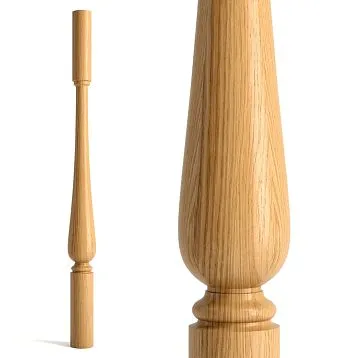
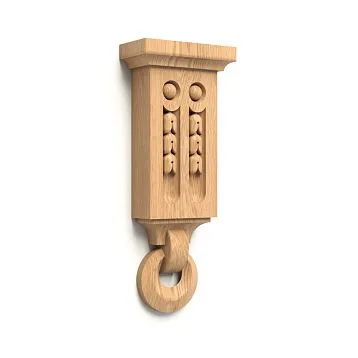
Our factory also produces:


Architectural concept: from minimalism to maximalism
Modern design practice demonstrates the remarkable versatility of wood as a material. It looks equally organic in strict Scandinavian minimalism with its cult of functionality and in luxurious classical interiors with abundant decorative elements.
Get Consultation
Minimalist solutions: the power of simplicity
Scandinavian masters have turned the use of light wood into a high art. Birch parquet, pine beams, beech furniture — all of this creates a sense of spaciousness and airiness even in compact rooms. Geometric strictness of forms highlights the natural beauty of wood grain, turning each interior item into a sculptural object.
Principles of minimalist wooden design are based on the concept 'less is more'. Each element must carry functional load while possessing impeccable aesthetic qualities. Combining different wood species within one interior requires special skill: it is important to achieve a harmonious transition between shades and textures.
Maximalist approach: symphony of textures
On the opposite pole are interiors where wood plays the role of the main character in all its variety. Carved oak panels coexist with inlaid walnut countertops, massive larch beams contrast with elegant elements of redwood.
Such interiors require careful planning and deep understanding of the properties of different species. Playing with contrasts — light and dark, smooth and textured, matte and glossy — creates a rich visual symphony, where each note has its place and meaning.
Technological innovations in wood processing
Modern technologies have radically expanded the possibilities of using wood in interiors. Thermal treatment allows changing wood properties without using chemicals, improving its stability and longevity. Oil and wax impregnation technologies highlight the natural beauty of the material, creating a protective layer without losing its 'breathable' properties.
Innovative Coatings and Finishes
Modern water-based polyurethane varnishes provide reliable protection for wood, preserving its ecological properties. UV curing allows creating coatings with enhanced strength, resistant to mechanical damage and fading.
The brushing technology opens up amazing possibilities for creating textured surfaces. Removing soft fibers highlights the pattern of annual rings, creating a tactilely pleasant surface with pronounced texture. Such treatment looks especially effective on oak, beech, and larch.
Modern joining methods
Traditional joinery techniques are supplemented by innovative technologies. The 'tailor's stitch' system receives a new embodiment thanks to the precision of CNC machines. Adhesive joints based on polyurethane compositions provide strength exceeding that of the wood itself.
Hidden fastening systems allow creating visually 'floating' constructions, where wooden elements appear weightless. Magnetic locks and push-to-open mechanisms are organically integrated into wooden furniture, preserving the purity of lines and forms.
Color palette and combinations: the art of harmony
Working with color in wooden interiors requires a special approach. Natural wood tones create a base palette, which can be complemented by contrasting or harmonious colors. Warm brown tones of oak beautifully combine with deep blue and green shades, creating an atmosphere of stability and confidence.
Monochromatic Solutions
Using different wood species within the same color temperature creates refined monochromatic interiors. Light species — birch, maple, beech — form airy, light-filled spaces. Dark species — walnut, wenge, merbau — create an intimate atmosphere of luxury and elegance.
Gradient transitions from light to dark tones within one room allow creating visual accents and zoning space. A light floor smoothly transitions into darker furniture, while ceiling beams complete the composition with the most saturated shade.
Contrasting Combinations
Bold design solutions imply combining wood species with radically different colors. Light birch combined with dark wenge creates a graphic, almost black-and-white interior with clear geometric accents. Such solutions require impeccable sense of proportion and masterful composition skills.
Adding colorful accents in the form of textiles, ceramics, or glass can radically change the perception of a wooden interior. Bright cushions on a walnut sofa, colorful vases on oak shelves, multicolored lamps — all of this creates a dynamic, lively atmosphere.
Functional zones and planning solutions
interiors made of natural wood Require a special approach to space planning. The massiveness of wooden elements dictates certain rules for placement and zoning. Large-scale solid wood furniture requires spacious rooms with high ceilings, where it can 'breathe' and not create a sense of confinement.
Living room: the heart of a wooden house
The living room in a wooden interior becomes a true temple of family communication. Often, the central element is a massive dining table made from a single solid wood slab, capable of gathering several generations of the family. Bookshelves spanning the entire wall not only solve storage problems but also create an impressive visual accent.
A fireplace with a wooden surround becomes a natural compositional center, around which the entire furniture group is arranged. Chairs and sofas with wooden frames are complemented by soft cushions made of natural fabrics — linen, cotton, wool.
Kitchen: functionality in wooden execution
A modern kitchen made of natural wood is a triumph of functionality over form. Massive countertops made from butcher block withstand any culinary experiments, while oak or beech facades are not afraid of moisture and temperature fluctuations when properly treated.
Island layout allows the most efficient use of wooden surfaces. A central island with a massive countertop becomes the working center of the kitchen, unifying zones for preparation, serving, and informal communication.
Bedroom: Intimacy and Coziness
In the bedroom, the tree reveals its most intimate qualities. A bed with a solid headboard made of natural wood creates a sense of protection and stability. Nightstands, chests, and wardrobes form a unified ensemble, where each item complements the overall composition.
Wooden blinds or shutters not only regulate lighting but also emphasize the natural theme of the interior. Parquet flooring with a pronounced texture provides tactile pleasure with every touch.
Lighting in wooden interiors: play of light and shadow
Proper lighting can dramatically change the perception of a wooden interior. Directional light highlights the wood grain, creating a play of light and shadow on textured surfaces. Diffused lighting, on the contrary, softens contrasts and creates a uniform, cozy atmosphere.
Natural lighting
Large windows are an essential element of a quality wooden interior. Natural light not only saves electricity but also continuously changes the perception of wood tones throughout the day. Morning rays highlight the warmth of the material, daylight reveals all the nuances of the texture, and evening lighting creates an intimate atmosphere.
Light wells and skylights allow even deep parts of the room to be filled with light. Reflections off wooden surfaces create soft, diffused lighting, comfortable for the eyes.
Artificial lighting
Modern LED systems open new possibilities for lighting wooden interiors. Built-in lighting for shelves and niches creates a 'floating' effect for wooden elements. Linear lighting integrated into wooden beams highlights architectural features of the room.
Spotlights with adjustable beam angle allow creating accent lighting for individual items or zones. Warm color temperature (2700-3000K) best highlights the natural beauty of wood.
Ecological aspects and sustainable development
Choosing natural wood is not only an aesthetic but also an ethical decision. Modern production of wooden furniture and finishing materials is based on principles of sustainable forestry. FSC certification guarantees that the wood comes from forests managed according to ecological standards.
Carbon footprint and recycling
Wooden furniture has a negative carbon footprint — during growth, trees absorb more CO2 than they emit during processing and transportation. Even after the end of their service life, wooden items can be recycled or used as biomass, without harming the environment.
Technology for producing furniture from recycled wood allows giving a second life to old wooden structures. Weathered wood possesses a unique beauty and character not available to new materials.
Local species and transportation costs
Using local wood species not only reduces transportation costs but also supports regional woodworking traditions. Each region has its own species with unique characteristics and applications.
Birch and pine in northern regions, oak and beech in the middle belt, walnut and chestnut in southern areas — the diversity of local species allows creating interiors organically connected with the natural surroundings.
Stylistic Directions: From Classic to Avant-Garde
Wood as a material successfully adapts to any stylistic direction, from strict classicism to experimental avant-garde. Each style reveals certain aspects of wood's beauty, emphasizing specific properties of the material.
Classic Interiors
In a classical interior, wood plays the role of a foundation, the basis of the entire composition. Carved panels, wooden moldings, inlaid furniture — all these elements create an atmosphere of elegance and respectability. Dark noble woods — mahogany, rosewood, black wood — emphasize the status and solidity of the classical style.
French Provence, English classicism, Italian Renaissance — each direction has its own features in using wood. Patination, artificial aging, gilding — these techniques allow creating furniture with centuries of history.
Modern interior styles also use oak skirting boards, but in a different interpretation. Minimalism prefers simple rectangular profiles without decorative elements. Smooth surfaces with matte finish create a sense of strictness and elegance.
Modernism and postmodernism opened new possibilities for using wood in interiors. Smooth curved forms, asymmetrical compositions, unusual combinations of different materials — all this creates dynamic, lively interiors where wood acts as an equal partner to metal, glass, and plastic.
High-tech style, seemingly contradicting natural materials, successfully integrates wooden elements as contrasting accents. The warmth of wood softens the coldness of metallic surfaces, creating a more comfortable atmosphere.
Seasonality and Interior Adaptation
One of the unique properties of wooden interiors is their ability to adapt to seasonal changes. Wood, as a living material, subtly responds to changes in temperature and humidity, creating a dynamically changing living environment.
Winter coziness
In winter, wooden surfaces become a source of psychological warmth. Dark wood species absorb sunlight and create a feeling of warmth even on cloudy days. A fireplace with a wooden surround becomes not only a source of physical warmth but also a center for family interaction.
Textile additions — woolen blankets, fur throws, knitted cushions — naturally complement wooden surfaces, creating a multi-layered composition of coziness and comfort.
Summer coolness
In summer, wood reveals its cooling properties. Light-colored species reflect sunlight, creating a feeling of coolness. Wooden blinds and shutters effectively regulate light flow, protecting the interior from overheating.
Minimizing textile elements, using light linen fabrics, exposing wooden surfaces — all this creates a summer interior variant, fresh and airy.
Integration of Modern Technologies
Modern interiors made of natural wood Successfully integrate the latest technological solutions without disrupting natural harmony. Concealed wiring, built-in charging devices, smart home systems — all these elements can be seamlessly incorporated into wooden structures.
Smart furniture
Modern wooden furniture can include numerous technological solutions. Tables with built-in wireless charging, cabinets with automatic lighting systems, beds with adjustable bases — all this does not contradict the naturalness of the material but enhances its functionality.
Humidity and temperature sensors integrated into wooden elements allow maintaining an optimal microclimate in the room. Automatic watering systems for indoor plants can be concealed within wooden structures, creating ideal conditions for living green accents.
Security systems
Modern security systems can be seamlessly integrated into wooden interiors. Motion sensors hidden within wooden elements, surveillance cameras disguised as decorative features, access control systems embedded in wooden furniture — all this ensures security without compromising interior aesthetics.
Psychological aspects of space perception
A wooden interior has a profound impact on a person's psychological state. Studies show that the presence of natural wood in interiors reduces stress levels, improves attention concentration, and promotes deeper sleep.
Impact on productivity
Workspaces furnished with natural wood demonstrate a 15-20% increase in labor productivity. The warm tones of wood create a comfortable atmosphere for prolonged work, while the tactile properties of the material reduce tension and fatigue.
A home office with a wooden desk, shelves, and cabinets becomes a place where one wishes to spend time. The natural beauty of the material inspires creativity and helps maintain a high level of motivation.
Family values
A wooden interior promotes strengthening family bonds. A solid wooden dining table becomes the center of family life, a place where all generations gather. The longevity of wooden furniture allows it to be passed down through generations, creating continuity of family traditions.
Children's rooms furnished with natural wood create a healthy environment for growth and development. The eco-friendliness of the material is especially important for developing bodies, while the warmth of wood creates a sense of safety and comfort.
Regional characteristics and cultural traditions
Each culture has its own traditions of using wood in interiors. Japanese minimalism with its cult of simplicity and functionality, Scandinavian hygge with an emphasis on coziness and comfort, Russian traditions of wooden architecture — all these directions enrich modern interior design practices.
The Japanese philosophy of wabi-sabi, which recognizes the beauty of imperfection, is reflected in the modern approach to wooden decor. Natural imperfections of wood and its inherent asymmetry are increasingly viewed not as flaws, but as unique characteristics.
The Japanese approach to wooden interiors is based on the principles of wabi-sabi — the beauty of imperfection and naturalness. Unfinished wooden surfaces preserving natural defects, asymmetrical compositions, minimal number of items — all this creates a meditative atmosphere of peace and harmony.
Using different wood species in one interior requires special skill and deep understanding of each material's properties. The interplay of contrasts between light and dark, smooth and textured surfaces creates visual depth and interest.
Scandinavian traditions
The Scandinavian approach to wooden interiors developed under the influence of the harsh northern climate and abundance of forest resources. Light wood species efficiently utilize scarce winter lighting, creating a sense of light and warmth.
Functionality of each element, absence of decorative excesses, quality craftsmanship — these principles make Scandinavian wooden interiors a global benchmark.
Modern trends and prospects for development
The future of wooden interiors is linked to advancements in wood processing technologies, emergence of new protective and finishing methods, and integration of 'smart' systems. Biodegradable coatings, nanomaterials for wood protection, 3D printing with wooden filaments — all these innovations expand the possibilities of using wood in interiors.
Sustainable development
Ecological trends dictate new production standards for wooden furniture. GREENGUARD certification, formaldehyde-free adhesives, energy-efficient wood drying technologies — all this makes modern wooden interiors not only beautiful but also ecologically responsible.
The circular economy concept implies the most efficient use of wood resources. Furniture designed for disassembly and reuse, waste-free production technologies, secondary wood recycling — all this defines the future of the industry.
Personalization and Customization
Modern technologies allow creating unique wooden interiors tailored to individual client needs. 3D modeling enables visualizing the future interior even during the design stage, while CNC machines ensure precise manufacturing of complex elements.
The ability to choose a specific piece of wood, individual work with texture and color, creating furniture based on personal sketches — all this makes each project unique and irreplaceable.
Economic Aspects and Investment Attractiveness
Quality wooden furniture is not just a purchase — it is a long-term investment. Unlike composite material furniture, which loses value within a few years, natural wood items only increase in value, especially antique and designer pieces.
Long-term cost
The lifespan of quality wooden furniture is measured in decades, sometimes even centuries. The possibility of restoration and renewal allows maintaining items in excellent condition practically indefinitely. This makes wooden furniture one of the most economically advantageous investments in the long term.
Antique wooden furniture demonstrates steady value growth, often outpacing inflation. Works by renowned masters and designers become collectible and investment items.
Impact on property value
A quality wooden interior significantly increases property value. Potential buyers are willing to pay extra for homes and apartments with natural wooden elements, understanding their durability and aesthetic value.
A professionally designed and high-quality wooden interior can increase property value by 15-25%, significantly exceeding the cost of its creation.
Conclusion: choosing authenticity
In a world of mass production and synthetic materials, choosing natural wood in interiors — is choosing authenticity, quality, and responsibility toward future generations. Each piece of natural wood carries the story of tree growth, the craftsmanship of the maker, and the energy of nature.
Modern technologies allow creating wooden interiors that combine traditional beauty with contemporary functionality. Smart systems integrated into wooden structures, eco-friendly finishes, and innovative processing methods make wood an ideal material for future interiors.
Investing in a wooden interior is not just about creating a beautiful space, but forming an environment that will serve your family for generations, preserving and enhancing its value. This is the choice of people who understand the difference between temporary and eternal, between fashion and style, between imitation and authenticity.
For more than two decades, STAVROS has been creating unique wooden interiors, combining traditional craftsmanship with modern technologies. Each project is an individual work of art, crafted according to the client’s personal preferences and the specific characteristics of the space. STAVROS’s portfolio includes hundreds of completed projects, ranging from intimate apartments to luxurious mansions, united by a shared commitment to perfection and quality. Choosing STAVROS means choosing a partner who shares your values and is ready to bring your boldest design ideas to life in natural wood.