Article Contents:
- 1.1. Classic Style
- 2.1. Finishing Materials
How to choose an interior style that is not only beautiful but also comfortable? What decorative elements will help create a cozy atmosphere? Interior design is not just about arranging furniture and selecting colors, but a comprehensive approach to organizing space, where each element plays its own role.
When choosing an interior style, it is important to consider the functionality of the room, personal preferences, lighting characteristics, space dimensions, and its purpose. The classic style creates an atmosphere of luxury, minimalism makes the space light and airy, and the loft style introduces an industrial aesthetic.
This article examines the main interior design styles, their features, decoration methods, and key elements that will help create a harmonious and comfortable space.
1. Main Interior Design Styles
A modern interior can be styled in various ways. Each has its own characteristics and approaches to decorating space.



1.1. Classic Style
The classic style in interior design is associated with elegance, symmetry, and luxurious details.
Key features:
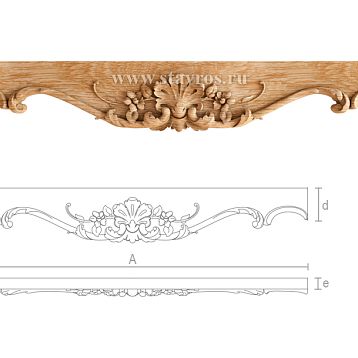
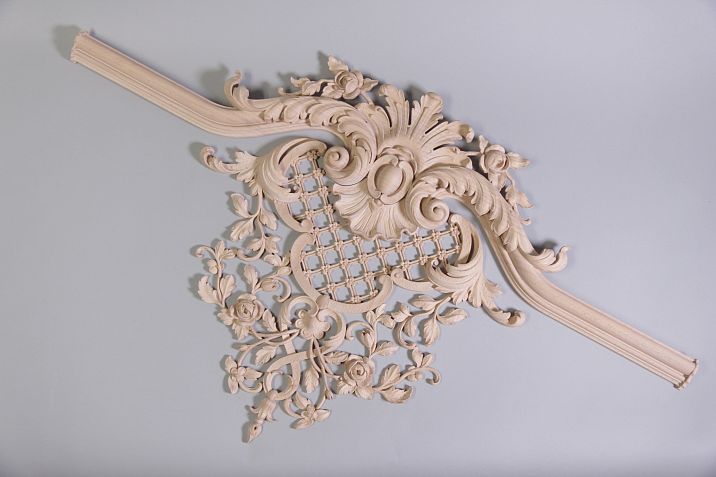
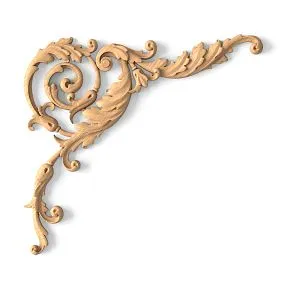
Usage moldings, decorative moldings and columns.
● Symmetry in furniture arrangement.
● Natural materials: wood, marble, textiles with rich ornamentation.
● Warm color palette: beige, cream, golden tones.
Tip: Use Polyurethane moldings и decorative rose outlets for decorating ceilings and walls.
1.2. Modern Style
Modern interior is oriented towards functionality and simplicity of forms.
Key features:
● Clear lines and minimalist design.
● Minimal decoration, but high-quality finishing materials.
● Predominance of neutral colors with bright accents.
● Use of glass, metal, wood, and artificial stone.
Tip: For wall decoration, use polyurethane panels with geometric patterns.
1.3. Loft
Loft style originates from industrial spaces and is characterized by rough materials, exposed utilities, and spacious rooms.
Key features:
● Use of brick, concrete, metal, and natural wood.
● Open floor plan without partitions.
● High ceilings, large windows.
● Industrial lighting fixtures and furniture with metallic elements.
Tip: For accent walls, use decorative overlays that mimic historic architecture.
1.4. Minimalism
Minimalism is built on simplicity, clean lines, and absence of unnecessary details.
Key features:
● Uniform surfaces, minimal furniture.
● Predominance of white, gray, and black colors.
● Minimal decorative elements.
● Open spaces without unnecessary partitions.
Tip: In minimalism, you can use thin moldings to create stylish geometric accents.
1.5. Scandinavian Style
Scandinavian style combines simplicity, light tones, and natural materials.
Key features:
● Light palette (white, gray, pastel tones).
● Predominance of wood and natural textiles.
● Simple, functional furniture.
● Large amount of natural light.
Tip: Use decorative baseboards to emphasize the simplicity and minimalism of the interior.
2. Interior Design: Key Elements
Choosing an interior style is only the first step. Equally important is properly arranging the space using materials, furniture, lighting, and decorative elements.




2.1. Finishing Materials
Various materials are used for finishing walls, ceilings, and floors.
● Paint – a universal option for any style.
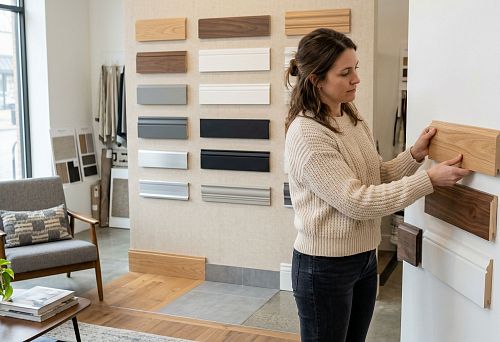
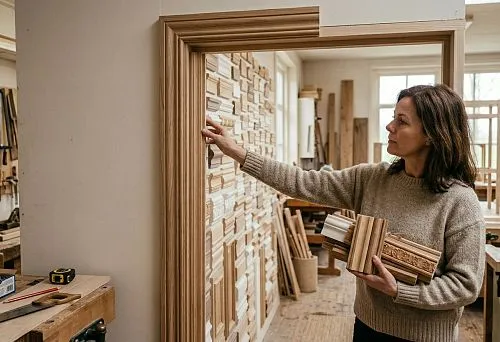
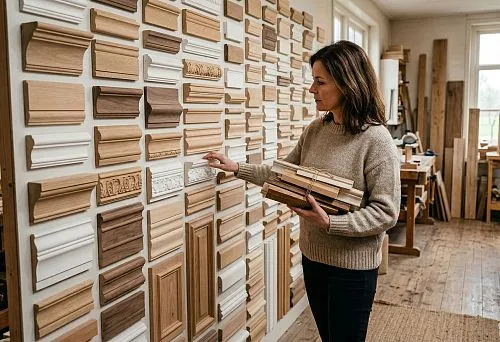
● Moldings and cornices – add expressiveness to classic and modern interiors.
● Wallpaper and decorative panels – create textured accent walls.
● Ceramic tile, laminate, parquet – used for flooring.
2.2. Furniture
Furniture should match the interior style and be comfortable.
● In classic interiors, use heavy wooden cabinets, chests, and carved details.
● In modern and minimalist interiors – simple shapes, smooth surfaces.
● In lofts – furniture made of metal and rough wood.
Tip: Choose furniture that not only looks good but also meets your needs.
2.3. Lighting
Lighting affects the perception of space and its comfort.
● General lighting – chandeliers, ceiling fixtures.
● Accent lighting – backlighting for paintings, mirrors, wall panels.
● Table and floor lamps – create coziness.
Tip: Use layered lighting to make the space comfortable at any time of day.
2.4. Decor
Decorative elements complete the interior.
● Moldings and stucco – add elegance.
● Mirrors – visually expand the space.
● Textiles – curtains, rugs, cushions create coziness.
Tip: Decor should not overload the interior. Choose only what truly complements the style.
Conclusion
Choosing an interior style and its decoration is a complex but engaging process that requires careful attention to every detail. Each style—whether classic, minimalism, loft, Scandinavian, or modern—has its unique features that shape the atmosphere of the space. But it's important to remember that an interior is not just a style, but a reflection of the owner's personality, tastes, and lifestyle.
A harmonious interior begins not only with choosing furniture or wall color, but also with proper zoning, thoughtful lighting, use of textures, and combination of finishing materials. Decoration should consider ease of movement, functionality, comfort, and aesthetics, creating a space where it is pleasant to be every day.
Decorative finishing plays a key role in forming a complete look. Polyurethane moldings, moldings, decorative panels help add depth and expressiveness to the interior. They create accents, highlight zone boundaries, conceal joints and imperfections, and also give the room elegance and style.
In addition to aesthetics, proper selection of materials ensures durability and ease of maintenance. For example, polyurethane elements are resistant to moisture, require no complex installation, and can be painted any color, making them a universal solution for any interior.
It is also important to consider the role of lighting. Proper combination of natural and artificial light allows you to create the desired atmosphere: warm and cozy in a classic interior, minimalist and strict in a modern one, industrial and contrasting in a loft style.
Creating a stylish and harmonious interior requires attention to detail, but the final result is worth all the effort. Using quality finishing materials, decorative elements, and thoughtful decoration allows you to create a space that not only pleases the eye but also ensures comfort for many years.
When choosing an interior, orient yourself not only to trends but also to your own preferences, creating a cozy, functional, and aesthetically pleasing home that will inspire you every day.