Article Contents:
- Anatomy of a Decorative Element: Breaking Down the Components of Beauty
- Classification by Functional Purpose
- Material Science of Decorative Details
- Psychology of Perception: How Details Influence Emotions
- Emotional Impact of Forms and Textures
- Color Psychology in Details
- Technological Features of Decorative Detail Production
- Traditional Methods and Modern Technologies
- Surface treatment quality
- Art of Composition: How to Combine Different Details
- Principle of Scaling
- Rhythmic structures
- Stylistic Directions and Their Characteristic Details
- Classical styles
- Modern directions
- Practical Aspects of Choosing and Placing Details
- Care and Maintenance of Decorative Elements
- Installation Technology
- Economic Aspects of Using Decorative Details
- Impact on property value
- Long-Term Savings
- Trends and innovations
- Ecological trends
- Technological Innovations
- Regional Specificity and Cultural Features
- Russian Traditions
- European Influences
- Specialized Areas of Application
- Residential interiors
- Public spaces
- Care and Maintenance of Decorative Details
- Preventive care
- Restoration work
- Frequently Asked Questions and Expert Answers
- Conclusion: The Art of Creating Perfection
Why some interiors remain unforgettable for life, while others are bland and dull? The secret lies not in expensive furniture or branded accessories, but in carefully thought-out details — in decor detailsthat create the atmosphere, character, and soul of the space. Each detail, from a miniature carved rosette to an elegant corner element, plays the role of an instrument in the symphony of interior design, where harmony is achieved through attention to nuances.
In the world of interior design, there is an undeniable truth: the devil is in the details. It is precisely the smallest decorative elements that transform a bland space into a cozy home, an office into an executive office, and an ordinary room into a work of art. But what do these mysterious decorative details represent, and how should they be chosen and used?


Anatomy of a Decorative Element: Breaking Down the Components of Beauty
Each decorative detail is the result of complex design, where aesthetics meet functionality. Understanding the structure and purpose of various elements will help create a truly harmonious interior.




Classification by Functional Purpose
Structural decorative elements form the basis of decorative composition. These include Decorative Inserts various forms and sizes, which serve as the foundation for constructing complex ornamental solutions. These elements do not merely decorate the surface — they create visual structure, divide space into zones, and draw attention to important details.
Connecting details ensure smooth transitions between different surfaces and elements. Corner caps Play a key role in creating a finished look, hiding technical seams and creating visual unity in the composition. Without them, even the most beautiful straight elements appear unfinished.
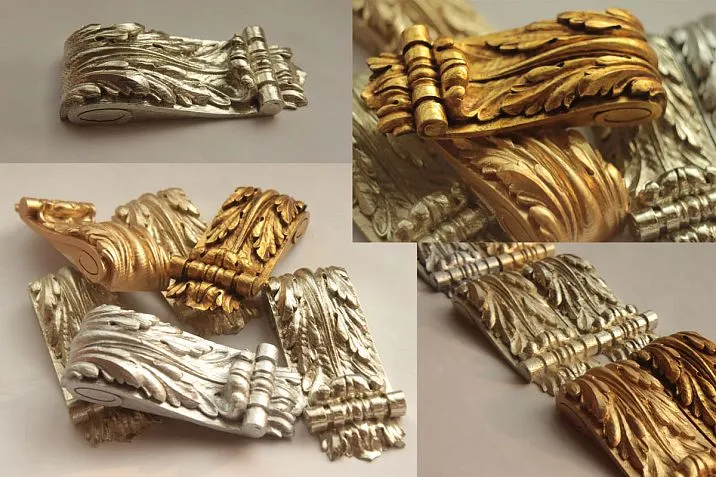
Accent details attract attention and create focal points in the interior. Small carved rosettes, ornamental inserts, decorative brackets — all of this functions as refined jewelry in the world of interior design.
Our factory also produces:


Material science of decorative details
The choice of material determines not only the aesthetic characteristics of the detail, but also its durability, application possibilities, and processing methods. Natural wood remains the gold standard of decorative art due to its lively texture and ability to "breathe" with the interior.
Oak solid wood is a material for creating "luxury" class elements. Its dense structure allows for the execution of the finest carving details, which retain clarity for decades. Over time, oak details acquire a noble patina, becoming even more expressive.
Beech attracts designers with its uniformity and excellent staining capability. Its light, warm tone is ideal for creating decor setswhere color harmony of all elements is important.
Polyurethane opens up new possibilities in creating complex forms. This modern material allows reproducing any, even the most intricate carved motifs with perfect repeatability, which is especially valuable when creating extended compositions.
Get Consultation
Perception Psychology: How Details Influence Emotions
Human perception is structured so that we first see the overall picture, and then our attention focuses on details. It is precisely these details that form the emotional response and create a lasting impression of the space.
Emotional Impact of Forms and Textures
Smooth, rounded forms create a sense of calm and comfort. decorative elements With soft contours, especially suitable in bedrooms, living rooms, children's rooms — everywhere where atmosphere of relaxation and coziness is important.
Geometric, angular details add dynamism and modernity to the interior. They emphasize the architectural logic of space, creating a sense of order and control. Such elements are ideal for office workspaces, modern kitchens, minimalist interiors.
Surface texture plays no less important a role. Smooth, polished surfaces reflect light and create a sense of cleanliness and spaciousness. Relief, textured details absorb light, creating shadow play and adding depth and mystery to the interior.
Color Psychology in Details
The color of decorative details can radically change the perception of space. Light, natural wood tones create a sense of warmth and naturalness. They psychologically "expand" space, making it brighter and airier.
Dark, saturated tones add dignity and solidity to the interior. They create a sense of stability and reliability, but require careful application in small rooms.
Contrasting combinations create dynamism and attract attention. Light details on a dark background or dark accents on light surfaces become focal points of the composition.
Technological Features of Producing Decorative Details
Creating quality decor details requires a deep understanding of material properties and mastery of modern processing technologies.
Traditional Methods and Modern Technologies
Hand carving remains the unmatched method for creating unique elements. Each item crafted by hand possesses unique energy and individuality. Handwork allows creating the most complex compositions, where every detail is thoughtfully designed and refined.
CNC machining ensures high precision and repeatability of items. Modern machining centers are capable of creating details of complex shapes with micron accuracy, which is especially important for molding decor and other elements requiring perfect geometry.
Laser cutting opens up possibilities for creating delicate lace-like compositions. The laser beam allows performing cuts as thin as fractions of a millimeter, creating a "lace" effect from wood.
Surface Processing Quality
Final finishing determines not only the appearance of the detail, but also its durability. Sanding is performed in several stages, starting from coarse abrasives and ending with polishing pastes. Each stage removes traces of the previous one, gradually bringing the surface to an ideal state.
Protective coatings not only preserve wood but can also dramatically change its appearance. Modern varnishes and stains allow you to imitate valuable wood species, create aging effects, and highlight the natural texture of the material.
Composition Art: How to Combine Different Elements
Creating a harmonious composition from various decorative elements requires understanding design principles and a sense of proportion.
Principle of Scale
The relationship of sizes of different elements must conform to the logic of space. Large details attract attention and become dominant elements in the composition, while small ones create a background and support the overall rhythm. Violating scale relationships leads to visual discomfort and destruction of the interior's integrity.
Gradation of sizes creates smooth transitions and a hierarchy of element importance. From large central details to medium and small ones — such a sequence corresponds to natural laws of perception.
Rhythmic structures
Regular rhythm is created by repeating identical elements at equal intervals. Such a structure emphasizes the architectural logic of space, creating a sense of order and stability.
Progressive rhythm is based on gradual changes in size, shape, or spacing between elements. It creates dynamism and directs the viewer's gaze in a specific direction.
Free rhythm allows for uneven placement of elements, creating a more lively, organic composition. This approach requires a developed sense of balance and proportion.
Stylistic Directions and Their Characteristic Details
Each interior style has its own 'handwriting' in the use of decorative details.
Classic styles
Baroque is characterized by opulence and abundance of decorative elements. Complex carved compositions, gilding, and abundance of small details create an atmosphere of luxury and grandeur. Exclusive Collections In the Baroque style, elements include those with deep carving, complex curved forms, and rich ornamentation.
Neoclassicism leans toward symmetry and strictness of proportions. Here, it is less the complexity of details and more their flawless execution and adherence to canons. Classical motifs, plant ornamentation, strict geometry — these are the main characteristics of neoclassical details.
Empire uses decorative elements as a means to demonstrate power and grandeur. Military attributes, imperial symbolism, large-scale compositions — all of this requires large, expressive details.
Modern interior styles also use oak skirting boards, but in a different interpretation. Minimalism prefers simple rectangular profiles without decorative elements. Smooth surfaces with matte finish create a sense of strictness and elegance.
Modernism brought a new understanding of form and content to decorative arts. Plant motifs acquired a stylized character, asymmetrical compositions appeared, smooth, flowing lines. modern collections reflect these principles, offering details with organic forms and dynamic silhouettes.
Art Deco is characterized by geometric stylization of natural forms. Zigzags, stepped forms, solar motifs create the recognizable 'handwriting' of this direction.
Minimalism uses details very sparingly; each element must be functionally justified. Simple geometric forms, natural materials, absence of excess — these are the main principles of minimalist decor.
Practical Aspects of Choosing and Placing Details
Theoretical knowledge must be supplemented with practical skills in applying decorative elements.
Space Analysis
Architectural features of the room determine the possibilities for placing decorative details. Ceiling height, room size, window and door placement, structural elements — all of this affects the choice of type and size of details.
The functional purpose of the space also plays an important role. In a bedroom, soft, rounded forms are appropriate, creating an atmosphere of calm. In an office, strict, geometric elements emphasize the professional character of the space.
Lighting dramatically affects the perception of decorative details. Under natural lighting, color nuances and texture subtlety are important. Under artificial lighting, the focus shifts to the play of light and shadow, surface relief.
Installation technology
Surface preparation is a critically important stage. The base must be perfectly flat, dry, and strong. Any defects will become apparent after installing the details and spoil the overall impression.
The choice of fasteners depends on the wall material, weight of the detail, and operating conditions. Heavy elements require anchor fasteners, while lighter ones can be secured with adhesive compounds.
Adhering to installation technology ensures the longevity and reliability of the fastening. Each type of detail has its own installation characteristics that must be considered.
Economic Aspects of Using Decorative Details
Investments in quality decorative details pay off not only through aesthetic pleasure but also through increased property value.
Impact on property value
Quality decor significantly enhances the attractiveness of interiors for potential buyers. Statistics show that rooms with thoughtful decorative finishes sell 15-25% higher than similar properties without decor.
Unique solutions create additional value. Interiors with decorative details handcrafted or exclusive elements stand out from standard solutions.
Long-term savings
The durability of quality details eliminates the need for frequent interior updates. Properly selected and installed elements serve for decades, retaining their original appearance.
The possibility of restoring natural wooden details allows updating them as needed without full replacement.
Trends in development and innovation
The decorative details industry is constantly evolving, introducing new materials, technologies, and design solutions.
Ecological trends
Sustainable forestry is becoming an important factor in material selection. Certified wood from managed forests guarantees the ecological safety of the product.
Coating safety is another important aspect. Water-based coatings, absence of toxic components make decorative details absolutely safe for health.
Technological Innovations
3D printing opens new possibilities for creating complex forms. Prototypes can already be printed from various materials to evaluate the appearance of future details.
Parametric design allows creating adaptive compositions that change their characteristics depending on room size.
Smart technologies are integrated even into decorative elements. Built-in lighting, sensors, and home automation components transform decorative details into functional smart home elements.
Regional specificity and cultural characteristics
Different regions have their own traditions in creating and using decorative details.
Russian traditions
Woodcarving is a unique phenomenon of Russian culture. Traditional motifs carry deep symbolic meanings: solar signs symbolize life energy, plant ornaments signify connection with nature, geometric patterns represent cosmic order.
Regional schools of woodcarving have their distinctive features. Northern carving is characterized by restraint and minimalism, central regions by richness and variety of motifs, southern regions by vividness and ornamentation.
European influences
The Italian Renaissance gifted the world with canons of classical beauty, which remain relevant to this day. Plant ornaments, classical motifs, perfect proportions — all of this is reflected in modern wall decor elements.
French Baroque brought an understanding of luxury and elegance. Complex compositions, meticulous detailing, and play of light and shadow create the unique atmosphere of French interiors.
Specialized application areas
Different application spheres impose specific requirements on decorative details.
Residential interiors
Living rooms require impressive yet cozy details. Here, large accent elements are appropriate, creating focal points in the composition.
Bedrooms require soft, calming forms. Smooth lines, natural colors create an atmosphere of peace and relaxation.
Children's rooms require special attention to safety. All details must be carefully processed, without sharp edges or small detachable parts.
Public spaces
Office interiors use decorative details to create a corporate style. Strict geometric forms and quality materials emphasize the solidity and professionalism of the company.
Restaurant interiors require distinctive decorative details. Here, decor works to create an atmosphere that influences the perception of culinary delights.
Hotel complexes use decorative details to create a recognizable style that becomes part of the establishment's brand.
Care and maintenance of decorative details
Proper care extends the life of decorative elements and preserves their original beauty.
Preventive Care
Regular cleaning prevents dust and dirt buildup. For wooden parts, use soft brushes or a vacuum cleaner with a special attachment.
Humidity control is especially important for natural wood. Optimal air humidity of 40-60% prevents cracking and deformation of elements.
Protection from direct sunlight preserves the original color of parts. UV filters on windows or special protective coatings help prevent fading.
Restoration work
Local damage can often be repaired without dismantling the entire part. Scratches and chips are filled with special compounds followed by tinting.
Coatings are updated as needed. Modern coatings allow refreshing the appearance of parts without significant costs.
Frequently Asked Questions and Expert Answers
How to determine the optimal size of decorative elements for a specific room?
The size of elements should match the room's scale. For rooms up to 3 meters high, elements up to 15-20 cm are suitable. In rooms with high ceilings, larger elements can be used. It is also important to consider viewing distance — the farther the element is from the observer, the larger it should be.
Can elements made of different materials be combined in one interior?
Yes, but this requires a professional approach. Different materials should be united by a common stylistic theme, color palette, or compositional logic. For example, wooden and polyurethane elements can be tinted to match a single color scheme.
Which decorative elements are best for rooms with high humidity?
For bathrooms, kitchens, and saunas, elements made of moisture-resistant materials — polyurethane or specially treated wood — are recommended. It is also important to ensure the quality of protective coatings and proper room ventilation.
How often should decorative elements be renewed?
With proper material selection and quality installation, elements last 15-25 years without replacement. Coating renewal may be needed every 7-10 years depending on usage conditions.
Does the complexity of carving affect the strength of elements?
Complex carving with deep grooves may reduce mechanical strength, but modern design technologies allow optimizing the structure. Critical joints are reinforced, and overall strength is ensured by proper material selection and mounting method.
Can decorative elements be custom-made?
Most manufacturers offer custom design services. This allows creating unique elements that precisely match the architectural features of the space and the designer's concept.
Conclusion: The Art of Creating Perfection
Decorative elements — is the language through which space speaks about the character and tastes of its inhabitants. Every detail, from a miniature carved rose to a large-scale composition, carries a piece of the craftsman’s soul and the designer’s vision. In a world of mass production and standard solutions, high-quality decorative elements become a means of expressing individuality and creating a unique atmosphere.
Modern technologies open boundless possibilities for realizing the boldest design ideas. Computer-aided design, precision processing, innovative materials — all serve one purpose: creating details that transform a simple space into a work of art.
But technology is merely a tool. The key is understanding that each detail must have its place and purpose within the overall composition. Harmony is achieved not by the number of elements, but by their thoughtful placement and interaction.
Choosing quality decorative elements is an investment in beauty, comfort, and prestige. Properly selected elements serve for decades, delighting owners with their beauty and attracting admiring glances from guests. They create an atmosphere that positively influences people’s mood and well-being.
STAVROS is a recognized leader in creating decorative elements of the highest quality. Years of experience, deep understanding of materials, modern equipment, and talented craftsmen — all this enables STAVROS to create items that become ornaments of the most refined interiors.
Every STAVROS product is the result of meticulous work by professionals who invest not only skill but also soul into their work. From sketch to finished product — each stage is controlled by experienced specialists guaranteeing flawless quality.
By choosing STAVROS, clients receive not just decorative elements, but the opportunity to realize their dreams of beauty. An individual approach to each project, a wide range of ready-made solutions, and the ability to create exclusive elements make STAVROS the ideal partner for those who value quality and beauty.
STAVROS is a guarantee that every decorative detail will become not just an ornament, but part of a story your interior will tell. A story of good taste, attention to detail, and a pursuit of perfection. A story that will delight not just one generation of admirers of beauty.