Article Contents:
- 1. Why is a wooden corner needed for siding
- 1.1. Functional necessity
- 1.2. Aesthetic component
- 2.1. By cross-section shape
- 2.2. By profile and design
- 2.3. By wood species
- 3.1. Compatibility with main material
- 3.2. Size and profile
- 3.3. Quality of processing and grade
- 3.4. Protective coatings
- 4.1. Preparation of the base
- 4.2. Tools and fasteners
- 4.3. Methods of mounting
- 4.4. Nuances of installing internal and external corners
- 5.1. Unified palette or contrast
- 5.2. Combination with other decorative elements
- 5.3. Using corners in non-standard solutions
- 6.1. Regular cleaning
- 6.2. Treatment with protective compounds
- 6.3. Repair and replacement
- 7.1. Pricing
- 7.2. Choosing a reliable supplier
- 7.3. How to save without compromising quality
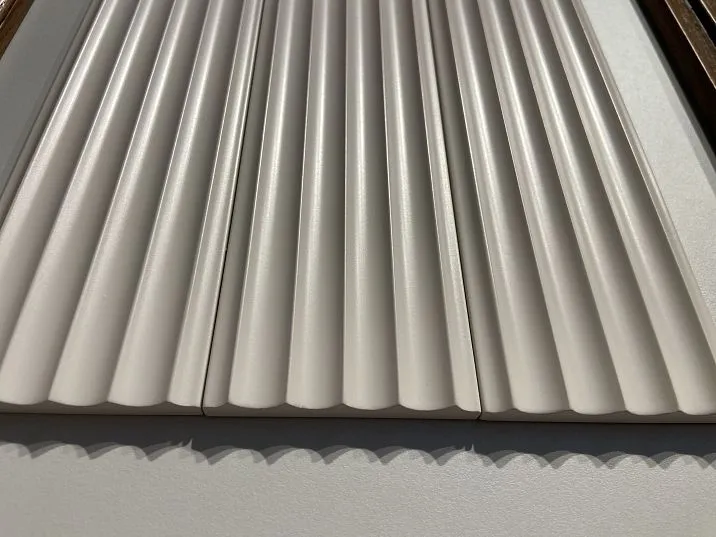
In today's world, where every interior element matters, wall and ceiling finishing plays a decisive role in shaping the overall atmosphere of the space. Natural materials continue to win the hearts of designers and homeowners, as they bring warmth, coziness, and natural beauty into the environment. One of the most popular solutions for interior finishing remains wooden siding. However, during its installation and subsequent decoration, a common question arises: how to neatly conceal joints, corners, and transitions between planes. It is precisely here that the wooden corner for siding comes into playwooden corner for sidingwhich becomes an indispensable element in finishing work.
In this article, we will consider all aspects related to wooden corners for siding: from their purpose and varieties to installation methods and design solutions. You will learn why a wooden corner is so important for neat finishing, how to properly choose the material, and what nuances to consider during installation. We will also discuss how to combine wooden corners with other decorative elements, and finally, provide recommendations for their maintenance to ensure your interior remains visually appealing for many years.



1. Why is a wooden corner needed for siding




1.1. Functional necessity
When installing wooden planks, especially at junctions of two planes (for example, wall-ceiling, wall-wall, or around window and door openings), gaps and cracks often form. Even with the most careful panel fitting, minor irregularities or unsightly joints may remain, spoiling the overall finish impression. It is precisely here thatwooden corner for sidingcomes into play:
● Hide technical gaps and plank joints.
● Provide additional protection against moisture and mechanical damage.
● Strengthen the structure, making it more reliable and durable.
Moreover, corner brackets serve as a kind of "seal" and decorative element, giving the room a finished look.
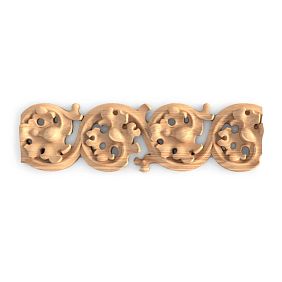
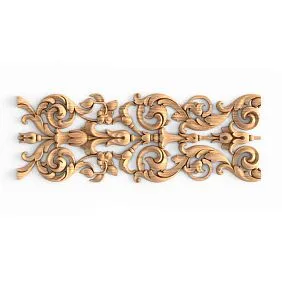
Our factory also produces:




1.2. Aesthetic Component
In addition to their functional purposes, wooden corner brackets play an important role in shaping the visual image of the interior. They help:
● Highlight or, conversely, conceal corner elements, making transitions between planes smooth and harmonious.
● Complement the overall style of the room: classic, Scandinavian, eco-style, country, etc.
● Create contrast between walls and decorative elements or, conversely, support a unified color and texture ensemble.
Thus, corner brackets become not just a "decorative strip," but a full-fledged interior detail that emphasizes the beauty of natural wood and adds coziness to the space.
2. Types of Wooden Corner Brackets and Their Features
Get Consultation
2.1. By Cross-Section Shape
Depending on the angle you plan to cover (internal or external), corner brackets are divided into several types:
- Internal Corner Bracket.
Used for decorating internal angles between two walls or between a wall and ceiling. Typically has a "Г" shape, allowing it to neatly "wrap" around the internal joint.
- External Corner Bracket.
Used for decorating external angles, for example, when transitioning from one plane to another at a right angle. External corner brackets may have various rounding radii, allowing for softening or, conversely, emphasizing the transition.
- Universal Corner Bracket.
Can be installed on both internal and external angles depending on the profile. Some models feature adjustable elements that adapt to the required angle.
2.2. By Profile and Design
In addition to functional shape, corner brackets differ by external profile and design features:
● Simple profile (rectangular).
Classic solution, where the bracket has straight sides without decorative elements. Ideal for minimalist interiors where form restraint is important.
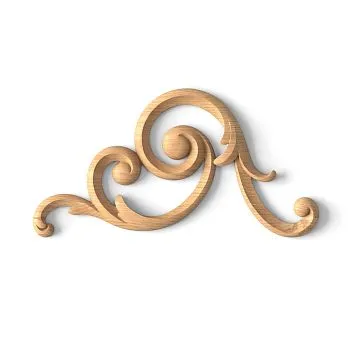
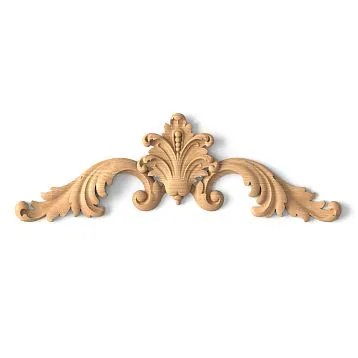
● Ornamental profile (with patterns, routed details).
Suitable for classic or vintage styles. Often used in saunas, country houses, country or Provence-style interiors.
● Rounded profile.
Distinguished by smooth edges, creating a softer transition and being safe if there are children in the house (absence of sharp corners reduces the risk of injury).
2.3. By Wood Species
Corner materials are usually selected to match the same wood species as the siding to ensure a unified style and color palette:
● Spruce.
The most affordable option, featuring a pleasant light-yellow hue. Requires additional protection against moisture and temperature fluctuations.
● Pine.
Similar to spruce in characteristics but has a more uniform structure and may have fewer resin pockets. Ideal for interior finishing in residential spaces.
● Larch.
A more expensive species, offering high resistance to moisture and biological effects. Suitable for saunas, steam rooms, and humid environments.
● Cedar.
Valued for its distinctive aroma and aesthetic appearance. Exhibits high resistance to rot and insects, making it ideal for humid areas.
● Oak.
A premium option with rich color and striking texture. Features exceptional strength and durability, justifying its higher cost.
Choosingwooden corner for sidingIt is important to consider the characteristics of the room (humidity, temperature fluctuations, usage intensity) and the overall interior design style.
3. Criteria for selecting corner profiles for siding
3.1. Compatibility with the main material
Main rule: the corner profile must harmonize with the siding in color, texture, and style. Ideally, both elements are made from the same wood species or at least have similar shades. In some cases, contrasting combinations are allowed, but they must be carefully designed from a design perspective to avoid disrupting the interior’s overall coherence.
3.2. Size and profile
When selecting the corner profile size, consider the width and depth of the siding, as well as the angle to be covered. A too narrow corner profile may fail to perform its function, leaving visible gaps, while an overly wide one may appear bulky and spoil the appearance.
Pay attention to the profile shape: for internal corners, profiles with straight or rounded edges are suitable, while for external corners, models with external router cuts or more substantial protrusions are preferred.
3.3. Quality of processing and grade
Like with siding itself, corner profiles can vary by grade. The highest grade ("Extra", "A") indicates minimal knots and defects, a smooth surface, and good geometry. Lower grades ("B", "C") allow for knots, resin spots, and minor cracks, which may affect the overall appearance and longevity of the product.
Also pay attention to the quality of processing: corner profiles should be smooth, free of burrs and chips. This not only enhances aesthetic appeal but also reduces the risk of splinters.
3.4. Protective coatings
Many manufacturers offer wooden corner profiles already coated with varnish, oil, or wax. Such products can be installed immediately without additional processing. If corner profiles are sold in "raw" form, you may choose a coating that best highlights the wood texture and protects it from moisture, mold, and insects.
4. Installation technology for wooden corner profiles
4.1. Preparation of the base
Before installingwooden corner for sidingIt is necessary to ensure that the siding itself is already properly and securely installed. All panels must be fastened to the framing or wall, and gaps should be minimized. If you plan to treat the corner profiles with protective coatings, do so in advance, allowing the material to dry according to the manufacturer’s recommendations.
4.2. Tools and fasteners
The following tools and materials are typically used for installing corner profiles:
● Tape measure and square for precise measurements.
Saw or electric jigsaw for trimming corners to length and at the desired angle.
Wood glue (for internal corners) or construction glue, if the corner is not planned to be dismantled in the future.
Decorative-headed screws or special nails with small heads that can be carefully driven flush into the wood.
Hammer or screwdriver, depending on the type of fastener.
4.3. Methods of mounting
- On glue.
The corner is attached to the siding and wall using special wood glue or universal construction glue. The advantage of this method is the absence of visible fasteners, which enhances aesthetics. The disadvantage is the difficulty of removal if needed.
- On screws or nails.
The corner is secured using nails or screws. The heads of the fasteners can be painted to match the wood tone or driven flush and covered with wood putty. This method ensures secure mounting and allows for careful removal.
- Combined method.
Combination of glue and fasteners (e.g., screws). This method is used when maximum strength is required or when decorating rooms with high humidity and temperature fluctuations.
4.4. Installation nuances for internal and external corners
● Internal corners.
It is important to carefully fit the corners to avoid gaps and seams. It is recommended to use a square and a level to ensure flatness and accuracy of installation.
● External corners.
When decorating external corners, the corners may be more noticeable, so it is important to pay attention to their aesthetics and shape. If the corner protrudes too much, it may look bulky and spoil the overall interior concept.
5. Design ideas and combinations
5.1. Unified color scheme or contrast
The most common option is to choose corners in the same color scheme as the siding to create a seamless surface effect. However, if you want to add a unique touch, you can use contrasting corners that highlight the corners and make them a focal point of the interior. For example, light siding with dark oak corners will look expressive and unusual.
5.2. Combination with other decorative elements
wooden corner for siding can be combined with other decorative elements: baseboards, cornices, moldings. It is important that all details are made in the same style and from similar wood species. This will help create a harmonious ensemble where each detail complements the overall picture.
5.3. Using corners in non-standard solutions
Corners can be used not only for their intended purpose. For example, they can be used to frame doorways, niches, arches, or even windows. Additionally, wooden corners can become elements of decorative panels or partitions if you enjoy creative experiments and want to emphasize your individuality.
6. Maintenance and operation
6.1. Regular cleaning
Like any wooden surface, corners require periodic cleaning from dust and dirt. Use a soft cloth or brush, avoid abrasive cleaners that may scratch the surface. If dirt is heavy, you can slightly dampen the cloth, but remember to dry the wood thoroughly to prevent excessive moisture.
6.2. Treatment with protective coatings
Wood is susceptible to moisture, ultraviolet light, and temperature fluctuations, so it is advisable to periodically renew protective coatings: varnish, oil, or wax. If corners are installed in rooms with high humidity (bath, sauna, bathroom), treatment will need to be done more frequently — every 1–2 years. In drier rooms, it is sufficient to renew the coating every 3–5 years.
6.3. Repair and replacement
If a corner is damaged (crack, chip), you can carefully fill the defect with special wood putty and reapply varnish or oil. In case of serious damage, it may be simpler to replace the entire element. If the corner was mounted using nails or screws, removal will not cause significant difficulties. However, if the corner was glued, you will need to carefully cut away the glue layer and install a new part.
7. Economic aspects and supplier selection
7.1. Pricing
Costwooden corner for siding depends on several factors:
- Wood species. Oak and larch will cost more than pine or spruce.
- Grade. Higher grades with minimal defects have a higher price.
- Processing and finishing. Corners already coated with varnish or oil will cost more than the "raw" option.
- Profile complexity. Decorative and figured profiles cost more than simple rectangular ones.
7.2. Choosing a reliable supplier
To ensure satisfaction with the purchase, it is important to find a reliable supplier who guarantees material quality and fair pricing. Pay attention to:
● Company reputation and experience. Study reviews, ask for recommendations from acquaintances who have already done similar renovations.
● Presence of quality certificates and warranties. This confirms that the material has undergone necessary inspections.
● Product range. A good supplier offers corners in various species, grades, and profiles, simplifying the selection of the optimal solution.
● Delivery and storage conditions. Ensure the product is stored under proper conditions (dry, ventilated warehouses) and delivered without damage.
7.3. How to save without compromising quality
● Purchase during discount season. Many companies hold promotions and sales, especially during off-seasons.
● Bulk purchases. If you are buying material for a large area, suppliers often offer discounts.
● Grade B or C. If appearance is not critical, you can choose cheaper options with knots and minor defects, which can look quite acceptable after proper processing.
8. Practical tips and recommendations
- Plan in advance.
Before starting the installation of siding, plan where the corners will be placed, what type and size they will need. This will save time and effort in the future.
- Check geometry.
When purchasing, ensure that the corners are straight, without warping or "propeller" shapes. Minor geometric defects can significantly spoil the appearance of the finished finish.
- Don't forget about ventilation.
If corners are installed in rooms with high humidity, provide gaps for air circulation and use antiseptic impregnations.
- Use templates for cutting.
When fitting corners to the required angle, especially if it is not 90°, use a template or angle gauge. This will help avoid errors and material waste.
- Carefulness is the key to success.
Pay attention to details, use a level, square, and quality fasteners. Poor fitting can negate all the advantages of natural wood.
Conclusion
wooden corner for siding — is an essential part of quality and aesthetically pleasing natural wood finishing. It performs several functions: conceals joints and gaps, reinforces the structure, protects corners from damage, and, of course, gives the interior a finished look. A properly selected and installed corner can highlight the advantages of siding, harmoniously blend into the environment, and delight the eye for many years.
When selecting corner pieces, consider the wood species, grade, profile shape, and protective coatings. Installation can be done using adhesive, self-tapping screws, or nails — depending on specific conditions and preferences. It is also important to remember proper care for wood: regular cleaning and periodic treatment with protective compounds, which will ensure the preservation of the attractive appearance and longevity of the product.
Wooden corner pieces are not only a functional element but also an important decorative detail that can either accentuate or delicately blend into the overall interior style. Choose corner pieces according to the room's overall concept, combine them with baseboards and other wooden elements, experiment with shapes and colors. This way, you can create a truly unique space where every detail reflects your taste and love for natural materials.
Let your home or dacha become a place where the warmth of wood and neat finishing create an atmosphere of calm and coziness. Andwooden corner for siding will be that finishing touch that makes the interior flawless, highlighting the beauty and naturalness of real wood.