Article Contents:
- Introduction: Advantages and Role of Wooden Ceiling
- 1. History and Evolution of Wooden Ceilings
- Traditional Technologies and Crafts
- Modern Technologies and Innovative Solutions
- Natural Wood: Primary Raw Material
- Main Types of Wood for Ceilings
- 3.1 Wooden Beam
- 3.2 Wooden Planks
- 3.3 Wooden Angles
- 3.4 Wooden Skirting Board
- 3.5 Wooden Cornice
- 3.6 Wooden Molding
- 3.7 Ceiling Skirting Board
- Base Preparation
- Installation of Elements
- Protective Treatment and Finishing
- Traditions in Modern Interpretation
- Minimalism and Modern Style
- Combining with other materials
- Ecological and energy efficiency
- Daily Maintenance
- Periodic treatment
- Repair and restoration
- Aesthetic appeal
- Ecological and health benefits
- Energy efficiency
- Durability and Ease of Maintenance
- Houses in Classic Style
- Modern Minimalist Solutions
- Eco-style and Natural Aesthetics
Wooden ceiling is not just an architectural decoration element, but a whole concept capable of bringing warmth, eco-friendliness, and unique natural charm into the interior. Natural wood has always enjoyed special demand due to its strength, durability, and unique texture. In this article, we will thoroughly examine modern materials for creating a wooden ceiling, paying attention to raw material selection, processing technologies, and installation, as well as decorative elements that highlight the interior’s individuality. In the process, we will touch upon key concepts such as %sWooden beam, Wooden rails, Wooden corners, Wooden baseboard, Wooden cornice, Wooden molding andCeiling skirting.





Introduction: Advantages and Role of Wooden Ceiling
A wooden ceiling is an important element of interior finishing that significantly influences the overall look of the interior. It can not only visually expand the space but also create a warm, cozy atmosphere, contributing to improved microclimate in the room. Natural wood 'breathes', regulates humidity, and its natural texture and shades give the interior individuality and exclusivity.
In modern life, where ecological materials and a preference for natural solutions are increasingly valued, a wooden ceiling has become one of the most sought-after elements of finishing. At the same time, modern technologies allow achieving high precision in processing, making the product not only beautiful but also functional, durable, and easy to maintain.




1. History and Evolution of Wooden Ceilings
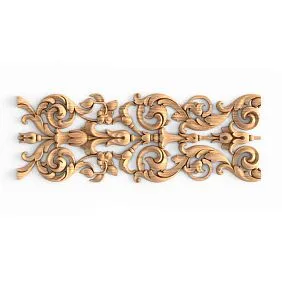
Our factory also produces:




Traditional Technologies and Crafts
Wood has always been the primary material in house construction. Traditional wooden ceilings used in Russian and European architecture were characterized by natural simplicity, functionality, and attention to detail. Wood carving, decorative ornaments, and the use of solid wood blocks became important elements of decorative finishing.
In traditional houses, wooden ceilings served not only an aesthetic but also a practical function. They helped retain heat during cold winter days and improved sound insulation in rooms. Masters of the past used manual labor and simple tools to create complex decorative patterns, giving ceilings a unique character.
Get Consultation
Modern Technologies and Innovative Solutions
With the development of digital technologies in the production of wooden ceilings, high-precision CNC machines, laser cutting, and computer modeling are now used. This has enabled achieving incredible precision in wood processing, creating products with perfectly smooth surfaces, complex decorative elements, and precise geometric shapes.
Innovative protective coatings — varnishes, oils, and waxes — help preserve the natural beauty of wood, protecting it from moisture, ultraviolet rays, and mechanical damage. Thus, modern wooden ceilings combine the best traditions of craftsmanship with the achievements of modern technology.
2. Selection of Materials for Wooden Ceiling
Natural Wood: Primary Raw Material
When selecting materials for a wooden ceiling, high-quality wood is essential, serving as the foundation for the entire product. Natural wood has numerous advantages:
● Ecological and safe: Natural wood contains no harmful substances, making it ideal for creating a healthy microclimate in the room.
● Strength and durability: Properly processed wood can serve for decades, maintaining its resistance to mechanical damage and deformation.
● Aesthetic value: The natural texture, grain, and shades of wood create a unique visual effect that cannot be replicated with synthetic materials.
Main Types of Wood for Ceilings
When manufacturing wooden ceilings, various types of wood are used:
● Oak: One of the strongest and most durable materials, with a rich texture and warm tone.
● Ash: Light and elastic, ideal for creating decorative panels.
● Beech: Known for its uniform structure and resistance to abrasion, making it ideal for interior finishes.
● Walnut: Valued for its unique patterns and deep color, giving ceilings a special elegance.
● Exotic species: Such as teak or mahogany, used to create exclusive solutions in luxury interiors.
3. Structural Elements and Details of Wooden Ceiling
To create a wooden ceiling, in addition to the main wood, various elements are used that ensure both structural stability and decorative finishing. Let's consider the main ones.
3.1 Wooden beam
Wooden beam — this is the main structural element often used to create ceiling joists. Beams provide strength and stability to the entire structure, evenly distributing loads from the upper covering. They are made from solid wood blocks and undergo careful drying and processing, ensuring their longevity.
During installation of a wooden ceiling, beams play a key role in forming the overall structure. They can be used to create a frame or as decorative elements if processed with special care and decorative coatings applied.
3.2 Wooden rails
Wooden planks are thin strips of wood used for ceiling cladding, creating decorative inserts, and forming complex patterned compositions. Planks can be smooth or have relief elements, allowing the ceiling's appearance to vary according to the designer's intent.
Thanks to modern cutting and sanding technologies, planks have an ideal flat surface and can be used to create both single-color and multi-colored compositions. Their versatility allows for diverse decorative schemes that give the ceiling a unique character.
3.3 Wooden corners
Wooden corners are elements that ensure precise and strong connections between various ceiling components. They are used to reinforce joints between planks, beams, and other structural elements. Corners serve not only a structural but also a decorative function, especially if they are finished using traditional craftsmanship, such as carving or inlay.
Proper use of corners prevents gaps and deformations, enhancing the overall stability of the structure. This is especially important under conditions of temperature and humidity changes, when wood tends to expand or contract.
3.4 Wooden baseboard
Wooden ceiling trim is a decorative element used to complete the finish and conceal technological seams between the main covering and other structural elements. It creates a neat transition and adds visual completeness to the entire space.
In modern interiors, wooden trim can be executed in various styles: from strict minimalist models to richly carved versions that highlight traditional craftsmanship. Trim also helps protect joints from dust and minor contaminants, making ceiling maintenance easier.
3.5 Wooden cornice
Wooden cornice is used in ceiling decoration to create decorative transitions, especially at the junctions between the ceiling and other interior elements, such as walls or decorative panels. It can serve as a base for attaching textile elements, such as decorative curtains or drapes, if the ceiling is used in a multifunctional space.
Wooden cornice adds additional depth and dynamism to the ceiling, visually expanding the space. It can be chosen as a simple profile or with intricate carving, depending on the overall style of the room.
3.6 Wooden molding
Wooden molding is a thin decorative element used to finish joints and edges, creating smooth lines and elegant transitions between different ceiling surfaces. Molding can have various patterns and profiles, allowing it to harmoniously fit both classic and modern interiors.
Using wooden molding highlights the natural beauty of wood, adding elegance and refinement to the entire ceiling. Such elements often become a true accent, drawing attention to decorative details and enhancing the overall design concept.
3.7 Ceiling skirting
Ceiling trim is a special type of trim used specifically for ceiling decoration. It helps conceal seams between the main covering and decorative elements, creating a finished and neat appearance. Ceiling trim can be made in various styles and forms, allowing it to match any interior concept.
4. Installation and Processing Technologies for Wooden Ceilings
Base Preparation
Proper preparation of the base is essential for successful installation of a wooden ceiling. First, ensure that the ceiling frame or foundation is level and stable. If using a framed technology, beams and planks are installed according to all technical standards, preventing deformations and ensuring the longevity of the structure.
Installing Components
Installing each component — whetherWooden beam, Wooden rails, Wooden corners, Wooden baseboard, Wooden cornice, Wooden molding orCeiling skirting— is carried out with maximum precision. Each element is secured using high-quality fasteners, ensuring reliable adhesion and long-term durability of the structure.
Protective Treatment and Finishing
After installation, the wooden ceiling undergoes final finishing. This may include:
● Applying varnish or oil-based coatings that highlight the natural beauty of wood.
● Using decorative compositions that allow for unique visual effects.
● Using special compositions for protection against moisture and ultraviolet rays, which is especially important for rooms with high humidity.
Modern technologies allow for even application of protective layers, ensuring long-lasting finish and preserving the original appearance of the material for many years.
5. Design Solutions and Modern Trends
Traditions in Modern Interpretation
or classic elements such as carvedWooden moldings or elegantwooden trim— which give the space authenticity and refinement. At the same time, modern technologies allow creating items with maximum precision, combining the best of both worlds — traditional craftsmanship and innovative production.
Minimalism and Modern Style
In the context of modern minimalist trends, wooden ceilings can appear sleek and stylish. Smooth surfaces, absence of unnecessary decorative elements, and emphasis on natural wood texture allow creating a clean and contemporary look. In such interiors, elements such asWooden rails andWooden beamsplay not only a functional decorative role but also create visual lines that highlight the simplicity and elegance of the design.
Combining with other materials
Modern interiors often involve the use of mixed materials. A wooden ceiling can harmoniously combine with glass, metal, or stone, creating unique contrasts and textural effects. For example, usingwooden corners in combination with metallic inserts or decorative panels made of natural stone can achieve an effect of luxury and exclusivity.
Ecological and Energy Efficiency
One of the key advantages of natural wood is its ecological nature. A wooden ceiling helps regulate humidity levels in the room, contributes to creating a favorable microclimate, and reduces energy consumption due to natural insulation. Eco-friendly finishes used for finishing do not contain harmful substances, making such solutions especially relevant in contexts of heightened concern for health and the environment.
6. Care for Wooden Ceiling
Daily Maintenance
To maintain the beauty and longevity of a wooden ceiling, regular care is required:
● Regular cleaning with a soft dry or slightly damp cloth helps remove dust and minor dirt.
● Avoid using aggressive cleaning agents that may damage the protective coating.
Periodic Treatment
Periodic renewal of the protective layer is an important aspect of care:
● Applying a new layer of varnish, oil, or wax restores the original wood luster and protects it from adverse effects.
● Pay special attention to corners and joints, where dirt accumulation is possible and where the protective coating may wear off more quickly.
Repair and restoration
Over time, even a well-treated wooden ceiling may require minor repairs:
● Minor scratches or scuffs can be addressed by sanding the affected areas and renewing the finish.
● Individual elements such asWooden beam orWooden railscan be replaced to maintain the overall harmony of the ceiling.
7. Advantages of Wooden Ceiling
Aesthetic appeal
A wooden ceiling brings a special warmth and coziness to the interior. Natural texture, variety of shades, and unique wood patterns make every space unique. Decorative elements such asWooden baseboard, Wooden cornice, Wooden molding andCeiling skirtingadd completeness to the space and emphasize the individuality of the design.
Ecological and Health
Using natural wood is a choice in favor of ecological sustainability. A wooden ceiling contributes to creating a healthy microclimate, regulating air humidity and reducing pollution levels. This is especially important for families with children and people striving for eco-friendly solutions.
Energy Efficiency
Due to its insulating properties, a wooden ceiling helps retain heat in the room. This allows reducing energy consumption for heating and air conditioning, which is an important factor in the context of continuously rising energy prices.
Durability and Ease of Maintenance
Modern wood processing technologies allow creating ceilings that serve for decades. With proper care, a wooden ceiling not only retains its original beauty but also remains functional and resistant to mechanical damage. Regular cleaning and periodic renewal of the protective coating ensure the longevity of the product.
8. Examples of Successful Projects
Homes in Classic Style
In interiors designed in classic style, a wooden ceiling can become a central decorative element. Rich wood texture, carved decorative elements, and decorative inserts such asWooden cornersoften adorn the space with grandeur and elegance. Such ceilings are frequently decorated with intricatewooden moldingswhich makes the interior truly unique.
Modern minimalist solutions
and wooden cornice, which create neat transitions and visual accents. In such projects, natural tones and minimal decorative intervention are preferred, allowing the purity and simplicity of the architectural solution to stand out.Wooden rails Eco-style and natural aesthetics
Eco-style and natural aesthetics
For those who strive for the most eco-friendly solutions, a wooden ceiling is an ideal choice. The use of natural wood combined with eco-friendly coatings allows creating an interior filled with natural harmony. Such ceilings are often combined with elements made of stone, glass, and metal, creating unique compositions in which the ceiling skirting and wooden beam serve as a finishing touch, emphasizing the unity of space.
9. Conclusion
Modern wooden ceilings are the perfect blend of traditional craftsmanship and advanced wood processing technologies. Natural wood, due to its eco-friendliness, aesthetic appeal, and thermal insulation properties, is an indispensable material for creating an interior that offers comfort, warmth, and harmony.
Using high-quality elements such as wooden beams, wooden planks, wooden angles, wooden skirting, wooden cornice, wooden molding, and ceiling skirting allows achieving a flawless result, where every detail contributes to the overall goal — creating a durable, eco-friendly, and stylish interior. Modern wood installation and processing technologies open up wide creative possibilities, enabling the realization of the most daring design ideas while preserving the warmth and naturalness of the material.
When choosing a wooden ceiling, it is important to consider all nuances — from the quality of the original wood to processing methods and installation specifics. The correct combination of structural elements and decorative details will create a harmonious space where natural wood plays the main role, giving the home an atmosphere of coziness and stability.
Let your choice of materials be guided not only by fashion trends but also by respect for traditions, for a wooden ceiling is not just a covering, but a part of living nature capable of breathing life into any room. Enjoy the beauty, durability, and ecological purity of natural wood, transforming your home into a work of art where every detail speaks of a commitment to quality and harmony.