Article Contents:
- Advantages of natural wood and its significance in interior design
- Aesthetic appeal
- Ecological purity and safety
- Strength and durability
- Thermal and acoustic insulation
- Raw material selection and wood species choice
- Modern drying and finishing methods
- Protective coatings and surface finishing
- Internal wall and ceiling finishing
- Floors and furniture
- Interiors in eco and loft styles
- Market analysis and supplier selection
- Wood species and their characteristics
- Processing and finishing technologies
- Economic component and budget calculation
- Regular Care and Prevention
- Preventive Inspection
- Long-term benefit
- Comparison with alternative materials
- Budget planning and supplier selection
- Conclusion
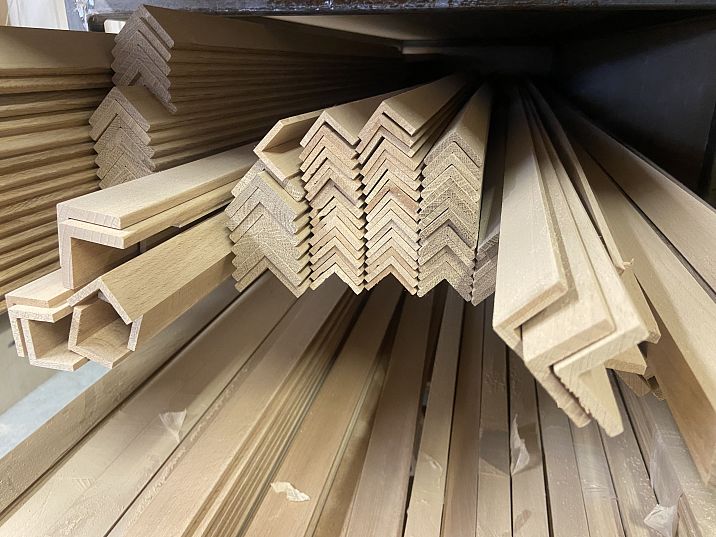
Natural wood has always occupied a special place in the world of design and construction. It embodies warmth, durability, and a unique aesthetic that transcends time. Today, more and more people strive to create interiors filled with natural harmony, and one of the main materials for this is solid wood. If you plan to renovate your home or build a new space, the decision to choose "buy solid wood" can become the starting point for creating a unique and eco-friendly interior.
In this article, we will thoroughly examine why you should pay attention to solid wood, what advantages it offers, and what factors to consider when purchasing. We will address questions regarding wood species selection, processing technologies, installation and maintenance specifics, as well as analyze the economic aspect of investing in natural wood. This article will serve as a detailed guide to the world of solid wood, helping you make an informed choice focused on quality and longevity.





Advantages of natural wood and its significance in interior design




Aesthetic appeal
Natural wood possesses a unique texture, an incomparable grain pattern, and natural tones that cannot be replicated with artificial materials. Solid wood is a single board that retains its entire natural beauty without gluing or processing multi-layer materials. Each plank tells its own story, adding exclusivity and individuality to the interior. When choosing the solution "buy solid woodyou are investing in a product that is not merely a construction material, but a true work of nature.
Our factory also produces:




Ecological purity and safety
In the context of continuously rising ecological requirements, natural wood has become one of the safest and most eco-friendly materials. Solid wood does not emit harmful substances, contains no toxins, and is a fully renewable resource. Its use is especially relevant for residential spaces, where concern for the health of occupants becomes a priority. Choosing natural wood ensures a favorable microclimate in the home and creates conditions for comfortable living.
Get Consultation
Strength and durability
Solid wood is distinguished by high strength and the ability to withstand significant mechanical loads. Unlike glued or engineered materials, solid boards retain their shape and are not prone to deformation with proper care. Properly processed natural wood can last for decades, remaining true to its original characteristics. This makes it an ideal choice for finishing both interior and exterior surfaces, where reliability and durability of the structure are crucial.
Thermal and acoustic insulation
Wood is an excellent insulator. Due to its dense structure, solid wood has high thermal insulation properties, helping to retain heat during cold seasons and ensuring a comfortable temperature indoors. In addition, natural wood effectively absorbs sound waves, reducing noise levels within the interior. These properties make it an indispensable material for creating a cozy and quiet atmosphere in the home, whether it’s a bedroom, living room, or children’s room.
Production technologies of solid wood
Raw material selection and wood species choice
The quality of solid wood begins with the selection of raw material. Various wood species are available on the market, each with its own unique characteristics:
● Oak. One of the most popular options for luxury finishing. Oak is characterized by high density, hardness, and beautiful texture, which gives the interior a sense of status and sophistication.
● Ash. Features a uniform texture and light tone, ideal for modern interiors in a minimalist style.
● Beech. Has a soft texture and warm tone, often used to create cozy and traditional interiors.
● Walnut. Considered a luxurious material due to its rich color palette and expressive texture, making it a popular choice for exclusive interiors.
When selecting a wood species, it is important to consider not only aesthetic preferences but also functional characteristics such as resistance to moisture, temperature fluctuations, and mechanical damage.
Modern drying and finishing methods
Quality solid wood requires proper drying. Modern technologies such as vacuum drying or infrared drying allow the wood’s moisture content to be reduced to an optimal level, preventing subsequent deformation and cracking. Drying plays a crucial role in the manufacturing process, as it directly affects the longevity and stability of the final product.
After drying, the wood undergoes mechanical processing. Modern computerized machines ensure precise cutting, sanding, and shaping of boards, guaranteeing uniformity and perfectly smooth surfaces. Accurate cutting allows achieving strict dimensions necessary for quality installation and creating aesthetically pleasing interiors.
Protective coatings and surface finishing
To preserve the natural beauty of wood and protect it from external factors, various finishing methods are used:
● Lacquering. Lacquer creates a shiny and smooth surface, highlighting the wood's texture and providing protection against moisture, ultraviolet radiation, and mechanical damage.
● Oil finish. Oil preserves the natural matte finish of wood, emphasizing its natural tones and textural features. This method allows the wood to "breathe," maintaining its natural structure.
● Combined finish. Combining lacquer and oil achieves an optimal balance between aesthetics and protection. This approach ensures durability and high resistance to wear.
The choice of finishing method depends on the final purpose of the item, interior style, and owner's preferences. Each technology has its advantages and allows highlighting the uniqueness of natural wood.
Use of solid wood in interior design
Interior wall and ceiling finishing
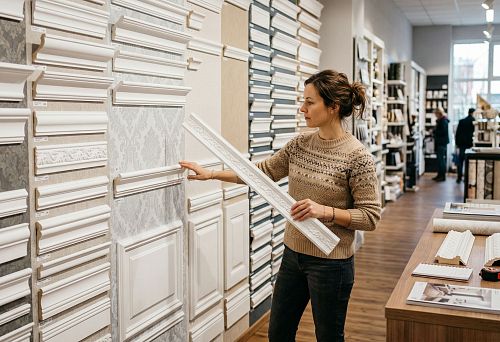
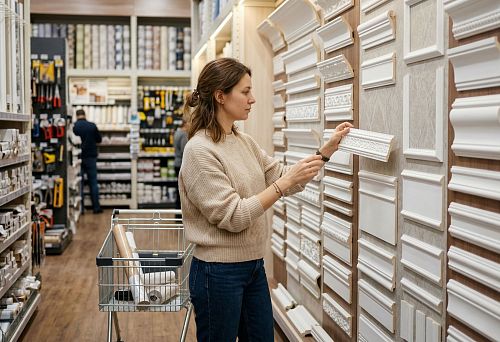
Solid wood is an ideal material for interior wall and ceiling finishing. It imparts a special warmth to the room, creating an effect of a single, monolithic surface, where each board becomes part of a complex composition. In classic interiors, solid wood is used to create striking claddings, cornices, and decorative panels. In modern interiors, it can serve as both a primary and accent element, adding naturalness and depth to the space.
Using solid wood for wall finishing not only achieves an aesthetic effect but also offers functional advantages. Thanks to its insulating properties, natural wood helps maintain optimal room temperature, and its sound insulation creates comfortable living conditions.
Floors and furniture
In addition to walls and ceilings, solid wood is widely used for making floors and furniture. Solid wood floors are characterized by high durability, longevity, and unique appearance. Natural wood used in flooring can create a cozy atmosphere, adding warmth and luxury to the interior.
Furniture made of solid wood are not just functional items, but true works of art. Each piece, whether a table, chair, or cabinet, possesses a unique texture and natural beauty. Such items last long and remain relevant even under modern design solutions.
Interiors in eco and loft styles
Eco-interior is a direction where priority is given to natural materials and eco-friendly technologies. Solid wood becomes the main accent here, emphasizing the connection with nature and creating a favorable atmosphere for living. In eco-interiors, not only solid panels but also decorative elements made of natural wood are often used, allowing to create a harmonious and cozy space.
In loft and industrial design styles, solid wood also finds its application. The combination of rough textures of concrete, metal, and natural wood allows creating a contrasting yet harmonious interior, where each detail emphasizes the individuality and uniqueness of the space.
How to properly choose and buy solid wood
Market analysis and supplier selection
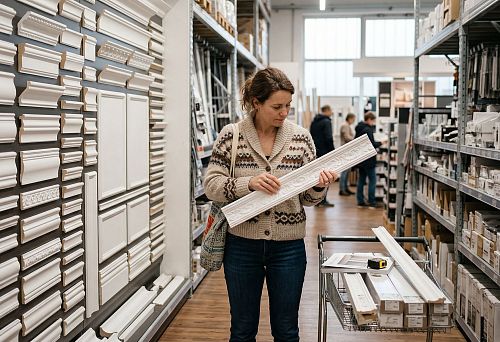
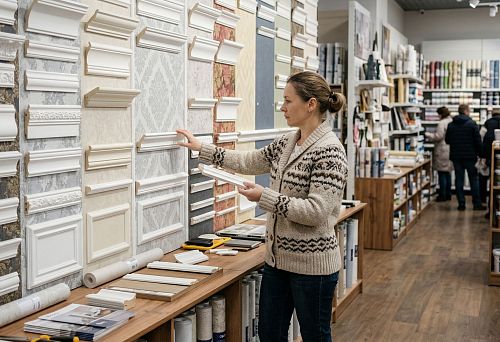
When deciding to purchase solid wood, it is important to conduct a thorough market analysis. There are many offers, and choosing a reliable supplier becomes a key point. Pay attention to the company's reputation, presence of quality certificates, customer reviews, and warranty obligations. Transparency in production and compliance with ecological standards are also important selection criteria.
One proven solution is to consult specialists who offer high-quality products. For example, you maybuy solid wood contact the manufacturer who guarantees the use of only premium raw materials, modern processing technologies, and strict quality control at every stage of production.
Species of wood and their characteristics
Choosing the species of wood is one of the key factors affecting the aesthetic and functional value of the item. Each species has its advantages:
● Oak – provides high strength, beautiful texture, and rich tones, ideal for luxury finishing.
● Ash – characterized by light color, uniform structure, and excellent stability, making it a popular choice for modern interiors.
● Beech – known for its softness and warm color, well-suited for creating cozy and traditional spaces.
● Walnut – has a unique color palette and elegant grain, making it preferred for exclusive projects.
When choosing a wood species, consider the operating conditions of the room, desired interior style, and personal preferences. High-quality solid wood is the result of careful selection of raw materials and adherence to all technological processes.
Processing and finishing technologies
As already mentioned, wood processing technologies play an important role in forming the final product. Modern methods allow achieving ideal smoothness, uniformity, and durability of the material. Pay attention to the following points:
● Use of modern machinery for precise cutting and sanding.
● Application of modern drying technologies that reduce moisture levels and prevent deformation.
● Selection of finishing method: lacquering, oil finish, or combined technologies that will provide protection and highlight the natural beauty of wood.
Economic component and budget calculation
When planning a budget, it is important to consider not only the price per square meter of solid wood, but also the costs of installation, processing, and subsequent maintenance of the material. Investments in high-quality natural products pay off through their longevity, aesthetic appeal, and ecological safety. Remember that saving on raw materials may lead to additional expenses for repairs and updates in the future.
Care for solid wood and its longevity
It's not just buying a finishing material, but a conscious investment in the quality, durability, and aesthetics of your home. Let every board, every texture, and every detail of your interior speak of high standards and respect for nature. Invest in natural wood, and it will surely repay you with timeless beauty and reliability, creating a unique space where comfort, tranquility, and harmony reign.
Regular care and prevention
To ensure solid wood retains its original properties and continues to delight you with its appearance, regular care is required. Following a few simple rules will help extend the lifespan of the finish:
● Cleaning. Regularly wipe the surface with a soft cloth, avoiding aggressive cleaning agents that may damage the protective coating.
● Reapplication of finish. Periodically perform light sanding and renew the varnish, oil, or paint to maintain the gloss and richness of color.
● Monitoring microclimate. Stable humidity and temperature levels in the room will help prevent deformation and shrinkage of the wood.
Preventive inspection
Periodically inspect the solid wood for signs of cracks, chips, or other damage. Early detection of minor defects allows for prompt repairs, significantly extending the material's service life. Proper care ensures that natural wood will continue to delight you with its appearance for decades.
Economic efficiency of investments in solid wood
Long-term benefit
Although initial costs for natural wood may be higher compared to synthetic materials, its longevity and ecological safety make these investments worthwhile. High-quality solid wood can serve for decades, maintaining its performance characteristics and aesthetic value. This allows savings on future repairs and updates, as well as creating an interior that remains relevant over time.
Comparison with Alternative Materials
When selecting finishing materials, you often need to compare natural wood with alternatives such as laminate, engineered wood, or decorative panels. Unlike these, solid wood offers several unique advantages:
● Natural texture and uniqueness. Each element of solid wood is a natural work of art that cannot be mechanically reproduced.
● Ecological purity. Natural wood is safe for health and does not require complex chemical treatments.
● Longevity. With proper care, solid wood will last significantly longer than alternative materials, retaining its properties even under intensive use.
Budget planning and supplier selection
Proper budget planning when purchasing solid wood requires accounting for all associated costs: material cost, installation, processing, and maintenance. Modern suppliers offer various options that allow you to find the optimal price-to-quality ratio. Pay attention to offers on the websitebuy solid wood – here you will find a wide range of products made according to modern standards and with quality guarantees. Investing in high-quality natural wood creates the foundation for an interior that will delight you for many years.
Conclusion
Choosing natural wood for interior finishing is a choice in favor of aesthetics, ecological purity, and longevity.buy solid wood – this solution is capable of transforming your home, bringing in unique warmth and natural beauty. Each board, each finishing element is part of living nature, creating an atmosphere of comfort, well-being, and harmony.
Natural wood not only decorates space but also contributes to creating a healthy microclimate, improves room acoustics, and retains heat. This is an investment in quality of life, longevity, and sustainability of your interior. When choosing solid wood, it is important to consider many factors: from wood species and processing technologies to installation methods and maintenance. Only a comprehensive approach allows achieving an ideal result and creating a space where every detail contributes to overall harmony.
Modern production technologies and strict quality control allow obtaining a product that will serve for decades, remaining an unchanged symbol of style and elegance. Investing in natural wood means you are not just getting a finish, but a true work of art that will delight the eye and inspire new achievements.
Thus, choosing the solution
– is not just purchasing a finishing material, but a conscious investment in the quality, longevity, and aesthetics of your home. May every board, every texture, and every detail of your interior speak of high standards and respect for nature. Invest in natural wood, and it will surely repay you with timeless beauty and reliability, creating a unique space where comfort, peace, and harmony reign.buy solid wood Solid wood is strength, eco-friendliness, and flawless geometry. Ideal for furniture, finishing, and design. Buy quality solid wood at a great price.