Article Contents:
- Natural Beauty and Exclusivity of Solid Wood
- Advantages of Using Solid Wood
- Ecological Safety
- Strength and durability
- Aesthetic Value and Style
- Thermal and acoustic insulation
- Raw Material Selection and Wood Drying
- Precision Cutting and Sanding
- Protective Coatings and Finishing
- Ecological aspects of production
- Classic Interior
- Modern minimalism
- Loft Style Interiors
- Eco-Interior
- Commercial and public interiors
- Foundation Preparation
- Marking and Planning
- Fastening and installation methods
- Final Finishing and Care
- Cost Calculation of Solid Wood
- Investing in Quality
- Living Spaces
- Commercial Buildings
- Public spaces
- Innovative Design Solutions
- Combination with other materials
- Influence of Natural Wood on Emotional Perception
- Ecological safety
- Preservation of Traditions and Craftsmanship
- Social Impact and Comfort
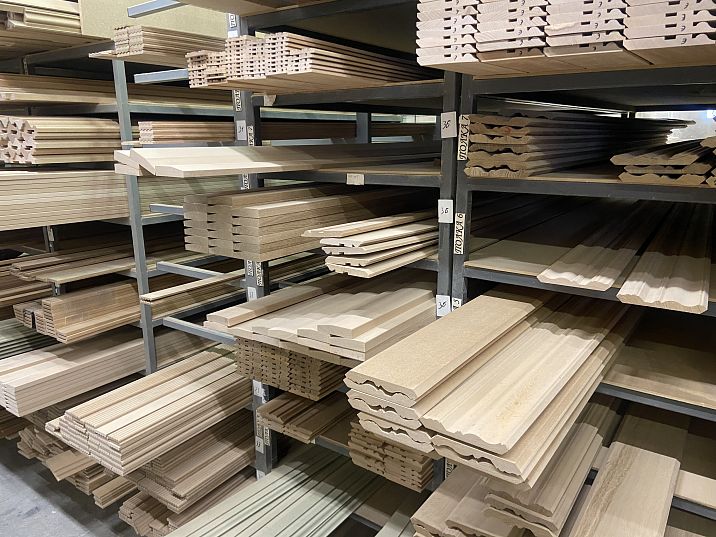
Natural wood has always inspired admiration for its warmth, strength, and unique beauty. One of the most prestigious and sought-after materials in modern interior finishing issolid woodThis material does not merely serve as a construction element—it becomes the central part of the design, embodying traditions and symbolizing ecological purity. In this article, we will thoroughly examine what makes solid wood distinctive, the advantages it offers, as well as the specifics of its processing, installation, and maintenance. We will analyze the impact of natural wood on the aesthetics of space, share practical recommendations, and confirm that choosing solid wood is not only an investment in beauty but also a wise investment in the longevity and comfort of your home.





Natural Beauty and Exclusivity of Solid Wood
Solid wood is a single, uncut piece made from natural wood, preserving its entire structure, texture, and strength. Unlike other materials such as laminate or engineered boards, solid wood possesses unique characteristics that cannot be replicated artificially. Each board, each textural detail is the result of nature’s long evolution and the labor of craftsmen who pass down the secrets of wood processing from generation to generation.
Natural tones and unique wood grain patterns create an effect of individuality: no surface will be identical to another, making the interior exclusive and unique. At the same time, solid wood is capable of creating an atmosphere of coziness and warmth, transforming any room into a true work of art.




Advantages of Using Solid Wood
Our factory also produces:




Ecological and safety
One of the key advantagessolid wood is its ecological purity. Natural wood does not emit harmful substances and contains no synthetic additives, which is especially important for living spaces, where concern for the health of occupants is paramount. Wood has the ability to regulate humidity, creating a favorable microclimate, which helps maintain comfort and health in the home.
Get Consultation
Strength and durability
Solid wood is characterized by high strength, the ability to withstand significant loads, and resistance to wear. Under proper care and adherence to installation technologies, solid wood products can last for decades, retaining their original properties. The high density and structure of the material ensure that it is not susceptible to deformation, shrinkage, or cracking, which is an important factor in creating reliable and long-lasting finishes.
Aesthetic Value and Style
Natural wood is always associated with luxury and prestige.solid wood It gives interiors a unique atmosphere, creating a sense of warmth, harmony, and refined elegance. The richness of textures and variety of shades allow it to be used both in classic and modern interiors. From the strict lines of minimalism to complex decorative compositions in the country style — solid wood can satisfy the most demanding design requirements.
Thermal and acoustic insulation
Due to its dense structure, solid wood has high thermal insulation properties, allowing it to maintain a comfortable temperature in the room even during cold weather. In addition, wood is an effective sound insulator, reducing noise levels and creating pleasant acoustic conditions in residential and commercial spaces. These characteristics contribute to energy savings, as heating and air conditioning costs are reduced.
Production and processing technologies for solid wood
Raw material selection and wood drying
The quality of solid wood begins with the selection of raw material. Only premium wood species, such as oak, beech, ash, walnut, and others, are used for production. Each species has its own unique physical and aesthetic characteristics, allowing the optimal solution to be selected for a specific interior. Before further processing, the wood undergoes prolonged drying, which reduces moisture to an optimal level and minimizes the risk of deformation in the future. Modern drying methods, such as vacuum and infrared drying, ensure even moisture distribution and preserve the natural texture of the material.
Precise cutting and sanding
After drying, the wood proceeds to a stage of strict mechanical processing. Modern computerized machines ensure precise cutting, allowing for the ideal shape and dimensions of each board. Accurate sanding is an essential part of the process, as it removes irregularities and gives the surface smoothness, preparing the material for further finishing. It is precisely this careful processing that guarantees the solid wood will have a flawless appearance and high operational reliability.
Protective Finishes and Finishing
To preserve the natural beauty and protect the wood from moisture, ultraviolet radiation, and mechanical damage, solid wood is coated with special protective finishes. There are several finishing technologies:
● Lacquering. Lacquer creates a glossy, smooth surface that highlights the wood's texture and provides high resistance to wear.
● Oil finish. Oil enhances the natural tones and patterns of the wood, giving it a warm matte appearance. This method of treatment preserves the material's "breathable" properties and allows the wood to naturally respond to climate changes.
● Combined treatment. Sometimes a combination of lacquer and oil is used, allowing for the maximum balance between protection and aesthetics.
Each of these methods has its advantages, and the choice depends on the desired final effect, operating conditions, and the owner's personal preferences.
Ecological aspects of production
Modern solid wood production technologies are oriented towards ecological purity and product safety. Only environmentally safe compositions and materials are used in manufacturing, which allows maintaining user health and minimizing environmental impact. Manufacturers certify their products according to international standards, guaranteeing high quality and reliability of the products.
Application of solid wood in interior design
Classic Interior
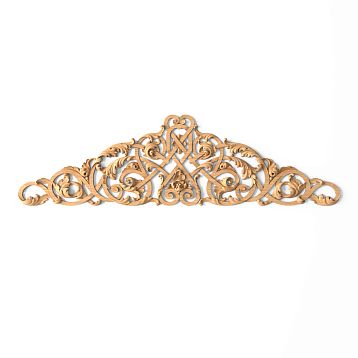
In classic interiors, solid wood is a symbol of traditions and refined elegance. Large wooden panels covered with natural wood create a sense of grandeur and durability. Often, oak or walnut is used, which give the interior rich, warm tones and an exquisite texture. Classic style implies the presence of complex decorative elements, carved moldings, and trim, making the use of solid wood especially effective.
Modern minimalism
In modern interiors designed in a minimalist style, the main emphasis is placed on clean lines and simplicity of forms. However, even in such a minimalist space, solid wood can add warmth and natural texture. Here, light wood species such as birch or beech are often used, which visually expand the space and give it a fresh feel. Natural material becomes the only element that introduces nature and warmth into the interior.
Loft-style interiors
Loft style is characterized by the combination of industrial elements and natural materials. In such interiors, solid wood is used to create a contrast between cold metallic surfaces and warm wooden panels. This approach achieves an interesting effect — industrial rigidity combines with coziness and a home-like atmosphere. Special attention is paid to the material's texture: imperfect lines, seams, and natural wood tones become decorative elements, giving the interior a unique character.
Eco-interiors
Eco-interior is a concept in which priority is given to natural materials, ecological purity, and harmony with nature. Solid wood becomes the main element here, emphasizing the connection with nature. In such spaces, not only solid wood but also elements of live plants, stone, or ceramic details are often used, creating a unique atmosphere of well-being and harmony. Natural colors and textures of wood contribute to creating a calm, soothing space that positively affects the psycho-emotional state of the inhabitants.
Commercial and public interiors
Not only residential spaces can benefit from using solid wood. In restaurants, cafes, offices, and other commercial spaces, natural wood helps create an atmosphere of coziness, exclusivity, and high aesthetic value. Here, solid wood is often used to decorate walls, ceilings, countertops, and other interior elements. Due to its strength and durability, such solutions are economically justified, as they minimize the need for frequent repairs and updates to finishes.
Practical tips for installing and caring for solid wood
Preparation of the Base
Proper surface preparation is the key to successful installation of solid wood. Walls to which the finish will be applied must be thoroughly cleaned, leveled, and dried. Irregularities, cracks, or dust may negatively affect the adhesion of wood, so they must be eliminated using putty and sanding. A prepared surface ensures reliable material bonding and even distribution of fasteners.
Marking and planning
Before starting installation, it is important to accurately mark the surface. Use a level, tape measure, and laser tools to achieve maximum precision. This is especially important for creating neat seams between boards, which is a critical element in the finish's aesthetics. Proper planning will help avoid mistakes and ensure perfect alignment of each panel, ultimately affecting the overall visual perception of the interior.
Fastening and Installation Methods
There are several methods of attaching solid wood to the base:
● Mechanical fastening. Using screws, nails, or mounting brackets allows for secure fixation of boards. It is important to choose fasteners that do not damage the wood and remain inconspicuous after completion of work.
● Gluing. Using special adhesive compositions provides a smoother and more seamless surface, eliminating visible fasteners. This method requires a longer drying time but allows achieving an ideal result without compromising aesthetics.
The choice of fastening method depends on the type of base, board thickness, and structural features. It is important that all elements are fastened evenly and according to technical norms, ensuring the long-term durability and reliability of the structure.
Final finishing and maintenance
After installing the wooden panel, final finishing is required. This may include sanding, polishing, and applying a protective coating (varnish, oil, or paint). Final finishing not only improves the appearance of the finish but also protects the material from moisture, ultraviolet rays, and mechanical damage.
To preserve the original look of natural wood, regular care is required:
● Cleaning. Wipe the surface with a soft cloth, avoiding aggressive cleaning agents that may damage the protective coating.
● Reapplication of coating. Over time, the varnish or oil should be renewed to maintain the gloss, color saturation, and protective properties of the wood.
● Microclimate control. Maintaining a stable level of humidity and temperature helps prevent deformation, cracking, and shrinkage of the material.
Economic efficiency and budget planning
Calculating the cost of wooden paneling
When selecting wooden paneling for interior finishing, numerous factors affecting the final price must be considered. The cost of the product depends on the type of wood, processing technology, dimensions, profile complexity, and purchase volume. To optimize costs, it is recommended to conduct a thorough market analysis and compare offers from different manufacturers.
Key points:
● Raw material quality. Premium wood and advanced processing methods ensure the longevity and aesthetic appeal of the product, which may justify a higher initial cost.
● Order volume. Large purchases may qualify for discounts and special offers, reducing the product's cost.
● Regional specifics. Logistics and regional taxes may also affect the final price. When planning the budget, it is important to consider all these nuances.
Investments in quality
Natural wood is not just a material, but an investment in health, comfort, and aesthetic value of your home. High-quality wooden paneling can serve for decades without requiring frequent repairs or updates. Although initial costs may be higher, the long-term benefits of using an eco-friendly, durable, and beautiful material make the choice obvious.
When preparing a budget, attention should be paid not only to the price per unit of product, but also to the cost of installation, maintenance, and possible adjustments. Proper combination of all these factors allows creating an optimal solution that will please the eye and serve faithfully for many years.
Examples of wooden paneling applications in various interiors
Residential Spaces
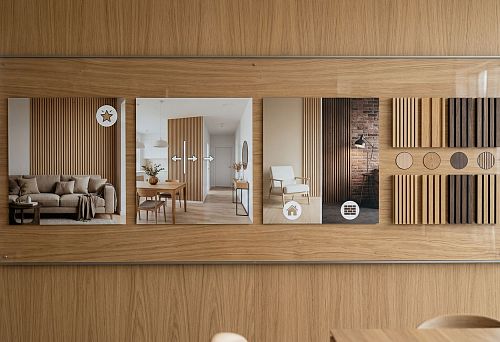
In modern apartments and country houses, wooden paneling is used to create a warm, cozy atmosphere. Properly executed wall paneling gives the room a natural elegance, helping to create a sense of comfort and home warmth. Natural wood, with its unique texture and natural tones, becomes a central decorative element, unifying all interior elements into a harmonious space.
Commercial spaces
In offices, restaurants, and cafes, wooden paneling is used to create an atmosphere of exclusivity and elegance. The natural texture and rich tones of wood contribute to forming a unique style that highlights the status of the establishment. Quality paneling not only improves room acoustics but also creates a favorable microclimate, which is especially important for the comfort of employees and visitors.
Public spaces
In museums, exhibition halls, and other public buildings, the use of wooden paneling helps create an atmosphere of cultural richness and historical depth. Natural wood can emphasize the uniqueness of exhibits, creating an effect of 'living history,' where every detail tells about the traditions and craftsmanship of artisans.
Creative potential and design possibilities
Innovative design solutions
Modern designers actively experiment with wooden paneling, creating unique interior solutions. Due to the versatility of the material, paneling can be used not only for wall finishing but also for creating decorative elements — columns, partitions, ceiling structures, and even furniture. Such multifunctional use allows integrating natural wood into any design, highlighting the uniqueness of the space and bringing warmth and coziness to it.
Combination with other materials
One of the key advantages of wooden paneling is its ability to harmoniously combine with other materials. Metal, glass, stone, ceramic — all of these can be successfully integrated into the overall interior, creating unique compositions. For example, combining solid wood with smooth glass can add a modern touch, while combining with stone emphasizes the naturalness and durability of the structure. Such a creative approach allows creating interiors where every detail contributes to forming a unified aesthetic image.
The influence of natural wood on emotional perception
Natural wood has a special ability to evoke feelings of calm, coziness, and harmony in people. Thanks to its warm texture and natural tones, wooden paneling creates an atmosphere where one can easily forget about the hustle of the outside world. This is especially important in urban life, where the desire for peace and natural harmony has become one of the main needs of modern people.
Ecological and social significance of using natural wood
Ecological Safety
Choosing a natural material such assolid woodmeans caring for the environment. Unlike synthetic materials, wood is a renewable resource, and modern production methods minimize waste and negative impact on nature. Moreover, natural wood does not contain harmful chemicals, making it safe for health and contributing to creating a favorable microclimate in residential and public spaces.
Preservation of traditions and craftsmanship
Using wooden paneling is a tribute to centuries-old traditions and the art of working with natural materials. Woodworkers pass on their knowledge from generation to generation, preserving unique methods of carving, sanding, and finishing that make each product one-of-a-kind. This approach not only contributes to preserving cultural heritage but also stimulates the development of craft traditions in the context of modern industrialization.
Social impact and comfort
Natural wood has a positive effect on a person's psycho-emotional state. In rooms finished with solid wood, stress levels decrease, mood improves, and overall quality of life increases. These aspects are especially important in modern conditions, when the balance between work and personal life becomes increasingly critical. Choosing eco-friendly and natural materials, we create a space conducive to the health and well-being of its inhabitants.
Conclusion
solid wood Solid wood is not just a material for interior finishing, but true art embodied in natural wood. Its unique beauty, durability, ecological safety, and ability to create a cozy atmosphere make it an indispensable element in modern interior design. From classic solutions to the most contemporary concepts — solid wood can satisfy the most demanding requirements, giving each space individuality and style.
Choosing solid wood means betting on quality, durability, and natural harmony. This is an investment not only in the beauty of your home, but also in the health and comfort of your family. Modern wood processing and protection technologies allow achieving the perfect balance between aesthetics and functionality, ensuring the preservation of the material's original beauty for many years.
Correct installation, careful preparation of the base, use of high-quality fasteners, and regular maintenance — all these stages play a key role in creating a flawless interior, where every detail is thought out to the smallest detail. Thanks to this, solid wood becomes a central element, unifying the space and creating a sense of harmony and unity.
Let your home be filled with warmth, light, and natural beauty, and every interior detail should speak of high quality, craftsmanship traditions, and care for the future. Natural wood will always remain a relevant material, capable of offering the feeling of coziness and tranquility so necessary in the modern world.
Thus, choosingsolid wood for interior finishing — is a sensible solution combining aesthetics, functionality, and ecological purity. It is a material capable of transforming space, making it alive, warm, and unique. Investments in natural wood pay off many times over: it not only pleases the eye but also creates a healthy, comfortable environment for living and creativity.
Let your home become a reflection of your individuality, where every element is crafted with attention to detail and respect for nature. Create an interior that inspires you every day, where natural wood becomes a symbol of warmth, reliability, and timeless beauty. For such spaces bring joy, tranquility, and the feeling of true coziness.
Naturalsolid wood — is a choice for those who value quality, traditions, and strive to create a unique, harmonious space where every detail matters. Let your home become a place where nature meets modernity, and every touch of natural wood reminds you of the greatness and beauty of the world surrounding us.