Article Contents:
- Ancient traditions in modern embodiment
- Wood species: the master's choice
- Creation techniques: from sketch to masterpiece
- Stylistic directions
- Functional capabilities in interior
- Processing technologies and finishing
- Bas-reliefs in various interior styles
- Placement and compositional solutions
- Care and Preservation
- Bas-relief as an investment
- Conclusion
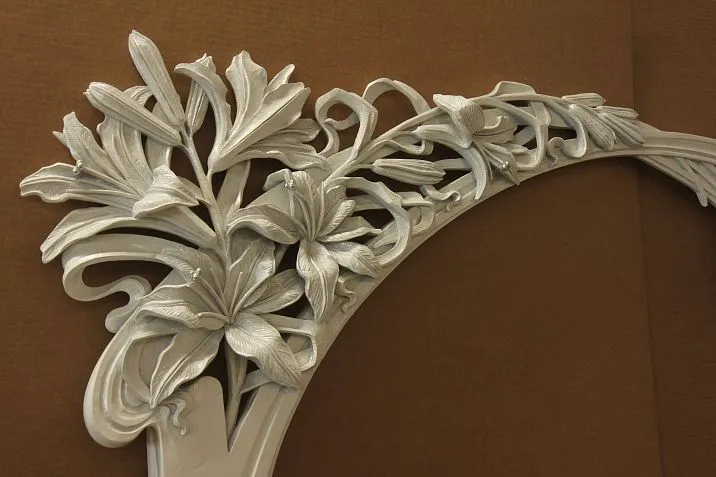
Grand art bas-relief wood It returns to our homes, bringing with it the breath of history and the unique charm of handcraft. In the era of mass production, wooden bas-reliefs become a true oasis of individuality — they are like bridges between the past and the future, connecting traditional craftsmanship with modern design solutions.
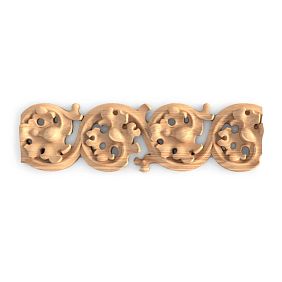
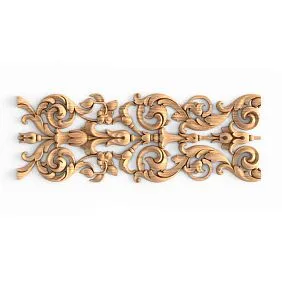
What does this amazing decorative element represent? A wooden bas-relief is a sculptural image created using low-relief technique, where figures protrude from the base surface no more than half their volume. The French term 'bas-relief' literally means 'low relief,' but behind this simplicity lies an entire universe of artistic possibilities.





Ancient traditions in modern embodiment
Wood carving art spans millennia, but today we witness its true renaissance. Modern master carpenters do not merely reproduce classical samples — they reinterpret traditional techniques, creating works that seamlessly fit into the concept of modern homes.
Wooden bas-reliefs possess a unique ability to transform space. They not only add visual depth but also impart a special energy of living material. Wood 'breathes,' changes over time, and develops a noble patina — qualities impossible to replicate with artificial materials.




Wood species: the master's choice
Choosing a wood species for creating a bas-relief is not merely a technical decision — it is a creative act that determines the character of the future artwork. Each species possesses unique properties that an experienced master utilizes to achieve a specific artistic effect.
Oak — the king among wood species for bas-relief carving. Its dense structure allows creating the finest details that retain clarity for decades. The noble gray-brown tone of oak lends the piece solidity and respectability, making it an ideal choice for classical interiors.
Linden presents the opposite of oak in terms of processing. Its soft, pliable wood allows creating smooth, organic forms. The light tone of linden is especially prized when creating bas-reliefs with botanical motifs — leaves, flowers, branches seem to come alive under the master's chisel.
Walnut — a choice for those who appreciate exotic beauty. The contrasting transitions from light sapwood to dark heartwood create natural play of light and shadow, complementing the bas-relief image. Various walnut species — from classic hazelnut to exotic black — open boundless possibilities for color solutions.
Birch — a democratic, yet no less expressive material. Its light, almost white wood serves as an ideal background for contrasting toning and patination. Birch bas-reliefs often become the basis for subsequent artistic painting.
Our factory also produces:




Creation techniques: from sketch to masterpiece
The process of creating a wooden bas-relief is a complex, multi-stage endeavor requiring not only technical skill but also artistic vision. Each stage has its own characteristics and demands a specific approach.
It all begins with a sketch — the initial draft that determines the composition and style of the future artwork. Experienced masters create several sketch variants, experimenting with perspectives, proportions, and detailing. At this stage, it is important to consider not only the artistic aspect but also the technical capabilities of the chosen wood species.
The next stage is preparing the wooden base. The board must be carefully dried, leveled, and cleaned of knots and other defects. The quality of the base directly affects the longevity of the artwork and the clarity of the carving.
Transferring the sketch onto wood requires special precision. Masters use various techniques — from simple tracing through tracing paper to projecting the image. It is important not only to accurately transfer contours but also to correctly distribute the depth of carving across the entire surface.
The carving itself is the quintessence of craftsmanship. It begins with general forms, gradually moving to details. Each cut must be carefully planned, as correcting an error in wood is much more difficult than in other materials. The master works with various tools — from rough planes to delicate chisels — creating a complex interplay of planes and volumes.
Get Consultation
Stylistic directions
Modern wooden bas-reliefs They are not limited to historical styles — they represent a synthesis of traditions and innovative ideas. Each direction has its own distinctive features and area of application.
The classical style remains timeless. Reliefs in this style feature strict composition, clear lines, traditional motifs. Images of ancient gods, historical figures, heraldic symbols are especially popular. Such works are ideally suited for offices, libraries, and reception rooms.
Modernism brought a new aesthetic to relief art — smooth, flowing forms, plant ornaments, symbolic imagery. Modernist reliefs often depict stylized flowers, female figures, natural motifs. They fit beautifully into country house interiors, creating an atmosphere of coziness and harmony with nature.
The ethnic style opens up boundless creative possibilities. Masters draw inspiration from traditional cultures of various peoples — from Celtic patterns to African masks, from Japanese landscapes to Native American totems. Such reliefs become not just decorative elements, but also unique windows into other cultures.
Modern minimalism offers a completely different approach. Concise forms, clear geometry, minimal detail — reliefs in this style emphasize the beauty of the material itself, the play of light and shadow, the purity of lines. They are ideally suited for modern interiors in high-tech or Scandinavian styles.
Avant-garde directions allow artists to experiment with form and content. Abstract compositions, non-standard processing techniques, combining different wood species — all this creates works that become central elements of modern interiors.
Functional possibilities in interior design
Wooden reliefs are not only works of art, but also functional interior elements. They are capable of solving numerous design tasks, from simple decoration to radical transformation of space.
Accenting zones — one of the main functions of reliefs in modern interiors. Placed above a fireplace, behind a bed headboard, or in a dining area, a relief immediately draws attention, creating a focal point in the room. The right choice of size and style of the piece can visually increase ceiling height or expand a narrow space.
Space zoning — another important function. Large reliefs or compositions of multiple elements can serve as decorative partitions, dividing a single space into functional zones without using walls or screens.
Masking imperfections — a practical function often underestimated. A relief can hide wall irregularities, mask utilities, divert attention from poor room proportions. In doing so, it does not merely conceal flaws, but transforms them into advantages, creating a unique design element.
Improved acoustics — an unexpected but important function. The textured surface of wood helps disperse sound waves, improving the acoustic properties of a room. This is especially important in music rooms, home theaters, and conference rooms.
Processing technologies and finishing
Modern technologies have significantly expanded the possibilities for processing wooden reliefs. Alongside traditional methods, masters use innovative approaches that allow achieving new artistic effects.
Thermal treatment imparts wood with special properties. Controlled exposure to high temperatures alters the wood’s structure, making it more stable, resistant to moisture and insects. Additionally, thermal treatment creates beautiful color transitions — from golden hues to deep chocolate tones.
Patination — a technique of artificial aging that gives the piece an elegant antique appearance. Masters use various compositions — from natural dyes to special chemical agents — to create an effect of long-term patina.
Toning and varnishing protect the piece from external influences and highlight the natural beauty of wood. Modern compositions not only protect but also enhance the expressiveness of the texture, make colors more saturated, and create various visual effects — from matte elegance to glossy sheen.
Inlay — an ancient technique that has received new development. Masters use contrasting wood species, metal inserts, natural stones to create complex polychrome compositions. Modern adhesives and processing technologies allow creating inlays that do not compromise on strength compared to the main material.
Reliefs in various interior styles
The versatility of wooden reliefs is demonstrated by their ability to seamlessly fit into various stylistic directions. Each style imposes its own requirements on form, size, and color solution, but an experienced designer will always find the right option.
A classical interior is traditionally considered the ideal environment for reliefs. Here, complex multi-figure compositions, historical scenes, heraldic motifs are appropriate. Preference is given to dark wood species — oak, mahogany, walnut. Reliefs are placed in formal rooms — living rooms, dining rooms, offices.
Baroque and Rococo require a special approach. The opulence and decorative nature of these styles are reflected in the abundance of details, complexity of compositions, and richness of finishes. Reliefs are often gilded, use contrasting inlays, and create complex chiaroscuro effects.
Modernism opens up new creative opportunities. Smooth lines, plant motifs, symbolic imagery — all of this is reflected in reliefs of this style. Especially popular are images of irises, lilies, female figures in flowing garments.
Country and rustic styles prefer simplicity and naturalness. Reliefs in these styles often depict rural motifs — domestic animals, scenes of rural life, landscapes. Preference is given to light-colored woods with clearly visible texture.
Scandinavian style values simplicity and functionality. Reliefs in this style are characterized by simple forms, clear lines, natural colors. Abstract compositions, stylized natural motifs, geometric patterns are popular.
Loft presents an interesting challenge for designers. The industrial aesthetic of this style at first glance does not harmonize with traditional reliefs, but skillful use of contrasts creates unexpected and effective solutions. Roughly processed reliefs, non-standard sizes, unusual materials — all of this helps create a unique interior.
Placement and compositional solutions
Correct placement of a relief in interior design is an art requiring understanding of composition principles, proportions, and lighting effects. Poorly placed even the most perfect relief can spoil the entire interior, while proper placement can turn a simple piece into a central decorative element.
The height of placement is a critically important factor. The center of the relief should be at eye level for an average person — approximately 150-160 cm from the floor. This ensures the optimal viewing angle and allows full appreciation of all details of the work. Exceptions are reliefs intended for viewing from below or above — for example, placed above a fireplace or under the ceiling.
Lighting plays a decisive role in the perception of a relief. Relief imagery lives through the interplay of light and shadow, so light sources should be positioned to emphasize, not diminish, the three-dimensionality of the image. The ideal option is side lighting at a 30-45 degree angle, creating sharp shadows and highlighting all details of the relief.
The background wall should contrast with the color and texture of the relief. A light relief looks better on a dark background, while a dark relief suits a light background. It is important to avoid overly active backgrounds — colorful wallpapers, bright paints, complex textures that may compete with the relief for the viewer's attention.
Surrounding elements should complement, not compete with, the relief. Furniture, decorative items, and other artworks should be selected to create a harmonious composition without diverting attention from the main element.
Care and Maintenance
Wooden reliefs are not only works of art but also items requiring specific care. Proper maintenance ensures the longevity of the piece and preserves its original beauty.
Protection from moisture is the top priority. Wood is sensitive to humidity changes, so reliefs should not be placed near sources of moisture — bathrooms, kitchens, pools. The optimal air humidity is 40-60%. Humidifiers or dehumidifiers may be used if necessary.
Temperature regulation is also crucial for preserving the item. Sudden temperature fluctuations can cause wood to crack, so reliefs should not be placed near heating appliances, fireplaces, or direct sunlight.
Regular cleaning should be performed using gentle methods. Dust is removed with a soft dry brush or special cloth. Wet cleaning is only permissible if the item has a quality protective coating and only after consultation with the artisan.
Periodic renewal of the coating is necessary to maintain protective properties and the appearance of the item. The frequency of renewal depends on usage conditions, but typically every 3-5 years. Restoration work should be performed only by specialists.
Relief as an investment
In the modern world, wooden reliefs are increasingly viewed not only as decorative elements but also as investment objects. High-quality pieces crafted by master artisans tend to increase in value, especially if they are unique or limited editions.
Works by renowned masters hold special value. As in any art form, the author's reputation plays a crucial role in determining the item's value. New collectors often focus on young, talented artists whose works are still available at reasonable prices.
Some reliefs hold historical value, making them especially attractive to collectors. Items associated with specific historical events, famous personalities, or lost techniques may be worth significantly more than their artistic counterparts.
Material rarity is another factor influencing investment appeal. Reliefs made from exotic or endangered wood species — especially those using historically significant materials — are of particular interest to collectors.
Conclusion
Art of wooden relief wood continues to evolve, finding new forms of expression and applications. In a world of mass production and digital technologies, it remains an island of authentic craftsmanship, where each piece is handmade, imbued with soul, and crafted with individual attention.
Modern masters do not merely preserve ancient traditions — they develop them, adapting them to the needs of contemporary people. New processing technologies, innovative materials, and unconventional design solutions — all allow for creating works that seamlessly fit into 21st-century interiors without losing their connection to centuries-old craftsmanship.
Choosing a wooden relief for your home is not only an investment in interior beauty but also in a piece of living history. Each piece carries the imprint of the artisan’s personality, the characteristics of the chosen wood species, and the spirit of the era in which it was created. This makes every relief a unique artwork, without exact copies.
In modern interiors, a wooden relief performs multiple functions — from purely decorative to symbolic. It can become a central compositional element or a subtle addition to the overall style, carrying deep meaning or simply delighting the eye with its beauty. The key is to choose the right piece that will harmonize with your space and reflect your personal taste.
STAVROS Company, specializing in creating exclusive interior solutions, offers a wide range of services for manufacturing wooden reliefs. The company’s experienced artisans work with various wood species, using both traditional and modern processing techniques to create pieces that will become ornaments of any interior and sources of pride for their owners.