Article Contents:
- 1. What is wooden molding and why is it needed
- 1.1. Definition and Purpose
- 1.2. Advantages of wood
- 2.1. By wood species
- 2.2. By profile and shape
- 2.3. By purpose
- 3.1. Interior style
- 3.2. Wood species
- 3.3. Color and finish
- 3.4. Budget and quality
- 4.1. Preparation for installation
- 4.2. Mounting Methods
- 4.3. Joint sealing and final finishing
- 4.4. Maintenance
- 5.1. Ceilings and walls
- 5.2. Floors and baseboards
- 5.3. Furniture and accessories
- 6.1. Classic style
- 6.2. Neoclassicism
- 6.3. Provence and country style
- 6.4. Loft and industrial style
- 6.5. Scandinavian and eco style
- 7.1. Innovative finishes
- 7.2. Combining materials
- 7.3. Ecological and conscious choice
- 8.1. Planning and calculation
- 8.2. Color coordination
- 8.3. Installation in hard-to-reach areas
- 8.4. Regular maintenance
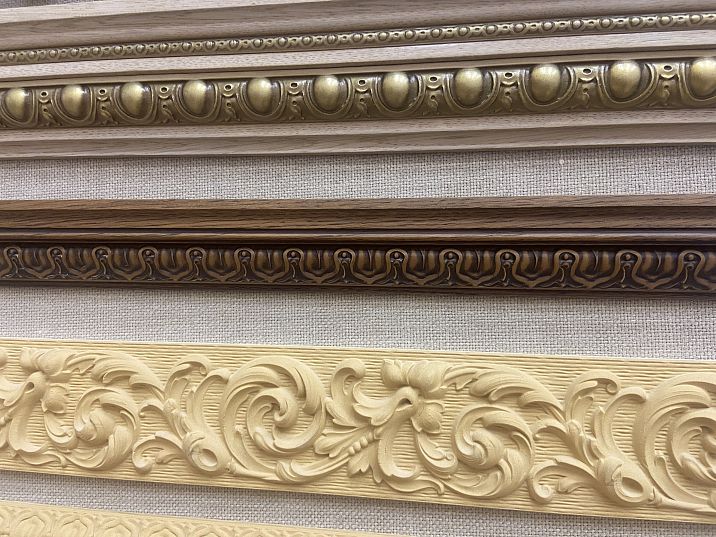
In modern interior design, every detail matters. Small decorative elements, such asWooden Picture Framecan emphasize the room's style, give it a finished look, and even alter the visual perception of space. If previously, moldings were a privilege of classical interiors and expensive mansions, today they have become an accessible and popular solution in various styles—from neoclassicism to minimalism. In this article, we will explore what wooden moldings are, their advantages, how to choose the right model, and how to incorporate them into interior design. Additionally, we will consider howmolding made of wood can combine with other decorative elements, and what to pay attention to during installation and maintenance.





1. What is a wooden molding and why is it needed




1.1. Definition and purpose
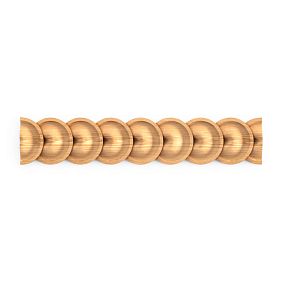
A molding is a decorative strip traditionally used to frame the junction between walls and ceilings, as well as to frame pictures, mirrors, and other decorative elements. Wooden Picture FrameUnlike polyurethane or plastic analogs, it has a unique wood texture and natural warmth. It is ideal for classical, country, and Scandinavian interiors, and can also be used in modern projects if the shape and shade are chosen appropriately.
Main functions of wooden molding:
- Decorative. Adds expressiveness, completeness, and elegance to the room.
- Protective. Can conceal uneven joints and protect walls from mechanical damage (for example, if the molding is used around a picture or mirror).
- Structuring. Visually divides space into zones, highlights accent walls or objects.
Our factory also produces:




1.2. Advantages of wood
- Ecological. Natural wood is safe for health, does not emit harmful substances, and contributes to creating a favorable microclimate in the room.
- Strength and durability. With proper care and protection (for example, varnishing), wooden molding retains its original appearance for decades.
- Natural beauty. The unique texture, color, and grain of wood give the molding a special charm and make the interior more 'alive'.
- Versatility. Moldings are available in various wood species (oak, beech, pine, ash, etc.), allowing you to choose the optimal option for any interior style.
2. Types of wooden moldings
Get Consultation
2.1. By wood species
- Pine. The most common and affordable option. It is characterized by softness and light texture. It is easy to process and paint, but requires more careful handling, as pine is a relatively soft wood.
- Oak. Renowned for its high strength and expressive texture. OakWooden Picture Frame looks respectable and elegant, but it is also more expensive than pine.
- Beech. Has a beautiful, slightly shimmering grain, high hardness, and resistance to wear.
- Ash. Characterized by dense structure and even light shade, easily tints and varnishes.
- Exotic species. Merbau, wenge, mahogany, and others are used in premium interiors, have unique texture and color, but are expensive.
2.2. By profile and shape
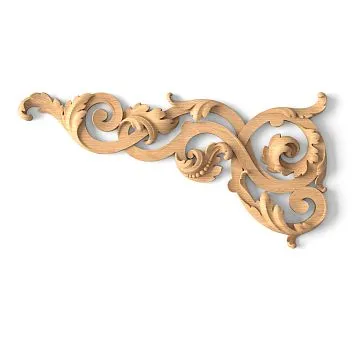
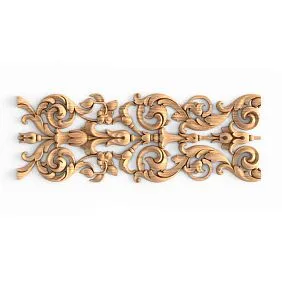
- Classic ornate molding. Has carved elements, scrolls, and complex shapes. Used in classical, baroque, and empire interiors.
- Simple straight profile. Minimalist shape without unnecessary details. Suitable for modern styles (minimalism, high-tech, scandi).
- Slightly rounded profile. A universal option that combines with most styles, including neoclassicism, Provence, country.
- Carved molding. Models with deep patterns and artistic carving. Such items can become true works of art and a focal point in the interior.
Ceiling molding. Attached at the junction of the wall and ceiling. Can have various heights and shapes, emphasizing the overall style of the room.
- Wall decor. Used to create panels, zone walls, frame mirrors and pictures.
- Wall decor. Used to create panels, zone walls, frame mirrors and pictures.
- Trim for door and window openings. In some cases, molding can be used instead of standard trim, giving doors and windows a more refined appearance.
3. How to choose wooden molding: main criteria
3.1. Interior style
The first step in choosing molding is determining the overall style of the room. Classical, baroque, or Empire interiors require ornate, carved models, while modern and minimalist styles require simpler and more rigid forms. If you are unsure which direction your interior belongs to, it is better to choose a universal oneWooden Picture Frame with a rounded or straight profile in a neutral shade.
3.2. Wood species
The wood species affects not only the aesthetics but also the performance characteristics of the molding:
● Spruce or pine — budget option, but less durable.
● Oak, beech, ash — more expensive, but durable and long-lasting.
● Exotic species — solution for exclusive projects, where unique color tones and texture are important.
3.3. Color and finish
● Natural finish (varnish, oil). Preserves and highlights the wood texture, giving the surface a glossy or matte sheen.
● Patina. Gives an aged and vintage effect, suitable for Provence, country, shabby chic styles.
● Painting. If precise color matching with the interior is needed, wooden molding can be painted in any shade.
● Brushing. Technique in which soft wood fibers are removed and hard ones remain, creating a textured surface. Looks great in loft, Scandinavian interiors, as well as country and rustic styles.
3.4. Budget and quality
Costwooden molding depends on the wood species, profile complexity, and manufacturer. When choosing, consider the price-to-quality ratio. Cheap options made from raw wood may quickly warp or crack, whereas high-quality items made from dried wood, treated with protective compounds, will last for decades.
4. Installation and care of wooden molding
4.1. Preparation for installation
- Acclimatization. After bringing the molding into the house, leave it in the same room where it will be installed for 1–2 days. This is necessary to allow the wood to adapt to the temperature and humidity, avoiding deformation after installation.
- Marking. Using a tape measure, pencil, and level, determine the mounting locations for the molding. If installing ceiling molding, consider the characteristics of the wall-ceiling junction.
- Cutting. Carefully cut the ends of the molding at the required angle (usually 45°) for corner joints. For precise cutting, use a miter box or a miter saw.
4.2. Mounting Methods
- On adhesive (liquid nails). Universal and easy-to-implement method. Apply adhesive to the back of the molding and firmly press it against the wall or ceiling. After the adhesive sets, the molding will hold securely, especially if the surface is pre-cleaned and degreased.
- On screws or nails. Suitable for heavy or bulky moldings when additional mounting strength is required. Nail heads can be concealed under putty or decorative covers.
- Clips and profiles. Some manufacturers offer special mounting systems that allow the molding to be removed and replaced as needed.
4.3. Joint sealing and final finishing
● Sealant or spackle. If gaps have formed between the elements of the molding, they can be filled with acrylic sealant and then painted over.
● Lacquer or paint. If you purchased molding without a finish, apply a protective layer of lacquer, oil, or paint after installation.
● Patina or toning. To achieve an aged look or change the shade, use patina, stain, or wax-based products.
4.4. Care
Wooden molding requires no complex care. Simply wipe it periodically with a soft dry cloth or slightly damp cloth to remove dust. Avoid using aggressive cleaning agents that could damage the finish or the wood itself. Minor scratches or chips can be carefully spackled and repainted.
5. Combination of wooden molding with other interior elements
5.1. Ceilings and walls
● White ceiling and contrasting molding. If the ceiling is painted white and the walls have a rich tone, the molding can serve as a connecting element, 'framing' the space. The molding color can be light (for a gentle transition) or contrasting (for emphasis).
● Patterned wallpaper. Ornate molding with classical scrolls or moldings pairs well with baroque or rococo wallpaper. A simple profile suits plain walls or wallpaper with geometric patterns.
● Panels and moldings. In classical and neoclassical interiors, molding can complement wall moldings and decorative panels, creating a cohesive composition.
5.2. Floors and baseboards
● Wooden floor. Molding in the color of the floor finish creates a sense of harmony and unity. You can use similar wood species or, conversely, play with contrasting shades.
● Laminate or tile. Combined with laminate or ceramic tile, molding adds warmth and completeness to the space, softening cold surfaces.
● Baseboard made of wood or MDF. If the baseboard and molding are in the same style and color, the interior appears more harmonious. In this case, you can chooseSkirting a similar profile to support the overall concept.
5.3. Furniture and accessories
● Paintings and mirrors. Wooden molding is often used to frame paintings and mirrors. This allows creating accent compositions and linking separate interior details into a unified ensemble.
● Furniture. If the furniture has wooden elements, choose molding made of the same wood species or with a similar finish. This enhances the effect of unity and thoughtful design.
● Lighting. Chandeliers, pendant lights, and wall sconces in classical style pair well with ornate molding. In modern interiors, more restrained, minimalist molding and lighting fixtures are appropriate.
6. Interior styles and the role of wooden molding
6.1. Classical style
Here, molding is almost a mandatory element. Ornate, carved models made of noble woods (oak, beech, ash) emphasize the luxury and elegance of the setting. Molding can be enhanced with gold leaf, patina, or lacquer, giving the surface a glossy finish.
6.2. Neoclassicism
A style combining modern ideas with classical motifs implies using more restrained, yet still elegant models.Wooden Picture Frame It can be finished in pastel tones or painted white to emphasize the nobility and refinement of the space.
6.3. Provence and country
In these styles, naturalness and gentle aging are valued. Molding made of wood with an aged effect (patina, brushing, cracks) will perfectly highlight the atmosphere of coziness and home warmth. Light shades (white, cream, beige) and natural wood tones are preferred here.
6.4. Loft and industrial style
Although loft is associated with rough textures (brick, concrete, metal), wooden accents can make the space more 'lively' and cozy. A simple straight profile molding, made of dark wood or even imitating metal, can naturally fit into a loft space, softening its industrial rigidity.
6.5. Scandinavian and eco-style
Here, simplicity, functionality, and closeness to nature are prioritized. A minimalist wooden molding in light woods (pine, birch) is suitable both as a ceiling element and for wall zoning. In this case, matte or semi-matte finishes are most commonly used, highlighting the natural wood texture.
7. Wooden molding in modern interiors: trends and prospects
7.1. Innovative coatings
Today, new compositions and wood treatment technologies are appearing on the market, enhancing its moisture resistance, UV resistance, and mechanical durability. This allows usingWooden Picture Frame even in rooms with high humidity (e.g., bathrooms or kitchens), without fearing rapid wear or deformation.
7.2. Combining materials
One of the fashionable trends is combining wood with metal, glass, stone, or leather. This approach allows creating original design solutions. For example, a wooden molding with metal inserts can perfectly fit into a modern loft or fusion interior.
7.3. Ecological and conscious choice
In recent years, interest in eco-design and natural materials has been growing.Wooden Picture FrameMade from certified wood, it aligns with the trend of conscious consumption. At the same time, it is important to pay attention to ecological standards confirmed by the manufacturer (e.g., FSC or PEFC).
8. Practical tips and recommendations
8.1. Planning and calculation
Before purchasing, determine where and how the molding will be used: around the ceiling perimeter, for wall zoning, framing mirrors or pictures. Carefully measure the required lengths, accounting for corner and cut allowances. It is better to buy slightly more material than to run short at the most critical moment.
8.2. Color coordination
If you are unsure about the color choice, pay attention to existing wooden elements in the interior: floor, furniture, door frames. By selecting the molding to match their shade, you will achieve visual harmony. If desired, you can play with contrasts: a dark molding in a light room can become a striking accent.
8.3. Installation in hard-to-reach places
If the room has complex geometry (niche, arches, polygonal rooms), installing the molding will require additional effort. In such cases, it is better to seek professional help or prepare in advance by studying video instructions and advice from experienced craftsmen.
8.4. Regular maintenance
To extend the service life of wooden molding, maintain stable humidity in the room (around 40–60%) and avoid sharp temperature fluctuations. Regularly remove dust, and renew protective coating as needed.
9. Conclusion
Wooden Picture Frame — it is not just a decorative element, but a full-fledged part of interior composition, capable of emphasizing style and giving the space its character. Natural wood brings warmth and coziness to the space, while the wide variety of species, profiles, and finishing options allows selecting the optimal solution for any project — from classic to modern minimalism. When chosen and installed correctly, molding becomes an accent that ties together all interior details, making the space complete and harmonious.
In addition to its aesthetic component, wooden molding performs practical functions: conceals unevenness, protects joints, can be used for space zoning and framing decorative elements. Thanks to the variety of profiles and finishing methods, it can adapt to different operating conditions, preserving beauty and strength for many years.
When choosing molding, pay attention to the wood species, quality of processing, style compatibility with the room, and manufacturer reliability. If your interior includes wooden floors or furniture, try to match the molding color to create a unified design concept. Do not hesitate to experiment with colors and textures — wood combines well with stone, metal, and other natural materials, and can be painted or patinated to suit any purpose.
In the end,Wooden Picture Frame — it is an investment in the beauty, durability, and eco-friendliness of your home. It will be an excellent choice for those who appreciate natural materials, warm atmosphere, and strive to create a unique, thoughtfully detailed interior.