Article Contents:
- What Are Wooden Patterns?
- Craft Traditions
- Application in Modern Interior Design
- Types of Wooden Patterns
- Carved Patterns on Furniture
- Decorative Patterns for Doors and Windows
- Geometric patterns
- Floral Patterns
- Wooden Patterns in Interior Design
- Decorative Wooden Patterns on Walls
- Carved Wooden Patterns in Interior Design
- Decorative Patterns Combined with Other Interior Elements
- How to Choose Wooden Patterns
- Main Recommendations for Selection
- Conclusion
- Delivery, Purchase, and Cooperation with Stavros
- Delivery Across Russia
- Ease of Purchase
- Individual Approach to Each Customer
- Collaboration with professionals

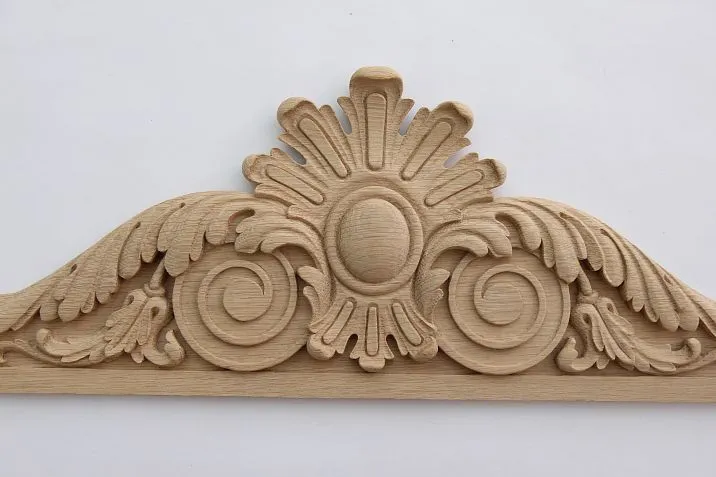
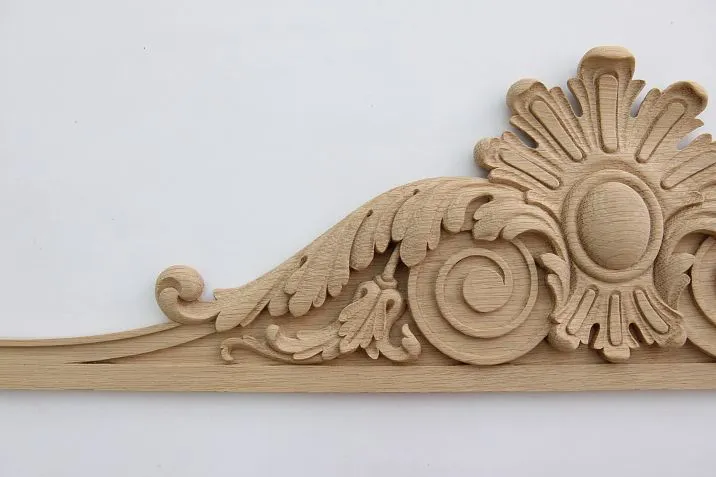
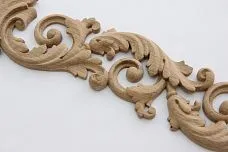
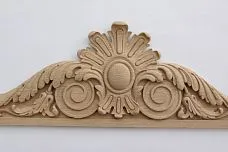
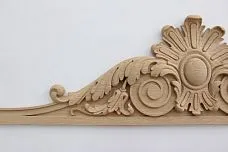
Wooden patterns are an art that has inspired craftsmen and connoisseurs of refined interiors for centuries. These decorative elements can be handcrafted or produced using modern technologies, allowing the realization of the most complex and refined patterns. Wood as a material possesses a unique texture, warmth, and natural charm that make each pattern special. Wooden patterns decorate furniture, walls, building facades, transforming ordinary elements into masterpieces and emphasizing the style and individuality of the space.






What Are Wooden Patterns?
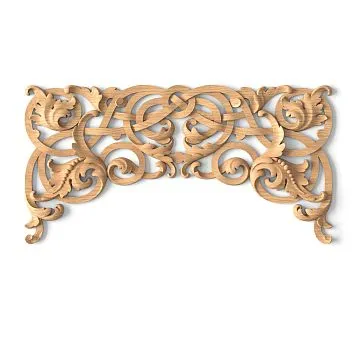
Wooden patterns are decorative elements created on wooden surfaces. They can be hand-carved or produced using modern carving and milling technologies. Wooden patterns may include geometric, floral, or abstract motifs that highlight the style and aesthetics of furniture, architectural elements, or decorative panels. Craftsmen create patterns with high levels of detail, imparting artistic value and refinement to the wood.
Example: Carved wooden patterns on cabinet or chest facades create expressive accents, emphasizing the uniqueness of the furniture. Such elements may feature classical ornamentation or modern design, depending on the overall interior style.
Significance of Wooden Patterns in Interior Design
Wooden patterns help create an atmosphere of warmth, coziness, and elegance in interior design. They are used to decorate furniture, walls, doors, and window openings, emphasizing the character of the room and creating focal areas. Carved elements can serve as central decorations or as complementary accents that give the space cohesion and harmony. Thanks to their natural qualities, wood brings a sense of warmth and living nature into the interior, making it an indispensable element for those who value comfort and style.
Our factory also produces:


Craft Traditions
Creating wooden patterns is not merely a process of carving wood. It is a centuries-old craft passed down from generation to generation, preserving unique techniques and symbolism. In the past, carved patterns were used to decorate building facades, furniture, churches, and other structures, highlighting the social status of the owner and their taste. Today, wooden patterns continue to remain relevant, remaining popular in both classical and modern design.
Example from traditions: Russian wooden ornamentation is a vivid example of carving craftsmanship, including floral motifs, mythological symbols, and geometric patterns. Such elements were often used to decorate window sills on building facades, giving them a distinctive appearance and authenticity.
Get Consultation
Application in Modern Interior Design
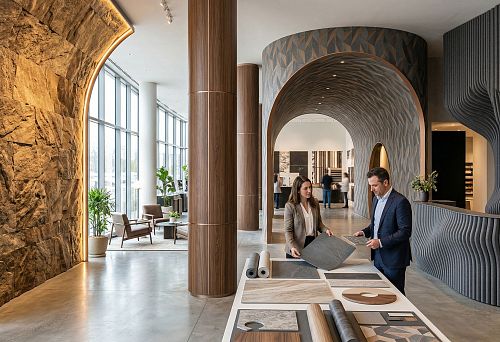
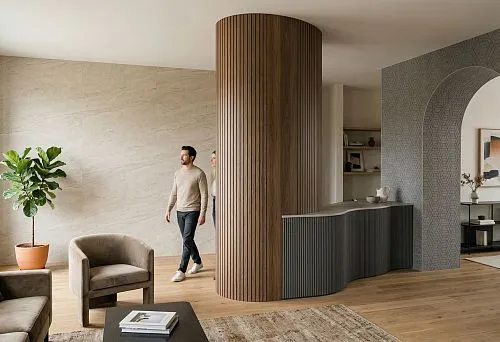
Modern interior design offers a wide range of applications for wooden patterns—from classic carved appliqués on furniture to decorative panels on walls and ceilings. They can be executed in a minimalist style, emphasizing strict lines and space's simplicity, or in a classical style, adding luxury and refinement to the interior. Wooden patterns can serve as focal points or harmoniously complement other decorative elements such as mirrors, moldings, and textiles.
Decorating Tip: Use wooden patterns in combination with other materials such as metal, glass, or textiles. This allows creating complex compositions that highlight the style and uniqueness of the interior.
Types of Wooden Patterns
Wooden patterns are a true masterpiece of carving that can add special expressiveness, style, and warmth to furniture and interiors. They can be executed in various styles and techniques — from complex classical motifs to modern geometric compositions. Thanks to this, wooden patterns become a central decorative element, highlighting the uniqueness of the space.
Carved patterns on furniture
wooden patterns for furniture create a unique style and elegance. These patterns can be intricate and detailed or simple and minimalist, emphasizing the aesthetics and functionality of furniture. Carved appliqués and other patterned elements allow transforming furniture into a true work of art that will be a focal point in any interior.
Example of application: Decorative wooden patterns on kitchen cabinet facades add sophistication and turn them into a focal point of the interior. For a classic style, ornate motifs with botanical elements are suitable, while for modern minimalism — geometric patterns that emphasize restrained elegance.
Decorative advice: To create a cohesive and harmonious interior, combine wooden carved patterns withmoldingscarved appliqués and other decorative elements. This will create a unique look where every detail emphasizes the overall style and character.
Decorative patterns for doors and windows
Wooden doors with patterns and decorative moldings add expressiveness to the facades of houses and interior doors. They impart solidity to architectural elements and highlight the status of the interior. Carved patterns can be used to decorate interior doors, frame window openings, or embellish entrance doors.
Example of application: A wooden door molding with a pattern emphasizes the entrance to a room, adding grandeur and style. This can be a classical pattern with flowing botanical motifs or a more minimalist geometric design for modern interiors.
Decor tip: UseCarved Mouldings to highlight door and window openings, giving the room a finished look and emphasizing its individuality.
Geometric patterns
Geometric wooden patterns are distinguished by strict forms and symmetry, making them a popular choice for modern interiors. They can be executed as simple repeating elements or complex compositions that add dynamism and modernity to the space. Geometric patterns are often used to decorate furniture, wall panels, or decorative inserts.
Example of application: Geometric patterns on furniture facades or walls create a focal element that emphasizes the interior style. In minimalist interiors, such patterns create an atmosphere of restraint and elegance.
Decorative advice: To achieve a harmonious look, combine geometric patterns withdecorative inlays and other elements to add expressiveness and cohesion to the interior.
Plant patterns
plant patterns on wood are always relevant, as they impart warmth and natural beauty to furniture and interiors. Such patterns include leaves, flowers, vines, and other natural elements. They can be elegant and refined or larger and more expressive.
Example of application: Carved wooden patterns with botanical motifs on furniture, such as headboards or cabinet facades, add a touch of tradition to the interior and emphasize coziness.
Decorative advice: Combine plant patterns with textile elements, such as curtains or upholstery with similar motifs, to create a cohesive and harmonious look.
Wooden patterns in interior design
Decorativewooden patterns add depth, richness of texture, and a unique character to the interior. They can be executed as panels, appliqués, carved frames, or decorative inserts, decorating furniture, walls, ceilings, and other elements of the room. With their help, you can create accent zones, emphasize the interior style, and add touches of elegance. Wooden patterns possess a special aura that brings warmth and coziness to the space, making it truly stylish and unique.
Decorative wooden patterns on walls
Wooden patterns on walls can serve as a standalone decorative element or harmoniously combine with other decorative elements, such asMoldings or paintings. Such decor creates accent zones that attract attention and highlight the style of the room. Wooden patterns can be executed as large compositions occupying a significant part of the wall or detailed ornaments emphasizing specific zones, such as a reading nook, dining area, or home office.
Example of application: In the living room, wooden patterns on walls can become a central decorative element, emphasizing the room’s style and creating a cozy atmosphere. Large carved panels or patterns placed behind the sofa or around the fireplace make the interior expressive and memorable. In the bedroom, a wooden pattern on the wall behind the bed can become a distinctive feature, creating an eye-catching backdrop and emphasizing the relaxation zone.
Decorative advice: Use wooden patterns to zone the space. For example, carved panels or wall patterns can mark a relaxation zone, visually separating it from other parts of the room and creating a cozy and harmonious space.
Carved wooden patterns in interior design
Carved wooden patterns bring elegance to the interior and highlight the beauty of natural wood. They can be used to decorate furniture, walls, ceilings, and other elements, adding expressiveness and complexity to the space. Wood carving allows creating ornaments with a high degree of detail, which emphasize the uniqueness and aesthetics of the interior.
Example of application: In the bedroom, carved wooden patterns on the headboard of the bed can become an accent that gives the room an elegant and cozy look. In the kitchen, such patterns can be used to decorate cabinet facades or doors, creating an atmosphere of tradition and comfort. Carved wooden inserts on the ceiling will add a sense of refinement and completeness to the space, drawing attention to details.
Decor tip: Combine carved wooden patterns withCarved casings to create harmonious and expressive compositions in the interior. This allows you to emphasize the style and add depth to the space, making it truly unique and stylish.
Decorative patterns in combination with other interior elements
Wooden patterns can be used in combination with various materials and decorative elements. This allows you to create multi-layered compositions that highlight the style and individuality of the space. For example, patterns can be framed by moldings or combined with textile elements such as curtains and cushions to create a cohesive look.
Example of application: In a country-style interior, wooden patterns on furniture and walls can be complemented by textile elements with similar motifs. This creates an atmosphere of warmth and coziness, emphasizing the natural beauty of the materials.
Decor tip: Combine wooden patterns with other natural materials, such as stone or metal. This will create contrast and emphasize the expressiveness of each element, making the interior more lively and dynamic.
How to choose wooden patterns
Choosing wooden patterns requires careful consideration, as these elements define the style and atmosphere of the room. When selecting patterns, it is important to consider the interior style, materials used for other decorative elements, and the functional purpose of the room. Patterns should harmonize with the overall design, enhancing its aesthetics and adding expressiveness and refinement to the space. Wooden patterns can serve as a bold accent or a subtle background, depending on their design and application.
Main recommendations for selection
- Define the Interior Style
For a classic interior, wooden patterns with refined motifs and high detail are suitable. Floral ornaments, complex geometric patterns, and carved appliqués will help create an atmosphere of luxury and elegance. In modern interiors, it is better to use minimalist and strict forms, which will give the space a restrained and elegant appearance.
Tip: Try to choose patterns that will match withmoldings, carved moldings, and other decorative elements. This will help create a harmonious interior where each element complements the overall style. - Assess the quality of processing
It is important to pay attention to the detail and quality of processing of wooden patterns. The surface of the items should be smooth, and the carving should be clear and neat. Poor-quality patterns may spoil the overall impression and reduce the aesthetics of the interior.
Tip: When choosing wooden patterns for furniture, doors, or walls, prefer items made from high-quality wood species such as oak, beech, or ash. These materials are strong and durable, which is especially important for decorative elements. - Consider the color and texture of the wood
Wooden patterns can be coated with varnish, tinted, or painted in various colors. It is important that the color and texture of the patterns harmonize with other interior elements. Natural wood tones give the room warmth and coziness, while painted patterns can serve as an accent, emphasizing the style.
Tip: Combine wooden patterns with other materials — metal, glass, textile — to create expressive compositions and add layering to the interior.
Conclusion
Wooden patterns are an art that can bring any space to life, adding style, elegance, and coziness. Using carved elements to decorate furniture, doors, walls, and window frames, you create a unique and unforgettable interior that will delight you and your guests for many years. Choose high-quality items with high detail to emphasize the beauty and character of your home. The company Stavros offers a wide range ofcarved wooden patterns and appliqués, suitable for any style and making your interior truly unique.
Delivery, purchase, and cooperation with the company Stavros
The company Stavros strives to make purchasing carved wooden patterns and decorative elements as convenient and accessible as possible for its clients. We offer a wide range of quality items that will help you create a stylish, cozy, and expressive interior. Cooperating with us means choosing a reliable partner who understands your needs and is ready to offer the best solution for your project.
Delivery throughout Russia
We are proud to provide delivery of our products to any region of Russia — from major cities such as Moscow, St. Petersburg, Kazan, Yekaterinburg, and Novosibirsk, to small villages and remote settlements. You can be sure that your ordered item will be delivered on time and in perfect condition.
Ease of Purchase
Purchasing carved wooden patterns and other items from the company Stavros is quick and convenient. Our website features a product catalog where you can browse a wide selection of carved appliqués, moldings, trimmings, and other decorative elements. We offer transparent conditions, detailed descriptions of each item, and assistance from our consultants at every stage of the purchase.
Individual Approach to Each Customer
Stavros is ready to offer customized solutions for private clients, designers, architects, and furniture manufacturers. We take into account all your preferences, develop unique custom items, and offer flexible cooperation terms. Our goal is to create products that highlight the style of your interior and satisfy even the most daring ideas.
Cooperation with professionals
We are open to cooperation with furniture manufacturers, interior designers, and architectural firms. Becoming a partner of Stavros, you will gain access to high-quality products, a wide range, and exclusive opportunities to realize creative projects. We offer special conditions for corporate clients and are ready to consider individual projects and comprehensive orders.
Cooperating with the company Stavros is your step toward creating a unique and stylish interior that will delight you and your clients. Choose quality, reliability, and individual attention from true masters of wood carving!