Article Contents:
- Philosophy of Wood: Why Wood Remains an Eternal Choice
- Anatomy of Perfection: Structure and Features of Wooden Steps
- Tread: Foundation of Safety and Comfort
- Riser: Aesthetics and Functionality
- Balusters: Vertical Guardians of Beauty and Safety
- Classification of Balusters by Shape and Style
- Proportions and Dimensions: The Mathematics of Beauty
- Wood Species: Character and Features of Each Type
- Oak: The King Among Species
- Ash: strength and elegance
- Beech: European classic
- Coniferous species: accessibility and practicality
- Production technologies: from raw material to finished product
- Log preparation and drying
- Mechanical processing
- Manufacturing Balusters
- Design solutions: styles and directions
- Classic style: Eternal elegance
- Modern minimalism: beauty of simplicity
- Scandinavian Style: Cozy Northern Traditions
- Installation and Mounting: Professional Secrets
- Foundation Preparation
- Attaching Steps
- Newel Installation
- Care and maintenance: Preserving beauty for years
- Regular Cleaning
- Recoating
- Economic Aspects: Investment in Quality
- Pricing factors
- Long-Term Savings
- Ecological aspects: Responsibility to nature
- Sustainable forestry
- Ecological coatings
- Innovations and technologies of the future
- Wood Thermal Treatment
- Composite materials
- Digital technologies
- Conclusion

Imagine a staircase as a musical composition, where each note plays its unique role. Wooden Steps and Balusters These are precisely the elements that transform an ordinary structure into an architectural symphony. When a craftsman takes a piece of noble wood into his hands, he sees not merely material, but a future work of art destined to serve generations.
In the world of modern construction, where plastic and metal often displace traditional materials, wood remains an unshakable symbol of coziness, warmth, and natural beauty. Every fiber of wood holds the story of growth, each annual ring a testament to time and nature’s patience. That is why wooden staircase elements possess that special magic capable of transforming any space.


Philosophy of Wood: Why Wood Remains an Eternal Choice
Wood is not merely a construction material; it is a living substance that breathes, changes, and adapts to its environment. Unlike cold metal or synthetic composites, wood possesses a unique ability to create an atmosphere of homey warmth and comfort.
The ecological purity of wood makes it an ideal choice for those concerned about their family’s health. Natural resins and essential oils contained within the wood’s structure create a favorable microclimate indoors, naturally purifying the air and filling it with pleasant aromas.
The tactile sensations from touching wooden surfaces are incomparable to anything else. The smoothness of sanded wood, its natural warmth, the barely perceptible roughness of its texture — all of this creates unique feelings of comfort and safety.
The acoustic properties of wood also play an important role in creating a comfortable atmosphere. Wood naturally absorbs sound, creating a pleasant acoustic environment and eliminating unpleasant echoes typical of hard surfaces.




Anatomy of Perfection: Structure and Features of Wooden Steps
A wooden step is not merely a horizontal surface for walking, but a complex engineering structure, each element of which performs a specific function. Understanding this structure is critically important for creating a quality and long-lasting staircase.
Our factory also produces:


Tread: Foundation of Safety and Comfort
The tread is the horizontal surface of the step on which the foot directly lands. Its width should be at least 25 centimeters to ensure comfortable and safe movement. The optimal tread width ranges from 28 to 32 centimeters, corresponding to the natural stride of an adult.
The thickness of the tread depends on the wood species and the staircase’s structural features. For hardwoods such as oak or beech, a thickness of 40–50 millimeters is sufficient. For softer woods, such as pine, it is recommended to increase the thickness to 60 millimeters to ensure adequate strength.
Surface treatment of the tread requires special attention. The surface must be perfectly smooth but not slippery. This is achieved through multi-stage sanding with gradually decreasing abrasive grit — from 120 to 320 grit.
Get Consultation
Riser: Aesthetics and Functionality
The riser is the vertical element of the step that covers the space between treads and gives the staircase a finished appearance. The height of the riser is typically 18–20 centimeters, corresponding to ergonomic requirements for comfortable ascent.
The material of the tread can differ from the material of the riser. Often, for cost-saving purposes, thinner boards of 18-25 millimeters are used, since the tread does not bear significant loads.
Decorative treatment of treads opens up wide opportunities for creativity. Here, carving, inlay, painting, or other decorative techniques can be applied, transforming a functional element into a work of art.
Balusters: vertical guardians of beauty and safety
If steps are the foundation of a staircase, then balusters are its soul. These elegant vertical elements not only ensure safety by supporting handrails but also define the overall style of the structure.
Classification of balusters by shape and style
Turned balusters represent the most traditional and popular type. They are manufactured on turning lathes by processing cylindrical blanks. The variety of profiles for turned balusters is virtually limitless — from simple geometric shapes to complex multi-element compositions.
Milled balusters are created using milling machines and can have more complex geometry, including flat elements, grooves, recesses, and relief patterns. This type of baluster opens up greater opportunities for creating unique design solutions.
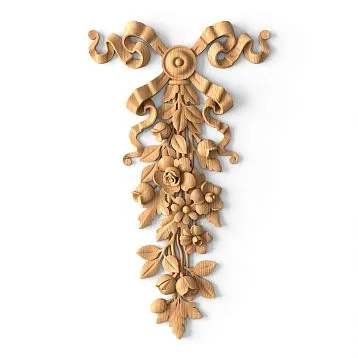
Carved balusters are the pinnacle of woodworking craftsmanship. Each such baluster is handcrafted by an experienced carver and represents a unique work of art. Carved elements may include floral ornaments, geometric patterns, and figurative compositions.
Proportions and sizes: the mathematics of beauty
The height of balusters is determined by the height of the handrails, which, according to building codes, must be at least 90 centimeters. The standard height of balusters varies from 70 to 80 centimeters, ensuring a comfortable handrail height.
The diameter or width of balusters depends on the overall proportions of the staircase and stylistic preferences. For classic interiors, balusters with a diameter of 80-120 millimeters are suitable, while for modern styles, thinner elements with a diameter of 40-60 millimeters are preferred.
The distance between balusters is critically important for safety. According to regulations, the gap between adjacent balusters must not exceed 12 centimeters to prevent the possibility of a child falling.
Wood species: characteristics and features of each type
Choosing a wood species is not only an aesthetic issue but also a practical one. Each species has unique properties that determine its suitability for specific operating conditions.
Oak: The King Among Species
Oak is rightfully considered the standard of quality among hardwoods. Its density reaches 700 kilograms per cubic meter, providing exceptional strength and durability. Oak steps can withstand enormous loads without deformation.
Oak's texture is unique — expressive growth rings create an elegant pattern that becomes even more pronounced after treatment with stain or oil. The color range of oak varies from light yellow to dark brown, depending on the tree's age and growing conditions.
Processing oak requires professional skills and quality tools. The high hardness of the wood makes it resistant to mechanical damage but also complicates processing. All holes for fasteners must be pre-drilled.
Ash: strength and elegance
Ash combines the strength of oak with a more expressive texture. Contrasting growth rings create an eye-catching striped pattern, especially beautiful on radial cuts. The density of ash ranges from 650 to 750 kilograms per cubic meter.
Ash's mechanical properties surpass many other species. Its high impact resistance makes it ideal for elements subjected to dynamic loads. Ash steps are practically immune to cracking.
The color range of ash varies from light cream to pinkish-brown. The wood readily accepts staining, allowing virtually any desired shade to be achieved.
Beech: European classic
Beech is a traditional material for European craftsmen. Its uniform fine-grained structure ensures ideal surface quality after processing. The density of beech ranges from 650 to 680 kilograms per cubic meter.
The color of beech varies from light rose to reddish-brown. Steaming imparts a rich red hue to the wood, which is highly valued by designers.
Beech is easy to process. The wood turns, mills, and sands easily. Beech balusters become perfectly smooth with minimal effort.
Coniferous species: accessibility and practicality
Spruce remains the most popular material due to its optimal price-to-quality ratio. The density of spruce ranges from 450 to 500 kilograms per cubic meter, making it lighter than hardwoods.
Spruce's resin content provides natural protection against rot and insects, but may cause issues when applying finishes. Before finishing, excess resin must be removed using special solvents.
Larch stands out among coniferous species for its high density (550-650 kg/m³) and exceptional resistance to moisture. Its natural antiseptic properties make it an ideal choice for humid environments.
Production Technologies: From Raw Material to Finished Product
Modern production of wooden steps and balusters is a complex technological process involving numerous stages, each of which affects the quality of the final product.
Wood Preparation and Drying
Wood preparation begins with careful selection of raw material. Only healthy trees without signs of decay, insect damage, or mechanical damage are used to produce high-quality staircase components.
Cutting is performed taking into account the direction of the grain and the position of growth rings. Radial cutting is preferred for steps, as it ensures maximum dimensional stability and an attractive texture.
Wood drying is a critically important stage that determines the quality of future products. Modern drying chambers allow control of temperature, humidity, and air circulation, ensuring even drying without cracking or warping.
The target moisture content for stair elements is 8-12%. This moisture level ensures dimensional stability and minimizes deformation during use.
Mechanical processing
Primary processing includes jointing and resawing blanks to achieve precise dimensions and parallel surfaces. Modern four-sided planers allow processing the blank in a single pass.
Laminate bonding is used to manufacture wide treads from narrow boards. This process not only saves material but also increases the stability of the product, as internal stresses in the bonded structure compensate for each other.
Stair profiling includes creating a rounded front edge (capino) and other decorative elements. Modern CNC routers allow creating complex profiles with high precision.
Baluster manufacturing
Turning balusters is performed on specialized lathes with copying devices. This ensures identical elements in each batch, which is critically important for the aesthetic perception of the staircase.
Milling is used to create balusters of complex shapes with flat elements, grooves, and relief patterns. Modern multi-axis milling centers allow processing blanks from any side in a single setup.
Hand carving remains the domain of highly skilled craftsmen. Each carved baluster is unique and represents a work of art. The process of creating a single carved baluster may take from several days to several weeks.
Design solutions: styles and directions
Modern staircase design offers numerous stylistic directions, each requiring an appropriate approach to selecting and finishing wooden elements.
Classic Style: Eternal Elegance
Classic style is characterized by strict proportions, symmetry, and use of traditional decorative elements. Stairs in the classic style usually have clear geometric forms with minimal decoration.
Balusters in the classic style feature complex carved profiles with alternating expansions and contractions. Traditional elements include roundels, flutes, and miniature capitals. The height of such balusters is usually 80-90 centimeters.
The color palette of the classic style leans toward natural wood tones with possible light toning. Preference is given to noble woods — oak, beech, ash.
Modern minimalism: beauty of simplicity
Minimalist style implies maximum simplification of forms and rejection of excessive decoration. Stairs have clean geometric lines, often with contrasting material combinations.
Balusters in the minimalist style are simple geometric shapes — cylinders, prisms, plates. Emphasis is placed on surface finish quality and proportion accuracy.
Color solutions vary from natural light tones to contrasting black-and-white combinations. Toned wood combined with metallic elements is popular.
Scandinavian style: cozy northern traditions
Scandinavian style combines functionality with coziness, using light tones and natural materials. Stairs usually have simple forms without excessive decoration.
Balusters in the Scandinavian style are characterized by minimalist forms and light shades. Square or rectangular balusters made of light-colored woods — pine, birch, spruce — are popular.
Finishing involves preserving the natural wood color with possible light whitewashing. Transparent oils and waxes are used, highlighting the natural texture.
Installation and mounting: professional secrets
Quality installation wooden treads and balusters requires professional skills and adherence to technological requirements. Even the highest-quality elements can be ruined by improper installation.
Foundation Preparation
Foundation preparation is a critically important stage, determining the longevity of the entire structure. The foundation must be level, strong, and dry. Permissible deviations from horizontal alignment must not exceed 2 millimeters per meter of length.
Hydroisolation is required when installing wooden elements on concrete or stone foundations. Special membranes or mastics are used to prevent moisture penetration into the wood.
Marking is performed using a laser level and special templates. The accuracy of marking determines the quality of all subsequent work.
Stair tread mounting
Mounting to stringers is the most common method of installation. Treads are attached to inclined beams (stringers) using self-tapping screws, bolts, or special fastening systems.
Hidden mounting provides an aesthetic appearance without visible fasteners. Special systems with concealed screws or clips are used.
Adhesive bonding complements mechanical fastening, ensuring structural monolithism and eliminating squeaks during operation.
Installing balusters
Marking locations for baluster installation is performed using special templates or laser systems. The distance between balusters must be strictly uniform along the entire length of the staircase.
Baluster mounting methods vary — from simple self-tapping screws to complex pin connections. The choice of method depends on the foundation material and strength requirements.
Balusters are aligned by height using a taut string and level. All balusters must lie in a single plane for proper handrail installation.
Care and Maintenance: Preserving Beauty for Years
Proper care of wooden staircase elements ensures their longevity and preservation of their original appearance.
Regular cleaning
Daily cleaning includes removing dust and dirt using a soft cloth or vacuum cleaner with a soft attachment. Avoid abrasive materials that may damage the surface.
Wet cleaning is performed using special wood surface cleaners. Ordinary water may cause wood swelling and damage the finish.
Stain removal requires immediate action. Most stains are easily removed with special cleaners, but stubborn stains may require professional treatment.
Recoating
The frequency of renewal depends on usage intensity and finish type. Lacquered finishes typically require renewal every 3-5 years, while oil-based finishes every 1-2 years.
Surface preparation includes light sanding to remove the top layer of finish and create adhesion for the new layer.
Coating application must be performed according to the manufacturer's instructions. It is important to observe temperature and air humidity conditions.
Economic aspects: investment in quality
Choosing wooden treads and balusters is a long-term investment that should consider not only initial cost but also maintenance expenses.
Pricing Factors
Wood species is the primary factor determining cost. Exotic species may cost 5-10 times more than local coniferous species.
Processing complexity affects labor costs and, consequently, price. Simple rectangular treads are significantly cheaper than profiled treads with decorative elements.
Order volume also affects price. Large batches are usually cheaper per unit.
Long-term savings
The longevity of quality wooden elements ensures long-term cost savings. Properly manufactured and installed treads can serve for decades without replacement.
Restorability is an important advantage of wooden elements. Unlike synthetic materials, wood can be restored to its original appearance.
Increased property value — a quality wooden staircase significantly enhances a home's appeal and market value.
Ecological aspects: responsibility toward nature
In an era of growing environmental awareness, choosing wooden materials should consider their impact on the environment.
Sustainable Forestry
FSC certification guarantees that wood is sourced from forests managed according to sustainable development principles. Choosing certified materials is a contribution to preserving forest resources.
Local species are preferable to exotic ones not only economically but also ecologically. Transporting wood over long distances increases the carbon footprint.
Reusing wood is becoming increasingly popular. Old beams and boards from dismantled buildings can be given a second life as staircase elements.
Ecological Finishes
Natural oils and waxes are preferable to synthetic varnishes from an ecological standpoint. They do not emit harmful substances and are easily disposed of.
Water-based varnishes contain fewer volatile organic compounds compared to traditional solvents.
Health safety is an important criterion for selecting finishes, especially in residential spaces.
Innovations and technologies of the future
The wood processing industry is constantly evolving, adopting new technologies and materials.
Wood thermal treatment
Thermo-modification alters the wood structure, increasing its stability and resistance to biological effects. Thermally treated wood acquires a dark color and improved performance characteristics.
The processing occurs at a temperature of 160-230°C in a steam environment. This is an environmentally friendly process without the use of chemicals.
Composite materials
Wood-polymer composites combine the beauty of natural wood with the practicality of modern materials. They are resistant to rot and require no regular maintenance.
Applications of composites are expanding to include staircase elements for outdoor use and areas with high humidity.
Digital technologies
3D modeling allows creating accurate staircase models before production begins, eliminating errors and optimizing material usage.
CNC machining ensures the highest level of manufacturing precision and enables the creation of complex shapes not achievable with manual processing.
Conclusion
The world of wooden steps and balusters is a wonderful universe where traditional craftsmanship meets modern technologies, where each element carries a fragment of natural beauty and human talent. Choosing wooden elements for your staircase is an investment not only in functionality and beauty, but also in the health of your family, planetary ecology, and humanity's cultural heritage.
Each step, each baluster — is the result of centuries of master craftsmanship, passed down from generation to generation. Modern technologies merely complement this craft, enabling the creation of items of unprecedented precision and beauty.
Remember: a staircase is not merely a means to move between floors. It is an architectural element that shapes the character of the entire house, creates the first impression for guests, and daily delights homeowners with its beauty and functionality.
The STAVROS company has specialized for more than two decades in creating exclusive wooden elements for staircases. Our masters combine traditional woodworking techniques with the most modern technologies, creating pieces that will become a decoration of your home for many years. We work exclusively with the finest wood grades, carefully control every stage of production, and guarantee the highest quality of our products.