Article Contents:
- Introduction: The Significance of Wood in Modern Construction
- Ecology and sustainability
- Thermal Insulation and Acoustics
- Aesthetic Appeal and Traditions
- History and Functional Purpose
- Manufacturing technology
- Application in Interior Design
- Care recommendations
- Role and Historical Significance
- Modern Technologies and Design
- Application in Interior Decoration
- Maintenance and Durability
- Functional Value and Aesthetics
- Production Stages and Materials
- Application in Interior Design
- Installation and Maintenance Recommendations
- Functional purpose
- Design possibilities
- Application in Structural Construction
- Maintenance and Technical Recommendations
- Purpose and Functional Features
- Processing technology
- Application in Room Decoration
- Care recommendations
- Integration into Residential and Commercial Buildings
- Combining traditions and innovations
- Ecological responsibility
- Choosing quality material
- Proper Care
- Technical Tips
Natural wood has been a symbol of warmth, reliability, and aesthetic harmony since ancient times. In modern construction and design, wooden materials play an important role due to their unique properties, ecological purity, and durability. Today, we will examine the main types of wooden building materials, paying special attention to such elements as %sWooden skirting boards, Wooden moldings, Wooden beams, Wooden angles andWooden railsIn this article, we will thoroughly explore the features of each of these elements, their functional purpose, manufacturing technologies, modern trends, and practical recommendations for application and maintenance.


Introduction: The Significance of Wood in Modern Construction




Ecological and Sustainable
In the context of growing environmental concerns and the search for sustainable solutions, natural wood is becoming an increasingly sought-after material. It is not only renewable but also capable of regulating humidity, improving the microclimate in rooms. The use of wooden building materials contributes to creating a healthy environment, which is especially important for residential and public buildings.
Our factory also produces:


Thermal Insulation and Acoustics
One of the main advantages of wood is its natural thermal and acoustic insulation. Wooden structures help retain heat in winter and provide coolness in summer, while also significantly reducing noise levels inside rooms. These properties make wood an indispensable material for creating comfortable and energy-efficient housing.
Get Consultation
Aesthetic Appeal and Traditions
Natural wood possesses a unique texture, variety of shades and patterns, which gives interiors a special charm. Historically, wood has been used in architecture and decorative arts to create exquisite carved elements, inlays, and decorative details. Modern technologies allow combining traditional craftsmanship with innovative design solutions, preserving a connection to history while meeting the requirements of contemporary design.
Main Types of Wooden Building Materials
In this article, we will examine key elements widely used in construction and interior decoration. Among them are %sWooden skirting boards, Wooden moldings, Wooden beams, Wooden angles andWooden railsEach of these elements performs its unique function and possesses both practical and aesthetic merits.
1. Wooden skirting boards
History and Functional Purpose
Baseboards are one of the oldest elements of interior building finishes. Their original purpose was to protect the lower part of walls from mechanical damage, moisture, and dirt, as well as to conceal the technological joints between the floor and the wall. Historically, baseboards were used to create an aesthetically finished interior, giving it a sense of coziness and harmony.
Manufacturing technology
ModernWooden skirting boards are made from high-quality solid wood. In production, hardwoods such as oak, beech, ash, or walnut are used, thanks to their strength and distinctive texture. The main stages of manufacturing include:
● Drying wood. Proper drying prevents cracking and deformation.
● Sanding and finishing. A smooth surface is achieved through multi-stage sanding, followed by application of a protective coating (varnish or oil).
● Final finishing. If necessary, baseboards may be further embellished with carving, inlay, or decorative elements, allowing their style to vary from classic to modern.
Application in Interior Design
Wooden skirting boards are used in both residential and commercial spaces. They not only perform a protective function but also serve as an important decorative element, completing the interior composition. In classical interiors, baseboards are often adorned with intricate carved patterns, whereas in minimalist solutions, preference is given to smooth and simple lines.
Care recommendations
To maintain the original appearance of baseboards, it is sufficient to:
● Regularly wipe with a soft dry or slightly damp cloth.
● Periodically treat with protective compounds to help preserve the color and texture of the wood.
● Avoid aggressive cleaning agents that could damage the finish.
2. Wooden Mouldings
Role and Historical Significance
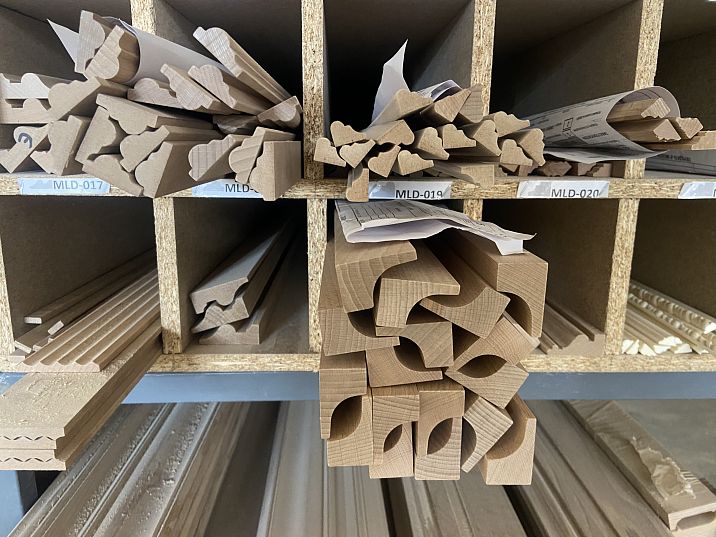
Mouldings were traditionally used to decorate interiors, finish ceilings, walls, and furniture. They serve as decorative inserts, creating transitional zones between various interior elements. In architecture of past centuries, mouldings were a sign of high status and refined taste.
Modern Technologies and Design
TodayWooden moldings are produced using both traditional and modern processing methods. High-precision equipment, such as CNC machines, allows creating items with perfect geometry and complex decorative elements. This enables varying the style of mouldings from richly carved classical to strict minimalist variants, making them a universal solution for any interior.
Application in Interior Design
Wooden mouldings are used:
● To finish joints between walls and ceilings, giving them a complete and elegant appearance.
● As decorative elements in furniture, such as door and window casings, which highlight the uniqueness of the items.
● To create accent zones, where each detail plays an important role in the overall interior composition.
Care and Longevity
To ensure mouldings retain their beauty, it is recommended:
● Regularly clean them from dust and dirt with a soft cloth.
● Periodically treat them with protective compounds that will preserve their natural luster and color saturation.
● Avoid exposure to aggressive cleaning agents that could damage the decorative surface.
3. Wooden Cornices
Functional Value and Aesthetics
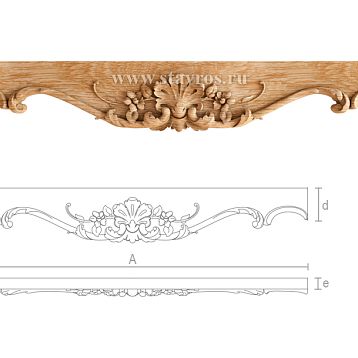
Wooden beams perform a dual function. They not only conceal joints between walls and ceilings, creating a smooth transition and visual lightness, but also serve as mounting for various decorative elements — valances, draperies, or blinds. Thanks to this, cornices play an important role in forming the overall appearance of the room.
Production Stages and Materials
For manufacturing valances, high-quality wood species are used. The technological process includes:
● Selection and preparation of wood.
● Precise profiling using modern machines.
● Surface treatment, including sanding, polishing, and application of protective coatings, ensuring durability and aesthetic appeal.
Application in Interior Design
Wooden beams are used in both classical and modern interiors. In luxurious classical interiors, they may be adorned with intricate ornaments and inlays, emphasizing the grandeur of the space. In modern minimalist solutions — smooth, simple lines that visually increase the height of the room and create a sense of spaciousness.
Installation and Maintenance Recommendations
When installing valances, it is important:
● Thoroughly prepare the surface for mounting.
● Use high-quality fasteners to ensure the structural reliability.
● Perform regular maintenance: wipe with soft cloth, treat with protective compounds to preserve appearance.
4. Wooden Angles
Functional purpose
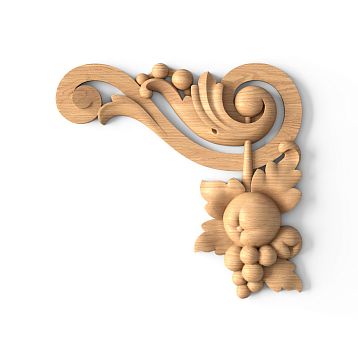
Wooden angles — are elements designed to strengthen structural joints, protect corner seams, and prevent deformation. They play an important role in ensuring the strength and longevity of wooden structures, both in construction and furniture manufacturing.
Design possibilities
Modern corner brackets can be made in various styles:
● Classical corner brackets. With carved elements and decorative inserts, emphasizing tradition and elegance.
● Modern minimalist variants. Smooth, minimalist lines, perfectly fitting into contemporary interiors.
Application in Structural Construction
Wooden angles are used:
● To reinforce joints and corners in frame structures.
● In furniture manufacturing to create strong and aesthetically pleasing joints.
● In interior finishing, where they serve as decorative accents, highlighting style and craftsmanship quality.
Care and Technical Recommendations
To maintain the aesthetics of corner brackets, it is sufficient:
● Regular dust wiping.
● Periodic treatment with protective agents to preserve the natural wood sheen.
● Monitoring the condition of fasteners to ensure the longevity of the structure.
5. Wooden Planks
Purpose and Functional Features
Wooden rails are thin strips of wood widely used for wall cladding, decorative panels, and forming structural elements. Their main purpose is to create a smooth, structured surface and add visual accents to interior design.
Processing technology
When manufacturing strips, modern processing methods are applied:
● Precise cutting and sanding, allowing for perfect smoothness.
Surface polishing and application of protective coatings, which improves the appearance and extends the lifespan of the item.
Ability to create rails with various profiles, offering wide design possibilities.
Application in interior decoration
Wooden rails can be used:
● For creating decorative wall inserts.
● As a base for creating frames, partitions, and decorative panels.
● For furniture finishing, where they highlight the natural beauty of wood and add structural character to the item.
Care recommendations
To ensure rails retain their appeal, it is recommended:
● Regularly wipe them with a soft cloth to remove dust.
● Treat them with special compositions protecting wood from moisture and mechanical damage.
● Avoid direct exposure to sunlight to prevent color fading.
Application of wooden building materials in modern architecture
Integration into residential and commercial buildings
Modern architects and interior designers actively use wooden materials to create warm, cozy, and functional spaces. Using such elements as baseboards, moldings, cornices, corners, and rails allows:
● To create a unified stylistic composition where each detail harmoniously complements the others.
● To solve practical tasks related to protecting structures, improving insulation, and acoustic properties of rooms.
● To add aesthetic value through natural texture and unique natural wood patterns.
Combining traditions and innovations
Natural wood combines centuries-old craftsmanship traditions with modern technologies. Today's manufacturers pay great attention to processing quality, applying both time-tested methods and the latest technological solutions. This enables creating items capable of meeting even the most demanding requirements for appearance, functionality, and durability.
Ecological responsibility
Using wooden building materials is an important element of sustainable construction. Natural wood is not only environmentally friendly but also renewable, contributing to reduced environmental impact. Under modern requirements for energy efficiency and occupant health, wood becomes one of the key materials enabling the creation of safe and comfortable spaces.
Practical recommendations for selection and care
Choosing quality material
When selecting wooden building materials, it is important to pay attention to:
● Wood species. Hardwood species such as oak, beech, ash, or walnut have high strength and stability, which is especially important for finishing elements.
● Processing technology. Modern methods allow creating items with perfectly smooth surfaces, rich textures, and decorative elements while preserving the natural beauty of wood.
● Style compatibility. Selected materials must harmoniously fit into the overall room concept, whether classic, modern, or eco-design.
Proper care
To ensure wooden elements serve for a long time and retain their aesthetic qualities, it is necessary to follow simple care rules:
● Regular cleaning with a soft cloth to remove dust and dirt.
● Periodic treatment with special compositions (varnish, oil, wax) that protect wood from moisture, sunlight, and mechanical damage.
● Avoiding aggressive chemical substances capable of damaging the natural finish.
Technical tips
Modern wood processing technologies not only preserve but also enhance its properties. Using CNC machines, laser cutting, and computer modeling helps create items with perfect precision and complex decorative elements. This opens up great opportunities for designers, enabling them to bring even the most daring projects to life.
Conclusion: Wood – a material that unites traditions and innovations
Natural wood is not just a building material, but a source of warmth, comfort, and natural beauty that can transform any space. Wooden building materials, such as %sWooden skirting boards, Wooden moldings, Wooden beams, Wooden angles andWooden rails, play an important role in shaping the architectural appearance of modern buildings. They allow you to create a harmonious space where every detail contributes to the overall goal – creating a healthy, aesthetic, and functional interior.
With proper selection and care, wooden products will delight you with their appearance and quality for many years. Modern technologies and innovative processing methods allow you to fully utilize the potential of wood, combining the best traditions of craftsmanship with the achievements of modern science.
Thus, wooden building materials represent the ideal solution for those who value ecology, aesthetics, and durability. They allow you to create an interior filled with natural harmony, warmth, and individuality, reflecting a commitment to quality and respect for traditions. Choose natural wood for your home, and it will become not only the foundation but also the main decoration of your space.
This article provides a detailed overview of the main types of wooden building materials, examines their manufacturing technology, functional purpose, and also offers practical recommendations for selection and maintenance. By using elements such as %sWooden skirting boards, Wooden moldings, Wooden beams, Wooden angles andWooden rails, you will be able to create a space where natural wood plays the main role in shaping style, comfort, and functionality. Let your home be filled with living beauty, durability, and warmth that only natural wood can offer.