Article Contents:
- Significance of Carved Wooden Patterns
- Wood as Material for Carving
- Carved Wooden Patterns on Door Frames
- Advantages of Using Carved Wooden Patterns
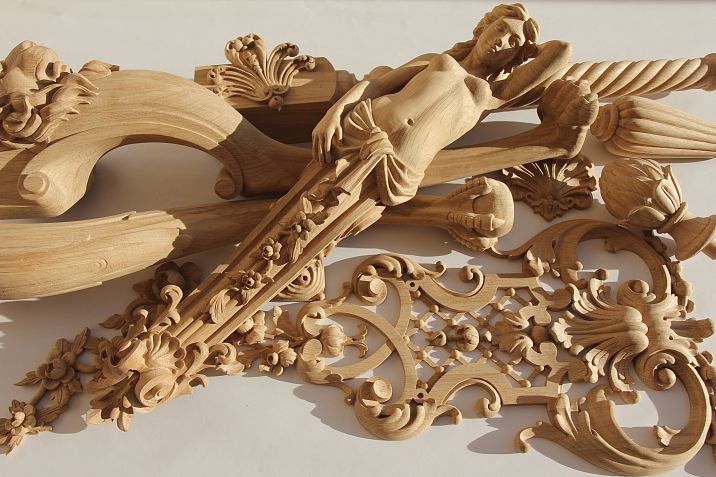
Carved wooden patterns are a special form of decorative art that has remained relevant and inspired artisans around the world for centuries. They are used to decorate homes, furniture, architectural details, and interior items, adding elegance and uniqueness. Wood as a material possesses natural beauty, warmth, and unique texture, making it an ideal base for creating intricate patterns.


Significance of Carved Wooden Patterns
Since ancient times, wood carving was not only a means of decoration but also a way to convey symbolic and cultural ideas. Patterns on wood could tell a story, express the status of the house owner, or serve as a protective charm. For example, Wooden patterns on mouldings often contained elements symbolizing the sun, fertility, or harmony with nature.
● Aesthetics
Carved wooden patterns add visual expressiveness to a space and highlight architectural style. On building facades, they accentuate windows and doors, creating focal elements.
● Functionality
It is important to remember that carved elements not only decorate but also serve a protective function, for example, protecting window frames from moisture and damage.
● Traditions and Culture
Wood carving is part of cultural heritage. Using wooden patterns, modern artisans preserve and develop traditions, adapting them to contemporary requirements and tastes.
Wood as Material for Carving
The natural texture and properties of wood make it an ideal base for creating patterns. Various types of wood are used:
● Oak and beech: ideal for fine carving, thanks to their density and durability.
● Ash: renowned for its beautiful texture and flexibility, allowing for complex patterns to be created.
● Pine: a lightweight material easy to work with, suitable for large decorative elements.
History of Carved Wooden Patterns
The art of wood carving originated thousands of years ago and remains one of the most inspiring crafts to this day. Over centuries, it has evolved, reflecting the culture, beliefs, and level of craftsmanship of people. Carved wooden patterns adorned homes, furniture, religious buildings, and household items, transforming them into works of art.
Origins of the Art
The earliest examples of wood carving date back to prehistoric times, when people began using wood to create tools, dwellings, and ornaments. At that time, they discovered the beauty of wood texture and the possibilities of its processing.
- Natural Motifs
In ancient times, natural motifs were the main elements of carving: leaves, flowers, animals. These patterns symbolized a connection with nature and were used as protective charms. - Geometric Ornaments
Geometry was one of the first decorative elements. Lines, rhombuses, and circles carried symbolic meanings associated with the cosmos, harmony, and order. Such ornaments are often found on mullionsused in traditional architecture.
Middle Ages: The Golden Age of Wood Carving
During the Middle Ages, wood carving reached new heights. It became an indispensable part of architecture, furniture decoration, and religious art.
- Gothic Style
In Europe, wooden patterns became more complex and refined. In Gothic cathedrals, carving adorned altars, furniture, and even doors. Motifs included floral patterns, mythological scenes, and biblical scenes. - Eastern Carving Traditions
Wood carving also developed in Asia during this period. In China and Japan, masters created complex patterns on furniture, doors, and screens, using symbols of dragons, phoenixes, and lotuses. - Slavic Traditions
On Rus', wood carving was not only decoration but also a means of conveying symbolic meaning. Decorative Wooden Mouldings protected homes from evil spirits, and their ornaments often carried images of the sun, water, and fertility.
Renaissance and Baroque
During the Renaissance and Baroque periods, wood carving achieved a new level of detail and became a true art. Masters used wood to create complex ornaments that adorned palaces, churches, and homes of wealthy city dwellers.
- Renaissance Elements
During this period, patterns with acanthus leaves, garlands, and mythological figures became popular. They emphasized the elegance and richness of interiors. - Baroque Motifs
Baroque brought opulence and grandeur. Wooden patterns on furniture and architectural elements became complex and richly detailed.
Modern Development
Today, wooden carved patterns remain popular due to their versatility and natural beauty. Modern masters draw inspiration from traditional motifs, adapting them to contemporary trends.
- Technological Innovations
The use of laser cutting and CNC machines allows creating complex patterns with high precision. This speeds up the process and makes wood carving accessible to a wider range of consumers. - Preservation of Traditions
Craftsmen creating mouldings with patterns, continue to develop the craft, combining modern technologies with handwork. - Popularization of Eco-Friendly Materials
Wood remains one of the most eco-friendly materials, making products made from it especially relevant in the modern world.
The history of wooden carved patterns is the history of cultural heritage and art that has survived centuries and continues to inspire. These decorative elements combine tradition and modern technology, allowing the creation of unique items capable of enhancing any space.




Wooden Patterns on Mouldings
Wooden patterns on mouldings are a special type of decoration that became an integral part of traditional architecture. Mouldings not only decorate the facade of a building but also perform important functional tasks. Wood carving gives these elements expressiveness, making windows the focal point of the facade. Thanks to their aesthetic and practical qualities, Decorative Wooden Mouldings they remain popular today.
What are Mouldings?
Mouldings are decorative frames that surround window or door openings. In traditional architecture, they serve several functions:
● Decorative
Mouldings decorate the facade, emphasize the architectural style, and add individuality to the house.
● Protective
They protect window frames from moisture, dust, and dirt, extending their service life.
Insulating
Wood has insulating properties, which helps reduce heat loss through windows.
Role of patterns on window sills
Wooden patterns on window sills make them expressive and highlight the uniqueness of the house. Each element of the pattern may have its symbolic meaning:
- Solar motifs
Symbolize warmth, life, and prosperity. These patterns are often placed at the top of the window sill. - Plant ornaments
Leaves, flowers, and branches emphasize the connection with nature and add softness and harmony to the facade. - Geometric shapes
Rhombuses, waves, and lines create a sense of order and symmetry, adding architectural completeness.
Types of patterns on window sills
- Traditional patterns
Inspired by cultural heritage, these patterns include classic motifs such as:
○ Sun, which protects the house from evil spirits.
○ Plant ornaments symbolizing fertility and prosperity.
○ Geometric patterns expressing harmony and stability.
- Modern patterns
For modern houses, minimalist and simple patterns are popular. They add elegance without overloading the facade's overall appearance. - Individual projects
Many masters create unique mouldings with patterns on custom order. This allows adapting the decoration to the building's style and the owner's personal preferences.
How do wooden patterns change the appearance of a house?
Wooden patterns on window sills make the house more attractive and expressive. They add character to the facade, emphasizing the style and taste of the owners.
- Highlighting windows
Windows framed by carved window sills become accent elements of the facade. This creates an effect of completeness and symmetry. - Creating an atmosphere
Carved patterns bring a sense of coziness and harmony to the facade. They make the house more welcoming and comfortable. - Emphasizing architectural style
Traditional patterns suit houses in classical style, while minimalist motifs better match modern facades.
Advantages of wooden patterns on window sills
- Ecological safety
Wood is a natural material that is safe for health and the environment. - Durability
High-quality window sills made of solid wood retain their appearance for decades. - Ease of processing
Wood is easy to process, allowing craftsmen to create complex and detailed patterns. - Aesthetics
The natural texture of wood and refined patterns make window sills expressive and harmonious.
How to choose wooden window sills?
When choosing window sills with patterns pay attention to:
- Material quality
Prefer hardwoods such as oak or beech, which are strong and resistant to external influences. - Style compatibility
Patterns should harmonize with the building's architectural style. - Processing and protection
Ensure the product is treated with varnishes or oils that protect the wood from moisture, UV radiation, and insects.
Conclusion: wooden patterns on window sills — aesthetics and functionality
Wooden carved window sills are not just decorative elements, but an important part of architecture that combines beauty and practicality. They help preserve traditions and add individuality to the house, making it expressive and cozy.
Our factory also produces:


Advantages of using wooden carved patterns
Wooden carved patterns are more than just decorative elements. They add uniqueness to the space, highlight its style, and introduce natural harmony. Due to their properties and aesthetics, wooden patterns remain popular in facade, interior, and furniture design. Let's consider the main advantages of using these items.
1. Aesthetic appeal
Wood itself is a material with natural texture and warmth, and carved patterns enhance its visual perception.
● Unique beauty
Each wooden item is unique due to the wood grain and carving skill. For example, mouldings with patterns make the house facade expressive and highlight its individuality.
● Harmony with nature
Plant and geometric patterns create a sense of naturalness and coziness, making the house more attractive.
2. Ecological safety
Wood is a natural and environmentally friendly material, making it safe for health and the environment.
● Renewable resource
Wood is a renewable material provided sustainable forestry practices are followed.
● Healthy microclimate
Wood does not emit harmful substances and helps maintain optimal humidity levels in rooms.
3. Durability
Well-executed wooden patterns retain their beauty and functionality for many years.
● Material strength
Wood, especially hardwoods such as oak or beech, is highly resistant to mechanical damage.
● Protective Coatings
Using modern varnishes, oils, and waxes extends the lifespan of products, protecting them from moisture, dust, and ultraviolet rays.
4. Universality
Wooden patterns are suitable for use in various areas, from exteriors to interiors.
● Building facades
Carved Mouldings They frame windows and doors, giving the facade a finished and stylish look.
● Furniture
Patterns decorate the facades of cabinets, tables, and chests, transforming standard items into designer solutions.
● Interiors
Decorative panels and inlays with carving become accents on walls and ceilings.
5. Symbolism and traditions
Wooden patterns often carry symbolic meaning that reflects cultural traditions.
● Protective symbols and signs
In traditional carving on mullions you can find symbols of the sun, water, and plants, which were considered protective.
● Preservation of heritage
Using wooden patterns allows preserving and passing on cultural heritage to future generations.
6. Possibility of individual design
Wooden patterns easily adapt to individual projects.
● Unique items
Artisans can create patterns based on individual sketches so they perfectly match the style of a building or room.
● Flexibility of execution
Technologies allow combining handwork with machine carving, enabling the creation of complex and detailed elements.
7. Ease of installation
Modern items with wooden patterns are designed so their installation is as convenient as possible.
● Ease of processing
Wood is easy to process, simplifying the installation of casings and decorative panels.
● Compatibility with other materials
Wooden elements harmoniously combine with stone, metal, glass, and other materials.
Conclusion: wooden carved patterns as an element of style and functionality
Wooden carved patterns are a combination of aesthetics, functionality, and natural harmony. They are suitable for decorating facades, interiors, and furniture, adding individuality and coziness to a space. If you want to transform your home or interior, pay attention to mouldings with patterns from the company STAVROS. These items will highlight your taste and preserve your connection to traditions.