Article Contents:
- Columns in the Architecture of the Ancient World
- Wooden Columns in Russian Architecture
- Variety of Styles and Forms of Wooden Columns
- Revival of traditions in modern architecture
- Classical Orders in Wooden Execution
- Baroque and Rococo: Triumph of Refinement
- Ethnic Motifs: From Russian Ornament to Eastern Exoticism
- Modern Interpretations: Minimalism and Avant-Garde
- Materials for Manufacturing Wooden Columns
- The Nobility of Oak: Strength for Centuries
- Spruce and Pine: Accessible Beauty
- Exotic Species: Larch, Cedar, Teak
- Composite Materials: Wood and Metal, Wood and Stone
- Technologies for Manufacturing Carved Wooden Columns
- Hand Carving: Preserving Time-Honored Traditions
- Modern Technologies: CNC and Laser Cutting
- Secrets of Craftsmanship: Wood Preparation and Final Finishing
- Columns as a Structural Element
- Functional Use of Wooden Columns in Interior Design
- Zoning Space Using Columns
- Decorative Role: Creating Focal Points and Accents
- Practical Use: Column Bases, Column Lamps
- Wooden Columns in Various Interior Styles
- Classic Style: Grandeur and Harmony
- Russian Style: National Traditions in Modern Interpretation
- Neoclassicism: A Modern Interpretation of Traditions
- Ethnic Motifs: From Russian Ornament to Eastern Exoticism
- Modern Styles: Minimalism, Loft, Eco Style
- How to Choose the Perfect Wooden Column for Your Interior
- Defining Style and Functional Purpose
- Material Selection: Wood Species, Quality, Eco-Friendliness
- Material Selection: Wood Species, Quality, Eco-Friendliness
- Dimensions and Proportions: Harmony with Space
- Decorative Elements: From Minimalism to Ornate Carving
- Final Finishing: Color, Texture, Protective Coatings
- Installation and Maintenance of Wooden Columns
- Professional Installation: Guarantee of Reliability and Longevity
- Regular Care: Cleaning, Refreshing Protective Coatings
- Restoration: Returning Former Grandeur
- Protection from Pests and Unfavorable Factors
- Wooden Columns in Various Rooms
- Grand Hall: First Impression of the Home
- Living Room: Center of Home Comfort
- Dining Room: Atmosphere of Festive Meals
- Bedroom: Intimacy and Romance
- Office: Solidity and Status
- Bathroom: Unexpected Luxury
- Economic Aspects: Investment in Beauty and Longevity
- Pricing: What Determines the Cost of Carved Columns

In the world of architectural decoration, there are elements capable of transforming any space, filling it with nobility and elegance. Among such elements, carved wooden columns hold a special place — embodiments of craftsmanship, traditions, and impeccable taste. Choosing to buy a carved wooden column becomes not merely acquiring a decorative element, but an investment in the aesthetics and atmosphere of your home or commercial space.
Wooden columns are not only functional supports but also works of art capable of becoming the central accent of an interior. They carry the spirit of history, reflect cultural traditions, and demonstrate the unparalleled skill of woodcarvers. In this article, we will immerse ourselves in the wonderful world of carved wooden columns, reveal their unique features, discuss the variety of styles and materials, and share practical tips for selecting and integrating these magnificent elements into modern interiors.


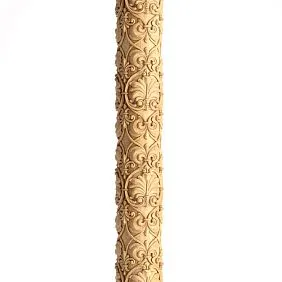
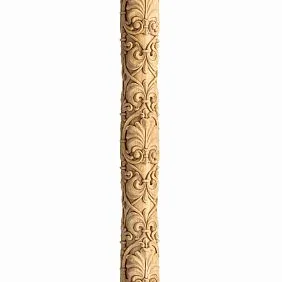

History of Wooden Columns: From Antiquity to the Present Day




Columns in the Architecture of the Ancient World
Columns as an architectural element originated in deep antiquity. Even the ancient Egyptians, constructing their majestic temples, used columns symbolizing reeds or lotus stems. However, the true golden age of column art came during the era of Ancient Greece, where classical orders — Doric, Ionic, and Corinthian — were developed. Each had its own proportions, decorative elements, and symbolic meaning.
Ancient Greeks primarily used stone to create columns, but wooden architecture also developed in parallel. Historians believe that the first stone columns were modeled after wooden predecessors. Wood, being a more accessible material, allowed experimentation with forms and decorative elements, which later transferred to stone structures.
Our factory also produces:


Wooden Columns in Russian Architecture
Wooden columns occupy a special place in Russian architectural tradition. Russia, rich in forests, has long been renowned for its wooden architecture. Carved columns adorned the porches of boyar palaces, supported galleries in tsars’ palaces, and became part of iconostases in Orthodox churches.
Russian masters created a unique carving style, where plant motifs intertwined with geometric patterns and mythological images. Columns were often adorned with grapevines symbolizing fertility, or mythical birds representing happiness and prosperity.
Get Consultation
Revival of traditions in modern architecture
Today, we observe a renewed interest in traditional architectural elements. Carved wooden columns are once again in demand, both in classical interiors and modern spaces, where they create an interesting contrast with minimalist surroundings.
Modern wood processing technologies allow creating columns that combine traditional aesthetics with high functionality. The possibility to buy a carved wooden column Opens up wide possibilities for designers and homeowners to realize the most daring interior solutions.
Variety of styles and forms of wooden columns
Classical orders in wooden execution
Classical architectural orders remain an timeless source of inspiration for creators of wooden columns. Doric columns, with their strictness and simplicity, are ideal for creating an atmosphere of solidity and reliability. Ionic columns, with their characteristic volutes (spiral scrolls), bring elegance and grace to the space. Corinthian columns, adorned with lush acanthus leaves, become embodiments of luxury and abundance.
Modern masters creating wooden columns often reinterpret classical forms, adapting them to contemporary interiors. They may simplify details while preserving recognizable proportions, or, conversely, elaborate decorative elements, making each column a unique work of art.
Baroque and Rococo: Triumph of Refinement
Baroque and Rococo styles, with their love for ornate forms and intricate patterns, found vivid expression in carved wooden columns. Baroque columns are characterized by dynamism, contrast of light and shadow, and abundance of decorative elements. Often they have a spiral shape (so-called twisted or Solomon columns) and are adorned with grapevines, flowers, and fruits.
Rococo-style columns are even more refined and delicate. They may be decorated with asymmetrical patterns, shells, floral garlands. Such columns become true interior ornaments, bringing an atmosphere of aristocratic luxury from the 18th century.
Ethnic styles offer a rich source of inspiration for creating unique wooden balustrades. Russian ornamentation with its rich carving, plant motifs, and fairy tale characters transforms a balustrade into a true piece of folk art. Characteristic elements include "kudrina" – a smooth plant ornament, "gorodki" – geometric patterns, and "teremkovaya" carving depicting fairy tale palaces and towers.
Wooden columns executed in various ethnic traditions are particularly interesting. Russian ornamentation with its rich symbolism, Scandinavian motifs with characteristic geometric carving, Eastern patterns reminiscent of "One Thousand and One Nights" — all of this finds reflection in modern wooden columns.
Ethnic motifs allow creating in the interior a unique atmosphere associated with a specific cultural tradition. The decision to buy a carved wooden column with ethnic elements can become the key to creating a themed interior or an interesting accent in an eclectic space.
Modern Interpretations: Minimalism and Avant-Garde
Modern designers are not limited to reproducing historical styles. They create wooden columns that meet the aesthetics of the 21st century: minimalist, functional, yet not devoid of artistic expressiveness. Minimalist columns may have a simple cylindrical shape with fine-line carving or geometric inserts.
Avant-garde columns often play with form, breaking classical proportions, combining wood with other materials (metal, glass, stone), experimenting with color and texture. Such columns become not just architectural elements, but true art objects, focal points of attention.
Materials for manufacturing wooden columns
The nobility of oak: strength for centuries
Oak is traditionally considered one of the best materials for making carved columns. Its exceptional strength, resistance to moisture and rot, as well as its beautiful texture with distinct growth rings, make oak columns true works of art capable of serving many generations.
Oak is highly suitable for carving, allowing the creation of both large decorative elements and delicate details. Over time, oak wood acquires a noble patina, further increasing the value of the columns. It is not surprising that many clients, deciding to buy a carved wooden columnto choose oak, despite its relatively high cost.
Spruce and pine: accessible beauty
Spruce and pine are more affordable alternatives to oak, which, with proper processing, can also serve as excellent materials for carved columns. These species are characterized by lightness, which simplifies installation, and a light tone that can be preserved or altered using stain and varnish.
Coniferous species have distinct growth ring patterns and characteristic knots, which, with skillful handling, become not flaws but decorative elements. Columns made of spruce and pine look especially well in interiors in country, chalet, or Russian peasant house styles.
Exotic species: larch, cedar, teak
To create truly unique columns, exotic wood species are used. Larch, known for its exceptional moisture resistance, is ideal for columns installed in high-humidity rooms or outdoors. Siberian cedar, with its pleasant aroma and beautiful pinkish hue, creates a special atmosphere of coziness and well-being in interiors.
Teak, redwood, wenge, and other exotic species allow creating columns with unusual texture and color. Such columns become true interior ornaments, bringing exotic and luxurious notes to the space.
Combined materials: wood and metal, wood and stone
Modern technologies allow creating columns from combined materials, combining the best qualities of each. Wood and metal, wood and stone, wood and glass — such combinations open new decorative possibilities and allow creating columns that perfectly fit into modern interiors.
Metallic elements can strengthen the column's structure and also serve as decorative accents. Stone bases protect wooden columns from moisture and mechanical damage. Glass inserts create interesting light effects. Combined columns become embodiments of an innovative approach to the traditional architectural element.
Technologies for manufacturing carved wooden columns
Hand carving: preserving age-old traditions
Hand carving in wood is an art requiring years of experience, patience, and a special sensitivity to the material. Masters skilled in this technique are able to create columns with incredibly complex and detailed patterns, each becoming a unique work of art.
The hand-carving process begins with preparing the wooden blank: it is carefully dried, processed, and sanded. Then, the design of the future pattern is drawn onto the surface. After that, the craftsman, using various chisels, knives, and other special tools, gradually carves the pattern, creating a three-dimensional image.
Columns crafted by hand possess a special energy and warmth. They contain a fragment of the master's soul, his vision of beauty and harmony. It is not surprising that many admirers of beauty strive to buy a carved wooden columnhandmade, despite its higher cost compared to machine carving.
Modern technologies: CNC and laser cutting
Modern technologies have significantly expanded the possibilities for creating carved wooden columns. CNC machines allow reproducing the most complex patterns with high precision. Computer modeling enables visualizing the future column in advance and making necessary adjustments before production begins.
Laser cutting allows creating incredibly thin and detailed elements that would be difficult to achieve by hand. This technology is especially effective when working with flat decorative elements, which are then mounted onto the column body.
It is important to note that modern technologies do not replace the craftsman's manual labor but complement it, allowing the combination of traditional techniques with innovative approaches. Many manufacturers use a combined method: main elements are carved on CNC machines, while final finishing and detailing are done by hand.
Secrets of craftsmanship: wood preparation and finishing
The quality of a carved column largely depends on proper wood preparation. The wood must be well-dried (moisture no more than 8-12%), cleaned of bark and sapwood, and carefully sanded. Special attention is paid to selecting the blank: for columns, it is preferable to use wood without knots or other defects, with a uniform structure.
Finishing the finished column is equally important. It includes sanding, toning (if changing the natural wood color is required), and applying protective coatings. For interior columns, varnishes, oils, or waxes are typically used, highlighting the beauty of the wood and protecting it from dust and minor damage. For exterior columns, special compounds are applied, providing protection against moisture, ultraviolet rays, mold, and insects.
Proper finishing not only gives the column a finished appearance but also significantly extends its service life, preserving the beauty of the wood for many years.
Functional use of wooden columns in interior design
Columns as a structural element
Historically, columns primarily served a structural function, supporting ceilings and arches. In modern architecture, this function is retained, although often hidden metal or reinforced concrete structures bear the load, and wooden columns serve as decorative cladding.
Nevertheless, wooden columns can be full structural elements, especially in wooden houses, on verandas, and in gazebos. In such cases, special attention is paid to the column's strength and stability, as well as proper load distribution. For such columns, the most durable wood species are typically chosen: oak, larch, and beech.
Structural columns can be simple in shape or decorative. Carving on such columns is usually not too deep to avoid weakening the load-bearing capacity. Nevertheless, even restrained decoration can transform a space, giving it individuality and style.
Zoning space with columns
One of the most popular applications of wooden columns in modern interiors is space zoning. In spacious rooms, columns help visually divide the space into functional zones without erecting walls. This is especially relevant for studio apartments and open-plan houses.
Columns can mark the boundary between the living room and dining room, separate the work area from the relaxation zone, or create a cozy alcove in the bedroom. In this case, the space remains unified, preserving free airflow and light, but each zone acquires its own individuality.
For zoning, half-columns installed against a wall or columns grouped into a colonnade are often used. They can be supplemented with other architectural elements: arches, balustrades, decorative partitions.
Decorative role: creating focal points and accents
Carved wooden columns can serve purely decorative purposes, becoming accent elements in the interior. A single column placed in a hallway or living room attracts attention and sets the tone for the entire space. A pair of columns can frame a fireplace, doorway, or niche with artwork, emphasizing their significance.
Decorative columns often have more complex and refined decoration than structural ones. They may be adorned with deep relief carving, inlays, or gilding. Such columns become true works of art, serving as focal points for attention.
It is important that decorative columns harmonize with the overall interior style. In classical interiors, columns with traditional orders are appropriate; in modern interiors, more minimalist forms with geometric decoration are suitable; in ethnic interiors, columns with motifs characteristic of the given culture are preferred.
Practical use: column pedestals, column lamps
Wooden columns can also serve practical functions. Column pedestals are used for placing sculptures, vases, or floral arrangements. Columns with built-in shelves become elegant bookshelves or display cases for collectibles.
Column lamps, which include an integrated lighting system, are especially interesting. Light passing through delicate carving creates whimsical patterns on walls and ceilings, filling the space with a mysterious atmosphere. Such columns look especially striking at night, transforming an ordinary room into a magical palace.
The multifunctionality of wooden columns makes them a universal design element capable of solving both aesthetic and practical tasks. The solution to buy a carved wooden column opens up wide opportunities for creative space design.
Wooden Columns in Various Interior Styles
Classic style: grandeur and harmony
A classical interior style is unthinkable without columns. They embody the core principles of classicism: symmetry, proportion, harmony. In classical interiors, columns are typically arranged symmetrically, in pairs or groups, emphasizing the architectural logic of the space.
For classical style, columns are typically executed according to the canons of ancient orders. They can be full-height, from floor to ceiling, or reduced in size, mounted on pedestals. The color palette is usually restrained: natural wood tones, white, gold.
In classical interiors, columns are often complemented by other architectural elements: cornices, pilasters, rosettes. Together, they create a cohesive composition, filling the space with an atmosphere of aristocratic luxury and refinement.
Neoclassicism: modern interpretation of traditions
Neoclassicism is a style combining classical principles with modern trends. In neoclassical interiors, wooden columns retain their elegance but become more minimalist and less overloaded with ornamentation.
Neoclassicism features columns with simplified capitals, restrained carving, and clean lines. They can be combined with modern furniture, technology, and lighting, creating an interesting contrast between classical forms and contemporary content.
The color palette in neoclassicism is more diverse than in strict classicism. Columns can be painted in light neutral tones (beige, gray, pearl) or, conversely, in rich colors (dark blue, emerald, burgundy), becoming a striking interior accent.
Baroque and Rococo: Triumph of Refinement
Baroque and Rococo styles, with their love for lavish forms and ornate patterns, offer endless possibilities for creating luxurious carved columns. In interiors of these styles, columns become not just architectural elements, but true works of art, showcasing the masterful skill of the carver.
Baroque is characterized by massive columns with ornate capitals, twisted columns adorned with grapevines, fruits, and flowers. Rococo prefers more refined forms: columns become slimmer, decoration is asymmetrical, including shells, floral garlands, and amorini.
In baroque and rococo interiors, columns are often gilded, enhancing the impression of luxury and grandeur. They can be part of complex architectural compositions including arches, balustrades, and stucco.
Russian Style: National traditions in a modern interpretation
The Russian style in interior design is experiencing a true revival today. Modern designers turn to the rich heritage of Russian wooden architecture, interpreting it in accordance with current trends.
Wooden columns in the Russian style are distinguished by their particular decorative quality. They can be adorned with traditional carving: geometric (characteristic of northern regions), plant-based (typical of central Russia), zoomorphic (depicting mythical animals and birds).
In modern Russian-style interiors, columns are often combined with other traditional elements: window casings, valances, and cornices. They can have either the natural color of wood or be painted in bright colors characteristic of Russian folk art.
Modern styles: minimalism, loft, eco-style
Wooden columns find their place in modern interior styles, acquiring a new sound. In minimalist interiors, columns are distinguished by their simplicity of form and absence of excessive decoration. The focus is on the beauty of the wood itself, its texture, and natural color.
In the loft style, wooden columns are often combined with metallic elements, brickwork, and concrete surfaces. They may have a deliberately rough texture, emphasizing the industrial character of the space.
In the eco-style, the naturalness of wood is valued. Columns may retain the natural shape of the trunk, include roots and knots, which become part of the decorative solution. They are minimally processed, preserving their connection to nature.
In all modern styles, wooden columns become elements that bring warmth and organic harmony to interiors, balancing the technological nature of modern life.
How to choose the ideal wooden column for your interior
Defining the style and functional purpose
Before to buy a carved wooden columnIt is necessary to clearly define the role it will play in your interior. Will it be a structural element supporting a ceiling? Or a decorative column serving as an accent? Perhaps you plan to use columns for zoning space or as framing for a doorway?
It is equally important to determine the style of the column. It should match the overall interior style or create an interesting contrast with it. Study various architectural orders, historical styles, and modern trends. Collect references — images of columns you like — to better understand your preferences.
Material selection: wood species, quality, eco-friendliness
The choice of wood species depends on many factors: interior style, budget, and usage conditions. For classical interiors, traditional choices are noble woods: oak, walnut, mahogany. For modern styles, both exotic species with unusual textures and more affordable options such as pine, spruce, and birch are suitable.
Pay attention to the quality of the wood: it should be well-dried, free of visible defects (cracks, rot, insect damage). Eco-friendliness is also important: the wood should be treated with safe-for-health compounds, especially if there are children or allergy sufferers in the house.
If the column will be installed in a room with high humidity or temperature fluctuations, choose species resistant to these factors: larch, teak, oak. Outdoor columns require special treatment protecting the wood from atmospheric effects.
Dimensions and proportions: harmony with space
The size of the column should correspond to the scale of the room. In spacious halls with high ceilings, massive columns with rich decoration are appropriate. In smaller rooms, it is better to use slimmer columns or half-columns installed against the wall.
The proportions of the column itself are also important. Classical orders prescribe specific ratios of column diameter to height, base, and capital dimensions. Even if you do not strictly adhere to classical canons, harmonious proportions are necessary to create an aesthetically pleasing appearance.
When choosing dimensions, consider practical aspects: the column should not obstruct movement or clutter the space. It should fit organically into the interior, highlighting its strengths.
Decorative elements: from minimalism to ornate carving
The choice of decorative elements depends on the interior style and your personal preferences. In classical interiors, columns with traditional capitals, fluting (vertical grooves on the shaft), and plant ornamentation are appropriate. In modern spaces, columns with geometric decoration or minimalist variants, where the wood’s texture becomes the main ornament, look great.
The degree of carving complexity also matters. Deep three-dimensional carving creates expressive play of light and shadow, but requires regular maintenance, as dust accumulates in it. Flat carving is more practical in this regard, but provides a less dramatic effect.
Remember that decorative elements should harmonize with other interior details: furniture, moldings, textiles. They should create a cohesive composition, not compete with each other for attention.
Finish: color, texture, protective coatings
The finish largely determines the appearance and durability of the column. You can preserve the natural wood color, highlighting its beauty with a clear varnish or oil. Or change the color using a stain, selecting a shade that harmonizes with the overall color scheme of the interior.
For classic interiors, glossy finishes are often chosen, creating an effect of nobility and luxury. In modern styles, matte finishes are preferred, preserving the natural wood texture. Popular effects also include aging: patina, craquelure, and brushing (removal of soft fibers to create a textured surface).
Protective coatings are necessary to extend the lifespan of the column. They protect the wood from moisture, ultraviolet light, and mechanical damage. The choice of a specific coating type depends on the conditions of use and the desired visual effect.
Installation and care of wooden columns
Professional installation: guarantee of reliability and longevity
Installing wooden columns is a responsible process requiring a professional approach. This is especially true for structural columns bearing load. Incorrect installation can lead not only to aesthetic defects but also to serious safety issues.
The installation process begins with preparing the foundation. For interior columns, this may be a special pedestal or reinforced flooring. For exterior columns, a foundation must be created to protect the wood from contact with soil and moisture.
The column mounting must ensure its stability and verticality. Various metal fasteners are used, which are typically hidden from view and do not disrupt the column's aesthetics.
If the column consists of several parts (e.g., shaft, base, and capital), special attention is paid to their connections. Joints must be invisible, strong, and resistant to deformations caused by the natural 'movement' of wood due to changes in temperature and humidity.
Regular care: cleaning, updating protective coatings
Wooden columns, like any wooden items, require regular care. Primarily, this involves regular dusting. For smooth surfaces, wiping with a soft cloth is sufficient; for carved elements, a soft brush or vacuum cleaner with a brush attachment may be needed.
It is recommended to renew the protective coating every few years. The frequency depends on the type of coating, intensity of use, and environmental conditions. Before applying a new layer, the surface must be thoroughly cleaned of dust and dirt, and light sanding may be required if necessary.
Outdoor columns require special attention, as they are exposed to atmospheric precipitation, ultraviolet radiation, and temperature fluctuations. They may require more frequent renewal of protective coatings, regular inspection for cracks, mold, and insect damage.
Restoration: returning former splendor
Even with meticulous care, wooden columns may eventually require restoration. This is especially relevant for antique columns or those subjected to adverse conditions.
Restoration may involve various procedures: repairing cracks and chips, restoring lost carved fragments, renewing the finish. In some cases, complete disassembly of the column may be required, followed by reassembly and reinforcement of the structure.
Restoration should be entrusted to professionals experienced in working with antique wooden items. They will be able to preserve the historical value of the column, restoring its original appearance with minimal intervention in the original structure.
Protection from pests and adverse factors
Wood is an organic material susceptible to various pests: insects, fungi, mold. Special impregnations and coatings are used to protect wooden columns, preventing the development of these issues.
It is also important to create favorable conditions for wooden columns: maintain optimal humidity levels in the room (40-60%), avoid sharp temperature fluctuations, direct sunlight, and heat sources (radiators, fireplaces).
For outdoor columns, protection from atmospheric precipitation is especially important. It is desirable that the column be protected by an overhanging roof or eave. The base of the column should be elevated above ground level and protected from moisture accumulation.
Wooden columns in various rooms
Grand hall: the first impression of the home
The hall is the first room guests see upon entering the home. It is here that wooden columns can create an unforgettable impression of luxury and hospitality. In spacious halls, columns are often used in pairs, framing the entrance area or the staircase leading to the second floor.
In classic interiors, the hall may be adorned with a colonnade, creating a palace gallery effect. In modern homes, a single column or pair of columns can serve as an accent element, setting the tone for the entire interior.
Columns in the hall are often complemented by other architectural elements: arches, niches, cornices. Together, they create a harmonious composition, demonstrating the status and taste of the home's owners.
Living room: the heart of home comfort
In the living room, wooden columns can serve various functions: from structural support of ceilings to purely decorative roles. They can divide the living room into functional zones: a lounge area, dining area, library.
Columns are often used to frame a fireplace, creating a classic composition reminiscent of palace interiors. They can also mark a transition to other rooms, creating an effect of an antechamber.
In modern open-plan living rooms, columns help structure the space without compromising its integrity. They can be either classical in form or avant-garde, becoming not only an architectural element but also an art object.
Dining Room: Atmosphere of formal feasts
Dining room — a space where the family gathers together, where guests are received. Wooden columns help create in the dining room an atmosphere of solemnity and significance of the event.
Columns can frame the dining area, highlighting it within an open-plan space. They can serve as a basis for creating a niche or alcove, where the dining table is placed. In large dining rooms, columns may support decorative arches or vaults, creating the effect of a banquet hall.
The style of columns in the dining room usually corresponds to the style of furniture and overall room decor. In classical dining rooms, columns with traditional capitals are appropriate; in modern rooms — more minimalist forms; in ethnic rooms — columns with motifs characteristic of the given culture.
Bedroom: Intimacy and romance
In the bedroom, wooden columns create an atmosphere of intimacy and romance. They are often used to decorate the headboard of the bed or to create a canopy. Four columns placed at the corners of the bed and supporting a light canopy transform an ordinary bedroom into royal chambers.
Columns can also frame a niche where the bed is placed, creating a cozy alcove. They can divide the bedroom into zones: a sleeping zone and a relaxation zone with chairs and a table.
In bedrooms, more elegant and slender columns are typically used than in public areas of the house. Their decoration may be more intimate and romantic: floral motifs, amorini, birds.
Office: Solidity and status
In the office, wooden columns emphasize the solidity and status of the room. They create an atmosphere of a classical library or aristocratic office, where important decisions are made.
Columns in the office are often made of dark wood species: oak, walnut, mahogany. Their decoration is usually restrained, without excessive ornamentation. Columns with fluting are popular, giving them a strict elegance.
Columns can frame bookshelves, desks, fireplaces. They can serve as pedestals for busts, sculptures, globes, and other items that highlight the intellectual status of the office owner.
Bathroom: Unexpected luxury
Wooden columns in the bathroom — an unexpected but very effective solution. They introduce an atmosphere of luxury and relaxation into a utilitarian space, reminiscent of Roman baths or Eastern hammams.
For bathrooms, wood species resistant to moisture are selected: teak, larch, thermowood. Columns are treated with special moisture-resistant compounds that protect them from steam and splashes.
Columns can frame a bathtub, creating the effect of an ancient pool. They can support a decorative arch over a jacuzzi or shower cabin. In spacious bathrooms, columns can divide zones: bathing zone, shower zone, vanity table zone.
Economic aspects: Investment in beauty and longevity
Pricing: What affects the cost of carved columns
The cost of a wooden carved column depends on many factors. First and foremost, it is the type of wood. Noble and exotic species (oak, walnut, mahogany, teak) cost significantly more than more common ones (pine, spruce, birch).
Another important factor is the complexity and volume of carving. Columns with deep relief carving, requiring many hours of manual labor from the craftsman, will cost more than columns with simple decoration or those made on a CNC machine.
The size of the column also affects its cost. The larger the column, the more material is required for its manufacture, the more complex the production and transportation process.
Finally, the cost is influenced by the manufacturer's reputation, the presence of custom design, production timelines, and additional services (delivery, installation, final finishing on-site).