Article Contents:
- 1. Wood as a Source of Coziness and Style
- 1.1. Natural Beauty and Unique Pattern
- 1.2. Positive Impact on Psychological State
- 2.1. Wall and Ceiling Finishing
- 2.2. Accent Elements and Zoning
- 2.3. Furniture and Accessories
- 3.1. Coniferous Species (Spruce, Pine)
- 3.2. Deciduous Species (Oak, Ash, Beech)
- 3.3. Exotic Species (Teak, Wenge, Mahogany)
- 4.1. Wood Treatment and Protection
- 4.2. Mounting Methods
- 4.3. Accounting for Temperature and Humidity Fluctuations
- 5.1. Loft and Industrial Aesthetics
- 5.2. Scandinavian and Eco Style
- 5.3. Classic and Vintage
- 5.4. Minimalism and High-Tech
- 6.1. Thoughtful Layout
- 6.2. Use of Test Samples
- 6.3. Wood Care
- 7.1. Accent Wall in the Living Room
- 7.2. Hallway with a Cabinet in One Style
- 7.3. Kitchen in Scandinavian Style
- 7.4. Zoning in a Studio
- Conclusion
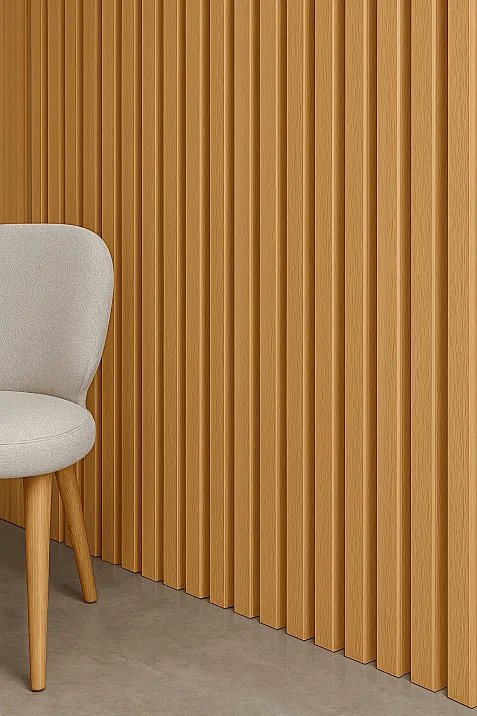
When creating a cozy, stylish, and at the same time functional space, it is impossible to overlook the use of natural materials. One such multifunctional and aesthetically appealing element iswooden planks in interior designIn this article, we will examine how wooden planks help give a room a distinctive touch, expand its possibilities, and achieve the desired style — whether it be classic, minimalism, loft, or Scandinavian design.


1. Wood as a Source of Coziness and Style




1.1. Natural Beauty and Unique Pattern
Natural wood has an incomparable grain pattern, making each plank an exclusive and lively detail. Warm wood tones create a cozy atmosphere, promote relaxation, and form a comfortable microclimate. Meanwhile, the use ofwooden planks in interior design is not limited to traditional styles — they can be confidently adapted to modern design directions, provided the right species, finish, and geometry of elements are chosen.
Our factory also produces:


1.2. Positive Impact on Psychological State
Psychologists assert that a person surrounded by natural materials feels less stress and becomes more productive. Wood, possessing a soft texture and natural energy, creates a favorable atmosphere for rest, work, and creativity. That is why designers increasingly recommend using natural materials to create a 'living' space.
2. Variability and Multifunctionality of Wooden Planks
Get Consultation
2.1. Wall and Ceiling Finishing
One of the most popular applications — cladding walls and ceilings with wooden planks:
● Vertical installation visually 'raises' ceilings, especially in rooms with low walls.
● Horizontal installation makes the room wider and more spacious, and also pairs beautifully with modern furniture.
● Diagonal or combined installation (like a 'V' or zigzag) creates a dynamic and expressive pattern.
2.2. Accent Elements and Zoning
● Accent wall: highlight a specific area using darker or lighter planks that differ in thickness or profile. This emphasizes the TV, bed, fireplace, or dining area zone.
● Decorative partition: install planks with gaps between them (vertically or horizontally). This technique creates a light, semi-transparent 'curtain' that visually separates zones while preserving the overall sense of space.
2.3. Furniture and Accessories
● Cabinet facade cladding: decorate cabinet, chest, and kitchen unit doors with wooden planks to give furniture a unique character.
● Picture and mirror frames: create frames using narrow planks that match the room's overall style.
● Baseboards and cornices: complete the interior with thoughtful details that emphasize the unity of the design.
3. Which Wood Species and Types Are Suitable
3.1. Coniferous Species (Spruce, Pine)
● Advantages: affordable price, pleasant aroma, soft texture.
● Disadvantages: tendency to produce resin and lower resistance to mechanical damage compared to deciduous species.
3.2. Deciduous Species (Oak, Ash, Beech)
● Advantages: high strength, wear resistance, clearly defined grain pattern.
● Disadvantages: higher cost, more complex processing.
3.3. Exotic Species (Teak, Wenge, Mahogany)
● Advantages: unique color and texture, often enhanced moisture resistance.
● Disadvantages: significantly higher price and difficulty in acquisition.
4. Processing Technologies and Installation Methods
4.1. Wood Treatment and Protection
Before use in interior design, planks undergo various types of processing:
● Sanding: ensures smoothness and evenness of the surface.
● Oil or wax coating: protects against moisture while preserving naturalness and 'warm' texture.
● Lacquering: adds gloss and increased resistance to mechanical damage.
● Staining or paint: expands the color palette, allowing to achieve the desired shade.
4.2. Mounting Methods
● Adhesive: provides a 'clean' result without visible fasteners, but suitable only for flat surfaces.
● Clamps: special hardware hidden behind the plank, ensuring quick and neat installation.
Screws or nails: a mechanical method where the heads of fasteners may be visible, which can sometimes look interesting in industrial styles (loft, high-tech).
4.3. Accounting for temperature and humidity fluctuations
Wood is a 'living' material, so during installation, small gaps should be left to allow the boards to expand or contract with changes in humidity. This prevents warping and cracking.
5. Combination with other materials and styles
5.1. Loft and industrial aesthetics
Loft style is characterized by the combination of rough finishes (brick, concrete) with elements of wood and metal. Wooden planks in this case can play the role of a 'natural contrast', softening the rigidity of the industrial environment.
5.2. Scandinavian and eco-style
Scandinavian interiors require light tones, simple forms, and natural textures. Light-colored planks of pine, birch, or beech, coated with oil or wax, will harmoniously fit into such an interior, creating a sense of spaciousness and lightness.
5.3. Classic and vintage
For classic and vintage interiors, suitable are expensive species (oak, walnut) with rich texture and more substantial profiles. Decorative carved elements or artificial aging will give an effect of luxury and elegance.
5.4. Minimalism and high-tech
The combination of 'clean' forms, straight lines, and cold materials (glass, metal) is successfully complemented by natural wood. A few neat planks are enough to 'animate' the cold atmosphere of high-tech, highlighting the individual character of the space.
6. Practical tips for using wooden planks
6.1. Thoughtful planning
Before installation, develop a detailed plan or at least a rough sketch. Determine exactly how many planks you will need, their thickness, width, and length. Reasonable planning will save you time and budget.
6.2. Use of test samples
If you are unsure about the final color or appearance of the finished coating, take a small sample and test it on the wall. This will allow you to assess how the plank will look under different lighting and color combinations with other interior elements.
6.3. Wood care
● Regular removal of dust with a soft cloth or brush.
● Renewing protective coating (oil, wax, varnish) every 2–3 years or as needed.
● Avoiding sharp humidity fluctuations: if the air is too dry, use a humidifier to prevent cracking.
7. Examples and inspiration
7.1. Accent wall in the living room
Usewooden planks in interior design to create an eye-catching accent wall in the relaxation zone. Wide lath elements laid horizontally help visually expand the space and serve as a harmonious background for the TV zone or artwork.
7.2. Hallway with a cabinet in a unified style
Decorate the built-in cabinet with planks of the same shade as the hallway walls. This will create an illusion of a unified structure, 'blending' the furniture into the space and emphasizing the design's minimalism.
7.3. Kitchen in Scandinavian style
In a Scandinavian kitchen, you can combine white walls with warm, light wood planks on the backsplash or island section. Natural materials will emphasize the simplicity of forms and make the interior more 'alive'.
7.4. Zoning in a studio
Create a decorative partition using vertical laths to divide the living and dining areas in a studio. Gaps between the planks allow light and air to pass through, preserving the overall sense of spaciousness and gently forming different functional zones.
8. Prospects and development of the trend
Wooden planks continue to gain popularity not only in residential but also in commercial interiors: offices, cafes, stores. This is due to a number of factors:
- Desire for eco-friendliness: natural materials allow reducing the ecological footprint and ensuring a healthy atmosphere in rooms.
- Biophilic design: the trend toward closeness to nature in urban environments contributes to increased demand for wood, greenery, and natural lighting.
- Emotional appeal: live wood in the interior is subconsciously perceived as a sign of well-being and comfort.
— it is not only aesthetically attractive decor, but also a universal design tool capable of performing several functions: from accent walls and zoning to furniture cladding. They bring warmth to the space, help emphasize style, and achieve a sense of harmony with nature.
wooden planks in interior design This is not only aesthetically attractive decor, but also a universal design tool capable of performing multiple functions: from accent walls and zoning to furniture cladding. They bring warmth to the space, help emphasize style, and achieve a sense of harmony with nature.
With the right choice of material, processing method, and installation, wooden planks will serve for many years, continuing to delight the eye and giving the room a unique character. Whether you are minimalist or aspire to luxury and classicism — wood will always find its place in your home, combining modern technology with the timeless values of natural beauty.
Let your interior reflect your individuality, and the use of wooden planks will add a touch of natural magic and stylish uniqueness. After all, it is the details that form the overall impression, creating a space where you want to live, work, and relax, surrounded by the beauty and warmth of natural materials.