Article Contents:
- 1. Historical context and symbolism of wood in interior design
- 2.1. Decorative compositions
- 2.2. Functional solutions for storage
- 2.3. Space zoning
- 2.4. Accent panels
- 3.1. Wood species
- 3.2. Drying and processing
- 3.3. Fastening elements
- 4.1. Surface condition assessment
- 4.2. Marking
- 4.3. Installation work
- 5.1. Minimalism and Scandinavian style
- 5.2. Loft and industrial style
- 5.3. Classic and country styles
- 5.4. Eco-style and boho
- 7.1. Advantages
- 7.2. Possible limitations
- 10. Conclusion
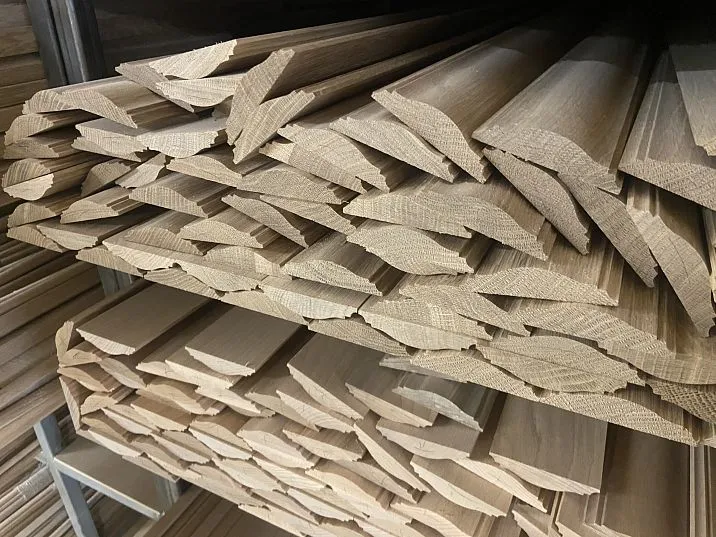
In modern interior design and architecture, wood is increasingly used, not only in traditional formats such as flooring, doors, or furniture. The idea of mounting wooden sticks on the wall, thus creating unique visual accents, unconventional storage solutions, and original decorative compositions. In this article, we will thoroughly examine the possible uses of wooden sticks, how to properly select the material and prepare the walls for installation, as well as how to combine functionality and aesthetics into a single design solution.


1. Historical context and symbolism of wood in interior design
The use of wood in construction and space decoration dates back to ancient times. Our ancestors used log structures to build houses and outbuildings, crafted furniture and utensils, relying on time-tested methods of wood processing. Wooden items have always been associated with reliability, warmth, comfort, and natural harmony.
In the context of wall decoration, wood has come to be perceived as an element capable of imparting a unique atmosphere to a space. Today, we see numerous design projects where wooden sticks mounted on the wall are arranged as vertical or horizontal planks, creating contrasting patterns, used as hangers, shelves, or decorative panels. This approach allows combining the traditional perception of wood with modern technological and stylistic techniques.
Symbolically, wood in interior design represents a connection with nature, tranquility, and stability. That is why wooden sticks mounted on walls can not only serve practical purposes but also create a special atmosphere conducive to rest and emotional balance.
2. Main ideas and directions for using wooden sticks on the wall




2.1. Decorative compositions
The most obvious and simultaneously creative way to use wooden sticks on the wall is to create an unusual decorative composition from them. There are numerous variations of such design:
- Geometric patterns. Sticks can be arranged in the form of diamonds, zigzags, circular ornaments. Depending on the length and diameter of the planks, as well as their shade, different visual effects can be achieved.
- Vertical accents. Placing wooden sticks vertically makes the space appear taller and the wall more dynamic. This is especially useful in rooms with low ceilings.
- Abstract panels. Designers often combine sticks of different shapes, thicknesses, and textures to create a "art object" on the wall. Such a solution gives the room originality and individuality.
Our factory also produces:


2.2. Functional storage solutions
Besides decorative elements, wooden sticks on the wall they can also be used for storage:
- Wall-mounted hooks. A few short sticks, mounted at a slight angle, easily transform into hooks or holders for clothing, bags, and umbrellas.
- Shelves and racks. If sticks are attached parallel to each other and supplemented with wooden or metal crossbars, they form a compact wall shelf for books, magazines, or decorative items.
- Mounting for kitchenware. On the kitchen, wooden sticks can serve as a base for hanging frying pans, ladles, towels, and other household items. This is not only convenient but also gives the room a cozy, "rustic" look.
Get Consultation
2.3. Space zoning
In large rooms or studios where it's necessary to visually separate functional zones, vertical wooden sticks on the wall can serve as a kind of partition. They do not create a solid barrier, but still allow separating, for example, the dining area from the living room or the workspace from the bedroom. Such a solution looks stylish and modern while preserving the feeling of spaciousness.
2.4. Accent panels
If there is a wall in the room that you want to highlight, you can use wooden sticks as an accent panel. For this, select planks of a specific length, shade, and texture. They can be mounted closely together to create the effect of a single block, or left with gaps to form a rhythmic pattern. Such a wall will become the main visual accent of the room and will attract guests' attention.
3. Choosing wood and preparing materials
3.1. Wood species
When choosing wood species for wall decoration, consider several factors: budget, expected load, overall interior style, and color scheme. Most common options:
● Spruce and pine. Affordable and relatively easy to process, but softer than hardwoods. Suitable for decorative projects and light structures.
● Beech. Has an attractive texture, good strength, and is relatively easy to sand and lacquer. Suitable for both decoration and functional elements (hooks, shelves).
● Ash. Valued for its beautiful structure and high strength. A great option if the wooden sticks on the wall must withstand significant loads.
● Oak. Considered one of the strongest species. Has a rich texture and deep color. Suitable for rooms where durability and elegance are important.
3.2. Drying and treatment
Wood intended for wall mounting must be well-dried. Otherwise, over time, the sticks may warp or crack. The optimal moisture level is between 8–12%, ensuring the stability of the item's shape despite temperature and humidity fluctuations in the room.
It is also important to take care of protective treatment:
- Primer and antiseptics. They prevent mold, fungi, and pests from forming in the wood structure.
- Lacquer, oil, or wax coating. This not only protects the wood from external influences but also highlights its natural beauty, making the annual ring pattern more pronounced.
- Painting. If the design requires bright accents or a specific color, acrylic or alkyd paints can be used. However, this partially obscures the natural appearance of the wood.
3.3. Mounting hardware
Different methods are used for mounting sticks on the wall:
● Self-tapping screws and anchors. A classic option, especially when sticks must support weight (shelves, hooks).
● Liquid nails and construction adhesives. Suitable for light decorative structures when it's important to avoid visible mounting marks.
● Metal brackets and profiles. If sticks need to be mounted at some distance from the wall or to form a complex geometric structure, special angles and profiles are used.
Before installation, assess the condition of the wall (brick, concrete, drywall, wood) and select appropriate fasteners.
4. Wall Preparation and Installation Features
4.1. Surface Condition Assessment
Before mounting wooden sticks on the wallEnsure the surface is in satisfactory condition. If the wall is uneven, has cracks or damage, these must be repaired using putty, plaster, and additional profiles to reinforce the base if necessary.
4.2. Marking
To achieve a neat appearance, carefully plan the arrangement of the sticks. It is recommended to sketch the layout on paper or in a graphic editor, defining mounting points, spacing between elements, height, and angles of inclination. Then transfer this marking onto the wall using a level, tape measure, and pencil.
4.3. Installation Work
The installation process of wooden sticks may vary depending on the chosen mounting method:
- Mounting with self-tapping screws. Drill holes for anchors at marked points, then screw the stick to the wall, or first secure base beams, onto which the sticks are subsequently mounted.
- Using adhesive compounds. Clean the wall surface and the back of the sticks from dust and grease, then apply adhesive. Press the sticks against the wall and temporarily secure them with clamps or supports until the adhesive sets.
- Installation on metal brackets. Suitable when a gap between the wall and wooden elements is needed or additional strength is required. Install special brackets onto which the sticks are mounted or screwed.
Important: Maintain precision and care to avoid misalignment and unevenness. A laser level or plumb bob can be used if necessary to check vertical and horizontal alignment.
5. Styles and Design Approaches
5.1. Minimalism and Scandinavian Style
In minimalist interiors, where light tones and simple forms dominate, wooden sticks on the wall can serve as a subtle accent. Often, light natural wood species (pine, beech) are used, and the sticks are arranged with clear rhythm and equal intervals. This creates an impression of order and lightness.
5.2. Loft and Industrial Style
Contrasts and rough textures are welcomed here. Sticks made of weathered wood, preserved bark marks, or artificially created scratches combine well with concrete, brick, or metal surfaces. Leaving some sticks in their 'unfinished' state can highlight their natural beauty.
5.3. Classic and Country Style
For more traditional interiors, heavy sticks made of oak or ash with warm brown tones are suitable. They can be decorated with carvings, simple ornaments, or metal inlays. In country style, sticks resembling gnarled branches are often used, giving the room a countryside house atmosphere.
5.4. Eco Style and Boho
Eco style welcomes everything natural: unprocessed surfaces, live wood grain, soft natural tones. Sticks can be combined with decorative elements made of jute, cotton, or rattan. In boho style, where boldness and experimentation reign, sticks are often hand-painted, adorned with textile ribbons, beads, or feathers.
6. Maintenance and operation
To ensure wooden sticks retain their appearance for as long as possible, it is important to follow several simple rules:
- Regular cleaning. Wipe sticks with dry or slightly damp cloth to remove dust and minor dirt. Avoid abrasive cleaning agents that may damage the protective layer.
- Maintaining microclimate. Sudden changes in humidity and temperature negatively affect wood, causing it to dry out or warp. It is desirable to maintain stable humidity (40–60%) and temperature in the room.
- Updating the finish. If sticks are coated with varnish, oil, or wax, this finish may wear over time. It is recommended to periodically renew the protective layer, especially in areas of frequent contact with hands, clothing, or household items.
- Protection from direct sunlight. Prolonged exposure to bright sunlight may cause wood to fade and the varnish to crack. If possible, use curtains or blinds to prevent direct sunlight.
7. Advantages and Possible Limitations
7.1. Advantages
- Aesthetics and naturalness. Wood in interior design provides a sense of warmth, coziness, and connection to nature.
- Versatility. Wooden sticks on the wall suit a wide range of styles—from minimalism to country and boho.
- Functionality. With proper selection of wood species and installation, sticks can bear practical loads (hangers, shelves).
- Ecological. Wood is a renewable resource, provided responsible forestry practices are followed.
7.2. Possible Limitations
- Sensitivity to moisture and temperature fluctuations. In not all rooms (for example, bathrooms), wooden elements retain their shape and appearance without special treatment.
- Need for regular maintenance. To prevent wood from losing its appeal, you will need to periodically renew the finish and monitor humidity.
- Price. Some wood species (oak, beech) are quite expensive, especially when considering large volumes or unique finishing qualities.
8. Practical tips and recommendations
- Start simple. If you lack experience in assembly, try first a small decorative composition or a rack made of several short sticks. This way, you will understand the principles of working with wood and fasteners.
- Use templates and stencils. Cardboard templates are convenient for marking patterns evenly or accurately positioning holes for fasteners.
- Experiment with texture and color. Sometimes it’s enough to stain part of the sticks with a dark tone, while leaving another part in its natural color, to achieve an interesting contrast.
- Combine wood with other materials. Metal, glass, concrete, or brick walls can serve as an excellent backdrop for wooden planks. This adds depth and variety of textures to the interior.
- Consult professionals for complex projects. If planning large-scale decoration (e.g., an entire accent wall or partition made of sticks), and you are unsure of your skills, it is better to entrust the installation to experienced craftsmen.
9. Development Prospects and Modern Trends
In the context of growing interest in ecology, biophilic design, and eco-style, one can expect further expansion of the application areas of wooden sticks in interior design. New technologies allow wood to be processed in such a way that it becomes more resistant to external influences without losing its natural appeal.
Bold combinations continue to appear in design solutions:
● 3D constructions, where sticks form complex geometric shapes on walls;
● Built-in lighting recessed into the gaps between planks;
● "Living" walls, where wooden elements combine with plants to create the effect of green zones within the room.
Thus, wooden sticks on walls cease to be merely an "exotic idea" and become a legitimate part of interior design trends, allowing every homeowner to find their unique way to express individuality and create a cozy, inspiring atmosphere.
10. Conclusion
The use of wood in interiors has never lost its relevance, but now it is gaining new life, transitioning from classic forms to more creative and modern ones. Wooden sticks on walls are a vivid example of how a familiar material can be reinterpreted and transformed into a basis for design experiments. Whether it’s a small rack, a large accent wall, or a functional bookshelf, natural wood sticks bring harmony and beauty of nature into the space.
By choosing appropriate wood species, mounting methods, and decorative finishes, you can create an original project reflecting your tastes and needs. At the same time, do not forget about wood care to ensure it continues to delight you with its appearance and retains its functional qualities for a long time.
Ultimately, choosing to use wooden sticks on walls is a step toward ecology, aesthetics, and practicality. It combines traditional craftsmanship with modern trends, allowing each person to find their own path to creating a truly unique and comfortable space for living and creativity.