Article Contents:
- History and Traditions: From Terem Houses to Villas, From Carving to Classicism
- Functionality and Expressiveness: How Wood Structures Space
- Application Areas: Doors, Windows, Ceilings, Arches, Columns
- STAVROS Products: How Wooden Frames Turn a House into a Work of Art
- Interior Styles: Classic, Modern, Minimalism, Eclecticism
- Selection and Installation: Tips, Mistakes, Nuances
- Case Studies: How Framing Changed the Perception of Space
- Conclusion: Why Wooden Details Are an Investment in Aesthetic Intelligence
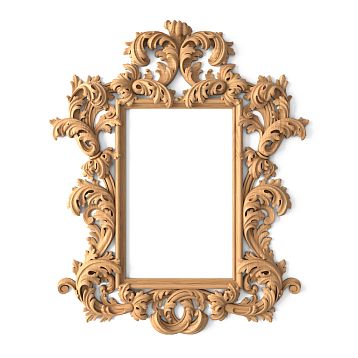
In the world of architectural design, there are elements capable of transforming ordinary space into a work of art. Wooden Frames — precisely such an element that, like a picture frame, gives completeness and expressiveness to the interior. It is not merely a decorative detail, but a crucial structural component that forms the architectural language of space, its character and mood.
Wooden frames are a kind of punctuation in the syntax of interior design. They set accents, highlight significant elements, create rhythmic structure, and unite scattered details into a harmonious composition. Just as properly placed punctuation makes text clear and expressive, thoughtfully selected wooden frames give interiors clarity, logic, and aesthetic coherence.
Wood as a material possesses unique properties that make it ideal for creating frames. Its natural beauty, warmth, tactile appeal, and ability to 'breathe' create a special atmosphere in a room. Each wood cut is unique, like a fingerprint, giving items made from it an unmistakable character and individuality. At the same time, wood is easy to work with, allowing the realization of the most complex and refined design solutions.
In this article, we will examine the history and traditions of using wooden frames, their functional and aesthetic aspects, application areas, and stylistic possibilities. We will also share practical tips for selecting and installing these elements and present several case studies demonstrating their transformative potential in interior design.


History and Traditions: From Terem Houses to Villas, From Carving to Classicism
The history of wooden frames is inseparably linked to the history of architecture and reflects the evolution of aesthetic perceptions, technical capabilities, and cultural traditions of different epochs and peoples.
In Russian architecture, wooden frames hold special significance. The tradition of decorating windows and doors with carved casings dates back to ancient times. Initially, these elements served not only decorative but also protective functions — they sealed gaps between the log structure and window frames, protecting homes from cold and drafts. Gradually, this utilitarian element became a crucial decorative component, reflecting the skill of the carver and the status of the home’s owner.
Russian casings are a true encyclopedia of folk art, preserving ancient symbols and images. Solar signs, depictions of birds and plants, geometric patterns — all of this is not merely decoration, but a kind of language through which our ancestors expressed their understanding of the world. Each region of Russia had its own characteristics in casing design, creating a rich diversity of styles and techniques.
In European architecture, wooden frames also played an important role. During the Renaissance, the decoration of door and window openings became an important element of architectural composition. Complex portals with columns, pilasters, and pediments appeared, often made of wood, especially in interior spaces. Masters of that time created true masterpieces, combining various woodworking techniques — carving, inlay, gilding.
Baroque and Rococo brought a particular opulence and theatricality to the art of framing. Complex curved forms, abundance of decorative elements, asymmetrical compositions appeared. Wood, due to its plasticity, allowed for the embodiment of the most daring and imaginative ideas. Especially popular became carved garlands, cartouches, shells, floral motifs.
Classicism returned frames to strictness and symmetry based on classical models. During this period, wooden portals with columns and pilasters, friezes, and cornices became widespread. Special attention was paid to proportions and adherence to the canons of the order system. Wood was often imitated as stone, painted or covered with white enamel, creating the effect of marble or plaster.
In the era of Historicism in the 19th century, architects freely combined elements of different styles, creating eclectic but harmonious compositions. This was a period of flourishing decorative and applied arts, when wooden frames achieved incredible diversity in form and execution techniques.
Modernism of the early 20th century brought a new understanding of decorative elements. Frames acquired smooth, flowing forms inspired by natural motifs. Plant ornaments, stylized flowers and leaves, sinuous lines became popular. During this period, masters often combined wood with other materials — metal, glass, ceramics — creating complex and expressive compositions.
Constructivism and functionalism of the mid-20th century practically abandoned decorative framing, focusing on the purity of lines and functionality. However, by the end of the century, interest in historical forms revived, but on a new technological level. Modern materials and technologies allow creating decorative elements that do not fall short in beauty compared to historical examples, but surpass them in strength, durability, and ease of installation.




Functionality and Expressiveness: How Wood Structures Space
Wooden frames perform a dual function in interiors — practical and aesthetic. On one hand, they solve important technical tasks; on the other, they are a powerful expressive tool that shapes the appearance of space.
Practically, frames protect the edges of walls, ceilings, and openings from damage, conceal joints between different materials and structures, mask technical elements and irregularities. They also can perform sound insulation, reducing noise penetration through door and window openings.
But their aesthetic role is equally important. Wooden frames structure space, making it more organized and readable. They create visual boundaries, highlight functional zones, emphasize architectural features of the room. Thanks to frames, interiors gain depth and multi-layeredness, becoming more interesting and expressive.
The ability of wooden frames to influence the perception of room proportions is particularly significant. With their help, one can visually alter ceiling height, opening width, room size. For example, vertical frames with clear lines create a sense of greater height, while horizontal ones expand the space. Heavy frames make a room more intimate and cozy, while light and delicate ones make it more airy and spacious.
Wood as a material possesses unique expressive capabilities. Its texture, grain, and color create a special atmosphere in a room. The warmth and naturalness of wood make interiors more welcoming and comfortable. At the same time, wood combines beautifully with other materials — stone, metal, glass, textiles — allowing for diverse stylistic solutions.
It is important to note that wooden frames can serve as accent elements, drawing attention and setting the tone for the entire interior, or as a neutral background highlighting other details. It all depends on their shape, size, color, and placement in space.
Lighting plays a special role, as it can dramatically alter the perception of wooden frames. Directional lighting highlights the relief and texture of wood, creating interesting chiaroscuro effects. Diffused lighting makes the frames softer and more neutral. The play of light and shadow on wooden surfaces creates a lively, constantly changing scene, making the interior dynamic and expressive.
Our factory also produces:


Application areas: doors, windows, ceilings, arches, columns
Wooden frames are used in various interior elements, each with its own characteristics and requirements.
Doorways are one of the most traditional applications of wooden frames. They not only protect the edges of the opening from damage but also create an expressive architectural accent. A doorway can be simple and minimalist or represent a complex composition with columns, pilasters, friezes, and cornices. In classical interiors, doorways with pediments are often used, in baroque ones — with curved elements and carved decoration, and in modern ones — with clean geometric forms.
Window frames serve both a practical function — protecting joints between the window frame and the wall — and a decorative one — giving the window a finished and expressive look. They may include a windowsill, casing, and a sash (decorative cornice above the window). Depending on the interior style, window frames can be simple or richly decorated, heavy or light, contrasting or blending into the overall background.
Ceiling moldings — cornices, moldings, rosettes, coffered ceilings — structure the ceiling space and create transitions between walls and ceilings. They can be purely decorative elements or serve a practical function — concealing technical utilities, masking joints between different materials. Ceiling moldings look especially effective in rooms with high ceilings, where they can create complex multi-level compositions.
Arched frames give openings between rooms a special expressiveness. An arch is not just a functional element, but an important architectural motif with a rich history and symbolic meaning. Wooden arched frames can have various shapes — semicircular, elliptical, pointed, horseshoe-shaped — allowing for diverse stylistic solutions. They can be standalone elements or part of a more complex composition with pilasters, impost blocks, and keystone stones.
Columns and pilasters are vertical elements that can serve both structural and decorative functions. Wooden columns are often used to frame openings, zone spaces, and create architectural accents. They can be executed in various orders — Doric, Ionic, Corinthian, Composite — each with its own characteristics and symbolic meaning. In modern interiors, columns often take on more abstract forms while retaining their expressiveness and significance.
Panels and moldings are elements used for decorative wall treatment. They can create various compositions — from simple frames to complex multi-level structures. Wall panels not only decorate the interior but also protect walls from damage, improve sound insulation, and conceal technical utilities. Depending on the interior style, they can be smooth or relief, minimalist or richly decorated.
Baseboards and cornices are elements that frame the junctions between walls and floors, walls and ceilings. They not only conceal technical gaps but also create a smooth transition between different planes, making the interior more harmonious and complete. The shape and size of baseboards and cornices depend on the interior style and room proportions. In classical interiors, they usually have complex profiles and significant height, while in modern interiors — more minimalist forms.
Get Consultation
STAVROS Products: How wooden frames turn a house into a work of art
The STAVROS company specializes in producing high-quality solid wood products capable of transforming an ordinary interior into a work of art. The product range includes all types of wooden frames — from classic moldings and cornices to complex carved elements and architectural details.
The distinctive feature of STAVROS products is their exceptional quality, achieved through the use of premium wood, modern processing technologies, and the craftsmanship of experienced specialists. Each item undergoes strict quality control at every stage of production, guaranteeing flawless execution and longevity.
The company offers a wide range of stylistic solutions — from classical and historical to modern and avant-garde. This allows selecting frames perfectly matching the interior concept and the client’s individual preferences. All items feature harmonious proportions, precisely defined lines, and meticulous detailing.
STAVROS pays special attention to the ecological nature of its products. All items are made from natural wood without harmful chemicals. For final finishing, only eco-friendly varnishes, oils, and waxes are used, which do not emit toxic substances and are safe for health.
A key advantage of the company is the ability to manufacture custom-made items according to individual projects. This enables implementing the most daring design ideas and creating a truly unique interior. STAVROS specialists will help develop a project, select optimal materials and technologies, and ensure professional installation of finished items.
STAVROS moldings and cornices feature a variety of profiles — from simple and minimalist to complex multi-level designs. They can serve as standalone decorative elements or be part of more complex compositions. Thanks to precise manufacturing, they fit together perfectly, creating flawless lines and angles.
STAVROS doorways and casings are not just functional elements, but true works of art. They can be executed in various styles — from classical to modern — using different woodworking techniques — from simple profiling to intricate carving. Special attention is paid to proportions and details, which make the doorway harmonious and expressive.
STAVROS ceiling rosettes and coffered ceilings allow creating striking ceiling compositions that become the focal point in the interior. They can be classical, using traditional ornaments and motifs, or modern, with abstract or geometric patterns. Due to the lightness of wood, these elements do not impose excessive load on ceiling structures.
STAVROS columns and pilasters are elements that impart the interior with special architectural expressiveness. They can be executed in various orders, adhering to classical proportions and details. At the same time, the company offers modern interpretations of these elements that seamlessly integrate into current interior solutions.
STAVROS wall panels and boiserie allow creating various compositions on walls — from simple frames to complex multi-level structures. They can be smooth or relief, using various woodworking techniques. Special attention is paid to surface quality, which must be perfectly flat and smooth.
Interior styles: Classic, Modern, Minimalism, Eclecticism
Wooden frames play an important role in forming the stylistic image of the interior. They can emphasize its historical affiliation or create interesting stylistic contrasts. Let’s consider how wooden frames are used in various interior styles.
The classical style implies the use of frames based on ancient models and the order system. Here, symmetrical compositions, clear proportions, traditional ornaments are appropriate. Doorways are often framed with pilasters or columns, friezes, and cornices. Window frames include casings and sashes, sometimes with pediments. Ceilings are decorated with cornices with modillions, rosettes, coffered ceilings. Walls are divided by panels, pilasters, cornices. The color palette usually includes white, beige, gold, sometimes with saturated colors for accents. Materials can be natural wood of valuable species or painted wood imitating plaster or marble.
Baroque and Rococo are distinguished by particular opulence and theatricality. Frames in these styles have curved forms, asymmetrical compositions, and an abundance of decorative elements. Carved garlands, cartouches, shells, floral motifs are popular. Door and window frames often have complex shapes with broken pediments, volutes, sculptural elements. Ceilings are decorated with stucco, painting, gilding. The color palette includes white, gold, pastel tones, sometimes with contrasting accents. Materials are usually carved wood, often with gilding or polychrome painting.
Empire and Neoclassicism return to ancient models but interpret them more strictly and monumentally. Frames in these styles are characterized by clear lines, symmetry, and the use of military and imperial symbolism. Laurel wreaths, eagles, sphinxes, griffins are popular. Doorways are often framed with columns or pilasters with capitals, friezes with meanders or palmettes. The color palette includes white, gold, deep shades of red, blue, green. Materials can be natural wood or painted, often with gilding or bronze finish.
Modernism of the early 20th century brought a new understanding of decorative elements. Frames in this style have smooth, flowing forms inspired by natural motifs. Plant ornaments, stylized flowers and leaves, sinuous lines are popular. Door and window frames often have asymmetrical compositions, using stained glass, carving, inlay. The color palette includes muted, complex shades — lilac, olive, terracotta, turquoise. Materials are usually carved or inlaid wood, often combined with metal, glass, ceramic.
Art Deco of the 1920s-30s combines elements of modernism, cubism, constructivism with motifs of ancient art — Egyptian, African, Mayan. Frames in this style are characterized by geometricity, stepped forms, contrasting material combinations. Zigzags, sun rays, stylized flowers and animals are popular. Doorways often have stepped forms, using exotic wood species, metal, glass. The color palette includes black, white, gold, silver, bright contrasting colors. Materials can be natural exotic wood or painted, often with inlays, metallic or mirrored inserts.
Minimalism implies the use of simple, geometrically pure forms, minimal decorative elements. Frames in this style have simple lines, sharp angles, no ornamentation. They often serve purely functional roles — concealing joints, protecting corners, creating transitions between different materials. The color palette includes white, black, gray, natural wood tones. Materials are usually natural wood with minimal processing, highlighting its natural beauty.
Scandinavian style combines functionality with coziness, simplicity with elegance. Frames in this style feature clean lines, minimal decoration, yet create a warm and welcoming atmosphere. They are often made from light wood species — pine, birch, beech — with minimal processing that highlights the natural texture. The color palette includes white, light gray, pastel tones, and natural wood shades. Special attention is paid to material quality and craftsmanship, as well as the functionality of each element.
Eclecticism allows freely combining elements of various styles, creating unique and expressive compositions. Frames in this style may combine classical forms with modern materials, traditional techniques with innovative solutions. The main requirement is harmony and overall coherence of the composition, regardless of stylistic diversity of individual elements. The color palette can be highly varied, ranging from neutral to contrasting and vibrant. Materials may include natural wood of various species, as well as painted wood with different finishes.
Selection and Installation: Tips, Mistakes, Nuances
Choosing and installing wooden frames is a responsible process requiring attention to detail and understanding of basic design principles. Let’s consider the main aspects to consider.
When selecting wooden frames, it is necessary to consider the interior style, room proportions, functional requirements, and budget. Style determines the shape, size, and decorative elements of the frames. Room proportions affect the scale of the frames — in small rooms with low ceilings, lighter and more compact elements are preferable, while spacious rooms with high ceilings suit more substantial and decorative frames. Functional requirements determine the material, construction, and mounting method of the frames. Budget affects material choice, complexity of execution, and number of decorative elements.
It is important to correctly determine the size of the frames. They should be proportional to the size of the room and the elements they frame. Too bulky frames in a small room will look bulky and inappropriate, while too light frames in a large room will appear insignificant and unexpressive. Certain proportion rules, based on classical orders, help determine optimal frame sizes.
When selecting material, it is necessary to consider not only its aesthetic qualities but also practical properties — strength, resistance to moisture and temperature fluctuations, ease of processing and installation. Different wood species have their own characteristics — oak is strong and durable but heavy and difficult to process; pine is light and affordable but less strong and resistant to damage; beech has a beautiful texture and is easy to process but is sensitive to moisture.
The color and finish of frames should harmonize with the overall color palette of the interior. They can be either contrasting, creating a striking accent, or neutral, emphasizing other elements. Natural wood can be coated with transparent varnish, highlighting its texture, or painted in any color. Popular finishing techniques include patination, gilding, and silvering, which give frames a distinctive expressiveness.
Installing wooden frames requires precision and care. It is necessary to properly mark mounting locations, taking into account the characteristics of walls, ceilings, and openings. It is important to ensure secure mounting that can withstand the weight of the frames and not deform over time. Various fasteners — self-tapping screws, anchors, adhesive — are used depending on the base material and weight of the frames.
Special attention should be paid to corner and joint processing. They should be neat, without gaps or unevenness. Special corner elements or a "bevel" technique are used, where frame edges are cut at a 45-degree angle and joined to form a perfect angle. Joints between individual frame elements should be minimal and inconspicuous.
After installation, final finishing is required — fill mounting spots, sand the surface, apply protective coating. This ensures aesthetic completion and longevity of the frames.
Common mistakes when selecting and installing wooden frames include style mismatch, incorrect proportions, poor-quality material, and sloppy installation. To avoid these errors, it is recommended to consult professionals who will help select the optimal solution and ensure quality installation.
Cases: How Framing Changed the Perception of Space
Let’s consider several specific examples demonstrating the transformative potential of wooden frames in interior design.
Case 1: Classic Living Room in a Modern House
Task: Create an elegant, respectable space with classical proportions in a modern house with high ceilings and large windows.
Solution: Using wooden frames to structure the space and give it a classical character. The ceiling was decorated with cornices featuring modillions around the perimeter and a central rosette from which rays radiated, dividing the ceiling into sectors. Walls were divided into panels using moldings that created a geometric pattern. Doorways were framed with porticoes featuring pilasters and friezes. Window openings received casings and sash frames with pediments.
Result: The space acquired classical elegance and structure. High ceilings appeared even more impressive due to decorative elements. Walls divided into panels created a rhythmic structure, making the space more organized and harmonious. Door and window porticoes became architectural accents, adding particular expressiveness to the interior.
Case 2: Minimalist Bedroom with Accent Wall
Task: Create a calm, minimalist space for rest, but avoid monotony and blandness typical of some minimalist interiors.
Solution: Using wooden frames to create an accent wall behind the bed. The wall was decorated with dark wood panels featuring a simple geometric pattern. Other walls remained white with minimal decoration. The ceiling was finished with a simple cornice around the perimeter, creating a clear boundary between walls and ceiling. Doorways received minimalist casings that supported the overall style.
Result: The interior gained expressiveness and individuality while retaining its minimalist aesthetic. The accent wall became the composition’s focal point, giving the space depth and character. Simple yet clear lines of cornices and casings created a structure that made the interior more organized and complete.
Case 3: Eclectic Kitchen-Dining Area
Task: Create a cozy, functional space combining elements of various styles — from classic to contemporary.
Solution: Using wooden frames to create stylistic accents and zone the space. The kitchen area was styled in a modern style, with clean lines and minimal decoration. The dining area received a more classical treatment — the ceiling was decorated with cornices and a central rosette, walls with panels and moldings. The arched opening between zones was framed with a wooden portico featuring pilasters, which became a connecting element between different stylistic solutions.
Result: The space acquired multifacetedness and expressiveness while retaining overall coherence and harmony. Wooden frames helped clearly delineate functional zones, giving each its own character. The arched portico became not only a decorative element but also a symbolic transition between different stylistic solutions.
Final: Why Wooden Details Are an Investment in Aesthetic Intelligence
Wooden frames are not merely decorative elements but crucial structural components of interior design, forming its architectural language and aesthetic expressiveness. They reflect cultural traditions, historical styles, individual taste, and perceptions of beauty and harmony.
Investing in quality wooden frames is investing in the aesthetic intelligence of our home — its ability to create a harmonious, expressive, emotionally rich space. Aesthetic intelligence is not merely beauty but a deep understanding of proportions, rhythms, forms, textures, their interactions, and their influence on human perception.
Unlike many other interior elements, wooden frames possess exceptional durability and timeless appeal. They are not subject to rapid fashion changes and do not lose their relevance over time. Quality wooden elements can serve for decades, gaining even greater value and character with age.
Wooden frames crafted from solid wood using traditional techniques hold special value. They carry the energy of living material, the warmth of human hands, the craftsmanship and experience of generations. In a world where more and more things are mass-produced from artificial materials, such elements become especially valuable and significant.
Wooden frames create a unique atmosphere in a room — warm, cozy, welcoming. They interact with light, creating interesting light-and-shadow effects, change throughout the day, and respond to changes in humidity and temperature. This makes the interior alive, dynamic, and constantly renewing.
It is important to note that wooden frames are an eco-friendly and sustainable choice. Wood is a renewable resource that, with proper forest management, does not harm the environment. Wooden items can be recycled or naturally decompose without leaving harmful residues. In an era of growing environmental awareness, this is becoming an increasingly important factor when selecting materials for interior design.
Wooden frames are also a way to support traditional crafts and craftsmanship. In a world where manual labor is increasingly replaced by machine production, it is important to preserve and develop traditional woodworking techniques and pass them on to new generations. Choosing handmade items supports not only individual artisans but also the entire culture associated with woodworking.
In conclusion, wooden frames are not merely decorative elements, but essential components of interior architectural language, shaping its character, mood, and expressiveness. They reflect our understanding of beauty, harmony, proportion, our relationship with traditions and innovations, and our aesthetic intelligence. Investing in quality wooden frames is investing in enduring, timeless beauty that will delight us and our descendants for many years.