Article Contents:
- Introduction: Advantages of wooden wall finishing
- Applied decoration: Modern accent for walls
- Essence and advantages of applied decoration
- Application of applied decoration in interior design
- Wooden skirting boards
- Wooden cornices
- Wooden moldings and wooden battens
- Wooden strips
- Wooden corners
- Raw material selection and preparation
- Processing technologies and carving
- Automated production and handcraftsmanship
- Application of protective and decorative coatings
- Quality control and ecological standards
- Classic wall finishing
- Modern minimalism and naturalness
- Eclecticism and individual solutions
- Regular cleaning and maintenance
- Treatment with Protective Compounds
- Climate Condition Control
- Professional Restoration
- Durability and investment attractiveness
- Ecological safety
- Energy efficiency
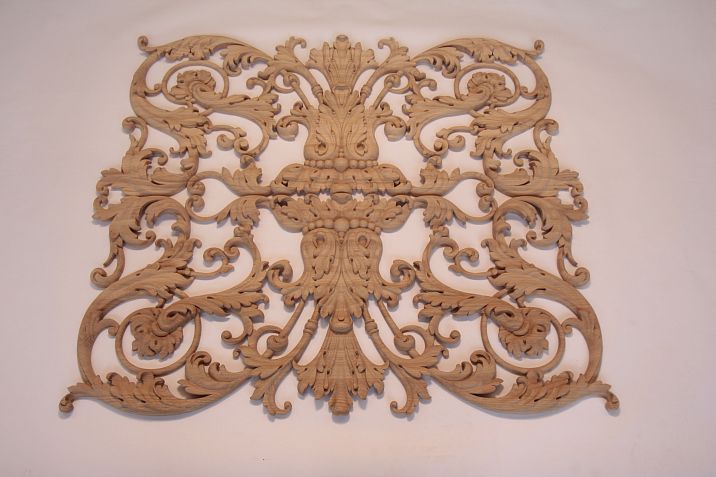
Wood has always been and remains a symbol of warmth, comfort, and natural beauty. In interior design, wooden materials for wall finishing acquire special significance, as they not only decorate the space but also create an atmosphere of ecological purity, comfort, and harmony. Modern wood processing technologies allow creating unique decorative elements capable of transforming any space. In this article, we will thoroughly examine the use of wooden materials for interior wall finishing, with an emphasis on applied decoration, as well as discuss key trim elements — skirting boards, cornices, moldings, battens, strips, and corners. Each key term is provided with a separate link for your convenience.


Introduction: Advantages of wooden wall finishing
Wooden wall finishing is not only a way to give the interior a natural beauty, but also an opportunity to achieve high thermal and acoustic insulation. Wood, thanks to its texture and natural tones, creates a unique aesthetic image that cannot be reproduced using artificial materials. Moreover, the use of wood contributes to creating a healthy microclimate, as natural materials do not emit harmful substances.
Modern technologies allow integrating wooden materials into any interior — from classic to ultra-modern. Applied decoration occupies a special place in this process, enabling easy and quick updating of wall appearance, giving them depth and individuality.




Applied decoration: Modern accent for walls
Our factory also produces:


Applied Decor: Features and Advantages
Applied decor consists of decorative panels or overlays that are mounted directly onto the wall surface. This type of finishing allows hiding technological seams, defects of old coatings, or simply adding additional visual interest to the interior. Thanks to the variety of shapes, textures, and patterns, applied decor can imitate traditional carved patterns or embody modern design concepts.
One of the main advantages of applied decor is its versatility. It can be used both in residential and commercial spaces. Thanks to modern manufacturing methods, wooden overlays have high precision and durability, ensuring their unchanged appearance for many years.
To explore the possibilities of applied decor in more detail, we recommend visiting the link:applied decor
Get Consultation
Application of Applied Decor in Interior Design
Applied decor is ideal for creating accent walls in living rooms, bedrooms, or offices. It can be used to highlight specific zones, for example, in kitchen or bathroom interiors, where both aesthetic appeal and practicality are important. At the same time, overlays easily combine with other finishing materials, such as plaster, paint, or decorative wallpaper.
In interiors designed in eco or modern styles, natural wood applied decor becomes a central element that emphasizes the connection with nature and creates an atmosphere of coziness and warmth.
Wooden trim: Finishing Details
To make an interior look complete and harmonious, attention must be paid to details. Wooden trim is a set of decorative elements used to finish joints, transitions, and create neat wall finishes. Let's consider the main trim elements used in modern wooden wall finishing.
Wooden baseboards
Baseboards are lower finishing elements installed along the junction of the wall and floor. They perform several functions: they protect walls from mechanical damage, hide gaps between the floor and wall, and give the room a neat and finished look. Wooden baseboards are distinguished by their natural texture, rich color palette, and high durability.
For detailed information on baseboard options, please visit:Wooden skirting boards
Wooden cornices
Cornices are decorative elements installed at the junction of the wall and ceiling. They serve not only an aesthetic function but also help evenly distribute light in the room, creating visual effects of depth and volume. Wooden cornices highlight the natural beauty of wood and add elegance and refinement to the interior.
To learn more about cornices, please visit the following link:Wooden beams
Wooden moldings and wooden battens
Moldings are classic decorative elements used to create smooth transitions between different surfaces, such as walls, ceilings, and doorways. They can have various shapes and sizes, allowing them to be adapted to any architectural style. Together with wooden battens, moldings become the basis for creating complex decorative compositions, adding status and sophistication to the interior.
wooden moldings, wooden battensWooden strips
Strips are thin boards used to create decorative lines and rhythmic accents in the interior. They can be installed individually or in combination with other trim elements. Strips add additional depth and visual rhythm to walls, which is especially relevant for minimalist interiors where every detail matters.
To learn about strips, please visit the link:
Wooden cornersWooden rails
Corners are elements designed for neat finishing of junctions between walls and other surfaces, such as floors or ceilings. They serve to protect against mechanical damage and give the interior a finished look. Wooden corners are distinguished by their strength and aesthetics, making them an indispensable part of quality trim.
For more information about corners, please visit:
Learn more about corners here:Wooden angles
Production of Wooden Materials for Wall Finishing
Raw Material Selection and Preparation
The quality of the final product directly depends on the quality of the raw material used. In the production of wooden materials for wall finishing, high-strength, uniform-textured wood is selected. Wood species such as oak, beech, ash, or cherry have different aesthetic and physical properties, allowing the creation of products that meet diverse design requirements.
After selection, the wood undergoes a drying stage, which reduces its moisture content to an optimal level. This is an important process that prevents deformation, cracking, and mold growth in finished products. Then the wood is sanded and treated with special compounds that protect it from external influences and highlight the natural beauty of the material.
Woodworking and Carving
Modern woodworking technologies allow achieving incredible precision and neatness in execution. Using computer modeling and laser cutting, artisans can create complex decorative patterns and relief elements that cannot be reproduced using traditional methods.
One of the directions is the production of decorative wooden molding, used for interior wall finishing. Such elements can imitate both classical carving and modern abstract motifs, allowing to choose the optimal solution for any interior.
To study the possibilities of decorative wall molding in detail, see the link:applied decor
Automated Production and Handcraft
Modern production combines high-tech automated lines with traditional handcraft. CNC machines allow precise cutting, sanding, and shaping of wood, minimizing waste and ensuring consistent product quality. At the same time, the art of hand carving and decorative finishing remains indispensable for creating exclusive and unique decorative elements.
Application of Protective and Decorative Coatings
After forming the basic shape of the item, the wood undergoes additional processing, including sanding, varnishing, and applying protective coatings. Natural oils, waxes, and varnishes not only highlight the natural wood texture but also protect it from moisture, ultraviolet rays, and mechanical damage. This approach allows preserving the beauty and longevity of items used for wall finishing for decades.
Quality Control and Environmental Standards
Each item undergoes strict quality control. Modern laboratories conduct tests for strength, resistance to environmental exposure, and compliance with environmental standards. This ensures that the finished product is not only beautiful and functional but also safe for human health and the environment.
Application of Wooden Materials in Interior Design: Ideas and Examples
Classic Wall Finishing
In classic interiors, wooden materials for wall finishing are used to create luxurious and elegant spaces. Decorative elements in traditional style include carved panels, decorative wall molding, and trim consisting ofwooden baseboards, wooden cornices, wooden moldings, wooden battens, wooden planks and wooden corners. This approach allows creating a sense of grandeur, richness, and refinement of the interior.
In classic interiors, complex ornaments and relief patterns are often used, highlighting the historical significance and artistic value of wood. Hand carving and meticulous finishing create unique works capable of telling stories about traditions and crafts of past centuries.
Modern Minimalism and Naturalness
Modern interiors often favor minimalism, where every detail matters. In such spaces, wooden materials are used with an emphasis on naturalness and simplicity of lines. Here, wall molding becomes the main accent, allowing to create a harmonious space, not overloaded with unnecessary elements. CleanWooden skirting boards andWooden beams lines combined with subtlewooden rails andwith wooden corner blocks details create a sense of lightness and airiness, emphasizing the natural beauty of the material.
Eclecticism and Individual Solutions
Eclectic style allows freely combining different finishing elements. Here, decorative wall molding can be combined with classic trim, creating unique compositions reflecting the owner's individuality. Thanks to customization options, each finishing element — whetherwooden moldings, wooden beams orapplied decor — can be made to order, allowing to create a truly unique interior.
Practical Tips for Caring for Wooden Wall Finishing
Regular cleaning and maintenance
To maintain the original beauty of wooden materials, regular cleaning is necessary. Use mild cleaning agents designed for natural surfaces to avoid damage. Regular removal of dust and dirt helps preserve the natural color of wood and prevents stains.
Protective Treatment
To protect wood from moisture, ultraviolet rays, and mechanical damage, periodic treatment with natural oils, waxes, or special varnishes is recommended. Such coatings not only highlight the natural texture of the material but also create an additional protective layer, extending the service life of decorative elements.
Climate condition control
Wood is a material sensitive to sharp temperature and humidity changes. To preserve its properties, it is important to maintain a stable microclimate in the room. Avoid installing decorative elements near direct heat sources or humid areas without proper ventilation.
Professional Restoration
Over time, even well-treated wooden surfaces may require restoration work. In case of minor damage or loss of original luster, it is recommended to consult professionals specializing in wooden item restoration. This will help preserve the aesthetic value and functionality of the finishing for many years.
Economic and Environmental Efficiency of Wooden Wall Finishing
Investments in high-quality wooden wall cladding pay off through the durability and stability of materials. With proper care, natural wood can retain its properties for decades, reducing costs for repairs and interior updates. High strength and resistance to wear make wooden cladding an economically advantageous choice for any room.
Natural wood is an eco-friendly material that does not emit harmful substances and contributes to creating a healthy atmosphere in the room. The ecological and natural properties of wood are especially valuable in today's conditions, when increasing attention is paid to issues of sustainable development and environmental protection.
Ecological Safety
Wooden walls have high thermal and acoustic insulation properties, which help reduce heating and air conditioning costs. The natural structure of wood helps regulate humidity and maintain a comfortable microclimate, which is an additional advantage when selecting materials for interior finishing.
Energy Efficiency
Conclusion: The perfect blend of tradition and innovation
Conclusion: The perfect blend of tradition and innovation
Wooden materials for interior wall finishing represent a unique combination of natural beauty, durability, and modern processing technologies. Using applied decoration allows creating an interior filled with individuality and natural warmth, while joinery elements —Wooden skirting boards, Wooden beams, Wooden strips, Wooden rails andWooden angles — complete the interior image, giving it a sense of completeness and harmony.
The production of wooden materials is a complex yet inspiring process that combines centuries-old craftsmanship traditions with advanced technologies. From selecting high-quality raw materials to the final finishing, each stage is aimed at creating products capable of meeting the highest standards of modern design and ecology.
By creating an interior using wooden materials, you invest not only in beauty and functionality, but also in the health, comfort, and ecological purity of your home. May the walls adorned with natural wooden decor become a reflection of your taste, love for traditions, and commitment to innovation.
Each element of finishing — from —overlay decoration towooden corners — contributes to creating a unique space where traditions meet modernity, and natural wood provides warmth and comfort for many years.
Wooden materials for interior wall finishing: Art and technology in the world of applied decoration | Company Stavros