Article Contents:
- Historical Context and the Significance of Wood in Interior Design
- Middle Ages and the Renaissance
- Modern Use of Wood
- Natural Beauty and Uniqueness
- Applied Decor: A Modern Perspective on Traditional Art
- Processing Techniques and Modern Trends
- Wooden Baseboards: The Final Touch in Design
- Wooden Cornices: Harmony of Lines and Volumes
- Wooden Mouldings: The Aesthetics of Classic Design
- Wooden Planks: Strong Foundations for Finishing
- Wooden Laths: Lightness and Practicality
- Wooden Corner Pieces: Completing Details
- Handcrafted Work and Modern Technologies
- Natural Compositions and Ecological Safety
- Composite Materials and Innovative Solutions
- Aesthetic Appeal and Natural Warmth
- Durability and Reliability
- Ecological safety and naturalness
- Flexibility in Application and Variety of Solutions
- Classic Interiors
- Modern Minimalist Spaces
- Loft and Eco-Design Interiors
- Examples of Commercial Interiors
- Choosing quality material
- Processing Technologies and Protection
- Recommendations for Installation and Mounting
- Care Tips for Wooden Decor
- Creative solutions for residential spaces
- Solutions for office interiors
- Application in hotel and restaurant business
- Durability as a factor of savings
- Aesthetic value as a capitalization element
- Warmth and coziness as key factors
- Harmony and connection with nature
- Innovative technologies and eco-design
- Transformation of classicism: new forms and solutions
- Personalization and unique designer projects
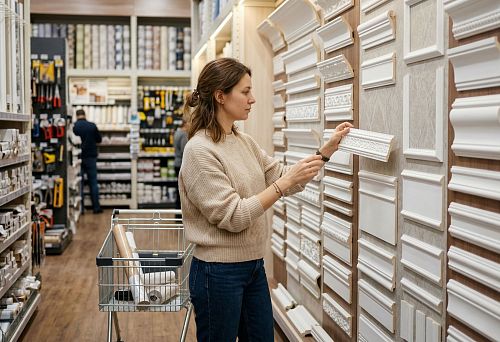
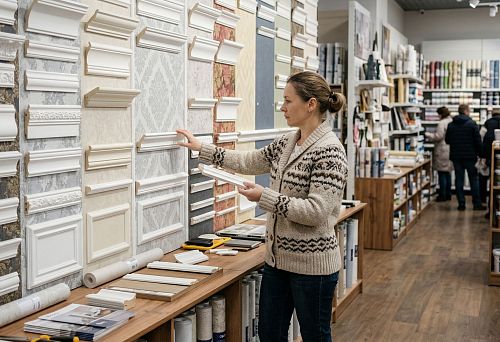
In the modern world, interior design is gaining increasing importance, and wooden materials for interior finishing occupy leading positions in creating cozy, warm, and natural spaces. Wood is not just a construction material; it is a symbol of nature, durability, and refined taste. In this article, we will thoroughly examine the features of using wood in interior design, focusing on aspects such as wooden decor, applied decor, and wooden trim elements. We will also discuss cornices, moldings, battens, planks, and corner pieces – elements that help create a harmonious and thoughtfully designed interior. Each of the mentioned key elements is provided with a separate link for more detailed study on the websiteStavros.


Historical context and significance of wood in interior design




Ancient Traditions and Crafts
Wood has been used by humans since ancient times to create dwellings, household items, and decorative elements. Even in antiquity, craftsmen recognized the full value of this material: its natural beauty, warmth, and strength. Wood carving, application of wooden decor, and other finishing elements became an indispensable part of the cultural heritage of various peoples. Every detail, whether intricate carving or simple finishing, conveyed the spirit of the time and the skill of the artisans.
Our factory also produces:


Modern use of wood
Today, wooden materials for interior finishing are used not only in traditional interiors but also in modern design solutions. The natural warmth and eco-friendliness of wood attract those who strive to create a comfortable and harmonious space. Thanks to modern processing and finishing technologies, wood becomes a universal material capable of meeting the demands of the most discerning clients.
Get Consultation
Wooden decor: Aesthetics, functionality, and individuality
Natural beauty and uniqueness
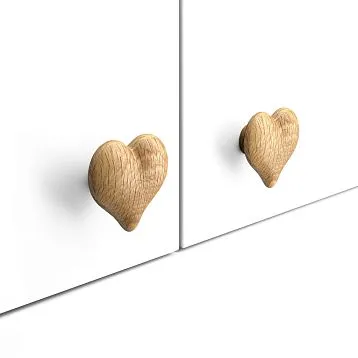
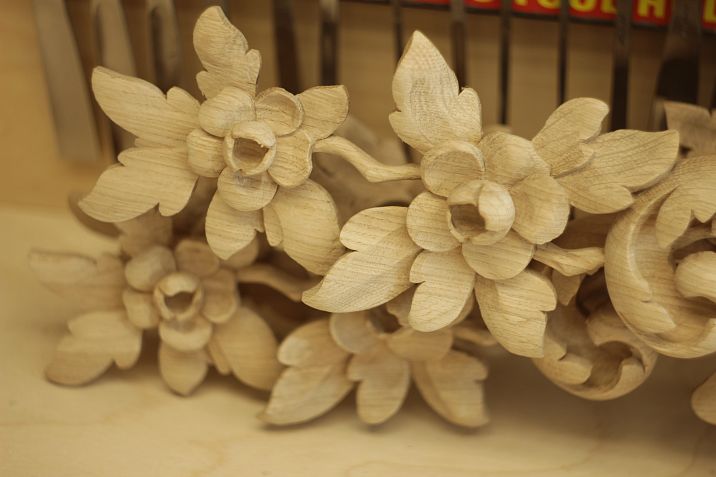
Wooden decor is a way to bring the liveliness and warmth of nature into the interior. Each texture, each shade of wood creates a unique atmosphere, giving the space a distinctive character. From intricate carved elements to minimalist panels – wooden decor can highlight the individuality of any interior. Such elements not only decorate the space but also serve as accents, creating a dynamic visual image.
Applied decor: A modern view of traditional art
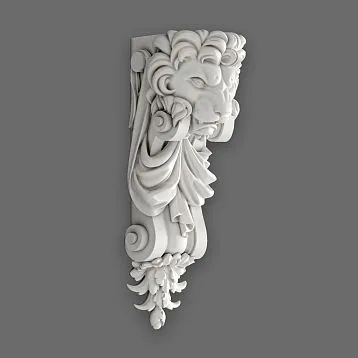
One of the most popular types of finishing isapplied decorThis type of decorative elements allows quickly and effectively transform any interior. Wood veneer appliqués can imitate complex ornaments, relief patterns, or even imitate antique carving. They are applied to walls, furniture, and other surfaces, adding depth and volume to the interior. The advantage of applied decor is that it can be easily integrated into various styles – from classic to modern minimalism.
Processing techniques and modern trends
Artisans use various techniques to create wooden decor. This includes hand carving, computer modeling, and combined methods that combine traditional techniques with modern innovations. Such a combination allows achieving high precision in execution and creating unique decorative elements capable of satisfying even the most demanding designers. Wooden decor not only visually enhances the room but also creates a sense of coziness, naturalness, and warmth.
Wooden trim: Elements forming the integrity of the interior
Wooden skirting boards: The finishing touch in design
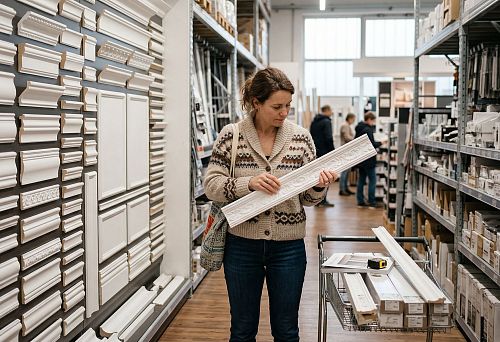
One of the important elements of wooden trim areWooden skirting boardsSkirting boards perform several functions: they protect the junctions between the wall and floor, hiding technical gaps, and also add completeness to the interior. Thanks to the use of natural solid wood, skirting boards become an integral part of the design, emphasizing elegance and high-quality finishing. Choosing wooden skirting boards, one can be sure of the durability and aesthetic appeal of the product.
Wooden cornices: Harmony of lines and volumes
are no less important andWooden beams. Cornices play a significant role in zoning space, as well as in distributing light and creating visual effects. They can be both thin and minimalist, or massive, serving as an accent element. Wooden cornices add elegance and neatness to interiors, creating an effect of a finished and thoughtfully designed space. The use of cornices is especially relevant in living rooms, dining rooms, and hallways, where they become a connecting element between different zones.
Wooden moldings: The aesthetics of classic style
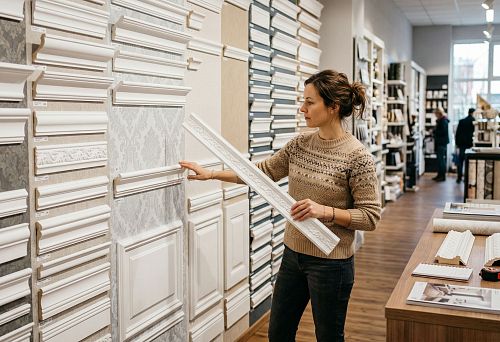
Wooden moldings are a true symbol of classic style. They allow creating a refined transition between walls, ceilings, and other interior elements. Moldings can have various shapes and sizes, enabling them to adapt to any architectural features of the room. Their use allows highlighting the richness of details and giving the interior a sense of status. Thanks to wooden moldings, even the most modest spaces can transform into elegant and luxurious halls.
wooden strips: Strong foundations for finishing
. These elements play an important role in forming the overall image of the interiorwooden planks. These elements not only serve a decorative function but also serve as a basis for creating various structural solutions. They are used to frame windows, doors, and also to create decorative panels. Strong and aesthetically pleasing, wooden strips allow achieving harmony in design, highlighting the natural texture and richness of wood color.
Wooden strips: Lightness and practicality
Wooden rails are thin planks used to create decorative elements on walls, ceilings, and even furniture. They are ideally suited for implementing concepts with minimalist elements, where every detail matters. Strips help structure space, adding volume and depth, and can be used as a standalone decorative element or in combination with other materials.
Wooden corners: Finishing details
Special attention deservesWooden angles, which are used for neat finishing of joints between different surfaces. They give the interior a sense of completion, hiding possible technical flaws and ensuring the durability of structural connections. Wooden corners made of natural wood are not only functional but also aesthetic, highlighting the individuality of each interior detail.
Wood processing technologies and modern finishing methods
Handcrafted work and modern technologies
Modern wood processing methods represent a unique combination of traditions and innovations. The handcrafted work of masters with years of experience allows creating unique decorative elements with individual character. At the same time, the use of modern machines and computer modeling ensures precision and reproducibility of products. Such a symbiosis of technologies allows achieving incredible results, ensuring high quality and durability of finishing materials.
Natural compositions and eco-friendliness
One of the most important characteristics of wooden materials is their eco-friendliness. Natural wood does not emit harmful substances, making it an ideal choice for interior finishing of rooms where care for the health and comfort of residents is a priority. Using natural oils, waxes, and other compositions for wood treatment allows preserving its natural beauty and protecting it from external influences. This is especially relevant in modern urban life, where air quality and ecological safety are becoming increasingly important.
Combined materials and innovative solutions
In addition to solid wood, modern designers often use combined materials, where wood is combined with metal, glass, or stone. Such solutions allow achieving a unique visual effect while preserving the warmth and naturalness of wood. Combined constructions allow creating an interior that is not only aesthetically appealing but also functional, meeting the highest standards of modernity.
Advantages of using wooden materials in interior design
Aesthetic appeal and natural warmth
Wood has a unique ability to create an atmosphere of coziness and warmth. Natural texture, unique wood grain patterns, and rich color palette give the interior a distinctive character. Wooden decor can make a space lively, organic, and simultaneously elegant. Using solid wood elements, it is easy to create an atmosphere that invites relaxation and evokes a sense of harmony with nature.
Durability and reliability
One of the main advantages of wooden materials is their durability. With proper care and timely treatment, wood can retain its aesthetic and functional properties for decades. Finishing elements such as skirting boards, cornices, moldings, strips, and corners are resistant to mechanical damage and retain their beauty even under intensive use. This makes wooden materials a sensible investment for creating interiors designed for long-term use.
Ecological safety and naturalness
Under modern requirements for ecological safety, natural wood becomes especially valuable material. Its use contributes to creating a healthy atmosphere in the home, and the absence of synthetic components guarantees minimal impact on the environment. Eco-friendly materials are not only a trend but also a necessity for those who care about the future of the planet and their own health.
Flexibility in application and variety of solutions
Wooden materials for interior finishing are presented in an enormous variety. From decorative overlays to complex trim elements – the choice is vast and allows adapting solutions to any requirements and tastes. Wood can be used both for creating accent zones and for finishing the entire room. This is a universal solution that allows implementing the most daring design ideas.
Examples of using wooden materials in interior design
Classic interiors
In classic interiors, wooden elements play a key role in creating an elegant and refined image. The use ofoverlay decoration allows highlighting the grandeur of architectural details, adding sophistication and completeness to the interior. Classic cornices, skirting boards, and moldings made of natural wood create an effect of luxury and durability, while carefully selected decorative elements help maintain harmony and unity of style.
Modern minimalist spaces
In interiors designed in a minimalist style, wooden materials are used with particular care. Here, the main rule is to preserve the purity of lines and simplicity of forms.Wooden beams andWooden moldings In minimalist interiors, they emphasize the strict composition while adding notes of natural warmth. ThinWooden rails and neatWooden angles become delicate accents, creating visual rhythm and structuring the space.
Loft and eco-design interiors
In loft and eco-design interiors, wood is used as a primary decorative element. Here, special attention is paid to preserving the natural appearance of the material. The timeless quality of wood, its texture, and unique grain pattern become central elements of the composition. Effective combinations of wooden decor, such asapplied decorin combination with industrial elements create a unique image capable of highlighting the individuality of the space.
Examples of commercial interiors
Wooden materials find wide application in commercial design: restaurants, hotels, offices – all strive to create an atmosphere of coziness and exclusivity. EffectiveWooden skirting boards andWooden beams in combination with properly selected decorative elements help create a memorable image, attracting customers and guests. In commercial interiors, every detail matters, and the use of natural wood highlights the quality and reliability of the establishment.
Practical recommendations for selecting and caring for wooden materials
Choosing quality material
When selecting wooden materials for interior finishing, several key factors must be considered. First, the type of wood. Each type has unique properties: oak, beech, ash, cherry, and other types differ in texture, tone, and durability. It is important to choose wood that not only matches the design concept but also has high wear resistance. Careful material selection guarantees longevity and aesthetic appeal of finished products.
Processing technologies and protection
Modern technologies allow significantly improving the operational characteristics of wooden products. After mechanical processing, wood undergoes sanding, varnishing, or treatment with natural oils. Such processing methods not only highlight the natural beauty of the material but also protect it from moisture, temperature fluctuations, and mechanical damage. Regular care, including periodic treatment with protective compounds, will help maintain the original appearance and quality of the finish for many years.
Recommendations for installation and mounting
Installing wooden elements is a process requiring special attention to details. Incorrect installation may lead to deformation or damage, so it is important to entrust this process to professionals. When installing trim, cornices, moldings, and other elements, it is necessary to follow the manufacturer's technology to ensure perfect harmony between aesthetics and functionality.
Care tips for wooden decor
To ensure wooden decor and finishing materials retain their original appearance, the following recommendations should be followed:
● Regularly clean surfaces from dust and dirt using gentle means.
● Avoid using aggressive chemical substances that can damage the surface.
● Periodically treat the wood with natural oils or waxes to maintain color saturation and protect against external influences.
● Pay attention to operating conditions – avoid sharp temperature and humidity fluctuations, which may cause wood deformation.
Design projects using wooden materials: Ideas and inspiration
Creative solutions for residential spaces
When developing a design project for a residential space, using wooden materials becomes an excellent solution for creating a cozy and stylish atmosphere. Wooden decor, executed according to modern trends, can give the space individuality and a unique character. Applyingoverlay decoration on walls or furniture can become a striking accent that unifies the entire interior into a cohesive whole. Cornices and moldings made of natural wood help structure the space, creating an effect of completeness and harmony.
Solutions for office interiors
Office space can also benefit from using wooden materials. In corporate design, both functionality and aesthetics are important. Using wooden trim, such asWooden skirting boards, Wooden beams andWooden moldingshelps create a workspace where order and comfort prevail. Such solutions contribute to improved concentration and positively affect the psychological climate of the team, creating an atmosphere of trust and stability.
Application in hospitality and restaurant business
In hotels and restaurants, the aesthetics of the interior plays an important role in creating a unique image of the establishment. Wooden finishing materials, due to their natural beauty, are capable of creating an atmosphere of luxury and coziness. Effective use ofWooden rails andWooden angles in combination with original decorative elements allows highlighting the status of the establishment and creating a unique interior that will remain memorable for guests.
Economic efficiency and investment attractiveness
Durability as a factor of economy
One of the key advantages of using wooden materials is their durability. Investments in high-quality solid wood products pay off through a long service life and minimal costs for repair or replacement. Products manufactured using modern processing technologies can retain their original appeal even under intensive use, making them an economically advantageous solution.
Aesthetic value as a capitalization element
The beauty and uniqueness of wooden items do not lose their relevance over time. The natural material, immune to fashion trends, becomes a family heirloom passed down from generation to generation. Design solutions using wood can increase property value by creating a unique and memorable interior. This is especially relevant for premium-class properties, where every detail matters.
Influence of wooden materials on atmosphere and psychological comfort
Warmth and coziness as key factors
Natural wood is capable of creating a sense of warmth and home comfort, which is especially important in modern interiors. Wooden finishing elements, whetherapplied decor orWooden beamscontribute to creating a favorable atmosphere conducive to relaxation and rest. Such a space positively affects the emotional state of its occupants, helping them cope with stress and improving their quality of life.
Harmony and connection with nature
Using wood in interior design helps restore the connection with nature, which is especially important in urban life. Natural wood textures and colors create a visual connection with natural elements, positively affecting the overall perception of the space. Such solutions allow creating an interior that not only pleases the eye but also fills the home with life energy, harmony, and tranquility.
Prospects and latest trends in using wooden materials
Innovative technologies and eco-design
Modern interior design trends dictate the use of eco-friendly materials, and wood occupies a leading position here. Latest processing technologies that preserve the natural properties of wood, as well as innovative material combination methods, open new creative possibilities. Eco-design is no longer just a fashionable direction but a necessity for creating healthy and harmonious spaces.
Transformation of classicism: new forms and solutions
Today, traditional elements of wooden decor undergo transformation, responding to modern requirements of functionality and aesthetics. ClassicalWooden moldings andWooden skirting boards acquire new forms, combining with modern decorative elements, allowing to create unique interiors where tradition and innovation harmoniously coexist. This approach makes wood usage relevant and in demand even under mass production conditions, enabling differentiation from standard solutions.
Personalization and unique designer projects
Today, modern clients increasingly strive to create unique interior solutions reflecting their individuality. Personalization has become an important trend, and the use of natural wood provides broad opportunities to realize the boldest ideas. From exclusiveWooden rails to uniqueWooden angles – each detail can be developed according to the client’s individual preferences, allowing to create interiors capable of surprising and inspiring.
Conclusion: Wood – an eternal source of inspiration and harmony
Wooden materials for interior finishing remain one of the most reliable, beautiful, and eco-friendly solutions in modern design. They combine centuries-old craftsmanship traditions, natural beauty, and modern processing technologies, making them ideal for creating cozy and stylish interiors. Fromoverlay decoration towooden baseboards, wooden cornices, wooden moldings, wooden beams, wooden planks andwooden corners– each item becomes an indispensable part of a harmonious space capable of telling a story about traditions, craftsmanship, and love for nature.
When choosing wooden materials, it is important to pay attention to the quality of the wood, processing technology, and professionalism of manufacturers. These factors ensure that each interior element will not only be aesthetically pleasing but also durable, functional, and safe for health. The natural warmth, rich texture, and unique patterns of wood transform any room into a place where harmony and comfort reign.
Investments in natural wood are investments in quality of life, in an ecologically clean and healthy space, where every detail speaks of refined taste and respect for traditions. Modern technologies allow implementing the boldest design ideas, combining classicism with innovations, making wood usage relevant and in demand across all spheres – from private homes to commercial spaces.
Thus, wooden materials for interior finishing are not just decorative elements, but a whole philosophy embodied in every line, pattern, and texture. They allow creating a space where the past meets the present, where traditions and innovations unite in a shared pursuit of the ideal interior. If you wish your home or office to reflect your individuality, pay attention to the richness and variety of wooden materials – from refinedoverlay decoration to stylishbaseboards, crown moldings, molding, beams, It begins with understanding the basic principles of visual perception of space. The golden ratio, the rule of thirds, symmetry and asymmetry — all these classical principles are applied in wooden wall decoration. andcorners. Each detail is a brushstroke in the overall picture of your ideal interior, which will delight you with its beauty, functionality, and durability for many years.
Choose natural wood, trust professionals, and create a space filled with harmony, warmth, and unique style. Let your interior reflect your values, love for nature, and pursuit of perfection, with every detail proving that true beauty emerges from the union of tradition and modern technology.