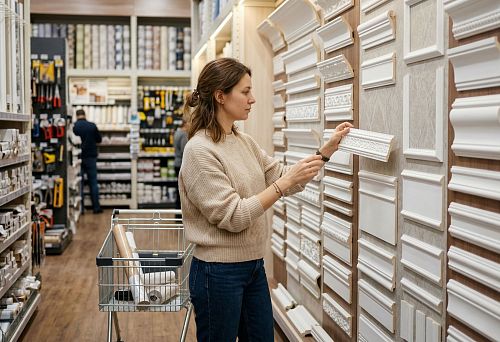
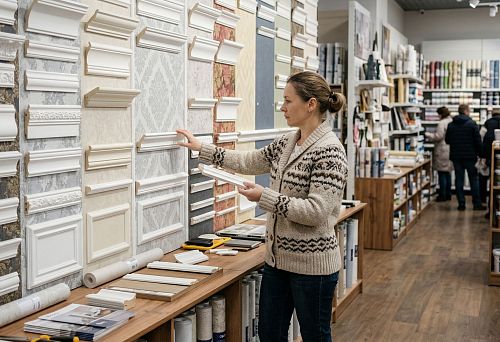
Article Contents:
- Introduction
- 1. Wooden Baseboards
- Functional purpose and historical significance
- Manufacturing technology
- Application and maintenance
- Role and functional features
- Processing technology
- Application in Interior Design
- Purpose and structural role
- Design possibilities
- Manufacturing technology and maintenance
- Aesthetic function and practical value
- Production technology
- Application in interior design and recommendations
- History and decorative role
- Manufacturing technology
- Application in interior finishing
- Care recommendations
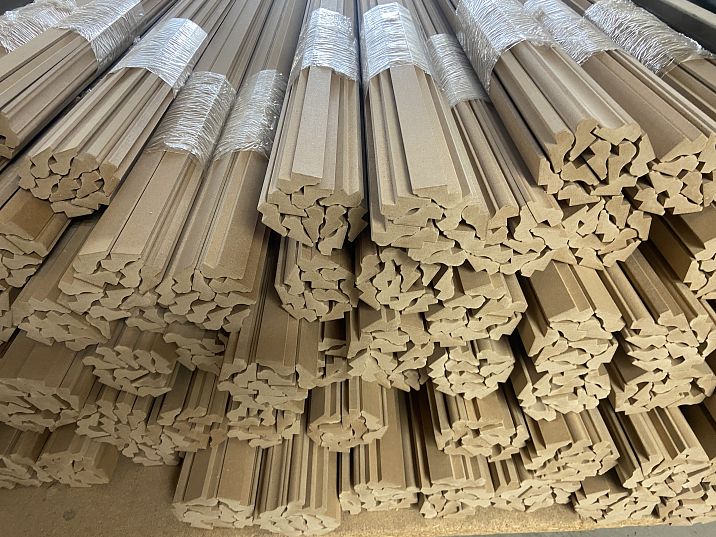
Natural wood has always been a symbol of warmth, comfort, and durability in interior design. Today, wooden finishing materials are not only functional elements but also important decorative details capable of highlighting the uniqueness of a space and creating an unforgettable atmosphere. In this article, we will thoroughly discuss the key wooden finishing elements –wooden baseboards, wooden rails, wooden angles, wooden cornices andwooden moldings. We will examine the history, manufacturing technology, specific applications of each element, and care recommendations.


Introduction
Wooden materials for finishing are the foundation for creating an eco-friendly, stylish, and warm interior. Natural wood features rich texture, natural tones, and a unique grain pattern, making it indispensable for realizing design ideas across various styles—from classic to high-tech. Modern technologies allow for perfect wood processing, while traditional craftsmanship preserves its natural beauty.
Each wooden finishing element not only serves a practical function but also adds completeness to the space. Let's examine in detail the main types of wooden finishing materials.




1. Wooden skirting boards
Our factory also produces:


Functional purpose and historical significance
Skirting boards have always occupied an important place in interior design. Originally, they were used to protect the lower part of walls from mechanical damage, moisture, and dirt, as well as to conceal technological joints between the wall and floor. TodayWooden skirting boards they remain relevant as a decorative element capable of completing the look of any room, regardless of the chosen style.
Get Consultation
Manufacturing technology
Modern skirting boards are made from high-quality solid wood (oak, beech, ash, walnut), ensuring their strength and resistance to external factors. Key production stages include:
● Drying wood to minimize shrinkage and cracking.
● Multi-stage sanding to achieve a smooth and even surface.
● Applying protective coating (varnish or oil) to preserve the natural texture and color.
Application and maintenance
Skirting boards are used in residential and commercial interiors to create a neat transition between walls and floors. They can be made in various styles: from classic carved to modern minimalist models. To maintain their aesthetics, it is sufficient to regularly wipe them with a soft cloth and periodically renew the protective coating.
2. Wooden strips
Role and functional features
Wooden rails – are thin strips of wood widely used in wall, ceiling, and furniture finishing. They are used to create decorative panels, form three-dimensional compositions, and also as structural elements where even load distribution is required.
Processing technology
When manufacturing strips, modern methods are applied:
● Precise cutting and sanding to achieve perfect smoothness.
● Polishing and applying protective layers, which helps preserve the natural wood gloss and protects it from external influences.
● The ability to create various profiles allows strips to be adapted to any design concept.
Application in Interior Design
Strips can be used as a standalone decorative element or in combination with other materials to create multi-layered compositional solutions. They beautifully highlight the natural beauty of wood and add elegance and dynamism to the interior. Regular care includes gentle cleaning and periodic treatment with special compositions.
3. Wooden corner pieces
Purpose and structural role
Wooden angles play an important role in strengthening structural joints and protecting corner joints. They prevent cracks and deformations at junctions, increasing the durability and strength of the structure.
Design possibilities
Corner pieces can be made in various styles:
● Classic models with carved elements, adding elegance to the interior.
● Modern minimalist options for minimalist interiors, where emphasis is placed on clean lines.
These elements not only serve to strengthen the structure but can also become a standalone decorative accent, highlighting the uniqueness of the item.
Manufacturing technology and maintenance
Modern technologies allow creating corner pieces with perfect joints and smooth surfaces. It is recommended to regularly clean corner pieces and periodically treat them with protective compositions to maintain their appearance and functionality.
4. Wooden cornices
Aesthetic function and practical significance
Wooden beams They perform a dual function. On the one hand, they conceal the joints between the wall and ceiling, creating a smooth and neat transition. On the other hand, cornices serve as a base for mounting decorative elements – valances, fabric draperies, or blinds.
Production technology
Cornices are manufactured using high-precision wood processing methods:
● Precise profiling of the shape using computer numerical control (CNC) machines.
● Surface treatment to achieve a smooth and glossy finish that lasts for a long time.
● Decorative finishing, including carving and inlay, allows creating items capable of meeting even the most demanding designers' requirements.
Application in interior design and recommendations
Cornices are an important element in decorating windows and ceilings in residential and commercial spaces. They help visually expand the space, giving the interior lightness and elegance. It is recommended to install cornices using quality fasteners and regularly maintain them, cleaning dust and renewing protective coatings.
5. Wooden moldings
History and decorative role
Wooden moldings have been used in architecture for decorating interiors since ancient times. They were used to finish joints between different surfaces, adding expressiveness and elegance to the room. In classical interiors, moldings are often richly adorned with carved elements, while in modern interiors, they use simple and strict forms.
Get Consultation
Manufacturing technology
Manufacturing moldings includes:
● Selection of high-quality wood capable of preserving the decorative grain pattern.
● Multi-stage processing, including sanding, polishing, and application of protective layers.
● Application of innovative technologies that allow creating complex decorative patterns with high precision and detail.
Application in interior finishing
Moldings play an important role in creating a complete look of the room:
● They are used to finish joints between walls and ceilings, as well as as decorative elements in furniture.
● Moldings help create smooth transitions between different interior zones, highlighting its architectural features.
● The choice of moldings can vary from classical carved options to modern minimalist solutions, making them a universal design element.
Care recommendations
To maintain the aesthetic appearance of moldings, regular cleaning with a soft cloth and periodic treatment with protective compounds will preserve the color saturation and natural wood texture.
Conclusion
Wooden materials for finishing represent an ideal combination of ecological safety, durability, and aesthetic expressiveness. Use ofwooden baseboards, wooden skirting boards, wooden corners, wooden cornices andwooden moldings Allows creating a unique, harmonious space where every detail contributes to achieving a common goal — creating an interior filled with natural beauty, warmth, and individuality.
With proper selection of materials and appropriate care, wooden items will delight the eye and serve for many years. They not only perform practical functions — protecting surfaces, reinforcing structures, concealing seams — but also become expressive decorative elements that highlight the style and character of the room.
Modern wood processing technologies allow combining centuries-old craftsmanship traditions with innovative design solutions, opening up broad creative possibilities. Regardless of the chosen style — classic, modern, or eco-design — wooden finishing materials remain relevant, imparting warmth, coziness, and natural elegance to the interior.
Choose high-quality wooden materials for finishing and create an interior that will delight you with its harmony, eco-friendliness, and timeless beauty. Let every element — frombaseboards tomolding — become a reflection of your commitment to quality, respect for traditions, and love for natural materials that can transform any space.