Article Contents:
- Historical Heritage: From Ancient Temples to Modern Mansions
- Evolution of Wooden Columns Through the Centuries
- Symbolic Meaning of Columns in Architecture of Different Cultures
- Revival of Traditions in Modern Design
- Variety of Forms and Styles: From Classicism to Avant-Garde
- Classical Orders in Wooden Execution
- Ethnic Motifs in Carved Posts
- Modern Interpretations and Avant-Garde Solutions
- Functional Use in Modern Interiors
- Structural Role: Support Elements and Partitions
- Decorative Functions: Accents and Interior Dominants
- Staircase Posts: Beauty and Safety
- Materials and Manufacturing Technologies
- Wood Selection: From Pine to Exotic Species
- Traditional Carving Techniques and Modern Technologies
- Protective Coatings and Care for Wooden Elements
- Design Solutions for Various Interior Styles
- Classic Interiors: Grandeur and Harmony
- Modern Minimalist Solutions
- Ethnic and Eclectic Styles
- Technical Aspects of Installation and Operation
- Structural Features and Requirements for Installation
- Integration into Various Architectural Solutions
- Durability and Specifics of Operation in Various Conditions
- Economic Aspects and Investment Appeal
- Pricing and Factors Influencing Cost
- Comparison with alternative materials
- Impact on Property Value and Investment Appeal
- Ecological aspects and sustainable development
- Wood as a Renewable Resource
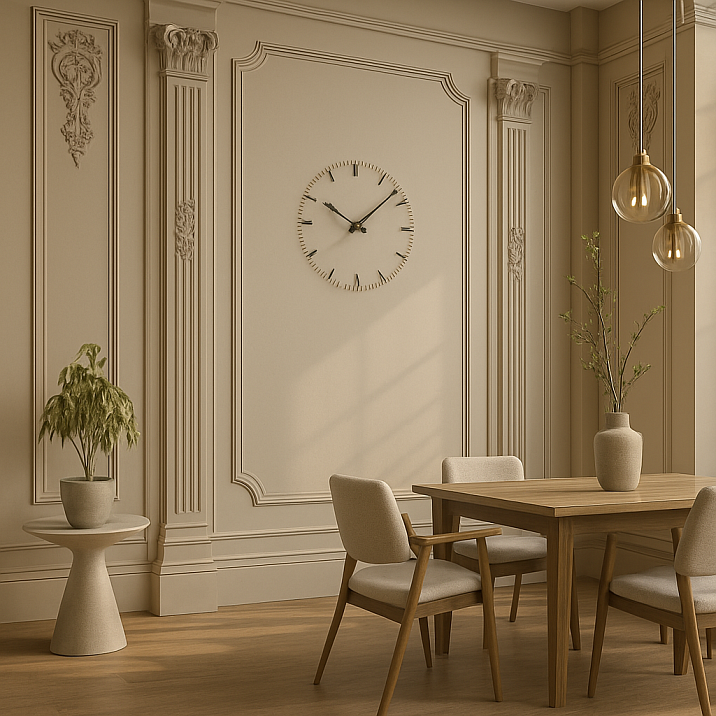
Have you ever noticed how space transforms when natural wood elements appear in it? As if nature itself breathes life into blank walls, filling the room with warmth and coziness. Among the vast variety of wooden elements, special attention is given to wooden columns and carved posts – majestic and refined details capable of completely transforming the interior, giving it nobility and a unique character.
In the era of mass production and standardized solutions, the handcrafted work of master carpenters becomes a true treasure. Every carved detail, every curve, every millimeter of finished surface carries the warmth of human hands and reflects centuries-old woodworking traditions passed down from generation to generation.
Why, in the age of high technology and innovative materials, do we turn back to wood? What makes wooden columns and carved posts so attractive to modern designers and clients? Let’s dive into this wonderful world where tradition meets modernity, and functionality meets fine art.


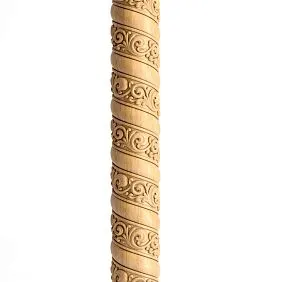
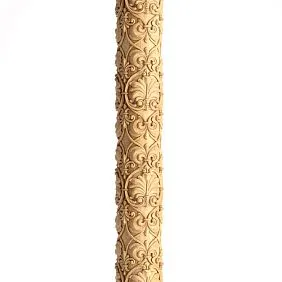
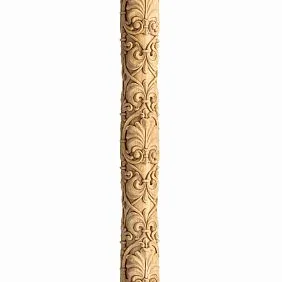
Historical Heritage: from ancient temples to modern mansions




Evolution of wooden columns through centuries
The history of wooden columns and posts goes back to deep antiquity. Long before stone structures appeared, our ancestors used wood as the primary building material. Archaeological findings show that already in the Neolithic (8th–3rd millennia BCE), people created wooden support posts with primitive carved elements.
In ancient Greece, wooden columns preceded the famous stone orders. Vitruvius, a Roman architect of the 1st century BCE, wrote that the Doric order originated from wooden architecture. Gradually, the Greeks replaced wood with stone, but proportions and decorative elements retained continuity with their wooden prototypes.
In medieval Europe, wooden columns became an essential part of half-timbered architecture. Massive oak posts not only served a load-bearing function but were also adorned with intricate carvings reflecting the status of the house’s owner. In Gothic cathedrals, wooden columns supported vaults and galleries, showcasing the masterful craftsmanship of carpenters and carvers.
Russian wooden architecture developed its own unique tradition of carved posts. The gables of boyar palaces, royal terem, and peasant cottages were adorned with intricate carvings, blending pagan and Christian motifs. Carved 'konyki' on roofs, patterned window frames, turned balusters on gables — all of this formed a unified architectural ensemble, with carved posts often serving as the central element.
Our factory also produces:


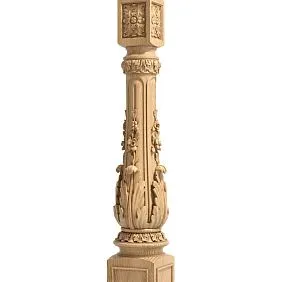


Symbolic meaning of columns in architecture of different cultures
In many cultures, columns had not only practical but also deep symbolic meaning. In ancient Egypt, columns often depicted bundles of papyrus or lotus, symbolizing fertility and rebirth. In Hindu temples, carved wooden columns were covered with complex patterns telling mythological stories.
In Christian tradition, columns symbolized the apostles — the pillars of the church. It is no coincidence that in Romanesque and Gothic cathedrals, the number of columns often corresponded to the number 12. In Islamic architecture, columns of mosques, adorned with geometric ornamentation, embodied the idea of the infinity and omnipotence of Allah.
In secular architecture, columns became symbols of power and prestige. Palaces and mansions of the nobility were adorned with colonnades, demonstrating the wealth and status of their owners. Interestingly, even during the era of classicism, when stone columns dominated, wooden ones were often used indoors — warmer and more cozy.
Get Consultation
Revival of traditions in modern design
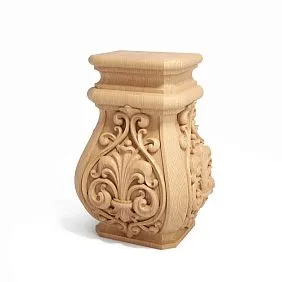
Today we observe a true renaissance of interest in wooden columns and carved postsThis is related to the general trend toward eco-friendliness, naturalness, and individuality in design. After decades of dominance of minimalism and functionality, people are once again turning to the decorative and expressive qualities of traditional forms.
Modern designers reinterpret classical motifs, adapting them to current interior solutions. wooden columns and carved posts They seamlessly fit into various styles — from neoclassicism to eco-minimalism, from rustic country to refined art deco.
Particularly interesting are projects where traditional forms combine with modern materials and technologies. For example, carved wooden columns can coexist with glass partitions and metal structures, creating a striking contrast of textures and eras. Such solutions are especially popular in the renovation of historic buildings, where it is important to preserve the spirit of the place while simultaneously adapting the space to modern comfort requirements.
Variety of forms and styles: from classicism to avant-garde
Classical orders in wooden execution
Classical architectural orders — Doric, Ionic, Corinthian — are beautifully embodied in wood. The Doric order, the most strict and minimalist, is characterized by columns without a base, with a simple capital in the form of a cushion and an abacus. In wooden execution, such columns are often made from oak or ash — species that emphasize monumentality and solidity.
The Ionic order is more elegant, its distinctive feature being volutes (spiral curls) on the capital. For such columns, maple or pear are often chosen — wood with fine, uniform grain, allowing for the reproduction of the finest carving details.
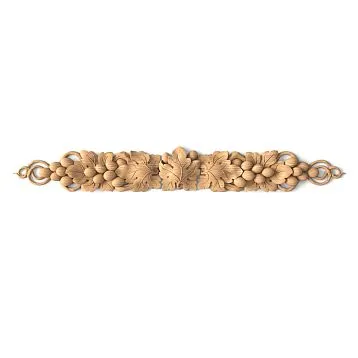
The Corinthian order is the most decorative, with an ornate capital in the form of stylized acanthus leaves. Such capitals require the virtuosity of a carver and are usually made from linden or walnut — species ideally suited for intricate artistic carving.
In addition to classical Greek-Roman orders, wooden architecture also features other historical styles. Gothic columns with their soaring verticals and complex profiles, Baroque columns with twisted stems and lavish decoration, and Empire columns with military symbolism — all this variety of forms is accessible to modern craftsmen.
Ethnic motifs in carving of posts
Ethnic woodworking traditions created a wonderful diversity of decorative motifs. Russian carving is renowned for floral ornaments, where stylized leaves, flowers, and berries intertwine. Animal motifs — birds, horses, lions — are also popular, symbolizing various forces of nature.
Scandinavian carving is more minimalist, featuring geometric patterns and stylized dragons — a legacy of the Vikings. Celtic motifs, with their endless knots and interlacing patterns, are also frequently used in the decoration of wooden posts.
Eastern traditions brought a special refinement and detail to wooden carving. Indian carved columns are covered with intricate patterns where floral motifs intertwine with figures of deities and mythological creatures. Chinese and Japanese carving is distinguished by philosophical depth, where each element carries symbolic meaning.
Modern masters often combine various ethnic motifs, creating unique works reflecting the multicultural character of our time. Such wooden columns and carved posts become not just interior elements, but true works of art, telling entire stories.
Modern interpretations and avant-garde solutions
Modern designers do not limit themselves to reproducing historical styles. They create avant-garde interpretations where the traditional form of a column is reinterpreted in the spirit of current trends. Asymmetry, deconstruction, unexpected material combinations — all this is characteristic of the modern approach to designing wooden columns.
An interesting direction is biomorphic columns, imitating forms of living nature: tree trunks, plant stems, even human figures. Such solutions look especially organically in ecologically oriented interiors, emphasizing the connection between humans and nature.
Technological innovations allow creating complex parametric forms impossible with traditional handwork. Computer modeling and CNC machines open new horizons for creativity, enabling designers to realize their most daring fantasies.
Hybrid solutions are particularly interesting, where wood combines with other materials — metal, glass, stone. For example, a wooden column may have a metal base or glass inserts illuminated from within. Such combinations create expressive contrasts and highlight the uniqueness of each element.
Functional use in modern interiors
Structural role: supporting elements and partitions
wooden columns and carved posts In modern architecture, they often perform not only decorative but also important structural functions. In wooden construction, they serve as supporting elements, holding up floor beams and roof trusses. Thanks to the high compressive strength of wood, wooden columns can withstand significant loads with relatively small cross-sections.
In frame houses, wooden posts form the main load-bearing structure to which wall panels are attached. Such a system allows creating flexible floor plans with large open spaces. In half-timbered architecture, currently experiencing a true revival, wooden posts and beams form a characteristic frame visible both from the outside and inside the building.
In interiors, wooden columns are often used as space zoning elements. They can support arches or partitions not reaching the ceiling, visually dividing the room into functional zones without physically separating it. This is especially relevant for modern open-space interiors, where it is important to preserve the feeling of spaciousness while structuring the space.
Decorative functions: accents and interior dominants
Besides their structural role, wooden columns and carved posts they perform an important decorative function, becoming accent elements of the interior. They attract attention, set the rhythm of space, create visual dominants around which the entire room composition is built.
In classical interiors, columns often flank doorways, frame niches, or highlight grand areas. In modern minimalist spaces, a single wooden column can become the only decorative element, bringing warmth and the texture of natural material into the interior.
Carved posts play a special role in eclectic interiors, where various styles and eras are mixed. Here, they become a connecting link between disparate elements, giving the space coherence and completeness. For example, an antique carved post can harmoniously coexist with modern furniture, creating an interesting dialogue between eras.
It is important to note that decorative function does not exclude practical application. Modern designers often integrate additional elements into wooden columns — shelves, niches, lighting — turning them into multifunctional objects.
Staircase posts: beauty and safety
Staircase posts deserve special attention — they are the most important element of any staircase structure. They not only support handrails and balustrades, ensuring safety, but also set the stylistic direction of the entire staircase, and often of the entire interior.
Starting (initial) posts, installed at the beginning of the staircase run, usually have the most complex form and rich decoration. They are the first to greet the visitor and create the first impression of the house. Intermediate posts, installed at turns and landings, maintain the overall style but often have a more restrained design.
Modern manufacturers offer a vast variety of staircase posts — from classic turned balusters to avant-garde sculptural forms. All of them must meet strict safety requirements, withstanding significant lateral loads.
An interesting trend in recent years — combining wooden posts with elements made of other materials. For example, a wooden post may combine with glass or metal railings, creating a light, airy image of the staircase. Such solutions are especially popular in modern interiors, where visual lightness and spaciousness are valued.
Materials and Manufacturing Technologies
Choosing wood: from pine to exotic species
Choosing the wood species is the first and most important stage in creating a wooden column or carved post. Each species has unique characteristics that affect both the technical properties of the item and its aesthetic perception.
Pine is the most accessible and widely used material. It is relatively easy to work with, has a pleasant golden hue, and an expressive texture. Pine columns and posts take stains and dyes well, allowing practically any color solution. However, pine belongs to softwoods, which limits fine carving possibilities and reduces the longevity of the items.
Oak is a classic material for manufacturing premium columns and posts. Its exceptional strength, durability, and noble texture with distinct growth rings make oak items true family heirlooms capable of serving for centuries. Oak is ideal for classical interiors, giving them solidity and respectability.
Beech is valued for its uniform structure and pleasant pinkish hue. It is harder than pine but easier to work with than oak, making it the optimal choice for columns with complex profiles. Beech takes staining well, allowing it to imitate more expensive species.
Ash is prized for its beautiful wavy texture and high strength. It is ideal for manufacturing columns in a modern style, where the expressiveness of the natural wood grain is important. Ash combines well with metal and glass, expanding the possibilities of design solutions.
Among exotic species, the most popular are:
- Wenge – African wood of dark brown, almost black color with contrasting grain. Ideal for creating dramatic, expressive accents in modern interiors.
- Teak – golden-brown wood with a silky sheen, exceptionally resistant to moisture and temperature fluctuations. Traditionally used in shipbuilding, and in interiors it creates an atmosphere of luxury and exoticism.
- Padauk – wood of rich reddish-brown color with a distinctive aroma. Used for manufacturing columns of the highest class in classical and colonial interiors.
When selecting wood species, it is important to consider not only aesthetic preferences but also practical aspects – usage conditions, loads, and room humidity. For example, species with high moisture resistance are recommended for bathrooms and pools, while for load-bearing structures – those with high compressive strength.
Traditional carving techniques and modern technologies
Wood carving art spans thousands of years, and during this time masters have developed numerous techniques, each creating its own unique effect. Main types of carving used in manufacturing wooden columns and carved pillars:
- Flat relief carving – the pattern protrudes above the background but remains flat. Ideal for creating ornamental bands on columns.
- Solid relief carving – the pattern has volume, and the background is completely removed. Creates the most expressive, sculptural effect.
- Openwork (lacy) carving – the background is cut through, creating a lace-like effect. Often used in the upper parts of decorative pillars.
- Three-dimensional (sculptural) carving – three-dimensional images protruding from the main volume. Used for creating capitals, mascarons, and other decorative elements.
Traditionally, carving was done manually using special chisels, gouges, and凿. This process required exceptional skill and took a lot of time. Today, hand carving remains the benchmark of quality and is used in creating exclusive, original pieces.
Modern technologies have significantly expanded the possibilities of producing carved elements. CNC machines (computer numerical control) allow reproducing the most complex patterns with high precision. 3D modeling enables visualizing the future product and making necessary adjustments even during the design stage.
Laser cutting and engraving allow creating delicate details inaccessible through traditional processing. This technology is especially effective when working with hard wood species, difficult to carve by hand.
It is important to note that modern technologies do not replace, but complement traditional craftsmanship. The best manufacturers combine machine processing with hand finishing, achieving an optimal balance between production efficiency and the artistic value of the product.
Protective coatings and care for wooden elements
To ensure longevity wooden columns and carved pillars It is critically important to properly select protective coatings. Modern industry offers a wide range of products, each with its own advantages:
- Oils (linseed, tung, Danish) deeply penetrate the wood structure, highlight the natural texture, and create a "breathable" coating. Ideal for eco-style interiors.
- Waxes create a silky, pleasant-to-touch surface and provide moderate protection against moisture. Often used in combination with oils.
- Lacquers form a strong protective film on the wood surface. Modern lacquers can be matte, satin, or glossy, depending on the desired effect.
- Shellac – traditional natural coating, creating a warm amber tone. Often used in restoring antique items.
Before applying the final coating, wood is treated with protective compounds – antiseptics preventing mold and mildew growth, and fire retardants increasing fire resistance. For items used in humid areas or outdoors, special water-repellent impregnations are applied.
Proper care for wooden elements significantly extends their service life. Main recommendations:
- Regularly remove dust with a soft dry cloth or special brushes for carved surfaces.
- Avoid direct contact with water – wipe with a damp but well-wrung cloth.
- Periodically renew protective coatings – oils and waxes usually require renewal every 1-2 years, lacquers less frequently, depending on usage conditions.
- Maintain optimal humidity levels in the room (40-60%) to prevent wood cracking.
- Avoid placing wooden elements under direct sunlight, which can cause fading and cracking.
With proper care, high-quality wooden columns and carved posts capable of maintaining their beauty and functionality for many decades, and with careful care— even for centuries.
Design solutions for various interior styles
Classic interiors: grandeur and harmony
In classical interiors, wooden columns serve as a key architectural element, setting the rhythm and structure of the space. They are often used in pairs, flanking doorways, fireplaces, niches, or forming colonnades that divide grand rooms.
Classic style features columns with proportional dimensions conforming to architectural orders. Capitals are often adorned with carvings—acanthus leaves in the Corinthian order, volutes in the Ionic, and strict echinus in the Doric. Column shafts may be smooth or fluted (with vertical grooves).
The color palette of wooden elements in classical interiors is usually restrained—ranging from natural tones of oak and walnut to noble mahogany red. Patination—a technique of artificial aging—is often applied, giving surfaces an elegant appearance and highlighting carved details.
In classical interiors, columns are often combined with other architectural elements—cornices, pilasters, rosettes—creating a cohesive ensemble. They may be executed in the same style as the furniture or contrast with it, serving as an architectural focal point.
Modern minimalist solutions
In modern minimalist interiors, wooden columns acquire a new sound. Here, the purity of lines, simplicity of forms, and expressiveness of natural wood texture are valued. Columns often have simple cylindrical or rectangular shapes, without the traditional division into base, shaft, and capital.
Minimalism does not mean the absence of decoration—it simply elevates it to another level, where the main ornamentation becomes the wood’s structure, the play of light on its surface, and the contrast between wood and surrounding materials—glass, concrete, metal.
In modern interiors, wooden columns often serve as solitary accent elements—single focal points that draw attention and set the tone for the entire space. They may be intentionally contrasting with their surroundings—for example, a rough, brutal column of aged wood in a sterile-white minimalist interior.
The color palette in modern solutions can be highly diverse—ranging from natural tones to vibrant hues achieved through staining or painting. Effects such as burnishing, brushing (artificial aging by removing soft fibers), create expressive surface textures.
Ethnic and eclectic styles
Ethnic styles offer vast opportunities for using carved wooden elements. In Russian style, these may be posts with traditional carving—"Kudrin" style with its flowing floral motifs, or "Abramtsyev-Kudrin" style with distinctive depictions of mythical birds and beasts.
In Scandinavian style, wooden columns are typically minimalist, with minimal carving, often bleached or retaining the natural light shade of northern woods—pine, spruce, birch. They create an atmosphere of purity and natural simplicity, characteristic of northern design.
Eastern styles—Indian, Moroccan, Japanese—offer unique interpretations of wooden columns. In Indian interiors, these may be richly carved pillars with depictions of deities and mythological creatures. In Moroccan interiors—columns with arabesques and geometric patterns. In Japanese interiors—minimalist wooden supports embodying the principle of "wabi-sabi"—beauty in imperfection and naturalness.
Eclectic solutions are especially interesting, where wooden elements from different styles and eras coexist in one space. For example, an antique carved column may become a central element in a modern loft, creating an unexpected and memorable image. Such bold combinations require a refined designer’s touch, but when executed successfully, they create truly unique interiors.
Technical aspects of installation and operation
Constructive features and installation requirements
Installation wooden columns and carved pillars Requires careful planning and adherence to technical requirements. First, it is necessary to determine whether the column will bear real load or serve exclusively decorative purposes—this affects the choice of material, cross-section, and method of fastening.
Load-bearing columns must rest on a strong foundation—concrete foundation or special metal anchor. To prevent contact between wood and concrete (which may lead to rot), hydro-isolation pads and metal shoe plates are used. The upper part of the load-bearing column also requires a secure connection to the supported structure—usually via metal fasteners.
Decorative columns have a simpler construction. They can be attached to the floor and ceiling using screws, dowels, or special mounting plates. In some cases, telescopic systems are used, allowing compensation for minor unevenness or seasonal height changes due to building shrinkage.
Special attention should be paid to ventilation—the space between the wooden column and the wall must allow air circulation. This prevents moisture accumulation and mold growth. If the column is installed in a high-humidity room, additional treatment with antiseptic compounds is recommended.
Staircase posts have their own installation specifics. Initial posts are usually fastened to the first step or floor using a metal pin inserted into a pre-drilled hole. Intermediate posts are installed on landings or turns and must provide secure attachment for handrails and balusters.
Integration into various architectural solutions
wooden columns and carved posts They can be organically integrated into various architectural solutions, from traditional to ultra-modern. In classical architecture, they are often part of an order system, including also the entablature (architrave, frieze, cornice) and pedestal.
In modern interiors, wooden columns can combine with suspended ceilings, creating interesting spatial effects. For example, a column may 'cut through' a suspended ceiling, visually connecting different levels of the room. Or, conversely, not reach the ceiling, acting as a freestanding zoning element.
An interesting solution—integrating wooden columns into storage systems. A column may become a central element of an integrated cabinet, library, or wine cellar. This approach combines aesthetic appeal with practical functionality.
In modern architecture, combining wooden columns with glass partitions is popular. Wood adds warmth and solidity to the structure, while glass provides visual lightness and spaciousness. Such solutions are especially effective in office spaces, where it is important to combine openness with functional zoning.
Durability and operational characteristics under various conditions
With proper material selection, quality treatment, and adherence to operating conditions, wooden columns and posts can serve for decades, even centuries. Key factors affecting durability:
- Stability of temperature and humidity conditions. Sudden changes in humidity cause wood deformation — swelling and shrinkage, which may lead to cracking. Optimal air humidity for wooden elements — 40-60%.
- Protection from direct sunlight. Ultraviolet radiation causes photodegradation of wood — color change and gradual destruction of the surface layer. For protection, special lacquers and oils with UV filters are used.
- Protection against biological damage. Wood may be attacked by fungi, mold, and wood-boring insects. Modern antiseptics provide reliable protection provided they are applied correctly and periodically renewed.
- Mechanical impacts. Wooden elements in high-traffic areas may be subjected to impacts and abrasion. For such areas, it is recommended to choose hardwoods and wear-resistant protective coatings.
Special conditions of use require special solutions. For humid areas (bathrooms, pools), species with natural moisture resistance (teak, iroko) or specially treated wood are recommended. For outdoor use, species with high resistance to atmospheric effects (larch, oak) and special protective compositions for exterior applications are used.
In public spaces with high foot traffic, wooden elements must meet fire safety requirements. Modern flame retardants significantly increase the fire resistance of wood, classifying it as a difficult-to-ignite material.
Economic Aspects and Investment Attractiveness
Pricing and factors influencing cost
Cost wooden columns and carved pillars depends on many factors, the main ones being:
- Wood species. Items made from valuable hardwoods (oak, walnut, teak) cost several times more than those made from pine or spruce. This is explained not only by aesthetic qualities but also by superior technical characteristics and greater durability.
- Complexity of shape and carving. A simple turned column will cost significantly less than a column with elaborate carving, requiring many hours of manual labor from a master carver.
- Dimensions. The larger the column, the higher its cost — not only due to greater material consumption, but also due to the complexity of processing large-sized components.
- Method of manufacture. Handcrafted items are valued higher than machine-made ones, although modern technologies allow achieving very high quality.
- Uniqueness of design. Exclusive, custom-made works cost more than standard items.
The market offers items of various price categories — from budget options made from coniferous species to exclusive, custom-made works from valuable woods. It is important to understand that saving on material quality or manufacturing may lead to additional expenses in the future due to the need for repairs or replacements.
Comparison with alternative materials
When choosing between wooden columns and items made from alternative materials, it is important to consider not only the initial cost but also long-term performance characteristics, aesthetic qualities, and ecological properties.
Polyurethane columns and decorative elements are cheaper than wooden ones, easier to install, and require no special maintenance. However, they lack the natural warmth and texture of wood, are less durable, and are prone to fading under UV exposure. Additionally, polyurethane is not an environmentally friendly material.
Gypsum columns are traditionally used in classical interiors. They allow reproduction of complex decorative details but are fragile, moisture-sensitive, and require regular repainting. In terms of cost, they are comparable to mid-range wooden items.
Metallic columns are strong and durable, but they create a completely different visual and tactile effect. They combine well with wood in modern interiors, creating interesting material contrasts.
Stone columns (marble, granite) belong to the premium segment, exceeding even the most expensive wooden items in cost. They are monumental and durable, but feel cold to the touch and create a completely different atmosphere in interiors.
Overall, wood remains the optimal choice if naturalness, warmth, ecological properties, and the possibility of creating unique, custom solutions are important.
Impact on property value and investment attractiveness
Quality wooden columns and carved posts can significantly increase property value, especially in the premium segment. They create an atmosphere of luxury and individuality, making the property stand out against standard offerings.
Authorial works by renowned masters and historical elements preserved during restoration are especially valued. Such details not only increase market value but also accelerate property sales, attracting the attention of discerning buyers.
Investments in high-quality wooden interior elements can be considered long-term. Unlike trendy decorative materials that quickly become outdated, classic wooden details retain their appeal for decades and even gain additional value over time.
It is important to note that items made from valuable wood, crafted at a high artistic level, have the greatest investment attractiveness. They not only retain but also increase their value over time, becoming family heirlooms and collectible items.
Ecological aspects and sustainable development
Wood as a renewable resource
In an era of growing concern about ecological issues, wood stands out as one of the most environmentally friendly construction and finishing materials. Unlike plastic, metal, or concrete, wood is a renewable resource — with proper forest management, forests regenerate, ensuring a constant supply of raw material.
An important aspect of environmental friendliness is the material's carbon footprint. Trees absorb carbon dioxide from the atmosphere during growth, converting it into wood. Thus, wooden products effectively sequester carbon, preventing its release into the atmosphere as greenhouse gases. According to experts, each cubic meter of wood sequesters about one ton of CO₂.
The production of wooden items requires significantly less energy compared to alternative materials. For example, producing aluminum or plastic elements requires dozens of times more energy than processing an equivalent volume of wood.
The issue of disposal is equally important. At the end of their service life, wooden items can be recycled into other products (e.g., MDF or fuel pellets) or safely decompose in the natural environment, unlike plastic or composite materials, which create serious problems for ecosystems.